 Click to view 3D structure | Endothelin-converting enzyme 2 | P0DPD6 | Humans | Predicted (SEA) | - Prediction Confidence Score
- 0.259
- Applicability Domain
- 0.259 Low confidence
- Statistical Significance
- 6.10e-04
- Supporting Reference Compounds
- 1
- E-value
- 4.7488
|
| Click to view 3D structure | Streptokinase A | P10520 | Streptococcus pyogenes serotype M1 | Predicted (SEA) | - Prediction Confidence Score
- 0.259
- Applicability Domain
- 0.274 Low confidence
- Statistical Significance
- 0.0969
- Supporting Reference Compounds
- 425
- E-value
- 754.593
|
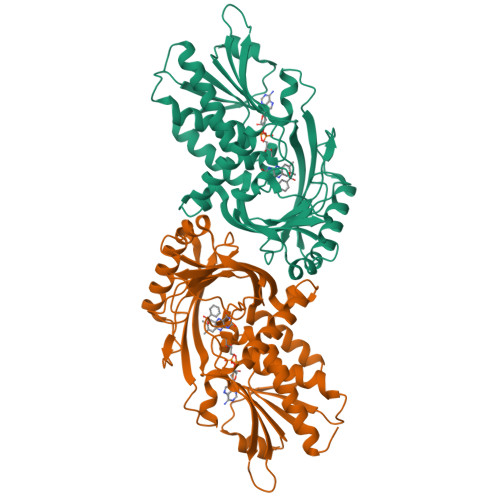 Click to view 3D structure | D-amino-acid oxidase | P14920 | Humans | Predicted (SEA) | - Prediction Confidence Score
- 0.259
- Applicability Domain
- 0.34
- Statistical Significance
- 0.0028
- Supporting Reference Compounds
- 32
- E-value
- 22.187
|
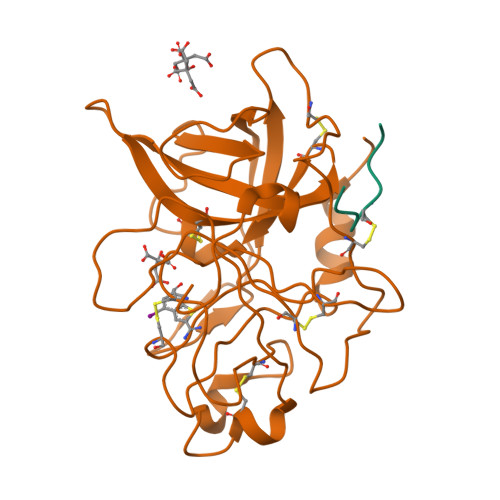 Click to view 3D structure | Urokinase-type plasminogen activator | P00749 | Humans | Predicted (SEA) | - Prediction Confidence Score
- 0.255
- Applicability Domain
- 0.29 Low confidence
- Statistical Significance
- 0.0598
- Supporting Reference Compounds
- 151
- E-value
- 465.85
|
 Click to view 3D structure | Induced myeloid leukemia cell differentiation protein Mcl-1 | Q07820 | Humans | Predicted (SEA) | - Prediction Confidence Score
- 0.254
- Applicability Domain
- 0.274 Low confidence
- Statistical Significance
- 0.0875
- Supporting Reference Compounds
- 343
- E-value
- 681.57
|
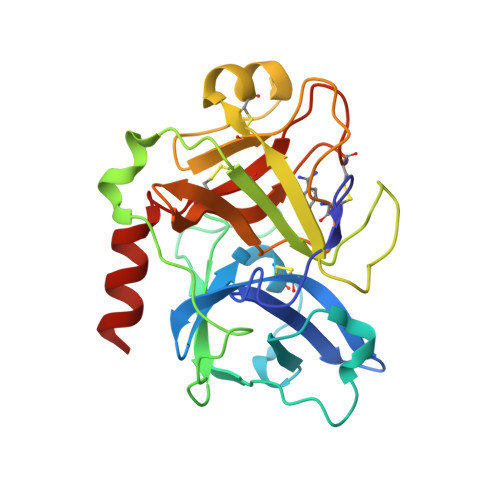 Click to view 3D structure | Plasma kallikrein | P03952 | Humans | Predicted (SEA) | - Prediction Confidence Score
- 0.251
- Applicability Domain
- 0.29 Low confidence
- Statistical Significance
- 0.0739
- Supporting Reference Compounds
- 158
- E-value
- 575.228
|
 Click to view 3D structure | Luciferin 4-monooxygenase | P08659 | Photinus pyralis | Predicted (SEA) | - Prediction Confidence Score
- 0.247
- Applicability Domain
- 0.278 Low confidence
- Statistical Significance
- 0.0695
- Supporting Reference Compounds
- 114
- E-value
- 541.286
|
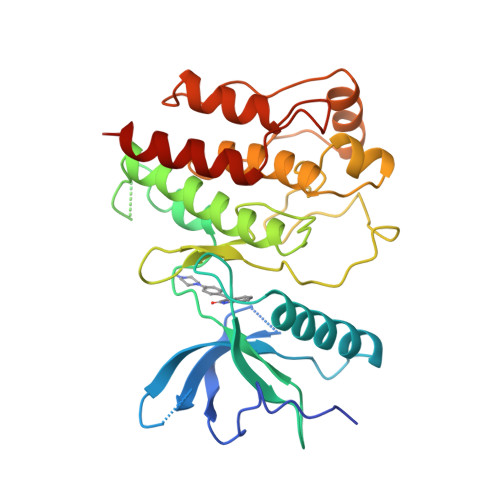 Click to view 3D structure | Fibroblast growth factor receptor 1 | P11362 | Humans | Predicted (SEA) | - Prediction Confidence Score
- 0.246
- Applicability Domain
- 0.268 Low confidence
- Statistical Significance
- 0.3994
- Supporting Reference Compounds
- 1010
- E-value
- 3109.38
|
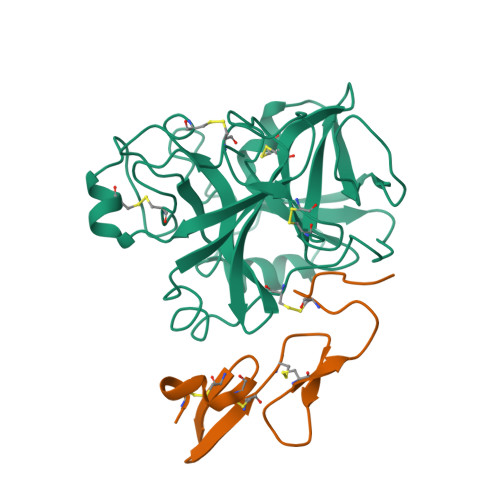 Click to view 3D structure | Coagulation factor X | P00742 | Humans | Predicted (SEA) | - Prediction Confidence Score
- 0.243
- Applicability Domain
- 0.25 Low confidence
- Statistical Significance
- 0.1528
- Supporting Reference Compounds
- 284
- E-value
- 1189.46
|
 Click to view 3D structure | Tissue-type plasminogen activator | P00750 | Humans | Predicted (SEA) | - Prediction Confidence Score
- 0.242
- Applicability Domain
- 0.246 Low confidence
- Statistical Significance
- 0.07
- Supporting Reference Compounds
- 120
- E-value
- 545.022
|
| Click to view 3D structure | ATP-dependent molecular chaperone HSP82 | C4YTQ8 | Candida albicans (strain WO-1) (Yeast) | Predicted (SEA) | - Prediction Confidence Score
- 0.241
- Applicability Domain
- 0.295 Low confidence
- Statistical Significance
- 0.0973
- Supporting Reference Compounds
- 205
- E-value
- 757.629
|
 Click to view 3D structure | Glycogen synthase kinase-3 beta | P49841 | Humans | Predicted (SEA) | - Prediction Confidence Score
- 0.24
- Applicability Domain
- 0.268 Low confidence
- Statistical Significance
- 0.5028
- Supporting Reference Compounds
- 1157
- E-value
- 3914.1
|
 Click to view 3D structure | Serine/threonine-protein kinase pim-1 | P11309 | Humans | Predicted (SEA) | - Prediction Confidence Score
- 0.24
- Applicability Domain
- 0.268 Low confidence
- Statistical Significance
- 0.4549
- Supporting Reference Compounds
- 967
- E-value
- 3541.59
|
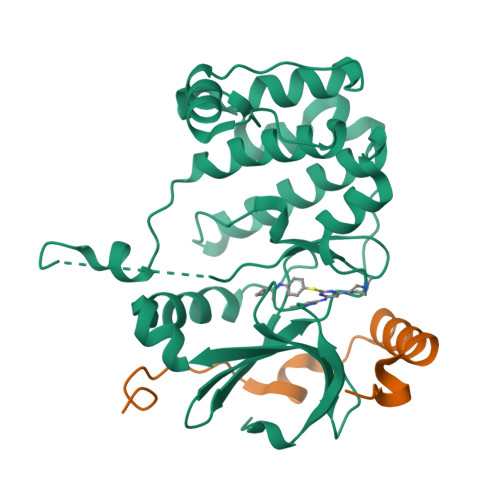 Click to view 3D structure | Aurora kinase B | Q96GD4 | Humans | Predicted (SEA) | - Prediction Confidence Score
- 0.24
- Applicability Domain
- 0.268 Low confidence
- Statistical Significance
- 0.4645
- Supporting Reference Compounds
- 1017
- E-value
- 3616.1
|
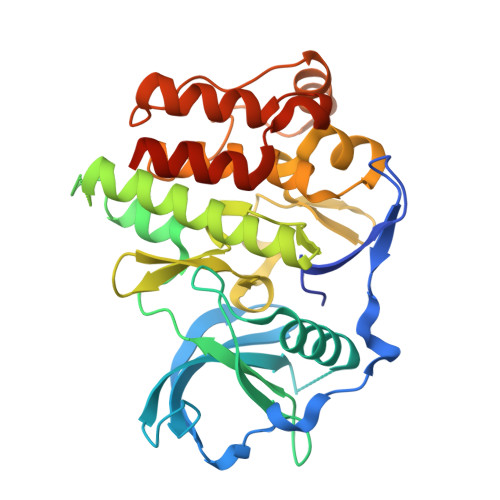 Click to view 3D structure | Receptor-type tyrosine-protein kinase FLT3 | P36888 | Humans | Predicted (SEA) | - Prediction Confidence Score
- 0.24
- Applicability Domain
- 0.268 Low confidence
- Statistical Significance
- 0.5024
- Supporting Reference Compounds
- 1274
- E-value
- 3910.91
|
 Click to view 3D structure | Serine/threonine-protein kinase PAK 4 | O96013 | Humans | Predicted (SEA) | - Prediction Confidence Score
- 0.239
- Applicability Domain
- 0.268 Low confidence
- Statistical Significance
- 0.4056
- Supporting Reference Compounds
- 728
- E-value
- 3157.41
|
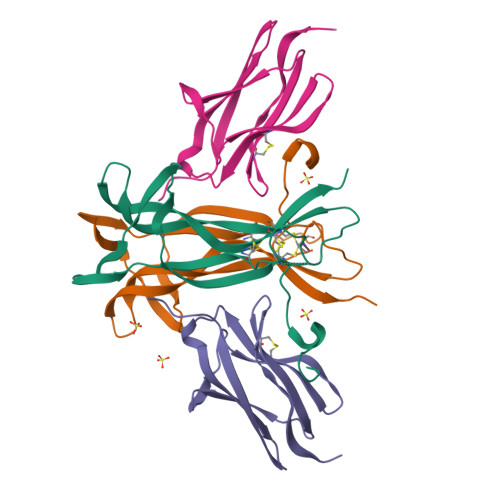 Click to view 3D structure | BDNF/NT-3 growth factors receptor | Q16620 | Humans | Predicted (SEA) | - Prediction Confidence Score
- 0.239
- Applicability Domain
- 0.268 Low confidence
- Statistical Significance
- 0.4137
- Supporting Reference Compounds
- 721
- E-value
- 3220.62
|
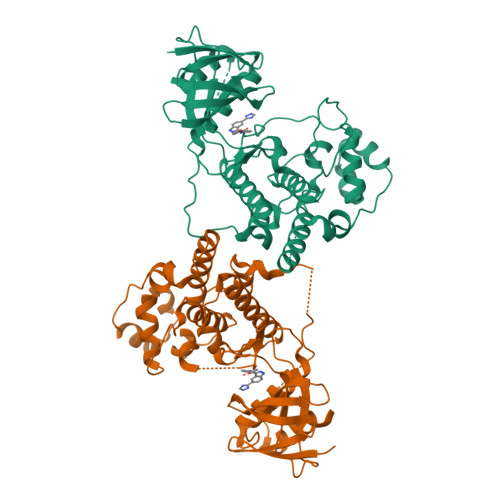 Click to view 3D structure | Mitogen-activated protein kinase 9 | P45984 | Humans | Predicted (SEA) | - Prediction Confidence Score
- 0.239
- Applicability Domain
- 0.268 Low confidence
- Statistical Significance
- 0.4293
- Supporting Reference Compounds
- 758
- E-value
- 3341.76
|
| Click to view 3D structure | Mitogen-activated protein kinase kinase kinase kinase 2 | Q12851 | Humans | Predicted (SEA) | - Prediction Confidence Score
- 0.239
- Applicability Domain
- 0.268 Low confidence
- Statistical Significance
- 0.3874
- Supporting Reference Compounds
- 657
- E-value
- 3015.88
|
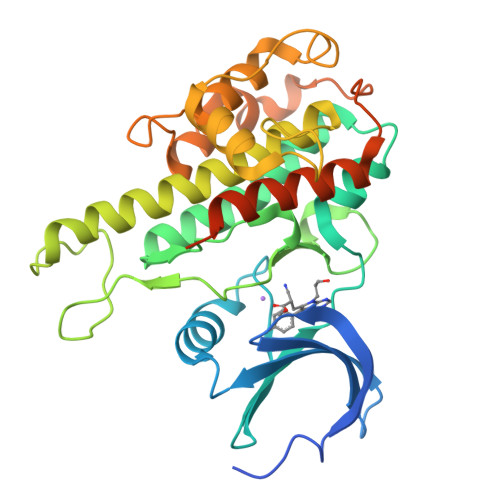 Click to view 3D structure | Ribosomal protein S6 kinase alpha-3 | P51812 | Humans | Predicted (SEA) | - Prediction Confidence Score
- 0.239
- Applicability Domain
- 0.268 Low confidence
- Statistical Significance
- 0.4071
- Supporting Reference Compounds
- 733
- E-value
- 3169.24
|
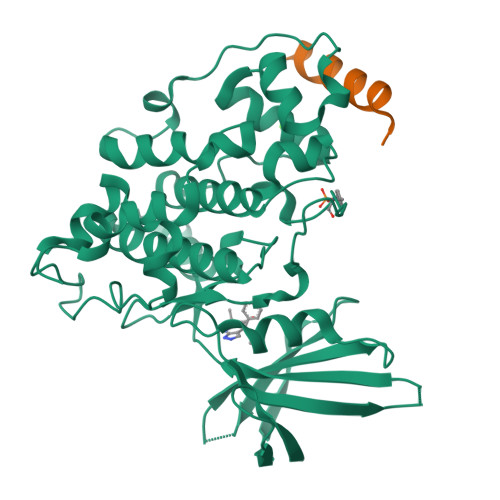 Click to view 3D structure | Glycogen synthase kinase-3 alpha | P49840 | Humans | Predicted (SEA) | - Prediction Confidence Score
- 0.239
- Applicability Domain
- 0.268 Low confidence
- Statistical Significance
- 0.4254
- Supporting Reference Compounds
- 754
- E-value
- 3311.86
|
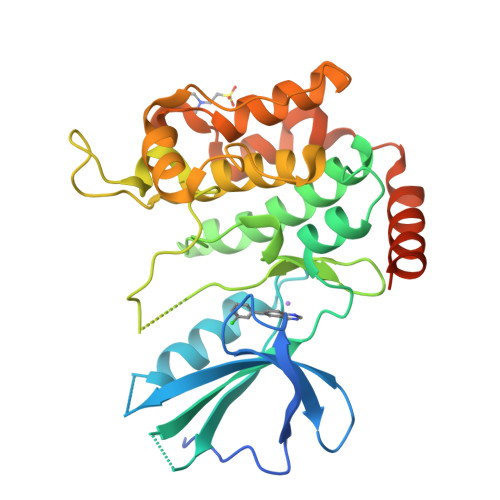 Click to view 3D structure | Mitogen-activated protein kinase kinase kinase kinase 4 | O95819 | Humans | Predicted (SEA) | - Prediction Confidence Score
- 0.239
- Applicability Domain
- 0.268 Low confidence
- Statistical Significance
- 0.4136
- Supporting Reference Compounds
- 714
- E-value
- 3220.0
|
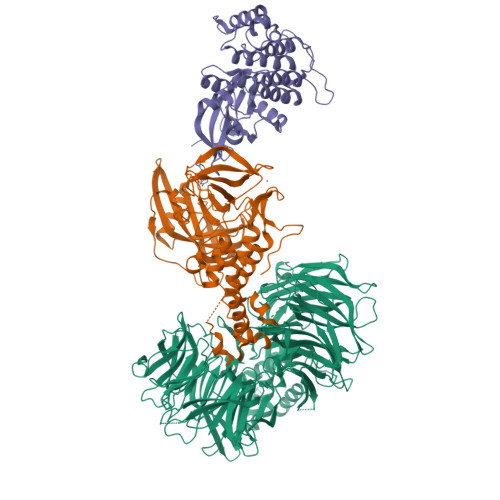 Click to view 3D structure | Casein kinase I isoform alpha | P48729 | Humans | Predicted (SEA) | - Prediction Confidence Score
- 0.239
- Applicability Domain
- 0.268 Low confidence
- Statistical Significance
- 0.3899
- Supporting Reference Compounds
- 674
- E-value
- 3035.5
|
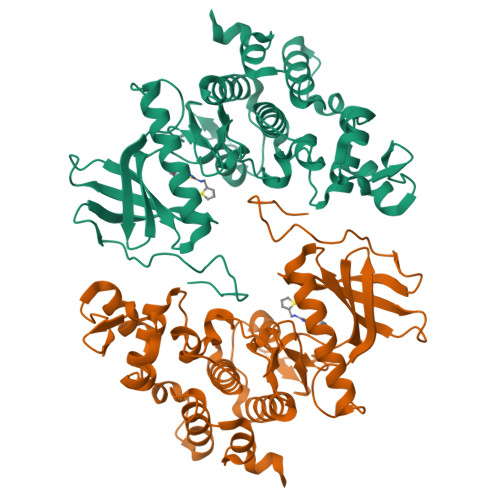 Click to view 3D structure | Dual specificity protein kinase CLK2 | P49760 | Humans | Predicted (SEA) | - Prediction Confidence Score
- 0.239
- Applicability Domain
- 0.268 Low confidence
- Statistical Significance
- 0.4082
- Supporting Reference Compounds
- 727
- E-value
- 3178.19
|
 Click to view 3D structure | Serine/threonine-protein kinase D3 | O94806 | Humans | Predicted (SEA) | - Prediction Confidence Score
- 0.239
- Applicability Domain
- 0.268 Low confidence
- Statistical Significance
- 0.3827
- Supporting Reference Compounds
- 628
- E-value
- 2979.29
|


