N2,N2-Dimethylguanin (CED0087164)

Record Information
Version1.0
Creation Date2016-06-03 13:40:43 UTC
Update Date2026-03-27 01:35:37 UTC
SynCED IDCED0087164
Secondary Accession Numbers
  • CHEM045776
Identification
Common NameN2,N2-Dimethylguanin
ClassSmall Molecule
Description
N2,N2-Dimethylguanin is an organic compound with the formula C7H9N5O and an average molecular weight of 179.18 g/mol. N2,N2-Dimethylguanin belongs to the purines and purine derivatives, a subclass of imidazopyrimidines within the organic compounds. This substance has been identified in indoor air, specifically within air, dust, and atmospheric transport. The recorded route of exposure for this compound is inhalation.
Contaminant TypeNot Available
Chemical Structure
SynonymsNot Available
Chemical FormulaC7H9N5O
Average Molecular Mass179.183 g/mol
Monoisotopic Mass179.081 g/mol
CAS Registry Number1445-15-4
IUPAC Name2-(dimethylamino)-6,7-dihydro-1H-purin-6-one
Traditional Name2-(dimethylamino)-1,7-dihydropurin-6-one
SMILESCN(C)C1=NC2=C(NC=N2)C(=O)N1
InChI IdentifierInChI=1S/C7H9N5O/c1-12(2)7-10-5-4(6(13)11-7)8-3-9-5/h3H,1-2H3,(H2,8,9,10,11,13)
InChI KeyXMSMHKMPBNTBOD-UHFFFAOYSA-N
Chemical Taxonomy
Description Belongs to the class of organic compounds known as hypoxanthines. Hypoxanthines are compounds containing the purine derivative 1H-purin-6(9H)-one. Purine is a bicyclic aromatic compound made up of a pyrimidine ring fused to an imidazole ring.
KingdomOrganic compounds
Super ClassOrganoheterocyclic compounds
ClassImidazopyrimidines
Sub ClassPurines and purine derivatives
Direct ParentHypoxanthines
Alternative Parents
Substituents
  • 6-oxopurine
  • Hypoxanthine
  • Dialkylarylamine
  • Aminopyrimidine
  • Pyrimidone
  • Pyrimidine
  • Heteroaromatic compound
  • Vinylogous amide
  • Imidazole
  • Azole
  • Azacycle
  • Organopnictogen compound
  • Organic nitrogen compound
  • Organooxygen compound
  • Organonitrogen compound
  • Organic oxygen compound
  • Hydrocarbon derivative
  • Organic oxide
  • Aromatic heteropolycyclic compound
Molecular FrameworkAromatic heteropolycyclic compounds
External DescriptorsNot Available
Biological Properties
StatusDetected and Not Quantified
OriginNot Available
Cellular LocationsNot Available
Biofluid LocationsNot Available
Tissue LocationsNot Available
ApplicationsNot Available
Biological RolesNot Available
Chemical RolesNot Available
Organoleptic EffectsNot Available
Physical Properties
StateNot Available
AppearanceNot Available
Experimental Properties
PropertyValue
Melting PointNot Available
Boiling PointNot Available
SolubilityNot Available
Predicted Properties
PropertyValueSource
Water Solubility2.08 g/LALOGPS
logP-0.48ALOGPS
logP-0.57ChemAxon
logS-1.9ALOGPS
pKa (Strongest Acidic)8.29ChemAxon
pKa (Strongest Basic)0.59ChemAxon
Physiological Charge0ChemAxon
Hydrogen Acceptor Count4ChemAxon
Hydrogen Donor Count2ChemAxon
Polar Surface Area73.38 ŲChemAxon
Rotatable Bond Count1ChemAxon
Refractivity49.4 m³·mol⁻¹ChemAxon
Polarizability17.52 ųChemAxon
Number of Rings2ChemAxon
BioavailabilityYesChemAxon
Rule of FiveYesChemAxon
Ghose FilterNoChemAxon
Veber's RuleNoChemAxon
MDDR-like RuleNoChemAxon
Spectra
Spectra
Spectrum TypeDescriptionSplash KeyDeposition DateView
Predicted LC-MS/MSPredicted LC-MS/MS Spectrumsplash10-001i-0900000000-9893e63314ed5f299e89Not AvailableView Spectrum
Predicted LC-MS/MSPredicted LC-MS/MS Spectrumsplash10-001i-0900000000-e1648e0352c7270d7bf6Not AvailableView Spectrum
Predicted LC-MS/MSPredicted LC-MS/MS Spectrumsplash10-052g-9600000000-45ca4d9d2bca0851c25aNot AvailableView Spectrum
Predicted LC-MS/MSPredicted LC-MS/MS Spectrumsplash10-004i-0900000000-9059880e35a4f1850b41Not AvailableView Spectrum
Predicted LC-MS/MSPredicted LC-MS/MS Spectrumsplash10-004i-0900000000-63b1669d637ac002669fNot AvailableView Spectrum
Predicted LC-MS/MSPredicted LC-MS/MS Spectrumsplash10-0006-9000000000-4b41a45ca14483196004Not AvailableView Spectrum
Toxicity Profile
Toxicity Values
Toxicity ValueOrganismDose DescriptorRoute of ExposurePredicted or ExperimentalToxicity RatingReference
781.0 Log mg/kg [440:1400]RatLD50oralpredictedNot AvailableNot Available
Toxicity / Toxin ClassNot Available
Mechanism of ToxicityNot Available
Carcinogenicity (IARC Classification)Not Available
Minimum Risk LevelNot Available
SymptomsNot Available
TreatmentNot Available
Health Effects
Health EffectRelationshipDirectionDescriptionReference
Exposure Sources
Source IDSourceSectorReference
CEDs000019Indoor air?Indoor air can be a significant reservoir for synthetic chemical contaminants, which often originate from various sources within enclosed environments.Air, dust & atmospheric transportNot Available
CEDs000519Electrodes?Electrodes, used in various electrical and electronic applications, can be a source of synthetic chemical contamination due to the materials from which they are constructed and the processes involved in their manufacturing.Electrical & Electronic EquipmentPubChem
CEDs000524Hybrid Capacitors?Hybrid capacitors are energy storage devices that combine the properties of electrolytic and supercapacitors, utilizing a combination of electrochemical principles to achieve higher energy density and power density.Electrical & Electronic EquipmentPubChem
CEDs000537Television Systems?Television systems can be a source of synthetic chemical contamination due to the various materials and components used in their manufacture and operation.Electrical & Electronic EquipmentPubChem
CEDs000549Preparation Of Wine Or Sparkling Wine?The preparation of wine or sparkling wine involves various stages, including fermentation, aging, and bottling, which can introduce potential sources of synthetic chemical contamination.Food, food processing & cookwarePubChem
CEDs000580Manufacture Preparation Of Tobacco Products?The manufacture and preparation of tobacco products involve various processes that can result in the introduction of synthetic chemicals into the environment.Industrial manufacturing & chemical processingPubChem
CEDs000688Glass Coatings?Glass coatings are synthetic chemical formulations applied to glass surfaces to enhance properties such as durability, UV resistance, and aesthetic appeal.Building & ConstructionPubChem
CEDs000696Nanotechnology?Nanotechnology involves the manipulation of materials at the molecular or atomic level, typically within the range of 1 to 100 nanometers.Industrial manufacturing & chemical processingPubChem
CEDs000698Jewellery?Jewellery production often involves the use of various synthetic chemicals during the extraction and processing of metals.Mining & metal processingPubChem
Pathways
0 pathwaysPathway Source: PathBank

No pathways found

No metabolic pathways have been associated with this synthetic chemical

Targets
StructureProteinUniProt IDOrganismRelationshipDetails
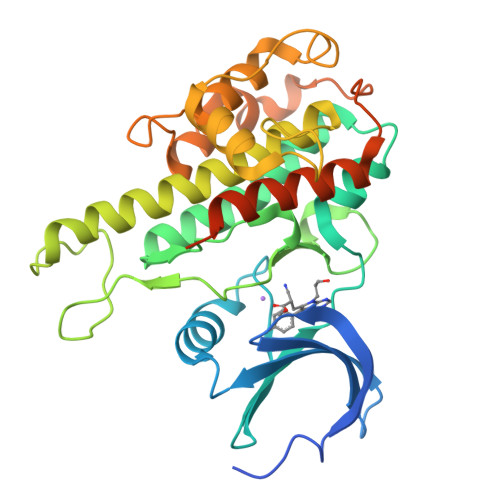
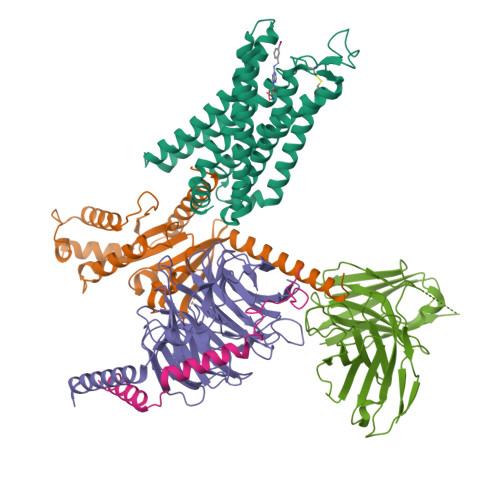
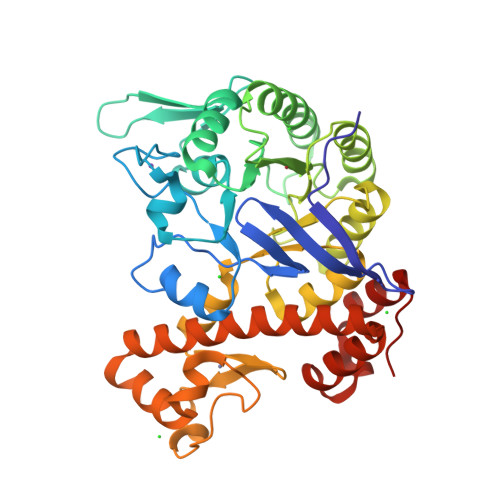
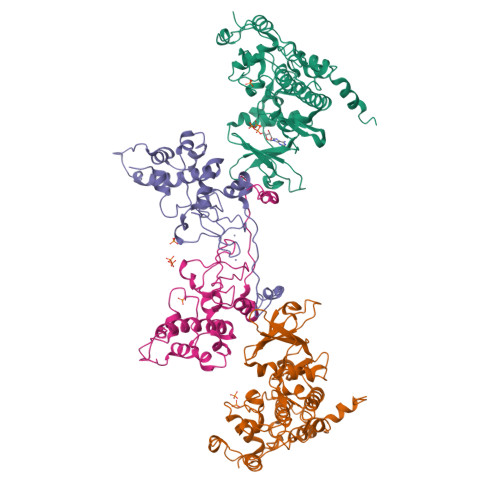
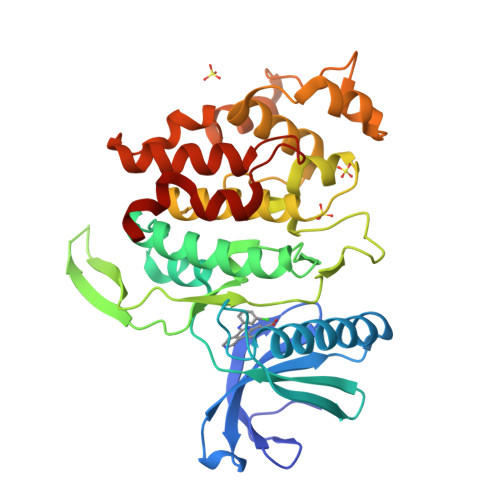
Aurora kinase A structureClick to view 3D structureAurora kinase AO14965HumansPredicted (SEA)
Prediction Confidence Score
0.251
Applicability Domain
0.421
Statistical Significance
0.3565
Supporting Reference Compounds
996
E-value
2775.71
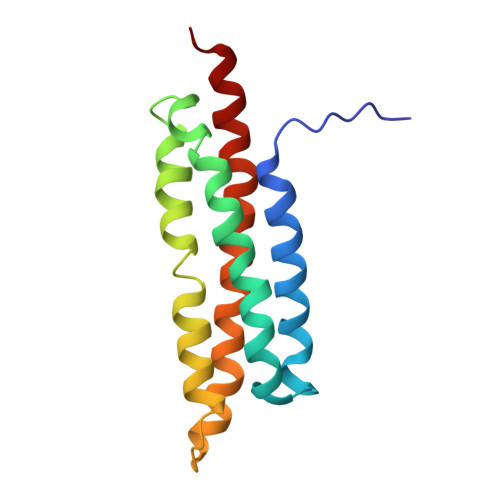
Ribosomal protein S6 kinase alpha-3 structureClick to view 3D structureRibosomal protein S6 kinase alpha-3P51812HumansPredicted (SEA)
Prediction Confidence Score
0.246
Applicability Domain
0.421
Statistical Significance
0.3465
Supporting Reference Compounds
733
E-value
2697.55
Leucine-rich repeat serine/threonine-protein kinase 2 structureClick to view 3D structureLeucine-rich repeat serine/threonine-protein kinase 2Q5S007HumansPredicted (SEA)
Prediction Confidence Score
0.245
Applicability Domain
0.421
Statistical Significance
0.2405
Supporting Reference Compounds
336
E-value
1872.27
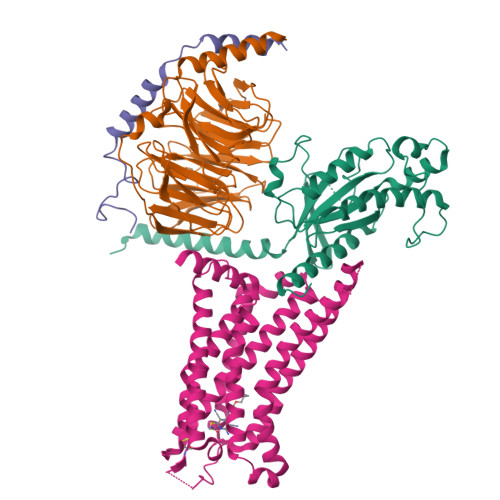
Adenosine receptor A2b structureClick to view 3D structureAdenosine receptor A2bP29275HumansPredicted (SEA)
Prediction Confidence Score
0.244
Applicability Domain
0.255 Low confidence
Statistical Significance
0.0827
Supporting Reference Compounds
187
E-value
643.58
Click to view 3D structureAdenosine receptor A1P25099Rattus norvegicusPredicted (SEA)
Prediction Confidence Score
0.243
Applicability Domain
0.255 Low confidence
Statistical Significance
0.0733
Supporting Reference Compounds
221
E-value
570.479
Dual specificity tyrosine-phosphorylation-regulated kinase 1A structureClick to view 3D structureDual specificity tyrosine-phosphorylation-regulated kinase 1AQ13627HumansPredicted (SEA)
Prediction Confidence Score
0.242
Applicability Domain
0.325
Statistical Significance
0.4183
Supporting Reference Compounds
906
E-value
3256.43
Click to view 3D structureAdenosine receptor A1P47745Cavia porcellusPredicted (SEA)
Prediction Confidence Score
0.242
Applicability Domain
0.26 Low confidence
Statistical Significance
0.0097
Supporting Reference Compounds
38
E-value
75.2023
Click to view 3D structureAdenosine receptor A2aP30543Rattus norvegicusPredicted (SEA)
Prediction Confidence Score
0.232
Applicability Domain
0.255 Low confidence
Statistical Significance
0.0994
Supporting Reference Compounds
174
E-value
773.51
Click to view 3D structureAdenosine receptor A2aP46616Cavia porcellusPredicted (SEA)
Prediction Confidence Score
0.231
Applicability Domain
0.26 Low confidence
Statistical Significance
0.0113
Supporting Reference Compounds
27
E-value
87.9696
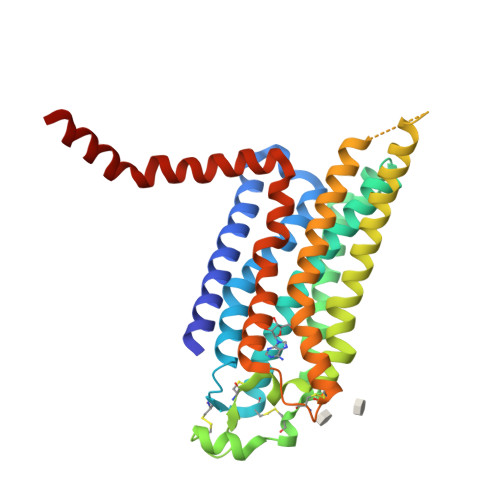
Adenosine receptor A2a structureClick to view 3D structureAdenosine receptor A2aP29274HumansPredicted (SEA)
Prediction Confidence Score
0.229
Applicability Domain
0.26 Low confidence
Statistical Significance
0.2295
Supporting Reference Compounds
303
E-value
1786.87
Adenosine receptor A3 structureClick to view 3D structureAdenosine receptor A3P0DMS8HumansPredicted (SEA)
Prediction Confidence Score
0.227
Applicability Domain
0.245 Low confidence
Statistical Significance
0.27
Supporting Reference Compounds
391
E-value
2102.32
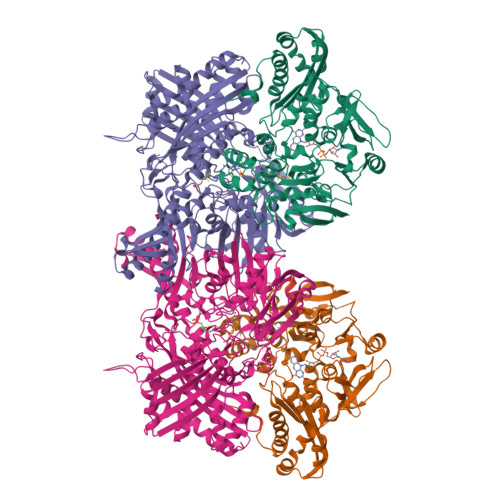
Xanthine dehydrogenase structureClick to view 3D structureXanthine dehydrogenaseO54050Rhodobacter capsulatusPredicted (SEA)
Prediction Confidence Score
0.224
Applicability Domain
0.224 Low confidence
Statistical Significance
3.50e-04
Supporting Reference Compounds
1
E-value
2.72472
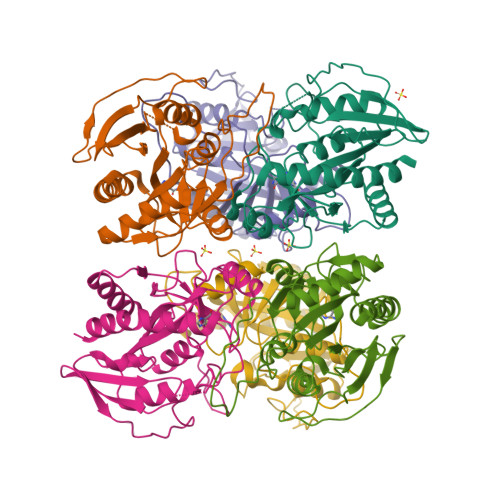
Purine nucleoside phosphorylase structureClick to view 3D structurePurine nucleoside phosphorylaseP00491HumansPredicted (SEA)
Prediction Confidence Score
0.221
Applicability Domain
0.226 Low confidence
Statistical Significance
0.0024
Supporting Reference Compounds
19
E-value
19.0731
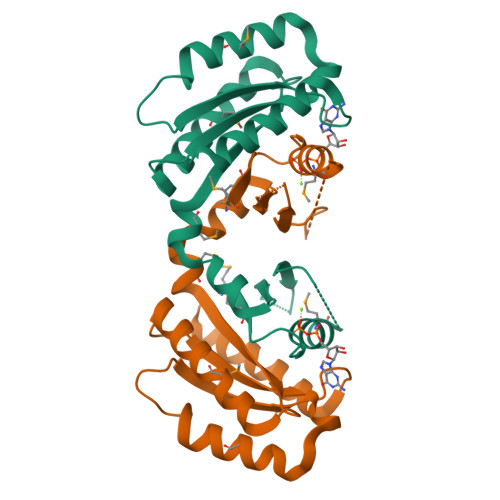
Guanine deaminase structureClick to view 3D structureGuanine deaminaseQ9Y2T3HumansPredicted (SEA)
Prediction Confidence Score
0.221
Applicability Domain
0.3
Statistical Significance
7.00e-05
Supporting Reference Compounds
3
E-value
0.544945
Queuine tRNA-ribosyltransferase catalytic subunit 1 structureClick to view 3D structureQueuine tRNA-ribosyltransferase catalytic subunit 1Q9BXR0HumansPredicted (SEA)
Prediction Confidence Score
0.219
Applicability Domain
0.219 Low confidence
Statistical Significance
0.0064
Supporting Reference Compounds
1
E-value
49.9014
S-methyl-5'-thioinosine phosphorylase structureClick to view 3D structureS-methyl-5'-thioinosine phosphorylaseQ9HZK1Pseudomonas aeruginosa (strain ATCC 15692 / DSM 22644 / CIP 104116 /JCM 14847 / LMG 12228 / 1C / PRS 101 / PAO1)Predicted (SEA)
Prediction Confidence Score
0.218
Applicability Domain
0.224 Low confidence
Statistical Significance
2.70e-04
Supporting Reference Compounds
4
E-value
2.10193
Click to view 3D structureAdenosine receptor A2bP29276Rattus norvegicusPredicted (SEA)
Prediction Confidence Score
0.218
Applicability Domain
0.255 Low confidence
Statistical Significance
0.0325
Supporting Reference Compounds
36
E-value
253.088
Serine/threonine-protein kinase Chk2 structureClick to view 3D structureSerine/threonine-protein kinase Chk2O96017HumansPredicted (SEA)
Prediction Confidence Score
0.217
Applicability Domain
0.421
Statistical Significance
0.5669
Supporting Reference Compounds
537
E-value
4413.04
Casein kinase II subunit alpha structureClick to view 3D structureCasein kinase II subunit alphaP68400HumansPredicted (SEA)
Prediction Confidence Score
0.217
Applicability Domain
0.325
Statistical Significance
0.5957
Supporting Reference Compounds
593
E-value
4637.17
3-phosphoinositide-dependent protein kinase 1 structureClick to view 3D structure3-phosphoinositide-dependent protein kinase 1O15530HumansPredicted (SEA)
Prediction Confidence Score
0.216
Applicability Domain
0.421
Statistical Significance
0.6114
Supporting Reference Compounds
591
E-value
4759.62
MAP/microtubule affinity-regulating kinase 3 structureClick to view 3D structureMAP/microtubule affinity-regulating kinase 3P27448HumansPredicted (SEA)
Prediction Confidence Score
0.216
Applicability Domain
0.421
Statistical Significance
0.6272
Supporting Reference Compounds
627
E-value
4883.09
Tyrosine-protein kinase ZAP-70 structureClick to view 3D structureTyrosine-protein kinase ZAP-70P43403HumansPredicted (SEA)
Prediction Confidence Score
0.215
Applicability Domain
0.421
Statistical Significance
0.3725
Supporting Reference Compounds
199
E-value
2899.73
Protein-tyrosine kinase 2-beta structureClick to view 3D structureProtein-tyrosine kinase 2-betaQ14289HumansPredicted (SEA)
Prediction Confidence Score
0.213
Applicability Domain
0.421
Statistical Significance
0.5687
Supporting Reference Compounds
414
E-value
4427.44
Dual specificity protein kinase CLK4 structureClick to view 3D structureDual specificity protein kinase CLK4Q9HAZ1HumansPredicted (SEA)
Prediction Confidence Score
0.213
Applicability Domain
0.244 Low confidence
Statistical Significance
0.6908
Supporting Reference Compounds
742
E-value
5378.21
Purine nucleoside phosphorylase structureClick to view 3D structurePurine nucleoside phosphorylaseQ8T9Z7Plasmodium falciparumPredicted (SEA)
Prediction Confidence Score
0.213
Applicability Domain
0.22 Low confidence
Statistical Significance
2.90e-04
Supporting Reference Compounds
7
E-value
2.25763
Concentrations
Not Available
External Links
DrugBank IDNot Available
HMDB IDNot Available
FooDB IDNot Available
Phenol Explorer IDNot Available
KNApSAcK IDNot Available
BiGG IDNot Available
BioCyc IDNot Available
METLIN IDNot Available
PDB IDNot Available
Wikipedia LinkNot Available
Chemspider IDNot Available
ChEBI IDNot Available
PubChem Compound ID74047
Kegg Compound IDNot Available
YMDB IDNot Available
ECMDB IDNot Available
References
Synthesis ReferenceNot Available
MSDSNot Available
General ReferencesNot Available