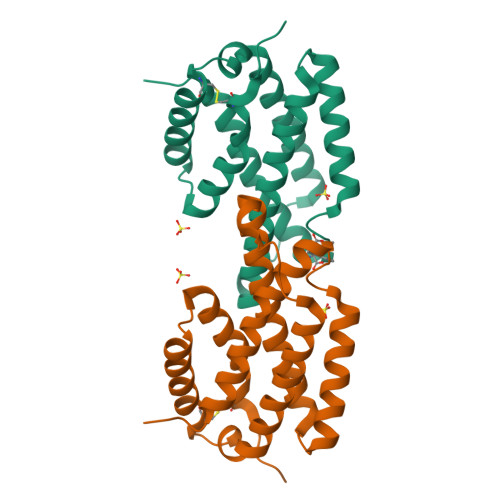
 Click to view 3D structure | Secreted chorismate mutase | P9WIB9 | Mycobacterium tuberculosis (strain ATCC 25618 / H37Rv) | Predicted (SEA) | - Prediction Confidence Score
- 0.456
- Applicability Domain
- 0.456
- Statistical Significance
- 1.00e-05
- Supporting Reference Compounds
- 1
- E-value
- 0.0778492
|
 Click to view 3D structure | Carbonic anhydrase 9 | Q16790 | Humans | Predicted (SEA) | - Prediction Confidence Score
- 0.408
- Applicability Domain
- 0.606
- Statistical Significance
- 0.0051
- Supporting Reference Compounds
- 372
- E-value
- 40.0145
|
 Click to view 3D structure | Carbonic anhydrase 2 | P00918 | Humans | Predicted (SEA) | - Prediction Confidence Score
- 0.408
- Applicability Domain
- 0.606
- Statistical Significance
- 0.0067
- Supporting Reference Compounds
- 472
- E-value
- 52.159
|
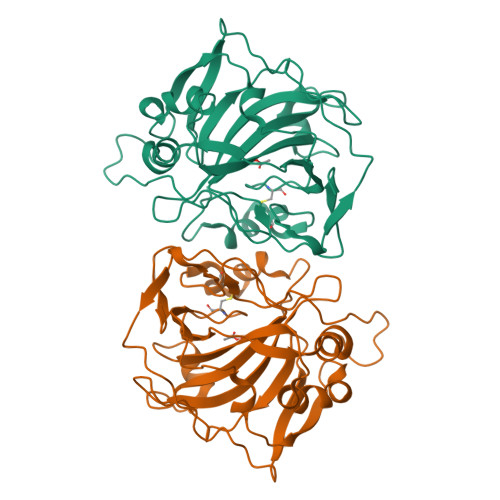 Click to view 3D structure | Carbonic anhydrase 12 | O43570 | Humans | Predicted (SEA) | - Prediction Confidence Score
- 0.408
- Applicability Domain
- 0.606
- Statistical Significance
- 0.005
- Supporting Reference Compounds
- 332
- E-value
- 39.0025
|
 Click to view 3D structure | Carbonic anhydrase 1 | P00915 | Humans | Predicted (SEA) | - Prediction Confidence Score
- 0.408
- Applicability Domain
- 0.606
- Statistical Significance
- 0.006
- Supporting Reference Compounds
- 407
- E-value
- 46.7874
|
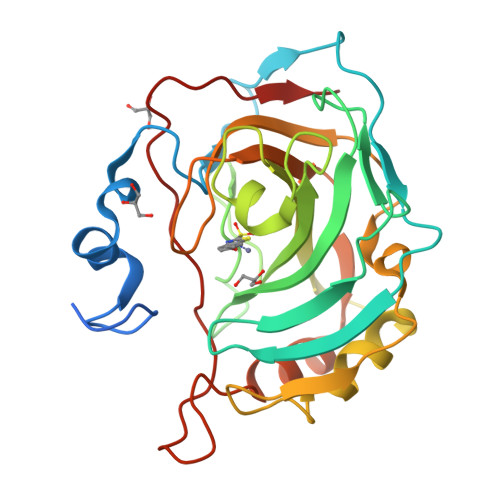 Click to view 3D structure | Carbonic anhydrase 7 | P43166 | Humans | Predicted (SEA) | - Prediction Confidence Score
- 0.407
- Applicability Domain
- 0.606
- Statistical Significance
- 0.0031
- Supporting Reference Compounds
- 242
- E-value
- 24.3668
|
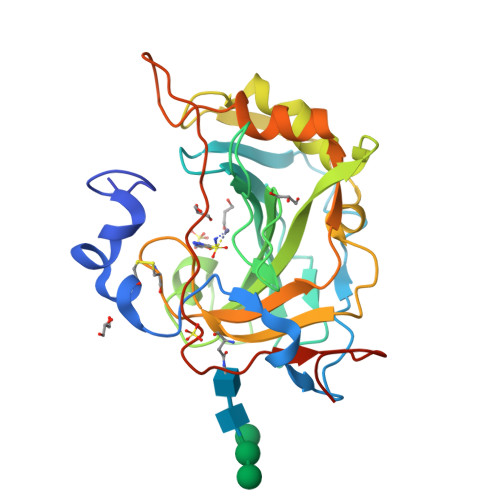 Click to view 3D structure | Carbonic anhydrase 14 | Q9ULX7 | Humans | Predicted (SEA) | - Prediction Confidence Score
- 0.407
- Applicability Domain
- 0.606
- Statistical Significance
- 0.0024
- Supporting Reference Compounds
- 172
- E-value
- 18.3724
|
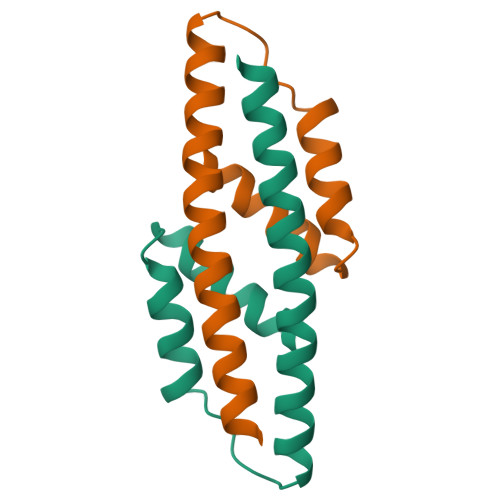 Click to view 3D structure | Intracellular chorismate mutase | P9WIC1 | Mycobacterium tuberculosis | Predicted (SEA) | - Prediction Confidence Score
- 0.379
- Applicability Domain
- 0.379
- Statistical Significance
- 2.00e-05
- Supporting Reference Compounds
- 1
- E-value
- 0.155698
|
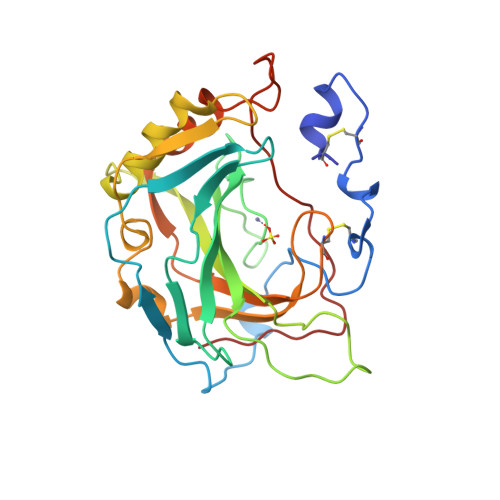 Click to view 3D structure | Carbonic anhydrase 4 | P22748 | Humans | Predicted (SEA) | - Prediction Confidence Score
- 0.372
- Applicability Domain
- 0.606
- Statistical Significance
- 0.0042
- Supporting Reference Compounds
- 193
- E-value
- 32.6188
|
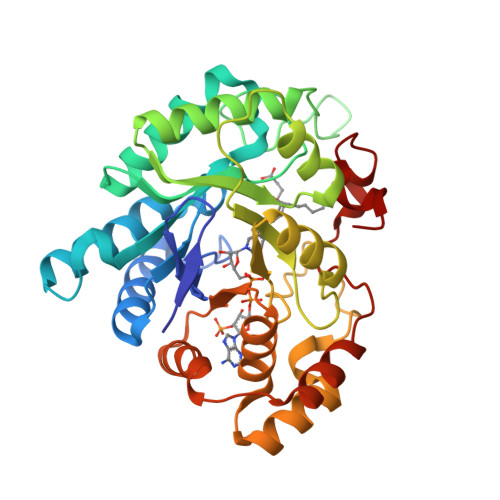 Click to view 3D structure | Aldo-keto reductase family 1 member C3 | P42330 | Humans | Predicted (SEA) | - Prediction Confidence Score
- 0.356
- Applicability Domain
- 0.469
- Statistical Significance
- 0.0016
- Supporting Reference Compounds
- 57
- E-value
- 12.2223
|
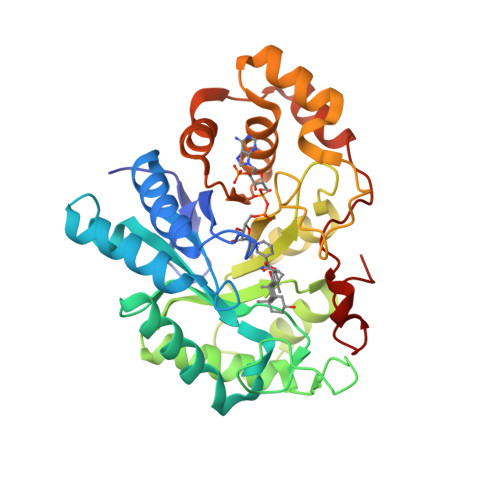 Click to view 3D structure | Aldo-keto reductase family 1 member C2 | P52895 | Humans | Predicted (SEA) | - Prediction Confidence Score
- 0.356
- Applicability Domain
- 0.469
- Statistical Significance
- 0.0014
- Supporting Reference Compounds
- 40
- E-value
- 10.5875
|
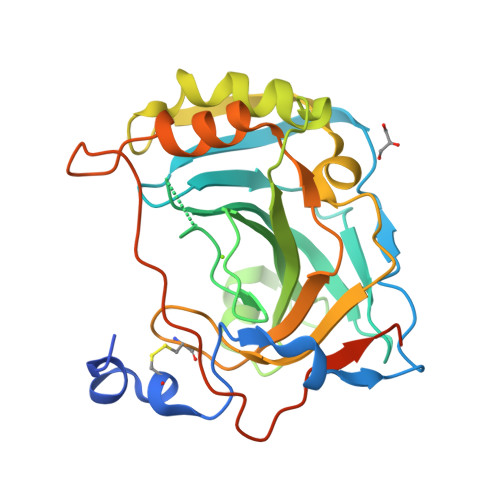 Click to view 3D structure | Carbonic anhydrase 6 | P23280 | Humans | Predicted (SEA) | - Prediction Confidence Score
- 0.349
- Applicability Domain
- 0.444
- Statistical Significance
- 0.0045
- Supporting Reference Compounds
- 151
- E-value
- 34.8764
|
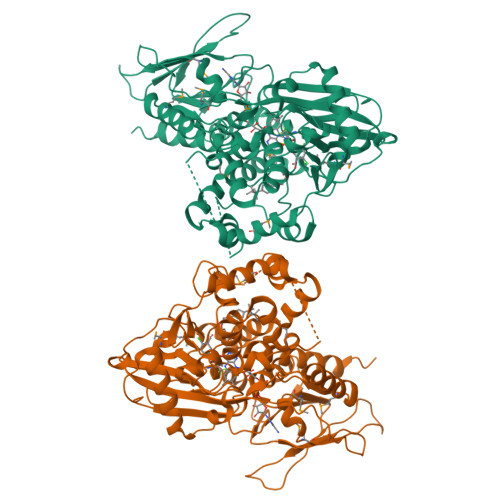 Click to view 3D structure | Protoporphyrinogen oxidase, mitochondrial | O24164 | Nicotiana tabacum | Predicted (SEA) | - Prediction Confidence Score
- 0.345
- Applicability Domain
- 0.345
- Statistical Significance
- 1.40e-04
- Supporting Reference Compounds
- 1
- E-value
- 1.08989
|
 Click to view 3D structure | Metabotropic glutamate receptor 4 | Q68EF4 | Mus musculus | Predicted (SEA) | - Prediction Confidence Score
- 0.339
- Applicability Domain
- 0.339
- Statistical Significance
- 1.20e-04
- Supporting Reference Compounds
- 1
- E-value
- 0.934191
|
| Click to view 3D structure | Carbonic anhydrase 5A, mitochondrial | P35218 | Humans | Predicted (SEA) | - Prediction Confidence Score
- 0.335
- Applicability Domain
- 0.444
- Statistical Significance
- 0.008
- Supporting Reference Compounds
- 165
- E-value
- 62.2015
|
| Click to view 3D structure | Heat shock factor protein 1 | P38532 | Mus musculus | Predicted (SEA) | - Prediction Confidence Score
- 0.322
- Applicability Domain
- 0.348
- Statistical Significance
- 0.0031
- Supporting Reference Compounds
- 166
- E-value
- 24.0554
|
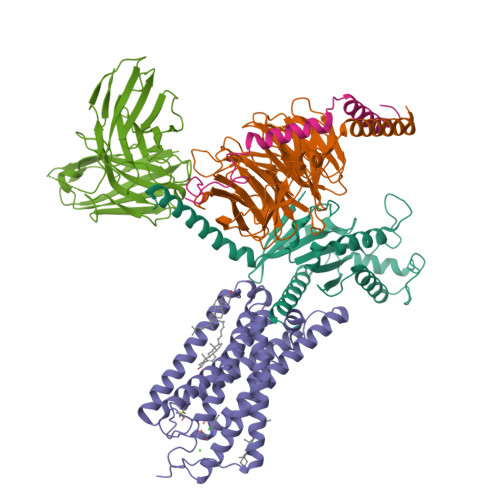 Click to view 3D structure | G-protein coupled receptor 35 | Q9HC97 | Humans | Predicted (SEA) | - Prediction Confidence Score
- 0.321
- Applicability Domain
- 0.4
- Statistical Significance
- 0.0017
- Supporting Reference Compounds
- 115
- E-value
- 13.0008
|
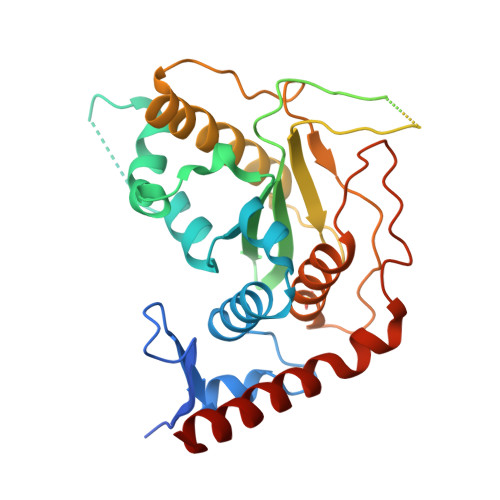 Click to view 3D structure | Sentrin-specific protease 7 | Q9BQF6 | Humans | Predicted (SEA) | - Prediction Confidence Score
- 0.32
- Applicability Domain
- 0.385
- Statistical Significance
- 0.0056
- Supporting Reference Compounds
- 118
- E-value
- 43.7513
|
 Click to view 3D structure | Fatty acid synthase | P49327 | Humans | Predicted (SEA) | - Prediction Confidence Score
- 0.32
- Applicability Domain
- 0.34
- Statistical Significance
- 0.0022
- Supporting Reference Compounds
- 117
- E-value
- 17.3604
|
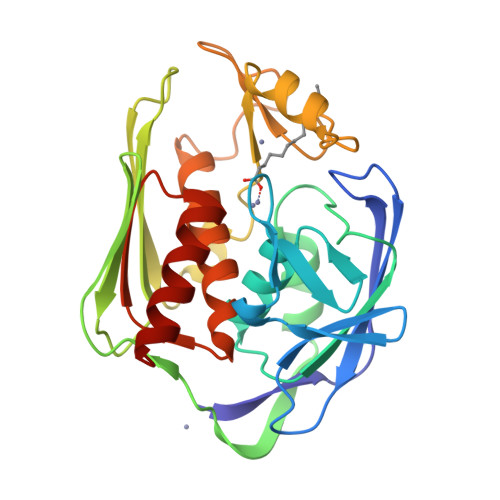 Click to view 3D structure | UDP-3-O-acyl-N-acetylglucosamine deacetylase | O67648 | Aquifex aeolicus (strain VF5) | Predicted (SEA) | - Prediction Confidence Score
- 0.318
- Applicability Domain
- 0.318
- Statistical Significance
- 0.0031
- Supporting Reference Compounds
- 1
- E-value
- 24.2111
|
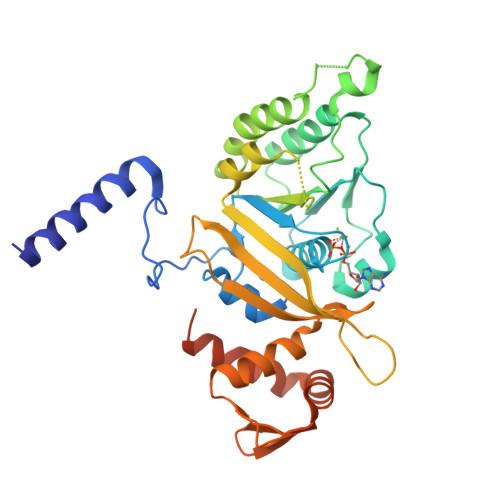 Click to view 3D structure | Protein RecA | P9WHJ3 | Mycobacterium tuberculosis | Predicted (SEA) | - Prediction Confidence Score
- 0.317
- Applicability Domain
- 0.385
- Statistical Significance
- 0.0059
- Supporting Reference Compounds
- 296
- E-value
- 45.6975
|
 Click to view 3D structure | Epidermal growth factor receptor | P00533 | Humans | Predicted (SEA) | - Prediction Confidence Score
- 0.316
- Applicability Domain
- 0.348
- Statistical Significance
- 0.0974
- Supporting Reference Compounds
- 1301
- E-value
- 758.096
|
 Click to view 3D structure | Catechol O-methyltransferase | P22734 | Rattus norvegicus | Predicted (SEA) | - Prediction Confidence Score
- 0.314
- Applicability Domain
- 0.4
- Statistical Significance
- 5.20e-04
- Supporting Reference Compounds
- 15
- E-value
- 4.04816
|
 Click to view 3D structure | Prostaglandin G/H synthase 2 | P35354 | Humans | Predicted (SEA) | - Prediction Confidence Score
- 0.314
- Applicability Domain
- 0.386
- Statistical Significance
- 0.0117
- Supporting Reference Compounds
- 201
- E-value
- 91.3171
|
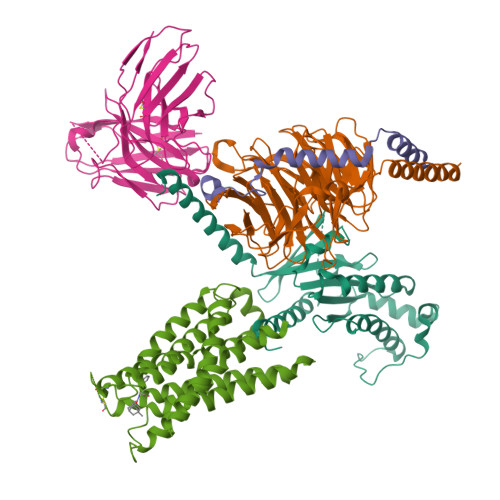 Click to view 3D structure | Mas-related G-protein coupled receptor member X4 | Q96LA9 | Humans | Predicted (SEA) | - Prediction Confidence Score
- 0.311
- Applicability Domain
- 0.37
- Statistical Significance
- 0.0024
- Supporting Reference Compounds
- 7
- E-value
- 18.606
|

