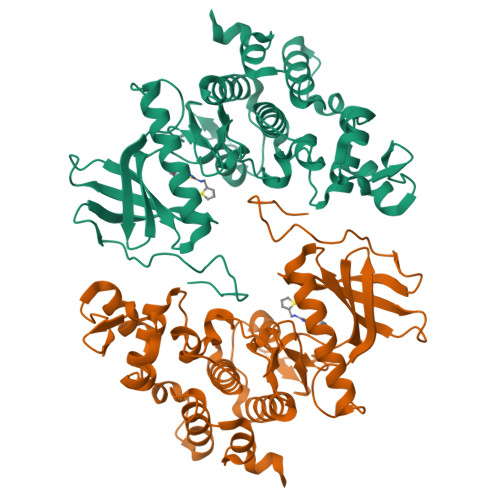
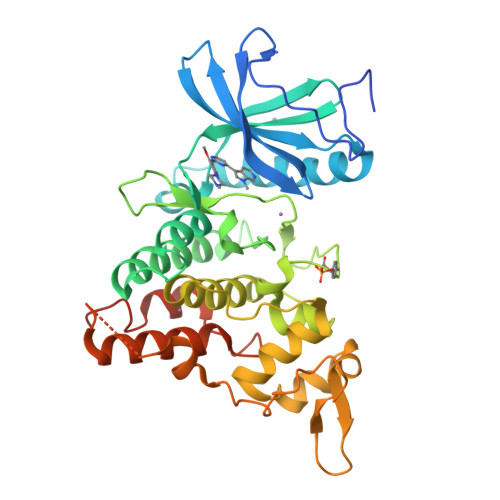
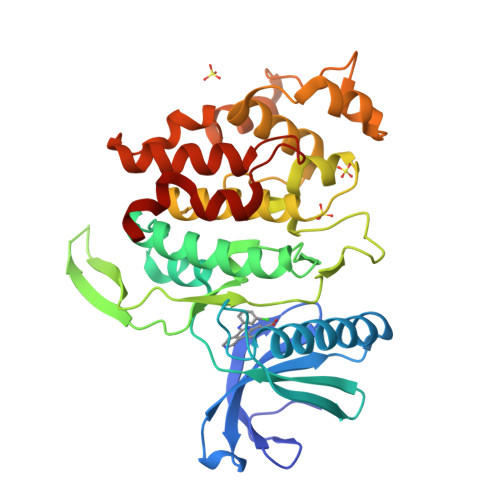
Phenol, 4,4'-(1-methylethylidene)bis[2-(2-propenyl)- (CED0026114)

Record Information
Version1.0
Creation Date2026-03-26 20:12:14 UTC
Update Date2026-08-21 19:05:44 UTC
SynCED IDCED0026114
Secondary Accession Numbers
  • CHEM056310
Identification
Common NamePhenol, 4,4'-(1-methylethylidene)bis[2-(2-propenyl)-
ClassSmall Molecule
Description
Phenol, 4,4'-(1-methylethylidene)bis[2-(2-propenyl)- is an organic compound with the formula C21H24O2 and an average molecular weight of 308.42 g/mol. Phenol, 4,4'-(1-methylethylidene)bis[2-(2-propenyl)- belongs to the diphenylmethanes, a subclass of benzene and substituted derivatives within the organic compounds. This substance is found in or released from six recorded sources. These sources include electrical and electronic equipment, specifically antennas, coils, electric switches, selectors, and communication cables or conductors. Additionally, the compound is associated with plastics, where it is unspecified in polycarbonate.
Contaminant Type
  • Phenolic Antioxidant
Chemical Structure
SynonymsNot Available
Chemical FormulaC21H24O2
Average Molecular Mass308.421 g/mol
Monoisotopic Mass308.178 g/mol
CAS Registry Number1745-89-7;108728-02-5;130785-52-3;138686-84-7;198228-00-1;72063-12-8
IUPAC NameNot Available
Traditional NameNot Available
SMILESCC(C)(C1=CC(CC=C)=C(O)C=C1)C1=CC=C(O)C(CC=C)=C1
InChI IdentifierInChI=1S/C21H24O2/c1-5-7-15-13-17(9-11-19(15)22)21(3,4)18-10-12-20(23)16(14-18)8-6-2/h5-6,9-14,22-23H,1-2,7-8H2,3-4H3
InChI KeyWOCGGVRGNIEDSZ-UHFFFAOYSA-N
Chemical Taxonomy
Description Belongs to the class of organic compounds known as bisphenols. These are methylenediphenols, HOC6H4CH2C6H4OH, commonly p,p-methylenediphenol, and their substitution products (generally derived from condensation of two equivalent amounts of a phenol with an aldehyde or ketone).
KingdomOrganic compounds
Super ClassBenzenoids
ClassBenzene and substituted derivatives
Sub ClassDiphenylmethanes
Direct ParentBisphenols
Alternative Parents
Substituents
  • Bisphenol
  • Phenylpropane
  • 1-hydroxy-2-unsubstituted benzenoid
  • Phenol
  • Organic oxygen compound
  • Hydrocarbon derivative
  • Organooxygen compound
  • Aromatic homomonocyclic compound
Molecular FrameworkAromatic homomonocyclic compounds
External DescriptorsNot Available
Biological Properties
StatusDetected and Not Quantified
OriginNot Available
Cellular LocationsNot Available
Biofluid LocationsNot Available
Tissue LocationsNot Available
ApplicationsNot Available
Biological RolesNot Available
Chemical RolesNot Available
Organoleptic EffectsNot Available
Physical Properties
StateNot Available
AppearanceNot Available
Experimental Properties
PropertyValue
Melting PointNot Available
Boiling PointNot Available
SolubilityNot Available
Predicted PropertiesNot Available
Spectra
SpectraNot Available
Toxicity Profile
Toxicity Values
Toxicity ValueOrganismDose DescriptorRoute of ExposurePredicted or ExperimentalToxicity RatingReference
2211.0 Log mg/kg [1200:3900]RatLD50oralpredictedNot AvailableNot Available
Toxicity / Toxin ClassNot Available
Mechanism of ToxicityNot Available
Carcinogenicity (IARC Classification)Not Available
Minimum Risk LevelNot Available
SymptomsNot Available
TreatmentNot Available
Health Effects
Health EffectRelationshipDirectionDescriptionReference
Exposure Sources
Source IDSourceSectorReference
CEDs000491Industrial manufacturing & chemical processingNot Available
CEDs000506Antennas?Antennas, commonly used in communication technologies, can be a source of synthetic chemical contamination through the materials and coatings used in their construction.Electrical & Electronic EquipmentPubChem
CEDs000508Coils?Coils are components used in various electrical and electronic applications, such as transformers, inductors, and motors.Electrical & Electronic EquipmentPubChem
CEDs000510Communication Cables Or Conductors?Communication cables or conductors are essential components in the transmission of data and signals in various applications, including telecommunications and networking.Electrical & Electronic EquipmentPubChem
CEDs000511Conductors Or Conductive Bodies Characterised By The Conductive Materials?Conductors, or conductive bodies, are materials that allow the flow of electrical current, typically made from metals such as copper, aluminum, or silver.Electrical & Electronic EquipmentPubChem
CEDs000517Electric Switches?Electric switches, integral components in numerous devices, can be a source of synthetic chemical contamination due to the materials and manufacturing processes involved in their production.Electrical & Electronic EquipmentPubChem
CEDs000519Electrodes?Electrodes, used in various electrical and electronic applications, can be a source of synthetic chemical contamination due to the materials from which they are constructed and the processes involved in their manufacturing.Electrical & Electronic EquipmentPubChem
CEDs000521Fixed Capacitors And Their Manufacture?Fixed capacitors are passive electronic components used to store and release electrical energy, playing a critical role in various circuits.Electrical & Electronic EquipmentPubChem
CEDs000532Selectors?Selectors are components used in various electronic devices to control the flow of electrical signals.Electrical & Electronic EquipmentPubChem
CEDs000535Superconducting Magnets And Superconducting Coils?Superconducting magnets and coils are utilized in various applications that require strong magnetic fields, such as magnetic resonance imaging (MRI) and particle accelerators.Electrical & Electronic EquipmentPubChem
CEDs000632Apparel?Apparel production often involves the use of various synthetic chemicals, including dyes, finishing agents, and preservatives.Textiles, leather & furnishingsPubChem
CEDs000659Transfer Printing?Transfer printing is a process used to apply designs and patterns onto various substrates, commonly utilizing synthetic dyes and inks that can contain hazardous chemicals.Textiles, leather & furnishingsPubChem
CEDs000662Yarns Or Threads?Yarns or threads used in textiles can be a source of synthetic chemical contamination due to the production processes and treatments they undergo.Textiles, leather & furnishingsPubChem
CEDs000671Airplanes And Helicopters?Airplanes and helicopters are significant sources of synthetic chemical contamination primarily through the use of aviation fuels, lubricants, and de-icing agents.Aviation & AerospacePubChem
CEDs000685Ceramics?Ceramics can be a source of synthetic chemical contamination through various additives and processing agents used in their production.Building & ConstructionPubChem
CEDs000688Glass Coatings?Glass coatings are synthetic chemical formulations applied to glass surfaces to enhance properties such as durability, UV resistance, and aesthetic appeal.Building & ConstructionPubChem
CEDs000696Nanotechnology?Nanotechnology involves the manipulation of materials at the molecular or atomic level, typically within the range of 1 to 100 nanometers.Industrial manufacturing & chemical processingPubChem
CEDs000727Printing Machines Or Presses?Printing machines or presses commonly utilize synthetic chemicals such as inks, solvents, and cleaning agents.Paper, pulp & fiber productsPubChem
CEDs000739Inks?Inks are complex mixtures composed of pigments or dyes, solvents, resins, and additives used primarily for printing and writing applications.Paper, pulp & fiber productsPubChem
CEDs000740Paper?Paper production involves the processing of wood fibers and the use of various chemicals, which can lead to synthetic chemical contamination.Paper, pulp & fiber productsPubChem
CEDs000741Pigment Pastes?Pigment pastes are concentrated dispersions of pigments used to impart color and properties to materials.Paper, pulp & fiber productsPubChem
CEDs000744Water, Wastewater, & Sewage Treatment?Water, wastewater, and sewage treatment processes are critical for managing and mitigating pollutants in water systems.Wastewater, sanitation & biosolidsPubChem
Pathways
0 pathwaysPathway Source: PathBank

No pathways found

No metabolic pathways have been associated with this synthetic chemical

Targets
StructureProteinUniProt IDOrganismRelationshipDetails
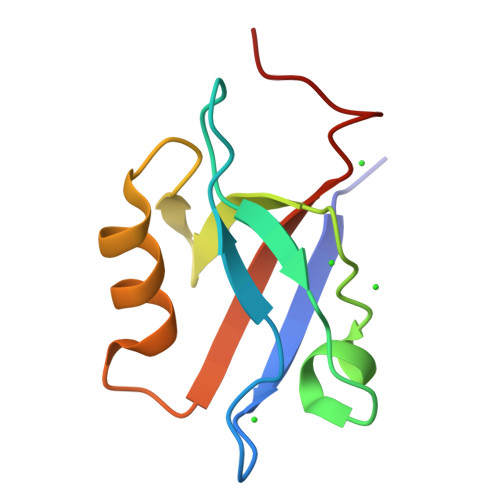
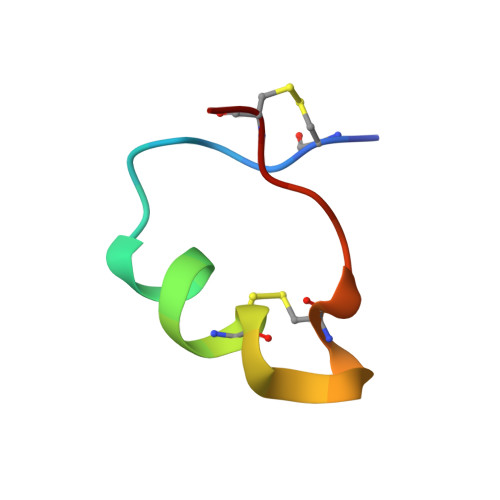
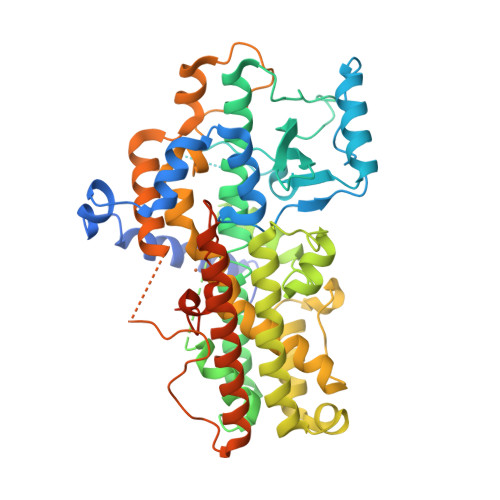
Click to view 3D structureSarcoplasmic/endoplasmic reticulum calcium ATPase 2P11507Rattus norvegicusPredicted (SEA)
Prediction Confidence Score
0.375
Applicability Domain
0.375
Statistical Significance
5.00e-05
Supporting Reference Compounds
1
E-value
0.389246
Cannabinoid receptor 2 structureClick to view 3D structureCannabinoid receptor 2P34972HumansPredicted (SEA)
Prediction Confidence Score
0.359
Applicability Domain
0.475
Statistical Significance
0.0046
Supporting Reference Compounds
175
E-value
35.9663
Polyunsaturated fatty acid 5-lipoxygenase structureClick to view 3D structurePolyunsaturated fatty acid 5-lipoxygenaseP09917HumansPredicted (SEA)
Prediction Confidence Score
0.333
Applicability Domain
0.475
Statistical Significance
0.0065
Supporting Reference Compounds
182
E-value
50.8355
Click to view 3D structureProstaglandin G/H synthase 2P79208Ovis ariesPredicted (SEA)
Prediction Confidence Score
0.33
Applicability Domain
0.475
Statistical Significance
0.001
Supporting Reference Compounds
50
E-value
8.09632
Prostaglandin G/H synthase 1 structureClick to view 3D structureProstaglandin G/H synthase 1P05979Ovis ariesPredicted (SEA)
Prediction Confidence Score
0.321
Applicability Domain
0.475
Statistical Significance
0.0036
Supporting Reference Compounds
106
E-value
28.3371
Cannabinoid receptor 1 structureClick to view 3D structureCannabinoid receptor 1P21554HumansPredicted (SEA)
Prediction Confidence Score
0.305
Applicability Domain
0.475
Statistical Significance
0.0156
Supporting Reference Compounds
200
E-value
121.523
Polyunsaturated fatty acid lipoxygenase ALOX15 structureClick to view 3D structurePolyunsaturated fatty acid lipoxygenase ALOX15P12530Oryctolagus cuniculusPredicted (SEA)
Prediction Confidence Score
0.273
Applicability Domain
0.375
Statistical Significance
0.0032
Supporting Reference Compounds
47
E-value
24.7561
Sarcoplasmic/endoplasmic reticulum calcium ATPase 1 structureClick to view 3D structureSarcoplasmic/endoplasmic reticulum calcium ATPase 1P04191Oryctolagus cuniculusPredicted (SEA)
Prediction Confidence Score
0.267
Applicability Domain
0.375
Statistical Significance
2.00e-04
Supporting Reference Compounds
15
E-value
1.55698
Click to view 3D structurePolyunsaturated fatty acid lipoxygenase ALOX15P16050HumansPredicted (SEA)
Prediction Confidence Score
0.253
Applicability Domain
0.306
Statistical Significance
0.0067
Supporting Reference Compounds
46
E-value
52.3147
Beta-2 adrenergic receptor structureClick to view 3D structureBeta-2 adrenergic receptorP07550HumansPredicted (SEA)
Prediction Confidence Score
0.246
Applicability Domain
0.298 Low confidence
Statistical Significance
0.1085
Supporting Reference Compounds
258
E-value
844.508
Beta-1 adrenergic receptor structureClick to view 3D structureBeta-1 adrenergic receptorP08588HumansPredicted (SEA)
Prediction Confidence Score
0.246
Applicability Domain
0.298 Low confidence
Statistical Significance
0.0724
Supporting Reference Compounds
180
E-value
563.551
Estrogen receptor beta structureClick to view 3D structureEstrogen receptor betaQ92731HumansPredicted (SEA)
Prediction Confidence Score
0.245
Applicability Domain
0.375
Statistical Significance
0.0688
Supporting Reference Compounds
174
E-value
535.447
Androgen receptor structureClick to view 3D structureAndrogen receptorP10275HumansPredicted (SEA)
Prediction Confidence Score
0.243
Applicability Domain
0.375
Statistical Significance
0.0472
Supporting Reference Compounds
146
E-value
367.137
Polyunsaturated fatty acid lipoxygenase ALOX12 structureClick to view 3D structurePolyunsaturated fatty acid lipoxygenase ALOX12P18054HumansPredicted (SEA)
Prediction Confidence Score
0.243
Applicability Domain
0.306
Statistical Significance
0.0069
Supporting Reference Compounds
31
E-value
54.0274
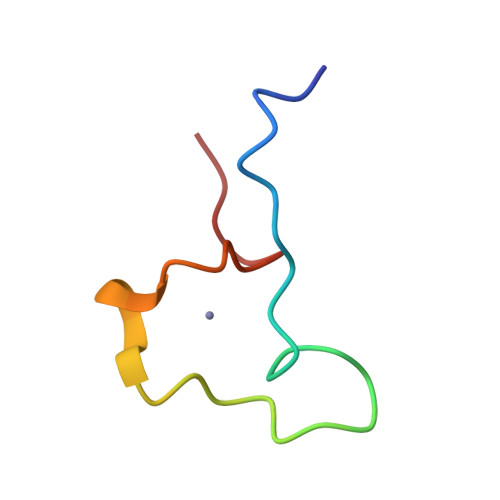
Zinc finger protein mex-5 structureClick to view 3D structureZinc finger protein mex-5Q9XUB2Caenorhabditis elegansPredicted (SEA)
Prediction Confidence Score
0.243
Applicability Domain
0.297 Low confidence
Statistical Significance
0.0128
Supporting Reference Compounds
88
E-value
99.5692
High affinity choline transporter 1 structureClick to view 3D structureHigh affinity choline transporter 1Q9GZV3HumansPredicted (SEA)
Prediction Confidence Score
0.242
Applicability Domain
0.417
Statistical Significance
0.0257
Supporting Reference Compounds
75
E-value
200.384
Click to view 3D structureBeta-2 adrenergic receptorQ8K4Z4Cavia porcellusPredicted (SEA)
Prediction Confidence Score
0.24
Applicability Domain
0.298 Low confidence
Statistical Significance
0.0104
Supporting Reference Compounds
48
E-value
81.3524
Click to view 3D structureBeta-2 adrenergic receptorQ28044Bos taurusPredicted (SEA)
Prediction Confidence Score
0.24
Applicability Domain
0.298 Low confidence
Statistical Significance
0.0023
Supporting Reference Compounds
16
E-value
18.2167
Glycogen synthase kinase-3 beta structureClick to view 3D structureGlycogen synthase kinase-3 betaP49841HumansPredicted (SEA)
Prediction Confidence Score
0.24
Applicability Domain
0.375
Statistical Significance
0.5093
Supporting Reference Compounds
1157
E-value
3964.71
Dual specificity tyrosine-phosphorylation-regulated kinase 1A structureClick to view 3D structureDual specificity tyrosine-phosphorylation-regulated kinase 1AQ13627HumansPredicted (SEA)
Prediction Confidence Score
0.239
Applicability Domain
0.375
Statistical Significance
0.4483
Supporting Reference Compounds
906
E-value
3489.67
Dual specificity protein kinase CLK2 structureClick to view 3D structureDual specificity protein kinase CLK2P49760HumansPredicted (SEA)
Prediction Confidence Score
0.237
Applicability Domain
0.375
Statistical Significance
0.4336
Supporting Reference Compounds
727
E-value
3375.46
Nuclear receptor ROR-gamma structureClick to view 3D structureNuclear receptor ROR-gammaP51449HumansPredicted (SEA)
Prediction Confidence Score
0.236
Applicability Domain
0.375
Statistical Significance
0.0488
Supporting Reference Compounds
102
E-value
379.982
Click to view 3D structureNeuraminidaseB4URF0Influenza A virusPredicted (SEA)
Prediction Confidence Score
0.236
Applicability Domain
0.475
Statistical Significance
0.004
Supporting Reference Compounds
42
E-value
31.1397
Dual specificity tyrosine-phosphorylation-regulated kinase 1B structureClick to view 3D structureDual specificity tyrosine-phosphorylation-regulated kinase 1BQ9Y463HumansPredicted (SEA)
Prediction Confidence Score
0.234
Applicability Domain
0.375
Statistical Significance
0.3104
Supporting Reference Compounds
377
E-value
2416.36
Dual specificity protein kinase CLK4 structureClick to view 3D structureDual specificity protein kinase CLK4Q9HAZ1HumansPredicted (SEA)
Prediction Confidence Score
0.234
Applicability Domain
0.375
Statistical Significance
0.4639
Supporting Reference Compounds
742
E-value
3611.35
Concentrations
Not Available
External Links
DrugBank IDNot Available
HMDB IDNot Available
FooDB IDNot Available
Phenol Explorer IDNot Available
KNApSAcK IDNot Available
BiGG IDNot Available
BioCyc IDNot Available
METLIN IDNot Available
PDB IDNot Available
Wikipedia LinkNot Available
Chemspider IDNot Available
ChEBI IDNot Available
PubChem Compound ID74457
Kegg Compound IDNot Available
YMDB IDNot Available
ECMDB IDNot Available
References
Synthesis ReferenceNot Available
MSDSNot Available
General ReferencesNot Available