Promexal (CED0125556)

Record Information
Version1.0
Creation Date2026-03-31 17:37:21 UTC
Update Date2026-08-24 10:13:48 UTC
SynCED IDCED0125556
Secondary Accession Numbers
  • CHEM057191
Identification
Common NamePromexal
ClassSmall Molecule
Description
Promexal belongs to the thiazoles, a subclass of azoles within the organic compounds. It is an organoheterocyclic compound with the formula C7H9N1O1S1 and an average molecular weight of 155.22 g/mol.
Contaminant TypeNot Available
Chemical Structure
SynonymsNot Available
Chemical FormulaC7H9N1O1S1
Average Molecular Mass155.220 g/mol
Monoisotopic Mass155.040 g/mol
CAS Registry Number82633-79-2
IUPAC NameNot Available
Traditional NameNot Available
SMILESCN1SC2=C(CCC2)C1=O
InChI IdentifierInChI=1S/C7H9NOS/c1-8-7(9)5-3-2-4-6(5)10-8/h2-4H2,1H3
InChI KeyPZOGAKOZVSTZSO-UHFFFAOYSA-N
Chemical Taxonomy
ClassificationNot classified
Biological Properties
StatusDetected and Not Quantified
OriginNot Available
Cellular LocationsNot Available
Biofluid LocationsNot Available
Tissue LocationsNot Available
ApplicationsNot Available
Biological RolesNot Available
Chemical RolesNot Available
Organoleptic EffectsNot Available
Physical Properties
StateNot Available
AppearanceNot Available
Experimental Properties
PropertyValue
Melting PointNot Available
Boiling PointNot Available
SolubilityNot Available
Predicted PropertiesNot Available
Spectra
SpectraNot Available
Toxicity Profile
Toxicity Values
Toxicity ValueOrganismDose DescriptorRoute of ExposurePredicted or ExperimentalToxicity RatingReference
673.0 Log mg/kg [380:1200]RatLD50oralpredictedNot AvailableNot Available
Toxicity / Toxin ClassNot Available
Mechanism of ToxicityNot Available
Carcinogenicity (IARC Classification)Not Available
Minimum Risk LevelNot Available
SymptomsNot Available
TreatmentNot Available
Health Effects
Health EffectRelationshipDirectionDescriptionReference
Exposure Sources
Source IDSourceSectorReference
CEDs000010Insecticides?Insecticides are synthetic chemicals designed to control or eliminate insect pests that threaten crops and other agricultural products.Agriculture & land managementPubChem
CEDs000181Ballast water?Ballast water, taken on by ships to maintain stability and balance, often contains a diverse array of microorganisms, including bacteria, viruses, and plankton.Marine, shipping & aquaculturePubChem
CEDs000182Bilge water?Bilge water is a byproduct generated from the accumulation of water in the lowest part of a ship's hull, which may include a mixture of seawater, oil, fuel residues, and various contaminants.Marine, shipping & aquaculturePubChem
CEDs000511Conductors Or Conductive Bodies Characterised By The Conductive Materials?Conductors, or conductive bodies, are materials that allow the flow of electrical current, typically made from metals such as copper, aluminum, or silver.Electrical & Electronic EquipmentPubChem
CEDs000519Electrodes?Electrodes, used in various electrical and electronic applications, can be a source of synthetic chemical contamination due to the materials from which they are constructed and the processes involved in their manufacturing.Electrical & Electronic EquipmentPubChem
CEDs000524Hybrid Capacitors?Hybrid capacitors are energy storage devices that combine the properties of electrolytic and supercapacitors, utilizing a combination of electrochemical principles to achieve higher energy density and power density.Electrical & Electronic EquipmentPubChem
CEDs000545Food Preservation?Food preservation often involves the use of synthetic chemicals, such as preservatives, flavor enhancers, and color additives, to extend shelf life and enhance the sensory qualities of food products.Food, food processing & cookwarePubChem
CEDs000555Bleaching Agents?Bleaching agents are chemical substances used to whiten or lighten materials, often employed in various cleaning products for their stain removal and disinfecting properties.Household cleaning & consumer productsPubChem
CEDs000561Perfumes Within Detergents And Soaps?Perfumes within detergents and soaps are synthetic fragrance compounds added to enhance the sensory experience of cleaning products.Household cleaning & consumer productsPubChem
CEDs000596Acaricides?Acaricides are synthetic chemicals specifically designed to target and control mite populations that can damage crops and plants.Agriculture & land managementPubChem
CEDs000597Chemosterilants?Chemosterilants are synthetic chemicals designed to induce sterility in target pest populations, thereby controlling their reproduction and mitigating damage to crops.Agriculture & land managementPubChem
CEDs000600Herbicides And Algicides?Herbicides and algicides are synthetic chemicals primarily used to control unwanted plants and algae in various environments.Agriculture & land managementPubChem
CEDs000602Molluscicides?Molluscicides are synthetic chemicals specifically designed to control and eliminate mollusks, such as snails and slugs, which can be detrimental to crops and agricultural productivity.Agriculture & land managementPubChem
CEDs000603Nematocides?Nematocides are synthetic chemicals specifically designed to control nematodes, which are microscopic roundworms that can cause significant damage to crops and plants.Agriculture & land managementPubChem
CEDs000604Pest Attractants?Pest attractants are synthetic chemicals designed to lure specific pests for monitoring or control purposes.Agriculture & land managementPubChem
CEDs000605Pest Repellants?Pest repellents, often formulated from synthetic chemicals, are widely used to protect crops from insect infestations and other pests.Agriculture & land managementPubChem
CEDs000606Plant Growth Regulators?Plant Growth Regulators (PGRs) are synthetic chemicals designed to influence the growth and development of plants.Agriculture & land managementPubChem
CEDs000607Rodenticides(1)?Rodenticides are synthetic chemicals specifically formulated to control rodent populations, serving as a crucial tool in managing pests that can damage crops and spread diseases.Agriculture & land managementPubChem
CEDs000608Rodenticides?Rodenticides are chemical substances specifically designed to control rodent populations by causing death through various mechanisms, including anticoagulation or neurotoxicity.Agriculture & land managementPubChem
CEDs000611Anti Perspirants Or Body Deoderants?Antiperspirants and body deodorants commonly contain synthetic chemicals such as aluminum compounds, parabens, and synthetic fragrances.Personal care & cosmeticsPubChem
CEDs000612Body Washing Or Cleaning Implements?Body washing or cleaning implements, such as synthetic sponges, loofahs, and washcloths, can be sources of synthetic chemical contamination due to the materials used in their production.Personal care & cosmeticsPubChem
CEDs000614Essential Oils Or Perfumes?Essential oils and perfumes are complex mixtures of volatile compounds derived from natural or synthetic sources, commonly used for their aromatic properties.Personal care & cosmeticsPubChem
CEDs000630Toys?Toys, particularly those made from synthetic materials such as plastics, can be a source of chemical contamination due to the presence of various additives and compounds used in their production.Recreation & sports surfacesPubChem
CEDs000632Apparel?Apparel production often involves the use of various synthetic chemicals, including dyes, finishing agents, and preservatives.Textiles, leather & furnishingsPubChem
CEDs000678Nitrogenous Fertilisers?Nitrogenous fertilizers are synthetic chemical compounds primarily used to enhance plant growth by supplying essential nitrogen, a crucial nutrient for photosynthesis and protein synthesis.Agriculture & land managementPubChem
CEDs000679Phosphatic Fertilisers?Phosphatic fertilizers are synthetic chemical products primarily composed of phosphorus, which is essential for plant growth.Agriculture & land managementPubChem
CEDs000688Glass Coatings?Glass coatings are synthetic chemical formulations applied to glass surfaces to enhance properties such as durability, UV resistance, and aesthetic appeal.Building & ConstructionPubChem
CEDs000696Nanotechnology?Nanotechnology involves the manipulation of materials at the molecular or atomic level, typically within the range of 1 to 100 nanometers.Industrial manufacturing & chemical processingPubChem
CEDs000717Fountain Pens?Fountain pens utilize a liquid ink that often contains synthetic chemicals, including dyes, pigments, and solvents, which can contribute to environmental contamination.Paper, pulp & fiber productsPubChem
CEDs000720Ink Reservoir Pens2?Ink reservoir pens are writing instruments that utilize a reservoir to store ink, which is often composed of synthetic dyes, solvents, and additives.Paper, pulp & fiber productsPubChem
CEDs000734Coating Compositions?Coating compositions, which include paints, sealants, and varnishes, are formulated with a variety of synthetic chemicals such as solvents, resins, pigments, and additives.Building & ConstructionPubChem
CEDs000738Cooling Circuit Water?Cooling circuit water is utilized in various industrial processes to absorb and dissipate heat generated during operations.Industrial manufacturing & chemical processingPubChem
CEDs000739Inks?Inks are complex mixtures composed of pigments or dyes, solvents, resins, and additives used primarily for printing and writing applications.Paper, pulp & fiber productsPubChem
CEDs000740Paper?Paper production involves the processing of wood fibers and the use of various chemicals, which can lead to synthetic chemical contamination.Paper, pulp & fiber productsPubChem
CEDs000744Water, Wastewater, & Sewage Treatment?Water, wastewater, and sewage treatment processes are critical for managing and mitigating pollutants in water systems.Wastewater, sanitation & biosolidsPubChem
Pathways
0 pathwaysPathway Source: PathBank

No pathways found

No metabolic pathways have been associated with this synthetic chemical

Targets
StructureProteinUniProt IDOrganismRelationshipDetails
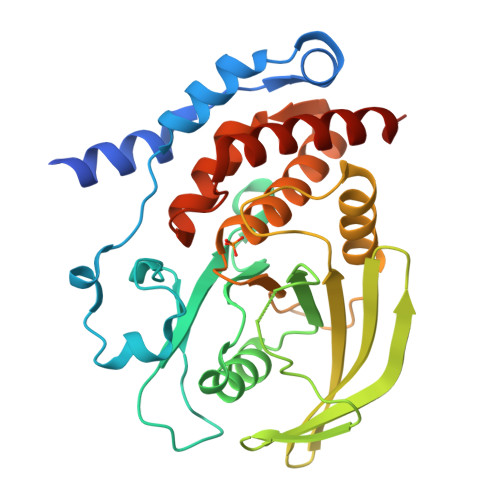
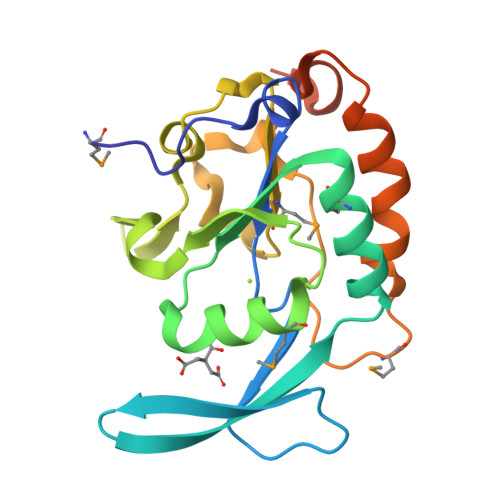
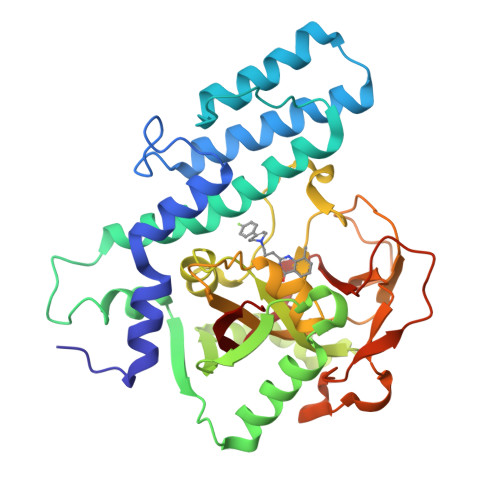
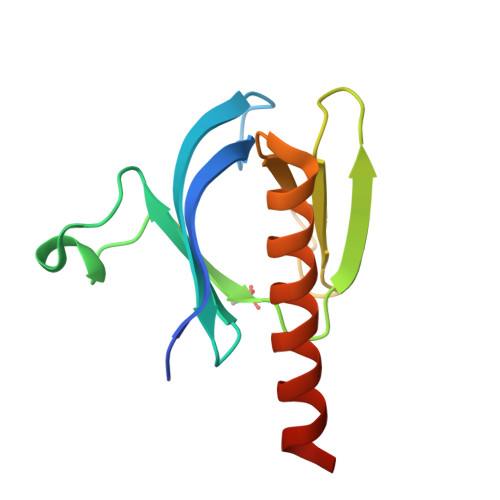
Bile salt-activated lipase structureClick to view 3D structureBile salt-activated lipaseP30122Bos taurusPredicted (SEA)
Prediction Confidence Score
0.253
Applicability Domain
0.261 Low confidence
Statistical Significance
4.50e-04
Supporting Reference Compounds
2
E-value
3.50322
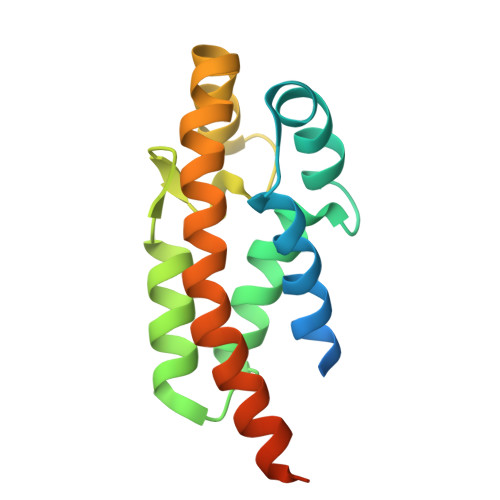
Tyrosine-protein phosphatase non-receptor type 7 structureClick to view 3D structureTyrosine-protein phosphatase non-receptor type 7P35236HumansPredicted (SEA)
Prediction Confidence Score
0.234
Applicability Domain
0.283 Low confidence
Statistical Significance
0.0848
Supporting Reference Compounds
130
E-value
660.006
Exoenzyme S structureClick to view 3D structureExoenzyme SQ93SQ1Pseudomonas aeruginosaPredicted (SEA)
Prediction Confidence Score
0.226
Applicability Domain
0.226 Low confidence
Statistical Significance
7.50e-04
Supporting Reference Compounds
1
E-value
5.83869
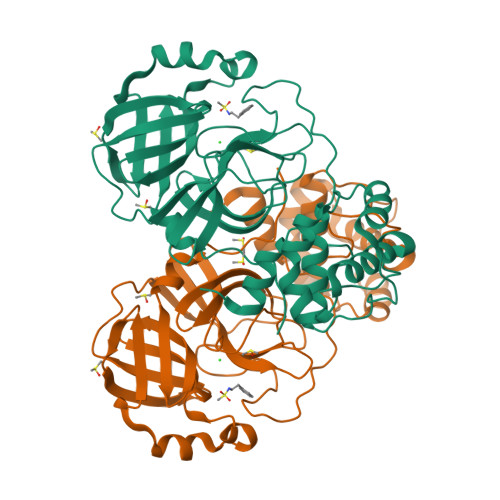
Replicase polyprotein 1ab structureClick to view 3D structureReplicase polyprotein 1abP0DTD1SARS-CoV-2Predicted (SEA)
Prediction Confidence Score
0.212
Applicability Domain
0.314
Statistical Significance
0.2526
Supporting Reference Compounds
215
E-value
1966.86
Click to view 3D structureGlucose-6-phosphate dehydrogenase-6-phosphogluconolactonaseQ9BHT9Plasmodium bergheiPredicted (SEA)
Prediction Confidence Score
0.207
Applicability Domain
0.314
Statistical Significance
0.1556
Supporting Reference Compounds
105
E-value
1211.26
Click to view 3D structureCalpain-2 catalytic subunitP43367Sus scrofaPredicted (SEA)
Prediction Confidence Score
0.206
Applicability Domain
0.233 Low confidence
Statistical Significance
0.1662
Supporting Reference Compounds
63
E-value
1293.78
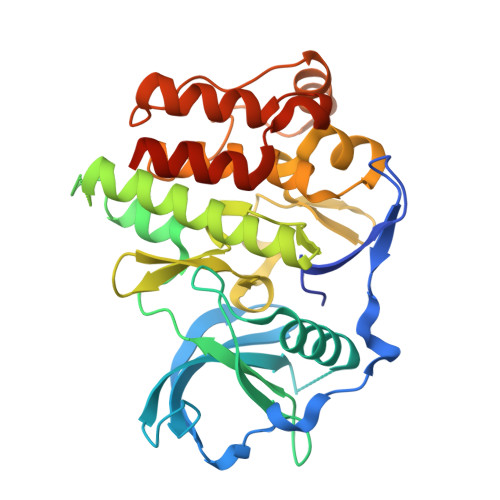
Receptor-type tyrosine-protein kinase FLT3 structureClick to view 3D structureReceptor-type tyrosine-protein kinase FLT3P36888HumansPredicted (SEA)
Prediction Confidence Score
0.198
Applicability Domain
0.214 Low confidence
Statistical Significance
0.8827
Supporting Reference Compounds
1274
E-value
6871.83
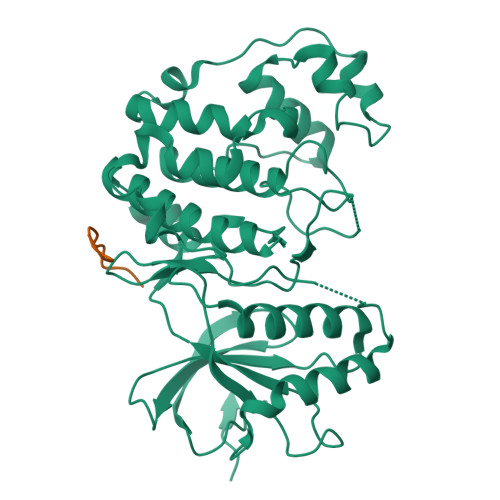
Glycogen synthase kinase-3 beta structureClick to view 3D structureGlycogen synthase kinase-3 betaP49841HumansPredicted (SEA)
Prediction Confidence Score
0.198
Applicability Domain
0.214 Low confidence
Statistical Significance
0.8934
Supporting Reference Compounds
1157
E-value
6954.74
Carboxy-terminal domain RNA polymerase II polypeptide A small phosphatase 1 structureClick to view 3D structureCarboxy-terminal domain RNA polymerase II polypeptide A small phosphatase 1Q9GZU7HumansPredicted (SEA)
Prediction Confidence Score
0.197
Applicability Domain
0.237 Low confidence
Statistical Significance
0.3319
Supporting Reference Compounds
128
E-value
2584.13
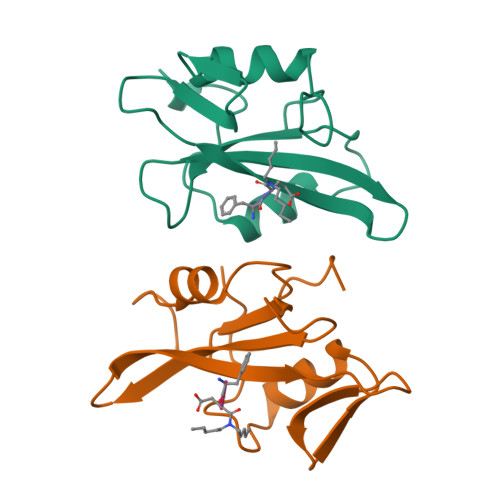
Chromodomain-helicase-DNA-binding protein 1-like structureClick to view 3D structureChromodomain-helicase-DNA-binding protein 1-likeQ86WJ1HumansPredicted (SEA)
Prediction Confidence Score
0.193
Applicability Domain
0.193 Low confidence
Statistical Significance
0.0031
Supporting Reference Compounds
1
E-value
24.289
Click to view 3D structureAnoctamin-2Q8CFW1Mus musculusPredicted (SEA)
Prediction Confidence Score
0.193
Applicability Domain
0.193 Low confidence
Statistical Significance
0.0102
Supporting Reference Compounds
1
E-value
79.6398
Epidermal growth factor receptor structureClick to view 3D structureEpidermal growth factor receptorP00533HumansPredicted (SEA)
Prediction Confidence Score
0.192
Applicability Domain
0.214 Low confidence
Statistical Significance
0.9289
Supporting Reference Compounds
1301
E-value
7231.18
Mitogen-activated protein kinase 8 structureClick to view 3D structureMitogen-activated protein kinase 8P45983HumansPredicted (SEA)
Prediction Confidence Score
0.192
Applicability Domain
0.214 Low confidence
Statistical Significance
0.8917
Supporting Reference Compounds
782
E-value
6941.74
Poly [ADP-ribose] polymerase 1 structureClick to view 3D structurePoly [ADP-ribose] polymerase 1P09874HumansPredicted (SEA)
Prediction Confidence Score
0.19
Applicability Domain
0.244 Low confidence
Statistical Significance
0.5413
Supporting Reference Compounds
146
E-value
4214.06
Proto-oncogene tyrosine-protein kinase Src structureClick to view 3D structureProto-oncogene tyrosine-protein kinase SrcP12931HumansPredicted (SEA)
Prediction Confidence Score
0.19
Applicability Domain
0.214 Low confidence
Statistical Significance
0.9215
Supporting Reference Compounds
1158
E-value
7173.73
Click to view 3D structureStreptokinase AP10520Streptococcus pyogenes serotype M1Predicted (SEA)
Prediction Confidence Score
0.189
Applicability Domain
0.233 Low confidence
Statistical Significance
0.7418
Supporting Reference Compounds
425
E-value
5774.62
Dual specificity protein phosphatase 6 structureClick to view 3D structureDual specificity protein phosphatase 6Q64346Rattus norvegicusPredicted (SEA)
Prediction Confidence Score
0.189
Applicability Domain
0.283 Low confidence
Statistical Significance
0.1582
Supporting Reference Compounds
53
E-value
1231.5
Click to view 3D structureAnoctamin-2Q9NQ90HumansPredicted (SEA)
Prediction Confidence Score
0.188
Applicability Domain
0.19 Low confidence
Statistical Significance
0.0216
Supporting Reference Compounds
2
E-value
168.544
DNA dC->dU-editing enzyme APOBEC-3G structureClick to view 3D structureDNA dC->dU-editing enzyme APOBEC-3GQ9HC16HumansPredicted (SEA)
Prediction Confidence Score
0.187
Applicability Domain
0.216 Low confidence
Statistical Significance
0.2596
Supporting Reference Compounds
76
E-value
2021.2
Nuclear receptor subfamily 4immunitygroup A member 1 structureClick to view 3D structureNuclear receptor subfamily 4immunitygroup A member 1P22736HumansPredicted (SEA)
Prediction Confidence Score
0.187
Applicability Domain
0.283 Low confidence
Statistical Significance
0.201
Supporting Reference Compounds
39
E-value
1565.08
Click to view 3D structureMonoglyceride lipaseQ8R431Rattus norvegicusPredicted (SEA)
Prediction Confidence Score
0.187
Applicability Domain
0.314
Statistical Significance
0.0775
Supporting Reference Compounds
21
E-value
603.331
Click to view 3D structureGalanin receptor type 3O60755HumansPredicted (SEA)
Prediction Confidence Score
0.186
Applicability Domain
0.233 Low confidence
Statistical Significance
0.1382
Supporting Reference Compounds
41
E-value
1075.56
RAC-gamma serine/threonine-protein kinase structureClick to view 3D structureRAC-gamma serine/threonine-protein kinaseQ9Y243HumansPredicted (SEA)
Prediction Confidence Score
0.186
Applicability Domain
0.214 Low confidence
Statistical Significance
0.9043
Supporting Reference Compounds
620
E-value
7039.98
Click to view 3D structureAdenosine receptor A1P25099Rattus norvegicusPredicted (SEA)
Prediction Confidence Score
0.185
Applicability Domain
0.216 Low confidence
Statistical Significance
0.5218
Supporting Reference Compounds
221
E-value
4062.25
Click to view 3D structureMannose-6-phosphate isomeraseP34949HumansPredicted (SEA)
Prediction Confidence Score
0.184
Applicability Domain
0.196 Low confidence
Statistical Significance
0.1423
Supporting Reference Compounds
53
E-value
1107.48
Concentrations
Not Available
External Links
IdentifiersNot Available
References
Synthesis ReferenceNot Available
MSDSNot Available
General ReferencesNot Available