Duvoglustat (CED0006496)

Record Information
Version1.0
Creation Date2026-03-31 17:51:18 UTC
Update Date2026-04-13 22:12:42 UTC
SynCED IDCED0006496
Secondary Accession Numbers
  • CHEM057231
Identification
Common NameDuvoglustat
ClassSmall Molecule
Description
Duvoglustat is an organic compound with the formula C6H13N1O4 and an average molecular weight of 163.17 g/mol. Duvoglustat belongs to the piperidines, a class of organoheterocyclic compounds within the organic compounds. The compound is found in or released from five recorded sources. These include household items such as key rings, and healthcare, pharmaceuticals, and veterinary products specifically antibiotics. It is also associated with drinking water and water supply, as well as food, food processing, and cookware, including the preparation of vinegar and the preparation of wine or sparkling wine. Recorded exposure routes for this substance include oral and inhalation. Duvoglustat interacts with nine recorded protein targets. It acts as an inhibitor of Beta-glucosidase A (bglA), Cyclomaltodextrin glucanotransferase (cgt), Mannosyl-oligosaccharide alpha-1,2-mannosidase (MSDC), and Endoplasmic reticulum mannosyl-oligosaccharide 1,2-alpha-mannosidase (MAN1B1), in addition to five other proteins.
Contaminant TypeNot Available
Chemical Structure
SynonymsNot Available
Chemical FormulaC6H13N1O4
Average Molecular Mass163.173 g/mol
Monoisotopic Mass163.084 g/mol
CAS Registry Number19130-96-2;70956-02-4
IUPAC NameNot Available
Traditional NameNot Available
SMILESOC[C@H]1NC[C@H](O)[C@@H](O)[C@@H]1O
InChI IdentifierInChI=1S/C6H13NO4/c8-2-3-5(10)6(11)4(9)1-7-3/h3-11H,1-2H2/t3-,4+,5-,6-/m1/s1
InChI KeyLXBIFEVIBLOUGU-JGWLITMVSA-N
Chemical Taxonomy
ClassificationNot classified
Biological Properties
StatusDetected and Not Quantified
OriginNot Available
Cellular LocationsNot Available
Biofluid LocationsNot Available
Tissue LocationsNot Available
ApplicationsNot Available
Biological Roles
Chemical RolesNot Available
Organoleptic EffectsNot Available
Physical Properties
StateNot Available
AppearanceNot Available
Experimental Properties
PropertyValue
Melting PointNot Available
Boiling PointNot Available
SolubilityNot Available
Predicted PropertiesNot Available
Spectra
Spectra
Spectrum TypeDescriptionSplash KeyDeposition DateView
Predicted GC-MSPredicted GC-MS Spectrumsplash10-0feb-7900000000-536465f5fd772045b134Not AvailableView Spectrum
Predicted LC-MS/MSPredicted LC-MS/MS Spectrumsplash10-01ot-0900000000-1aa3b43d5d62c90ccec7Not AvailableView Spectrum
Predicted LC-MS/MSPredicted LC-MS/MS Spectrumsplash10-002b-1900000000-6ef4261b9d4ed14a1746Not AvailableView Spectrum
Predicted LC-MS/MSPredicted LC-MS/MS Spectrumsplash10-056r-9500000000-2fa2710d2d9b3ef5535dNot AvailableView Spectrum
Predicted LC-MS/MSPredicted LC-MS/MS Spectrumsplash10-03di-0900000000-38feb13cf90cc926e8b8Not AvailableView Spectrum
Predicted LC-MS/MSPredicted LC-MS/MS Spectrumsplash10-03ec-1900000000-037cddc0c0bea31e7736Not AvailableView Spectrum
Predicted LC-MS/MSPredicted LC-MS/MS Spectrumsplash10-006x-9100000000-906240cbc58537e93cbdNot AvailableView Spectrum
Toxicity Profile
Toxicity Values
Toxicity ValueOrganismDose DescriptorRoute of ExposurePredicted or ExperimentalToxicity RatingReference
5115.0 Log mg/kg [2900:9100]RatLD50oralpredictedNot AvailableNot Available
Toxicity / Toxin ClassNot Available
Mechanism of ToxicityNot Available
Carcinogenicity (IARC Classification)Not Available
Minimum Risk LevelNot Available
SymptomsNot Available
TreatmentNot Available
Health Effects
Health EffectRelationshipDirectionDescriptionReference
cancerNot AvailableNot AvailableCancer is a group of diseases involving abnormal cell growth with the potential to invade or spread to other parts of the body. Possible signs and symptoms include a lump, abnormal bleeding, prolonged cough, unexplained weight loss, and a change in bowel movements. There are over 100 types of cancers affect humans. The risk of developing certain cancers can be reduced by not smoking, maintaining a healthy weight, not drinking too much alcohol, eating plenty of vegetables, fruits and whole grains, vaccination against certain infectious diseases, not eating too much processed and red meat and avoiding too much sunlight exposure. Cancer is often treated with some combination of radiation therapy, surgery, chemotherapy and targeted therapy. The majority of cancers, some 90–95% of cases, are due to genetic mutations from environmental and lifestyle factors. The remaining 5–10% are due to inherited genetics.PMC1399450
type 2 diabetes mellitusNot AvailableNot AvailableNot AvailablePMC12364752
diabetes mellitusNot AvailableNot AvailableA glucose metabolism disease characterized by chronic hyperglycaemia with disturbances of carbohydrate, fat and protein metabolism resulting from defects in insulin secretion, insulin action, or both. (DO)PMC1399450
obesityNot AvailableNot AvailableA disorder characterized by having a high amount of body fat. (NCI CTCAE)PMC9143817
hyperglycemiaNot AvailableNot AvailableA disorder characterized by laboratory test results that indicate an elevation in the concentration of blood sugar. It is usually an indication of diabetes mellitus or glucose intolerance. (NCI CTCAE)PMC5063200
viral infectious diseaseNot AvailableNot AvailableNot AvailablePMC1399450
metabolic diseaseNot AvailableNot AvailableNot AvailablePMC1399450
Abdominal distentionAssociated With?Not AvailableNot AvailablePMC3581086
FlatulenceAssociated With?Not AvailableNot AvailablePMC3581086
Gaucher's diseaseNot AvailableNot AvailableNot AvailablePMC6631974
Exposure Sources
Source IDSourceSectorReference
CEDs000010Insecticides?Insecticides are synthetic chemicals designed to control or eliminate insect pests that threaten crops and other agricultural products.Agriculture & land managementPubChem
CEDs000115Drinking water?Drinking water can be a medium for synthetic chemical contamination, often originating from various industrial processes and agricultural practices.Drinking water & water supplyNot Available
CEDs000233Brushes?Brushes used in personal care and cosmetics can be a source of synthetic chemical contamination due to the materials and coatings used in their manufacturing.Personal care & cosmeticsPubChem
CEDs000306Antibiotics?Antibiotics are synthetic or semi-synthetic compounds used to treat bacterial infections in humans and animals.Healthcare, pharmaceuticals & veterinary productsNot Available
CEDs000545Food Preservation?Food preservation often involves the use of synthetic chemicals, such as preservatives, flavor enhancers, and color additives, to extend shelf life and enhance the sensory qualities of food products.Food, food processing & cookwarePubChem
CEDs000548Preparation Of Vinegar?Vinegar is produced through the fermentation of ethanol by acetic acid bacteria, resulting in a solution that typically contains 4-8% acetic acid.Food, food processing & cookwarePubChem
CEDs000549Preparation Of Wine Or Sparkling Wine?The preparation of wine or sparkling wine involves various stages, including fermentation, aging, and bottling, which can introduce potential sources of synthetic chemical contamination.Food, food processing & cookwarePubChem
CEDs000563Soap Detergents?Soap detergents are synthetic surfactants designed to enhance the cleaning efficacy of water by reducing surface tension, allowing for better interaction with dirt and grease.Household cleaning & consumer productsPubChem
CEDs000573Key Rings?Key rings are commonly made from various synthetic materials, including plastics and metals, which can be sources of chemical contamination.Household itemsPubChem
CEDs000580Manufacture Preparation Of Tobacco Products?The manufacture and preparation of tobacco products involve various processes that can result in the introduction of synthetic chemicals into the environment.Industrial manufacturing & chemical processingPubChem
CEDs000596Acaricides?Acaricides are synthetic chemicals specifically designed to target and control mite populations that can damage crops and plants.Agriculture & land managementPubChem
CEDs000603Nematocides?Nematocides are synthetic chemicals specifically designed to control nematodes, which are microscopic roundworms that can cause significant damage to crops and plants.Agriculture & land managementPubChem
CEDs000606Plant Growth Regulators?Plant Growth Regulators (PGRs) are synthetic chemicals designed to influence the growth and development of plants.Agriculture & land managementPubChem
CEDs000678Nitrogenous Fertilisers?Nitrogenous fertilizers are synthetic chemical compounds primarily used to enhance plant growth by supplying essential nitrogen, a crucial nutrient for photosynthesis and protein synthesis.Agriculture & land managementPubChem
CEDs000679Phosphatic Fertilisers?Phosphatic fertilizers are synthetic chemical products primarily composed of phosphorus, which is essential for plant growth.Agriculture & land managementPubChem
CEDs000685Ceramics?Ceramics can be a source of synthetic chemical contamination through various additives and processing agents used in their production.Building & ConstructionPubChem
CEDs000696Nanotechnology?Nanotechnology involves the manipulation of materials at the molecular or atomic level, typically within the range of 1 to 100 nanometers.Industrial manufacturing & chemical processingPubChem
CEDs000739Inks?Inks are complex mixtures composed of pigments or dyes, solvents, resins, and additives used primarily for printing and writing applications.Paper, pulp & fiber productsPubChem
CEDs000741Pigment Pastes?Pigment pastes are concentrated dispersions of pigments used to impart color and properties to materials.Paper, pulp & fiber productsPubChem
CEDs000744Water, Wastewater, & Sewage Treatment?Water, wastewater, and sewage treatment processes are critical for managing and mitigating pollutants in water systems.Wastewater, sanitation & biosolidsPubChem
CEDs01143DietFood, food processing & cookwarePMC13299887
CEDs01216Artificial DietFood, food processing & cookwarePMC13299887
Pathways
0 pathwaysPathway Source: PathBank

No pathways found

No metabolic pathways have been associated with this synthetic chemical

Targets
StructureProteinUniProt IDOrganismRelationshipDetails
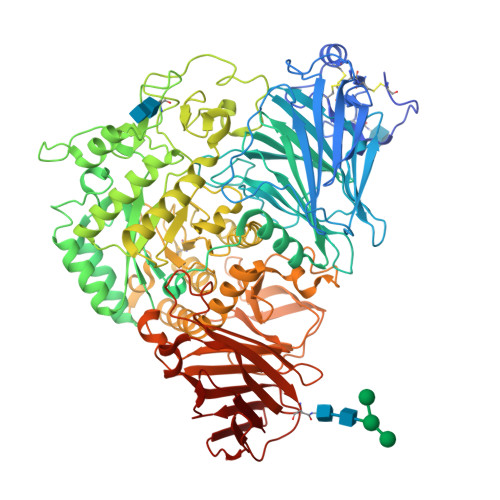
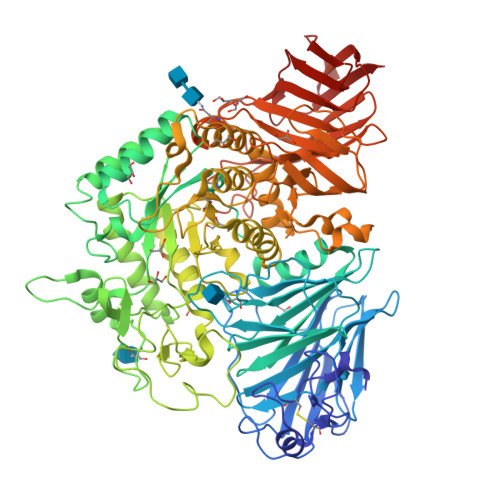
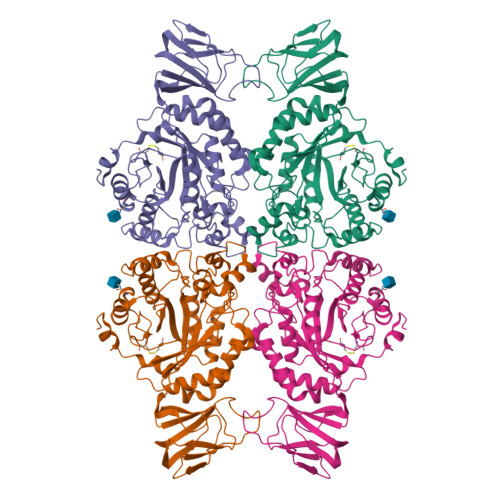
Click to view 3D structureAlpha-galactosidase CQ9UUZ4Aspergillus nigerPredicted (SEA)
Prediction Confidence Score
1.0
Applicability Domain
1.0
Statistical Significance
1.00e-05
Supporting Reference Compounds
1
E-value
0.0778492
Click to view 3D structureSucrase-isomaltase, intestinalP23739Rattus norvegicusPredicted (SEA)
Prediction Confidence Score
0.738
Applicability Domain
1.0
Statistical Significance
2.00e-05
Supporting Reference Compounds
25
E-value
0.155698
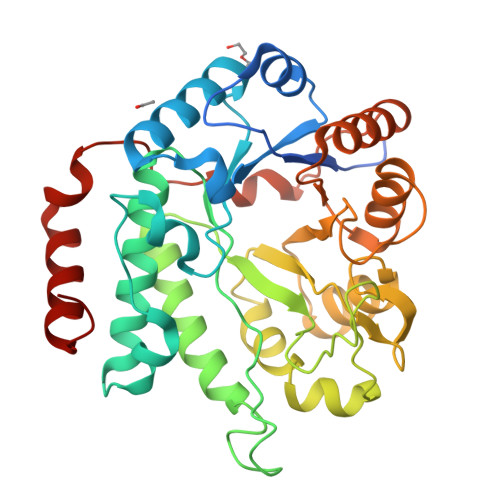
Lysosomal alpha-glucosidase structureClick to view 3D structureLysosomal alpha-glucosidaseP10253HumansPredicted (SEA)
Prediction Confidence Score
0.726
Applicability Domain
1.0
Statistical Significance
3.00e-05
Supporting Reference Compounds
21
E-value
0.233548
Click to view 3D structureGlycogen debranching enzymeP35573HumansPredicted (SEA)
Prediction Confidence Score
0.72
Applicability Domain
1.0
Statistical Significance
1.00e-05
Supporting Reference Compounds
8
E-value
0.0778492
Sucrase-isomaltase, intestinal structureClick to view 3D structureSucrase-isomaltase, intestinalP14410HumansPredicted (SEA)
Prediction Confidence Score
0.683
Applicability Domain
1.0
Statistical Significance
3.00e-05
Supporting Reference Compounds
14
E-value
0.233548
Maltase-glucoamylase structureClick to view 3D structureMaltase-glucoamylaseO43451HumansPredicted (SEA)
Prediction Confidence Score
0.675
Applicability Domain
1.0
Statistical Significance
4.00e-05
Supporting Reference Compounds
30
E-value
0.311397
Alpha-glucosidase MAL62 structureClick to view 3D structureAlpha-glucosidase MAL62P07265Saccharomyces cerevisiaePredicted (SEA)
Prediction Confidence Score
0.668
Applicability Domain
0.857
Statistical Significance
2.00e-05
Supporting Reference Compounds
2
E-value
0.155698
Click to view 3D structureLysosomal alpha-glucosidaseQ6P7A9Rattus norvegicusPredicted (SEA)
Prediction Confidence Score
0.646
Applicability Domain
1.0
Statistical Significance
4.00e-05
Supporting Reference Compounds
21
E-value
0.311397
Click to view 3D structureGlucoamylase, intracellular sporulation-specificP08019Saccharomyces cerevisiae S288cPredicted (SEA)
Prediction Confidence Score
0.632
Applicability Domain
0.857
Statistical Significance
1.00e-05
Supporting Reference Compounds
2
E-value
0.0778492
Click to view 3D structureNeutral alpha-glucosidase CQ8BVW0Mus musculusPredicted (SEA)
Prediction Confidence Score
0.629
Applicability Domain
1.0
Statistical Significance
1.00e-05
Supporting Reference Compounds
4
E-value
0.0778492
Click to view 3D structureUncharacterized proteinI3LIR5Sus scrofaPredicted (SEA)
Prediction Confidence Score
0.6
Applicability Domain
0.857
Statistical Significance
1.00e-05
Supporting Reference Compounds
2
E-value
0.0778492
Click to view 3D structureAlpha-galactosidaseQ42656Coffea arabicaPredicted (SEA)
Prediction Confidence Score
0.595
Applicability Domain
1.0
Statistical Significance
1.00e-05
Supporting Reference Compounds
12
E-value
0.0778492
Click to view 3D structureAlpha-glucosidaseQ9LGC6Oryza sativa Japonica GroupPredicted (SEA)
Prediction Confidence Score
0.565
Applicability Domain
1.0
Statistical Significance
1.00e-05
Supporting Reference Compounds
5
E-value
0.0778492
Lysosomal acid glucosylceramidase structureClick to view 3D structureLysosomal acid glucosylceramidaseP04062HumansPredicted (SEA)
Prediction Confidence Score
0.528
Applicability Domain
1.0
Statistical Significance
1.10e-04
Supporting Reference Compounds
35
E-value
0.856341
IAG-nucleoside hydrolase structureClick to view 3D structureIAG-nucleoside hydrolaseQ9GPQ4Trypanosoma vivaxPredicted (SEA)
Prediction Confidence Score
0.524
Applicability Domain
0.857
Statistical Significance
1.00e-05
Supporting Reference Compounds
2
E-value
0.0778492
Click to view 3D structureBeta-glucosidaseQ43014Prunus aviumPredicted (SEA)
Prediction Confidence Score
0.52
Applicability Domain
1.0
Statistical Significance
1.00e-05
Supporting Reference Compounds
2
E-value
0.0778492
Click to view 3D structureGlycogen debranching enzymeP35574Oryctolagus cuniculusPredicted (SEA)
Prediction Confidence Score
0.509
Applicability Domain
1.0
Statistical Significance
1.00e-05
Supporting Reference Compounds
5
E-value
0.0778492
Tissue alpha-L-fucosidase structureClick to view 3D structureTissue alpha-L-fucosidaseP04066HumansPredicted (SEA)
Prediction Confidence Score
0.509
Applicability Domain
1.0
Statistical Significance
1.00e-05
Supporting Reference Compounds
8
E-value
0.0778492
Click to view 3D structureBeta-galactosidaseD3ZUM4Rattus norvegicusPredicted (SEA)
Prediction Confidence Score
0.498
Applicability Domain
0.519
Statistical Significance
4.00e-05
Supporting Reference Compounds
2
E-value
0.311397
Alpha-galactosidase A structureClick to view 3D structureAlpha-galactosidase AP06280HumansPredicted (SEA)
Prediction Confidence Score
0.489
Applicability Domain
1.0
Statistical Significance
1.00e-05
Supporting Reference Compounds
5
E-value
0.0778492
Glycogen phosphorylase, muscle form structureClick to view 3D structureGlycogen phosphorylase, muscle formP00489Oryctolagus cuniculusPredicted (SEA)
Prediction Confidence Score
0.486
Applicability Domain
0.857
Statistical Significance
1.00e-05
Supporting Reference Compounds
13
E-value
0.0778492
Beta-hexosaminidase structureClick to view 3D structureBeta-hexosaminidaseQ9HZK0Pseudomonas aeruginosa (strain ATCC 15692 / PAO1 / 1C / PRS 101 / LMG12228)Predicted (SEA)
Prediction Confidence Score
0.471
Applicability Domain
0.471
Statistical Significance
1.00e-05
Supporting Reference Compounds
1
E-value
0.0778492
Glycogen phosphorylase, liver form structureClick to view 3D structureGlycogen phosphorylase, liver formP06737HumansPredicted (SEA)
Prediction Confidence Score
0.47
Applicability Domain
0.857
Statistical Significance
7.00e-05
Supporting Reference Compounds
16
E-value
0.544945
Click to view 3D structureLactase/phlorizin hydrolaseQ02401Rattus norvegicusPredicted (SEA)
Prediction Confidence Score
0.466
Applicability Domain
0.519
Statistical Significance
4.00e-05
Supporting Reference Compounds
7
E-value
0.311397
Click to view 3D structureGlycogen phosphorylase, liver formP09811Rattus norvegicusPredicted (SEA)
Prediction Confidence Score
0.46
Applicability Domain
0.857
Statistical Significance
1.00e-05
Supporting Reference Compounds
5
E-value
0.0778492
Concentrations
Not Available
External Links
IdentifiersNot Available
References
Synthesis ReferenceNot Available
MSDSNot Available
General ReferencesNot Available