4:2 Fluorotelomer alcohol (CED0010207)

Record Information
Version1.0
Creation Date2026-03-31 18:35:59 UTC
Update Date2026-08-23 11:29:15 UTC
SynCED IDCED0010207
Secondary Accession Numbers
  • CHEM057277
Identification
Common Name4:2 Fluorotelomer alcohol
ClassSmall Molecule
Description
4:2 Fluorotelomer alcohol (C6H5F9O1) is an organic compound with an average molecular weight of 264.09 g/mol. 4:2 Fluorotelomer alcohol belongs to the alkyl fluorides, a subclass of alkyl halides within the organic compounds. This substance has been identified in or released from 14 recorded sources across several sectors. Within the electrical and electronic equipment sector, it is found in cell phones, capacitors, wires and cables, batteries, and printed circuit boards, among one other source. It is also associated with textiles, leather and furnishings, specifically synthetic textiles as well as carpets and rugs. Other recorded sources include drinking water and water supply, food packaging within the food, food processing and cookware sector, and medical devices used in healthcare, pharmaceuticals and veterinary products. Additionally, the compound is found in lubricants used in the energy, oil and gas sector, along with two other sectors. Recorded routes of exposure for this compound include inhalation, oral intake, and touch.
Contaminant Type
  • PFAS
Chemical Structure
SynonymsNot Available
Chemical FormulaC6H5F9O1
Average Molecular Mass264.091 g/mol
Monoisotopic Mass264.020 g/mol
CAS Registry Number2043-47-2
IUPAC NameNot Available
Traditional NameNot Available
SMILESOCCC(F)(F)C(F)(F)C(F)(F)C(F)(F)F
InChI IdentifierInChI=1S/C6H5F9O/c7-3(8,1-2-16)4(9,10)5(11,12)6(13,14)15/h16H,1-2H2
InChI KeyJCMNMOBHVPONLD-UHFFFAOYSA-N
Chemical Taxonomy
ClassificationNot classified
Biological Properties
StatusDetected and Not Quantified
OriginNot Available
Cellular LocationsNot Available
Biofluid LocationsNot Available
Tissue LocationsNot Available
ApplicationsNot Available
Biological RolesNot Available
Chemical RolesNot Available
Organoleptic EffectsNot Available
Physical Properties
StateNot Available
AppearanceNot Available
Experimental Properties
PropertyValue
Melting PointNot Available
Boiling PointNot Available
SolubilityNot Available
Predicted PropertiesNot Available
Spectra
SpectraNot Available
Toxicity Profile
Toxicity Values
Toxicity ValueOrganismDose DescriptorRoute of ExposurePredicted or ExperimentalToxicity RatingReference
1290.0 Log mg/kg [730:2300]RatLD50oralpredictedNot AvailableNot Available
Toxicity / Toxin ClassNot Available
Mechanism of ToxicityNot Available
Carcinogenicity (IARC Classification)Not Available
Minimum Risk LevelNot Available
SymptomsNot Available
TreatmentNot Available
Health Effects
Health EffectRelationshipDirectionDescriptionReference
Exposure Sources
Source IDSourceSectorReference
CEDs000007Pesticides?Pesticides are synthetic chemicals designed to prevent, destroy, or control pests that threaten crops and agricultural productivity.Agriculture & land managementNot Available
CEDs000010Insecticides?Insecticides are synthetic chemicals designed to control or eliminate insect pests that threaten crops and other agricultural products.Agriculture & land managementPubChem
CEDs000115Drinking water?Drinking water can be a medium for synthetic chemical contamination, often originating from various industrial processes and agricultural practices.Drinking water & water supplyNot Available
CEDs000120Wires and cables?Wires and cables are integral components in the transmission of electrical power and signals.Electrical & Electronic EquipmentNot Available
CEDs000121Printed circuit boards?Printed circuit boards (PCBs) are essential components in the manufacturing of electronic devices, serving as the backbone for electrical connections and circuit pathways.Electrical & Electronic EquipmentNot Available
CEDs000125Batteries?Batteries are devices that store and release electrical energy through electrochemical reactions.Electrical & Electronic EquipmentNot Available
CEDs000130Semiconductors?Semiconductors are materials that possess electrical conductivity between that of conductors and insulators, making them essential for various electronic applications, including transistors, diodes, and integrated circuits.Electrical & Electronic EquipmentNot Available
CEDs000138Lubricants?Lubricants are synthetic or petroleum-derived substances used to reduce friction between surfaces in machinery and equipment, enhancing operational efficiency and longevity.Energy, oil & gasNot Available
CEDs000147Food packaging?Food packaging often utilizes synthetic chemicals, such as plastics and coatings, to enhance durability, moisture resistance, and shelf life.Food, food processing & cookwareNot Available
CEDs000174Lubricants?Lubricants are synthetic or petroleum-based substances used to reduce friction and wear between moving parts in machinery and equipment.Industrial manufacturing & chemical processingNot Available
CEDs000234Medical devices?Medical devices often incorporate synthetic chemicals in their manufacturing processes, which can contribute to contamination in healthcare settings.Healthcare, pharmaceuticals & veterinary productsNot Available
CEDs000451Carpets and Rugs?Carpets and rugs are commonly manufactured using synthetic fibers such as nylon, polyester, and polypropylene, which can be derived from petrochemical sources.Textiles, leather & furnishingsNot Available
CEDs000454Synthetic textiles?Synthetic textiles are materials derived from man-made fibers, such as polyester, nylon, and acrylic, which are produced through chemical processes involving petrochemicals.Textiles, leather & furnishingsNot Available
CEDs000490Personal care & cosmeticsNot Available
CEDs000492Cell phones?Cell phones contain a variety of synthetic chemicals and materials, including plastics, metals, and glass, which can contribute to environmental contamination.Electrical & Electronic EquipmentNot Available
CEDs000493Capacitors?Capacitors are electronic components that store and release electrical energy, often using dielectric materials that can include synthetic chemicals.Electrical & Electronic EquipmentNot Available
CEDs000511Conductors Or Conductive Bodies Characterised By The Conductive Materials?Conductors, or conductive bodies, are materials that allow the flow of electrical current, typically made from metals such as copper, aluminum, or silver.Electrical & Electronic EquipmentPubChem
CEDs000519Electrodes?Electrodes, used in various electrical and electronic applications, can be a source of synthetic chemical contamination due to the materials from which they are constructed and the processes involved in their manufacturing.Electrical & Electronic EquipmentPubChem
CEDs000524Hybrid Capacitors?Hybrid capacitors are energy storage devices that combine the properties of electrolytic and supercapacitors, utilizing a combination of electrochemical principles to achieve higher energy density and power density.Electrical & Electronic EquipmentPubChem
CEDs000596Acaricides?Acaricides are synthetic chemicals specifically designed to target and control mite populations that can damage crops and plants.Agriculture & land managementPubChem
CEDs000603Nematocides?Nematocides are synthetic chemicals specifically designed to control nematodes, which are microscopic roundworms that can cause significant damage to crops and plants.Agriculture & land managementPubChem
CEDs000632Apparel?Apparel production often involves the use of various synthetic chemicals, including dyes, finishing agents, and preservatives.Textiles, leather & furnishingsPubChem
CEDs000657Surface Finishing Of Leather?Surface finishing of leather often involves the use of various synthetic chemicals, including dyes, resins, and finishing agents.Textiles, leather & furnishingsPubChem
CEDs000688Glass Coatings?Glass coatings are synthetic chemical formulations applied to glass surfaces to enhance properties such as durability, UV resistance, and aesthetic appeal.Building & ConstructionPubChem
CEDs000696Nanotechnology?Nanotechnology involves the manipulation of materials at the molecular or atomic level, typically within the range of 1 to 100 nanometers.Industrial manufacturing & chemical processingPubChem
CEDs000734Coating Compositions?Coating compositions, which include paints, sealants, and varnishes, are formulated with a variety of synthetic chemicals such as solvents, resins, pigments, and additives.Building & ConstructionPubChem
CEDs000735Explosives?Explosives are chemical compounds or mixtures designed to undergo rapid decomposition, releasing energy in the form of gas and heat.Defense & military infrastructurePubChem
CEDs000739Inks?Inks are complex mixtures composed of pigments or dyes, solvents, resins, and additives used primarily for printing and writing applications.Paper, pulp & fiber productsPubChem
CEDs000740Paper?Paper production involves the processing of wood fibers and the use of various chemicals, which can lead to synthetic chemical contamination.Paper, pulp & fiber productsPubChem
CEDs000744Water, Wastewater, & Sewage Treatment?Water, wastewater, and sewage treatment processes are critical for managing and mitigating pollutants in water systems.Wastewater, sanitation & biosolidsPubChem
CEDs00746Soil GasAgriculture & land managementPMC10734402
CEDs02255WaterAquatic systems & sedimentsPMC9180636
CEDs02596Ambient AirAir, dust & atmospheric transportPMC9386903
Pathways
0 pathwaysPathway Source: PathBank

No pathways found

No metabolic pathways have been associated with this synthetic chemical

Targets
StructureProteinUniProt IDOrganismRelationshipDetails
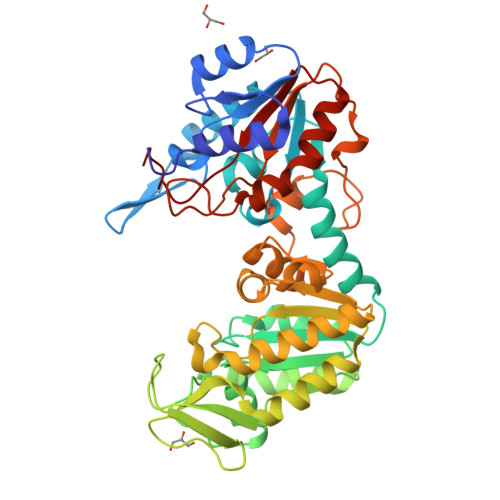
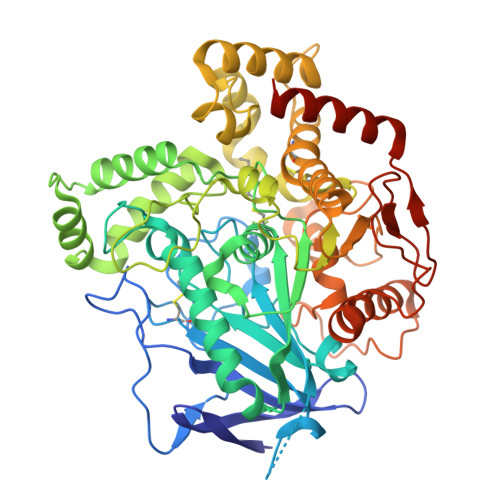
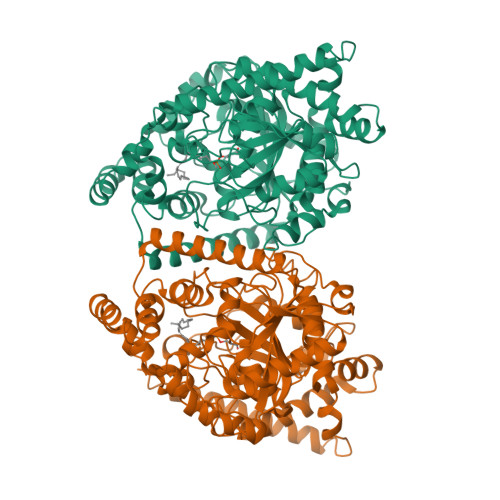
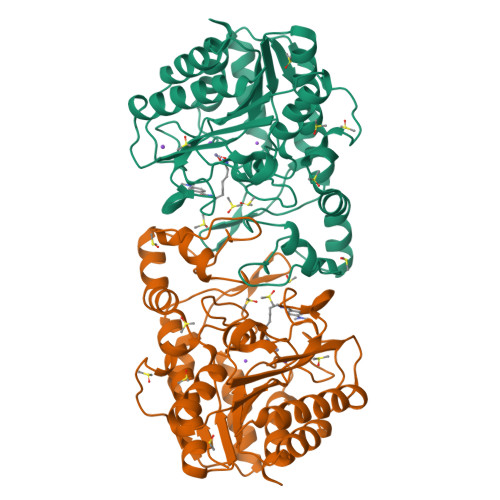
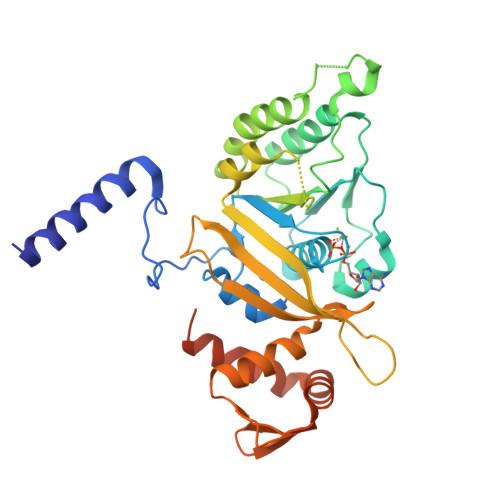
Liver carboxylesterase 1 structureClick to view 3D structureLiver carboxylesterase 1P23141HumansPredicted (SEA)
Prediction Confidence Score
0.152
Applicability Domain
0.158 Low confidence
Statistical Significance
0.5193
Supporting Reference Compounds
55
E-value
4042.87
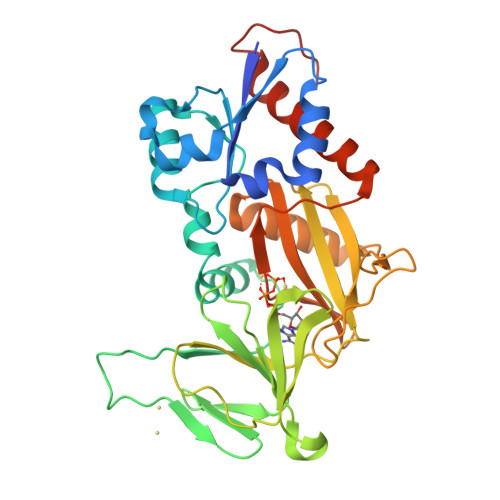
Phosphoglycerate kinase structureClick to view 3D structurePhosphoglycerate kinaseP00560Saccharomyces cerevisiae S288cPredicted (SEA)
Prediction Confidence Score
0.147
Applicability Domain
0.147 Low confidence
Statistical Significance
0.002
Supporting Reference Compounds
1
E-value
15.4141
Liver carboxylesterase structureClick to view 3D structureLiver carboxylesteraseQ29550Sus scrofaPredicted (SEA)
Prediction Confidence Score
0.146
Applicability Domain
0.158 Low confidence
Statistical Significance
0.2991
Supporting Reference Compounds
20
E-value
2328.31
Click to view 3D structureLiver carboxylesterase B-1Q63010Rattus norvegicusPredicted (SEA)
Prediction Confidence Score
0.145
Applicability Domain
0.158 Low confidence
Statistical Significance
0.0138
Supporting Reference Compounds
6
E-value
107.743
Juvenile hormone esterase structureClick to view 3D structureJuvenile hormone esteraseQ9GPG0Manduca sextaPredicted (SEA)
Prediction Confidence Score
0.142
Applicability Domain
0.152 Low confidence
Statistical Significance
0.0178
Supporting Reference Compounds
2
E-value
138.494
Click to view 3D structureCocaine esteraseO00748HumansPredicted (SEA)
Prediction Confidence Score
0.14
Applicability Domain
0.152 Low confidence
Statistical Significance
0.6842
Supporting Reference Compounds
40
E-value
5326.52
Click to view 3D structureFatty-acid amide hydrolase 1O00519HumansPredicted (SEA)
Prediction Confidence Score
0.14
Applicability Domain
0.152 Low confidence
Statistical Significance
0.9615
Supporting Reference Compounds
106
E-value
7485.2
Click to view 3D structureCG8425-PA [Drosophila melanogaster]A1ZA98Drosophila melanogasterPredicted (SEA)
Prediction Confidence Score
0.137
Applicability Domain
0.152 Low confidence
Statistical Significance
0.0217
Supporting Reference Compounds
4
E-value
168.699
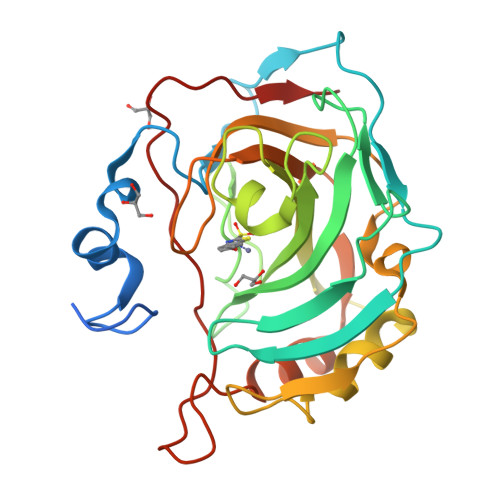
Carbonic anhydrase 2 structureClick to view 3D structureCarbonic anhydrase 2P00918HumansPredicted (SEA)
Prediction Confidence Score
0.136
Applicability Domain
0.176 Low confidence
Statistical Significance
0.9931
Supporting Reference Compounds
472
E-value
7731.52
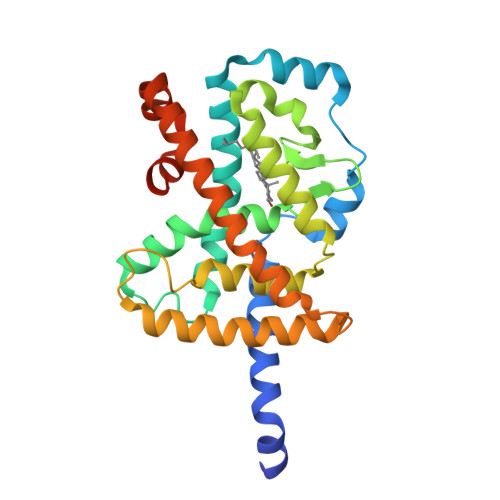
Estrogen receptor structureClick to view 3D structureEstrogen receptorP03372HumansPredicted (SEA)
Prediction Confidence Score
0.135
Applicability Domain
0.169 Low confidence
Statistical Significance
0.988
Supporting Reference Compounds
201
E-value
7691.27
Estrogen receptor beta structureClick to view 3D structureEstrogen receptor betaQ92731HumansPredicted (SEA)
Prediction Confidence Score
0.134
Applicability Domain
0.169 Low confidence
Statistical Significance
0.9888
Supporting Reference Compounds
174
E-value
7697.5
Acylcarnitine hydrolase structureClick to view 3D structureAcylcarnitine hydrolaseQ91WG0Mus musculusPredicted (SEA)
Prediction Confidence Score
0.133
Applicability Domain
0.135 Low confidence
Statistical Significance
0.0249
Supporting Reference Compounds
2
E-value
193.922
Nuclear receptor ROR-gamma structureClick to view 3D structureNuclear receptor ROR-gammaP51449HumansPredicted (SEA)
Prediction Confidence Score
0.132
Applicability Domain
0.167 Low confidence
Statistical Significance
0.9679
Supporting Reference Compounds
102
E-value
7534.79
Click to view 3D structureEsteraseA3QR02Chilo suppressalisPredicted (SEA)
Prediction Confidence Score
0.128
Applicability Domain
0.128 Low confidence
Statistical Significance
0.0184
Supporting Reference Compounds
1
E-value
143.165
Carbonic anhydrase 1 structureClick to view 3D structureCarbonic anhydrase 1P00915HumansPredicted (SEA)
Prediction Confidence Score
0.128
Applicability Domain
0.176 Low confidence
Statistical Significance
0.9956
Supporting Reference Compounds
407
E-value
7750.59
Fatty-acid amide hydrolase 1 structureClick to view 3D structureFatty-acid amide hydrolase 1P97612Rattus norvegicusPredicted (SEA)
Prediction Confidence Score
0.127
Applicability Domain
0.152 Low confidence
Statistical Significance
0.9751
Supporting Reference Compounds
102
E-value
7591.23
Inositol hexakisphosphate and diphosphoinositol-pentakisphosphate kinase 2 structureClick to view 3D structureInositol hexakisphosphate and diphosphoinositol-pentakisphosphate kinase 2O43314HumansPredicted (SEA)
Prediction Confidence Score
0.125
Applicability Domain
0.125 Low confidence
Statistical Significance
0.0452
Supporting Reference Compounds
1
E-value
352.268
Acetylpolyamine amidohydrolase structureClick to view 3D structureAcetylpolyamine amidohydrolaseQ48935Mycoplana ramosaPredicted (SEA)
Prediction Confidence Score
0.125
Applicability Domain
0.125 Low confidence
Statistical Significance
0.029
Supporting Reference Compounds
1
E-value
226.152
Click to view 3D structureLactase/phlorizin hydrolaseQ02401Rattus norvegicusPredicted (SEA)
Prediction Confidence Score
0.123
Applicability Domain
0.156 Low confidence
Statistical Significance
0.004
Supporting Reference Compounds
7
E-value
30.984
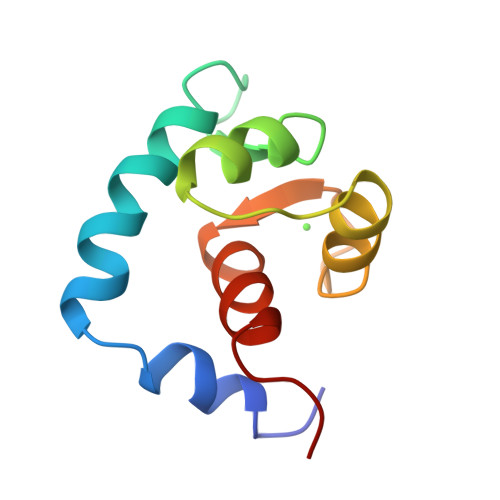
Troponin C, slow skeletal and cardiac muscles structureClick to view 3D structureTroponin C, slow skeletal and cardiac musclesP63316HumansPredicted (SEA)
Prediction Confidence Score
0.122
Applicability Domain
0.122 Low confidence
Statistical Significance
0.1147
Supporting Reference Compounds
2
E-value
893.32
Carbonic anhydrase 7 structureClick to view 3D structureCarbonic anhydrase 7P43166HumansPredicted (SEA)
Prediction Confidence Score
0.122
Applicability Domain
0.147 Low confidence
Statistical Significance
0.9946
Supporting Reference Compounds
242
E-value
7743.19
Click to view 3D structureSodium- and chloride-dependent creatine transporter 1P28570Rattus norvegicusPredicted (SEA)
Prediction Confidence Score
0.121
Applicability Domain
0.121 Low confidence
Statistical Significance
0.0129
Supporting Reference Compounds
1
E-value
100.503
Sphingosine 1-phosphate receptor 4 structureClick to view 3D structureSphingosine 1-phosphate receptor 4O95977HumansPredicted (SEA)
Prediction Confidence Score
0.121
Applicability Domain
0.127 Low confidence
Statistical Significance
0.9905
Supporting Reference Compounds
117
E-value
7710.73
Protein RecA structureClick to view 3D structureProtein RecAP9WHJ3Mycobacterium tuberculosisPredicted (SEA)
Prediction Confidence Score
0.12
Applicability Domain
0.127 Low confidence
Statistical Significance
0.9946
Supporting Reference Compounds
296
E-value
7743.19
Nuclear receptor ROR-alpha structureClick to view 3D structureNuclear receptor ROR-alphaP35398HumansPredicted (SEA)
Prediction Confidence Score
0.12
Applicability Domain
0.13 Low confidence
Statistical Significance
0.9624
Supporting Reference Compounds
41
E-value
7492.52
Concentrations
Not Available
External Links
IdentifiersNot Available
References
Synthesis ReferenceNot Available
MSDSNot Available
General ReferencesNot Available