 Click to view 3D structure | Beta-1 adrenergic receptor | B0FL73 | Cavia porcellus | Predicted (SEA) | - Prediction Confidence Score
- 0.164
- Applicability Domain
- 0.211 Low confidence
- Statistical Significance
- 0.2665
- Supporting Reference Compounds
- 37
- E-value
- 2074.76
|
 Click to view 3D structure | Cytochrome P450 2D6 | P10635 | Humans | Predicted (SEA) | - Prediction Confidence Score
- 0.162
- Applicability Domain
- 0.177 Low confidence
- Statistical Significance
- 0.9913
- Supporting Reference Compounds
- 1130
- E-value
- 7716.96
|
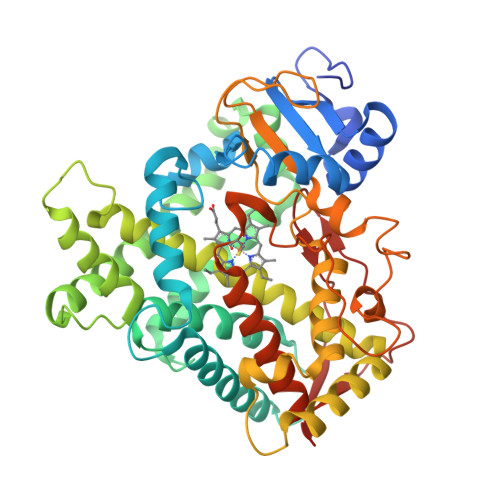 Click to view 3D structure | Cytochrome P450 2C9 | P11712 | Humans | Predicted (SEA) | - Prediction Confidence Score
- 0.162
- Applicability Domain
- 0.177 Low confidence
- Statistical Significance
- 0.9931
- Supporting Reference Compounds
- 1245
- E-value
- 7731.28
|
| Click to view 3D structure | 5-hydroxytryptamine receptor 1A | P19327 | Rattus norvegicus | Predicted (SEA) | - Prediction Confidence Score
- 0.162
- Applicability Domain
- 0.211 Low confidence
- Statistical Significance
- 0.9541
- Supporting Reference Compounds
- 541
- E-value
- 7427.44
|
 Click to view 3D structure | Ribose-5-phosphate isomerase B | P9WKD7 | Mycobacterium tuberculosis (strain ATCC 25618 / H37Rv) | Predicted (SEA) | - Prediction Confidence Score
- 0.16
- Applicability Domain
- 0.16 Low confidence
- Statistical Significance
- 0.002
- Supporting Reference Compounds
- 1
- E-value
- 15.6477
|
 Click to view 3D structure | Acylcarnitine hydrolase | Q91WG0 | Mus musculus | Predicted (SEA) | - Prediction Confidence Score
- 0.159
- Applicability Domain
- 0.184 Low confidence
- Statistical Significance
- 0.0107
- Supporting Reference Compounds
- 2
- E-value
- 83.143
|
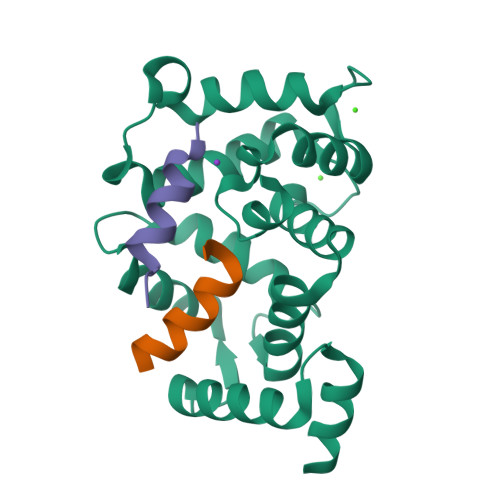 Click to view 3D structure | D(2) dopamine receptor | P14416 | Humans | Predicted (SEA) | - Prediction Confidence Score
- 0.158
- Applicability Domain
- 0.172 Low confidence
- Statistical Significance
- 0.9872
- Supporting Reference Compounds
- 1103
- E-value
- 7684.96
|
 Click to view 3D structure | Sodium-dependent serotonin transporter | P31645 | Humans | Predicted (SEA) | - Prediction Confidence Score
- 0.158
- Applicability Domain
- 0.177 Low confidence
- Statistical Significance
- 0.9835
- Supporting Reference Compounds
- 593
- E-value
- 7656.47
|
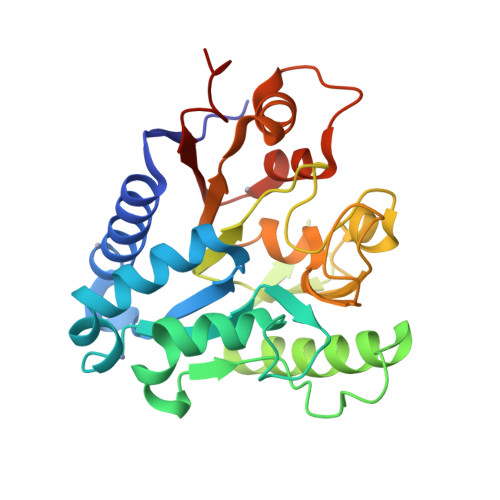 Click to view 3D structure | 6-phosphogluconolactonase | Q9GRG6 | Trypanosoma brucei | Predicted (SEA) | - Prediction Confidence Score
- 0.157
- Applicability Domain
- 0.157 Low confidence
- Statistical Significance
- 0.0021
- Supporting Reference Compounds
- 1
- E-value
- 16.1926
|
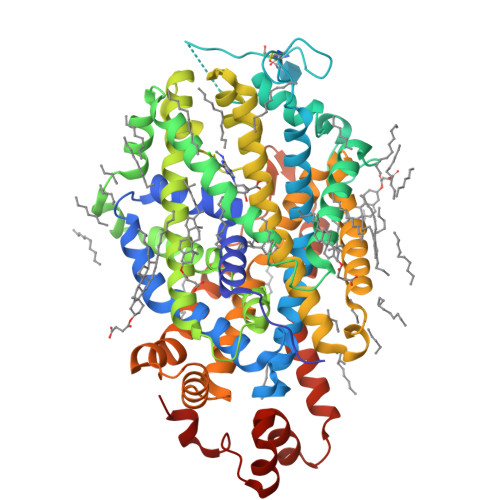 Click to view 3D structure | Sodium-dependent dopamine transporter | Q01959 | Humans | Predicted (SEA) | - Prediction Confidence Score
- 0.157
- Applicability Domain
- 0.177 Low confidence
- Statistical Significance
- 0.9838
- Supporting Reference Compounds
- 506
- E-value
- 7658.5
|
 Click to view 3D structure | Voltage-gated inwardly rectifying potassium channel KCNH2 | Q12809 | Humans | Predicted (SEA) | - Prediction Confidence Score
- 0.156
- Applicability Domain
- 0.177 Low confidence
- Statistical Significance
- 0.9944
- Supporting Reference Compounds
- 1498
- E-value
- 7741.48
|
 Click to view 3D structure | Fructose-bisphosphate aldolase, glycosomal | P07752 | Trypanosoma brucei brucei | Predicted (SEA) | - Prediction Confidence Score
- 0.154
- Applicability Domain
- 0.176 Low confidence
- Statistical Significance
- 0.001
- Supporting Reference Compounds
- 2
- E-value
- 8.09632
|
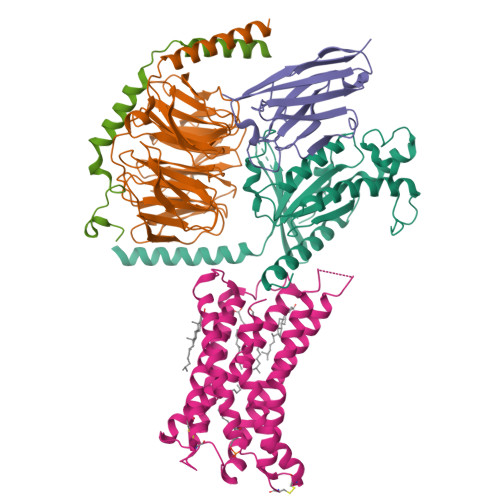 Click to view 3D structure | Lysophosphatidic acid receptor 6 | P43657 | Humans | Predicted (SEA) | - Prediction Confidence Score
- 0.154
- Applicability Domain
- 0.189 Low confidence
- Statistical Significance
- 0.0087
- Supporting Reference Compounds
- 3
- E-value
- 67.7288
|
| Click to view 3D structure | Putative inactive group IIC secretory phospholipase A2 | Q5R387 | Humans | Predicted (SEA) | - Prediction Confidence Score
- 0.153
- Applicability Domain
- 0.153 Low confidence
- Statistical Significance
- 0.0328
- Supporting Reference Compounds
- 1
- E-value
- 255.112
|
 Click to view 3D structure | 5-hydroxytryptamine receptor 2C | P28335 | Humans | Predicted (SEA) | - Prediction Confidence Score
- 0.152
- Applicability Domain
- 0.172 Low confidence
- Statistical Significance
- 0.9912
- Supporting Reference Compounds
- 823
- E-value
- 7716.65
|
| Click to view 3D structure | Cocaine esterase | O00748 | Humans | Predicted (SEA) | - Prediction Confidence Score
- 0.152
- Applicability Domain
- 0.184 Low confidence
- Statistical Significance
- 0.5084
- Supporting Reference Compounds
- 40
- E-value
- 3958.09
|
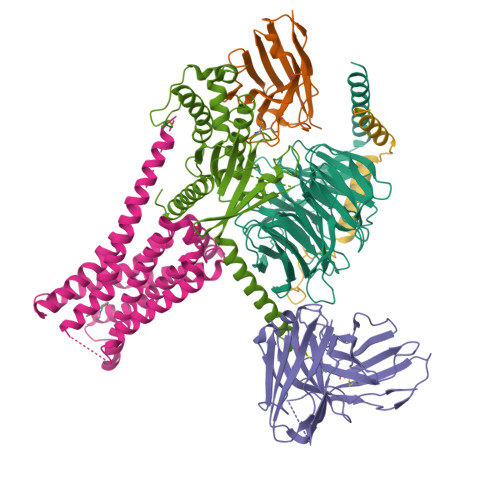 Click to view 3D structure | Beta-3 adrenergic receptor | P13945 | Humans | Predicted (SEA) | - Prediction Confidence Score
- 0.151
- Applicability Domain
- 0.157 Low confidence
- Statistical Significance
- 0.9454
- Supporting Reference Compounds
- 145
- E-value
- 7360.1
|
 Click to view 3D structure | Lysophosphatidic acid receptor 1 | Q92633 | Humans | Predicted (SEA) | - Prediction Confidence Score
- 0.151
- Applicability Domain
- 0.189 Low confidence
- Statistical Significance
- 0.6417
- Supporting Reference Compounds
- 31
- E-value
- 4995.9
|
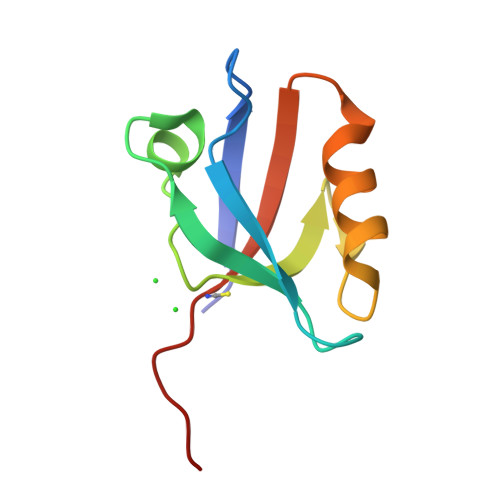 Click to view 3D structure | Lysophosphatidic acid receptor 2 | Q9HBW0 | Humans | Predicted (SEA) | - Prediction Confidence Score
- 0.151
- Applicability Domain
- 0.189 Low confidence
- Statistical Significance
- 0.605
- Supporting Reference Compounds
- 30
- E-value
- 4709.8
|
| Click to view 3D structure | Lysophosphatidic acid receptor 3 | Q9UBY5 | Humans | Predicted (SEA) | - Prediction Confidence Score
- 0.151
- Applicability Domain
- 0.189 Low confidence
- Statistical Significance
- 0.32
- Supporting Reference Compounds
- 21
- E-value
- 2491.41
|
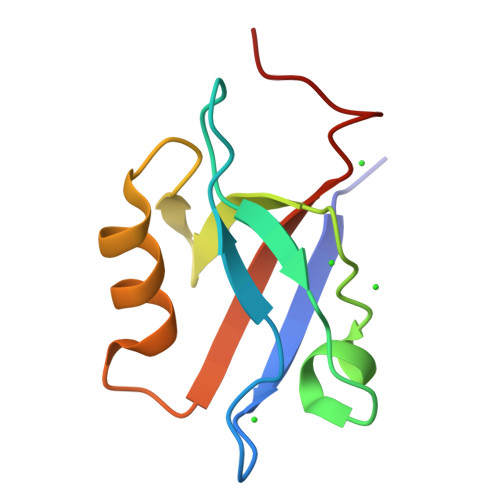 Click to view 3D structure | Beta-2 adrenergic receptor | P07550 | Humans | Predicted (SEA) | - Prediction Confidence Score
- 0.175
- Applicability Domain
- 0.211 Low confidence
- Statistical Significance
- 0.8753
- Supporting Reference Compounds
- 258
- E-value
- 6814.45
|
 Click to view 3D structure | Beta-1 adrenergic receptor | P08588 | Humans | Predicted (SEA) | - Prediction Confidence Score
- 0.172
- Applicability Domain
- 0.211 Low confidence
- Statistical Significance
- 0.8416
- Supporting Reference Compounds
- 180
- E-value
- 6551.71
|
| Click to view 3D structure | Beta-1 adrenergic receptor | P34971 | Mus musculus | Predicted (SEA) | - Prediction Confidence Score
- 0.172
- Applicability Domain
- 0.211 Low confidence
- Statistical Significance
- 0.0961
- Supporting Reference Compounds
- 13
- E-value
- 748.442
|
| Click to view 3D structure | Beta-2 adrenergic receptor | Q8K4Z4 | Cavia porcellus | Predicted (SEA) | - Prediction Confidence Score
- 0.169
- Applicability Domain
- 0.211 Low confidence
- Statistical Significance
- 0.3001
- Supporting Reference Compounds
- 48
- E-value
- 2336.18
|
| Click to view 3D structure | Beta-1 adrenergic receptor | P18090 | Rattus norvegicus | Predicted (SEA) | - Prediction Confidence Score
- 0.166
- Applicability Domain
- 0.211 Low confidence
- Statistical Significance
- 0.3948
- Supporting Reference Compounds
- 43
- E-value
- 3073.25
|

