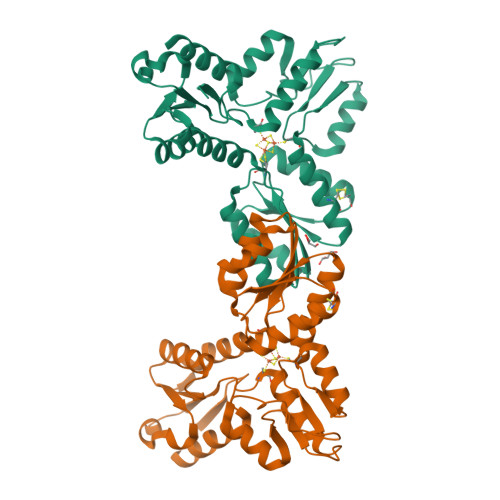
 Click to view 3D structure | 4-hydroxy-3-methylbut-2-enyl diphosphate reductase | O67625 | Aquifex aeolicus (strain VF5) | Predicted (SEA) | - Prediction Confidence Score
- 0.275
- Applicability Domain
- 0.275 Low confidence
- Statistical Significance
- 4.00e-05
- Supporting Reference Compounds
- 1
- E-value
- 0.311397
|
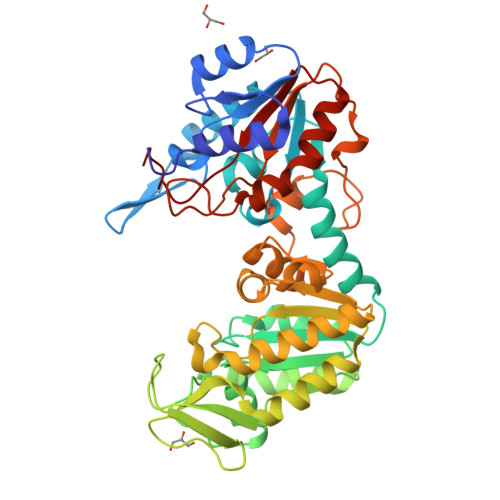 Click to view 3D structure | Phosphoglycerate kinase | P00560 | Saccharomyces cerevisiae S288c | Predicted (SEA) | - Prediction Confidence Score
- 0.225
- Applicability Domain
- 0.225 Low confidence
- Statistical Significance
- 1.20e-04
- Supporting Reference Compounds
- 1
- E-value
- 0.934191
|
 Click to view 3D structure | 1-deoxy-D-xylulose-5-phosphate synthase | B7UJP3 | Escherichia coli O127:H6 (strain E2348/69 / EPEC) | Predicted (SEA) | - Prediction Confidence Score
- 0.215
- Applicability Domain
- 0.22 Low confidence
- Statistical Significance
- 6.60e-04
- Supporting Reference Compounds
- 2
- E-value
- 5.13805
|
| Click to view 3D structure | Isopentenyl-diphosphate Delta-isomerase 1 | O35760 | Rattus norvegicus | Predicted (SEA) | - Prediction Confidence Score
- 0.209
- Applicability Domain
- 0.209 Low confidence
- Statistical Significance
- 2.00e-04
- Supporting Reference Compounds
- 1
- E-value
- 1.55698
|
| Click to view 3D structure | Farnesyl pyrophosphate synthase | P05369 | Rattus norvegicus | Predicted (SEA) | - Prediction Confidence Score
- 0.209
- Applicability Domain
- 0.209 Low confidence
- Statistical Significance
- 2.00e-04
- Supporting Reference Compounds
- 1
- E-value
- 1.55698
|
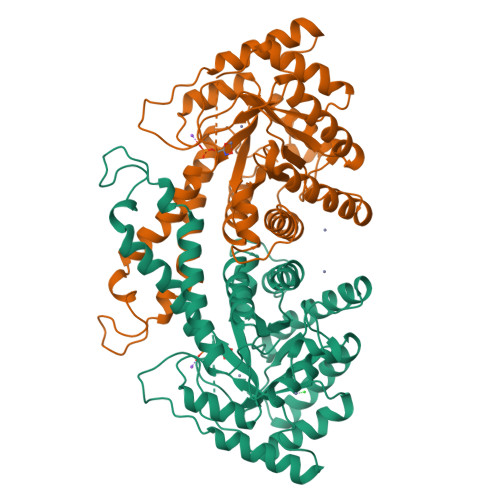 Click to view 3D structure | Fructose-bisphosphate aldolase class 2 | P0AB71 | Escherichia coli (strain K12) | Predicted (SEA) | - Prediction Confidence Score
- 0.205
- Applicability Domain
- 0.205 Low confidence
- Statistical Significance
- 6.50e-04
- Supporting Reference Compounds
- 1
- E-value
- 5.0602
|
 Click to view 3D structure | Triosephosphate isomerase | P00939 | Oryctolagus cuniculus | Predicted (SEA) | - Prediction Confidence Score
- 0.203
- Applicability Domain
- 0.205 Low confidence
- Statistical Significance
- 1.80e-04
- Supporting Reference Compounds
- 2
- E-value
- 1.40129
|
 Click to view 3D structure | Farnesyl pyrophosphate synthase | P14324 | Humans | Predicted (SEA) | - Prediction Confidence Score
- 0.198
- Applicability Domain
- 0.209 Low confidence
- Statistical Significance
- 0.031
- Supporting Reference Compounds
- 22
- E-value
- 241.099
|
| Click to view 3D structure | Fructose-bisphosphate aldolase class II | A0A380PJR2 | Yersinia pestis | Predicted (SEA) | - Prediction Confidence Score
- 0.196
- Applicability Domain
- 0.196 Low confidence
- Statistical Significance
- 3.80e-04
- Supporting Reference Compounds
- 1
- E-value
- 2.95827
|
 Click to view 3D structure | Glucose-6-phosphate isomerase | Q9N1E2 | Oryctolagus cuniculus | Predicted (SEA) | - Prediction Confidence Score
- 0.196
- Applicability Domain
- 0.196 Low confidence
- Statistical Significance
- 4.50e-04
- Supporting Reference Compounds
- 1
- E-value
- 3.50322
|
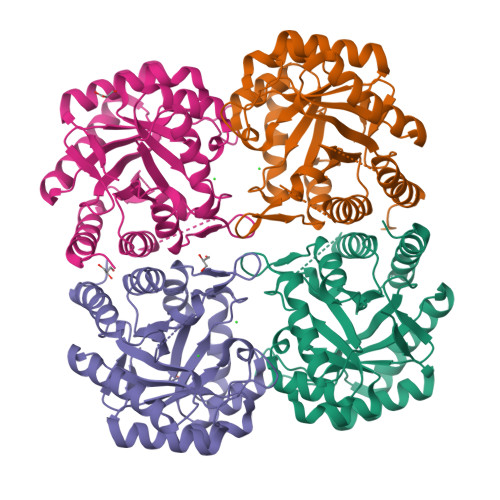 Click to view 3D structure | 2-dehydro-3-deoxyphosphooctonate aldolase | Q9JZ55 | Neisseria meningitidis serogroup B (strain MC58) | Predicted (SEA) | - Prediction Confidence Score
- 0.191
- Applicability Domain
- 0.191 Low confidence
- Statistical Significance
- 0.0014
- Supporting Reference Compounds
- 1
- E-value
- 11.2103
|
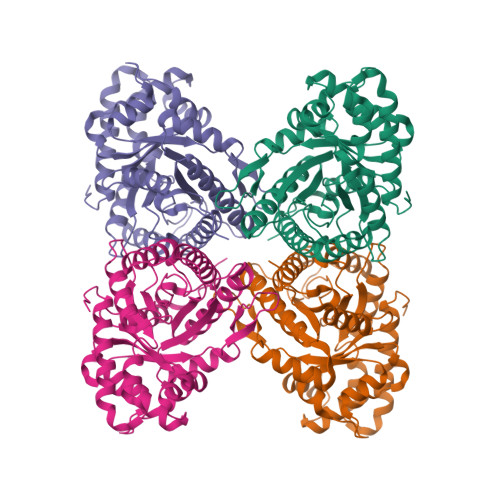 Click to view 3D structure | Fructose-bisphosphate aldolase A | P00883 | Oryctolagus cuniculus | Predicted (SEA) | - Prediction Confidence Score
- 0.19
- Applicability Domain
- 0.205 Low confidence
- Statistical Significance
- 3.20e-04
- Supporting Reference Compounds
- 2
- E-value
- 2.49118
|
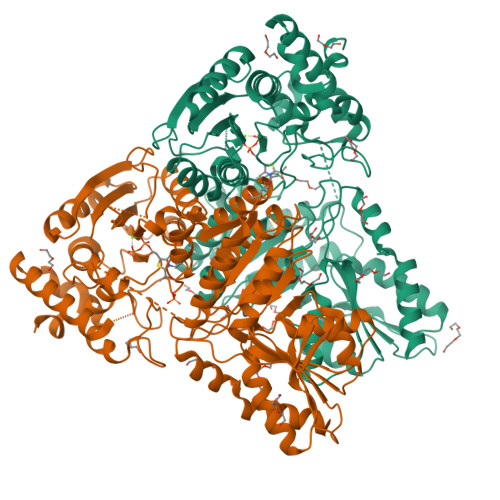 Click to view 3D structure | 1-deoxy-D-xylulose-5-phosphate synthase | P9WNS3 | Mycobacterium tuberculosis | Predicted (SEA) | - Prediction Confidence Score
- 0.189
- Applicability Domain
- 0.22 Low confidence
- Statistical Significance
- 7.30e-04
- Supporting Reference Compounds
- 2
- E-value
- 5.68299
|
| Click to view 3D structure | Farnesyl pyrophosphate synthase | Q0GKD7 | Leishmania donovani | Predicted (SEA) | - Prediction Confidence Score
- 0.187
- Applicability Domain
- 0.195 Low confidence
- Statistical Significance
- 0.0089
- Supporting Reference Compounds
- 14
- E-value
- 69.5972
|
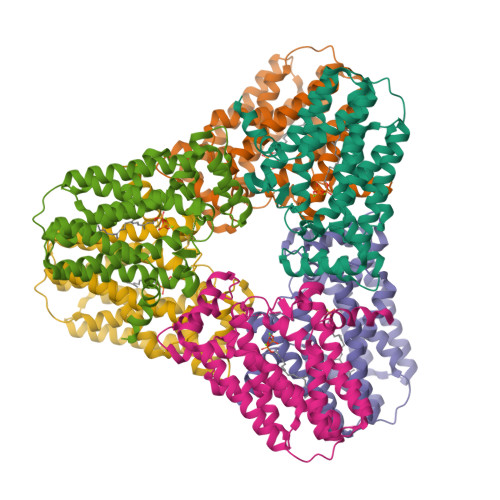 Click to view 3D structure | Geranylgeranyl pyrophosphate synthase | O95749 | Humans | Predicted (SEA) | - Prediction Confidence Score
- 0.185
- Applicability Domain
- 0.195 Low confidence
- Statistical Significance
- 0.0205
- Supporting Reference Compounds
- 15
- E-value
- 159.591
|
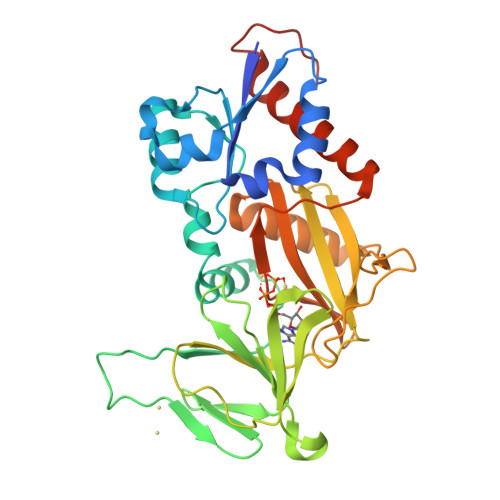 Click to view 3D structure | Inositol hexakisphosphate and diphosphoinositol-pentakisphosphate kinase 2 | O43314 | Humans | Predicted (SEA) | - Prediction Confidence Score
- 0.185
- Applicability Domain
- 0.185 Low confidence
- Statistical Significance
- 7.30e-04
- Supporting Reference Compounds
- 1
- E-value
- 5.68299
|
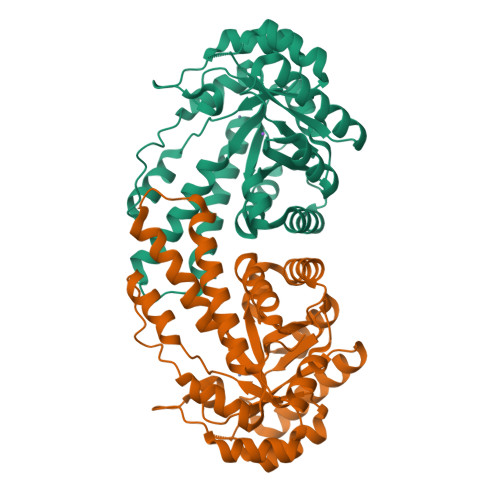 Click to view 3D structure | Fructose-bisphosphate aldolase | P56109 | Helicobacter pylori (strain ATCC 700392 / 26695) (Campylobacterpylori) | Predicted (SEA) | - Prediction Confidence Score
- 0.185
- Applicability Domain
- 0.196 Low confidence
- Statistical Significance
- 4.50e-04
- Supporting Reference Compounds
- 2
- E-value
- 3.50322
|
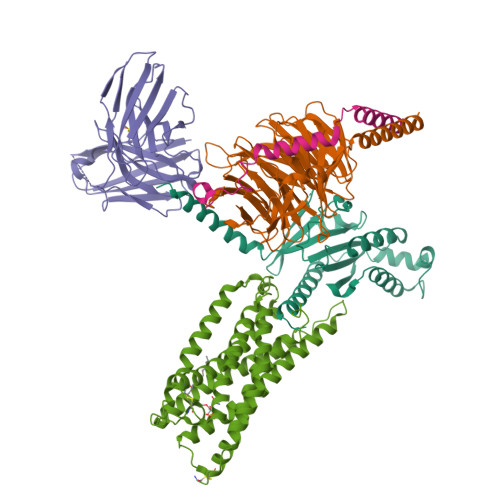 Click to view 3D structure | Putative P2Y purinoceptor 10 | O00398 | Humans | Predicted (SEA) | - Prediction Confidence Score
- 0.184
- Applicability Domain
- 0.194 Low confidence
- Statistical Significance
- 0.0151
- Supporting Reference Compounds
- 10
- E-value
- 117.708
|
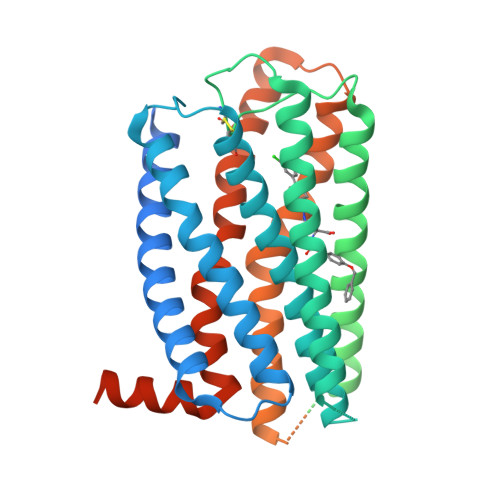 Click to view 3D structure | Probable G-protein coupled receptor 34 | Q9UPC5 | Humans | Predicted (SEA) | - Prediction Confidence Score
- 0.184
- Applicability Domain
- 0.194 Low confidence
- Statistical Significance
- 0.0578
- Supporting Reference Compounds
- 11
- E-value
- 450.28
|
 Click to view 3D structure | Ribose-5-phosphate isomerase B | P9WKD7 | Mycobacterium tuberculosis (strain ATCC 25618 / H37Rv) | Predicted (SEA) | - Prediction Confidence Score
- 0.182
- Applicability Domain
- 0.182 Low confidence
- Statistical Significance
- 8.50e-04
- Supporting Reference Compounds
- 1
- E-value
- 6.61718
|
| Click to view 3D structure | Type IV secretion-like conjugative transfer relaxase protein TraI | B1LRJ1 | Escherichia coli (strain SMS-3-5 / SECEC) | Predicted (SEA) | - Prediction Confidence Score
- 0.182
- Applicability Domain
- 0.182 Low confidence
- Statistical Significance
- 1.90e-04
- Supporting Reference Compounds
- 1
- E-value
- 1.47914
|
 Click to view 3D structure | Pyruvate decarboxylase | P06672 | Zymomonas mobilis subsp. mobilis (strain ATCC 31821 / ZM4 / CP4) | Predicted (SEA) | - Prediction Confidence Score
- 0.182
- Applicability Domain
- 0.182 Low confidence
- Statistical Significance
- 0.0074
- Supporting Reference Compounds
- 1
- E-value
- 57.4527
|
| Click to view 3D structure | Putative P2Y purinoceptor 10 | Q8BFU7 | Mus musculus | Predicted (SEA) | - Prediction Confidence Score
- 0.178
- Applicability Domain
- 0.194 Low confidence
- Statistical Significance
- 0.0317
- Supporting Reference Compounds
- 8
- E-value
- 246.471
|
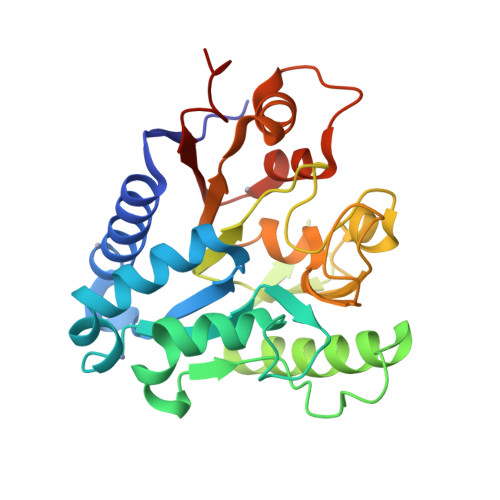 Click to view 3D structure | 6-phosphogluconolactonase | Q9GRG6 | Trypanosoma brucei | Predicted (SEA) | - Prediction Confidence Score
- 0.178
- Applicability Domain
- 0.178 Low confidence
- Statistical Significance
- 8.80e-04
- Supporting Reference Compounds
- 1
- E-value
- 6.85073
|
 Click to view 3D structure | Fructose-bisphosphate aldolase | Q9URB4 | Candida albicans (strain SC5314 / ATCC MYA-2876) (Yeast) | Predicted (SEA) | - Prediction Confidence Score
- 0.176
- Applicability Domain
- 0.196 Low confidence
- Statistical Significance
- 0.0011
- Supporting Reference Compounds
- 3
- E-value
- 8.25202
|

