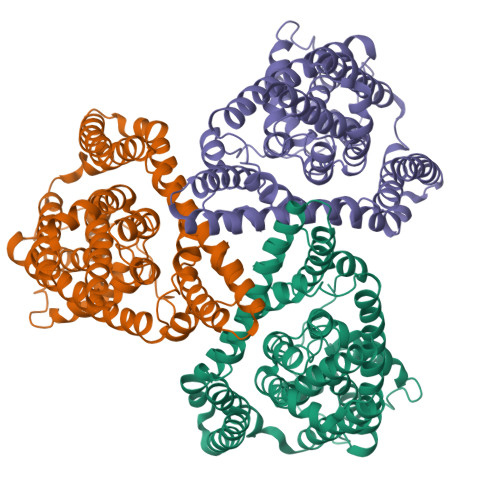
 Click to view 3D structure | Glutamate transporter homolog | O59010 | Pyrococcus horikoshii (strain ATCC 700860 / DSM 12428 / JCM 9974 /NBRC 100139 / OT-3) | Predicted (SEA) | - Prediction Confidence Score
- 0.42
- Applicability Domain
- 0.52
- Statistical Significance
- 4.00e-05
- Supporting Reference Compounds
- 3
- E-value
- 0.311397
|
 Click to view 3D structure | Glutamate receptor ionotropic, kainate 1 | P39086 | Humans | Predicted (SEA) | - Prediction Confidence Score
- 0.325
- Applicability Domain
- 0.353
- Statistical Significance
- 3.50e-04
- Supporting Reference Compounds
- 31
- E-value
- 2.72472
|
 Click to view 3D structure | Asc-type amino acid transporter 1 | P63116 | Rat | Predicted (SEA) | - Prediction Confidence Score
- 0.321
- Applicability Domain
- 0.321
- Statistical Significance
- 3.00e-04
- Supporting Reference Compounds
- 2
- E-value
- 2.33548
|
| Click to view 3D structure | Glutamate receptor 4 | P48058 | Humans | Predicted (SEA) | - Prediction Confidence Score
- 0.306
- Applicability Domain
- 0.353
- Statistical Significance
- 3.50e-04
- Supporting Reference Compounds
- 25
- E-value
- 2.72472
|
| Click to view 3D structure | Metabotropic glutamate receptor 8 | P47743 | Mus musculus | Predicted (SEA) | - Prediction Confidence Score
- 0.299
- Applicability Domain
- 0.333
- Statistical Significance
- 5.00e-04
- Supporting Reference Compounds
- 2
- E-value
- 3.89246
|
| Click to view 3D structure | Metabotropic glutamate receptor 6 | O15303 | Humans | Predicted (SEA) | - Prediction Confidence Score
- 0.296
- Applicability Domain
- 0.333
- Statistical Significance
- 0.0011
- Supporting Reference Compounds
- 39
- E-value
- 8.95266
|
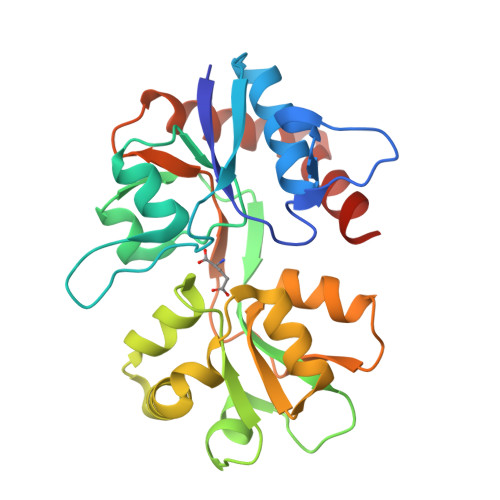 Click to view 3D structure | Glutamate receptor ionotropic, kainate 1 | P22756 | Rattus norvegicus | Predicted (SEA) | - Prediction Confidence Score
- 0.294
- Applicability Domain
- 0.333
- Statistical Significance
- 8.00e-04
- Supporting Reference Compounds
- 45
- E-value
- 6.22794
|
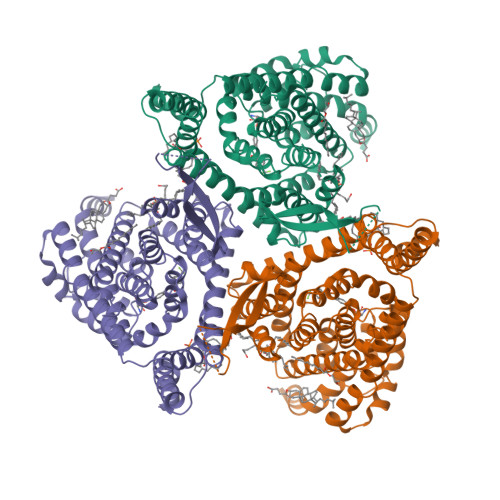 Click to view 3D structure | Excitatory amino acid transporter 3 | P43005 | Humans | Predicted (SEA) | - Prediction Confidence Score
- 0.293
- Applicability Domain
- 0.333
- Statistical Significance
- 0.001
- Supporting Reference Compounds
- 13
- E-value
- 7.86277
|
 Click to view 3D structure | Glutamate receptor 1 | P19490 | Rattus norvegicus | Predicted (SEA) | - Prediction Confidence Score
- 0.291
- Applicability Domain
- 0.333
- Statistical Significance
- 0.0037
- Supporting Reference Compounds
- 37
- E-value
- 29.1935
|
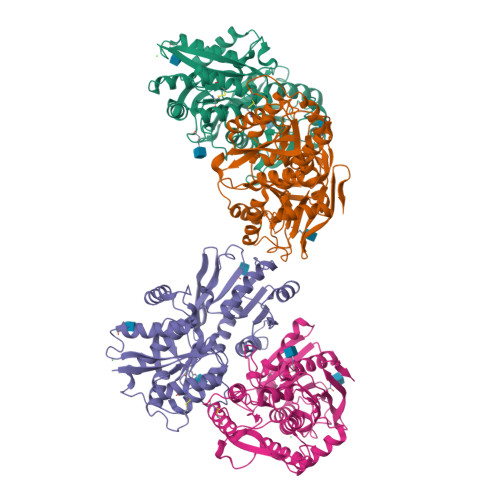 Click to view 3D structure | Glutamate receptor ionotropic, kainate 3 | P42264 | Rattus norvegicus | Predicted (SEA) | - Prediction Confidence Score
- 0.29
- Applicability Domain
- 0.333
- Statistical Significance
- 8.80e-04
- Supporting Reference Compounds
- 26
- E-value
- 6.85073
|
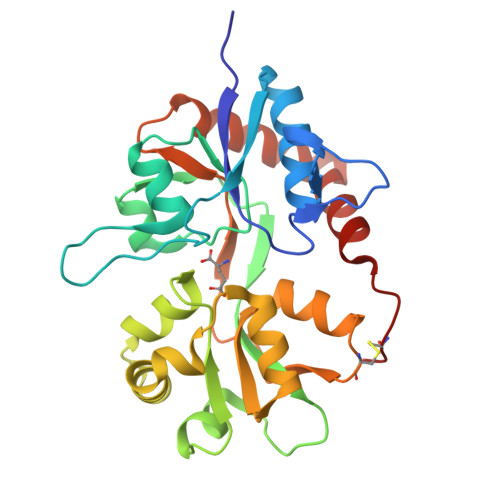 Click to view 3D structure | Glutamate receptor ionotropic, kainate 2 | P42260 | Rattus norvegicus | Predicted (SEA) | - Prediction Confidence Score
- 0.29
- Applicability Domain
- 0.333
- Statistical Significance
- 4.40e-04
- Supporting Reference Compounds
- 18
- E-value
- 3.42537
|
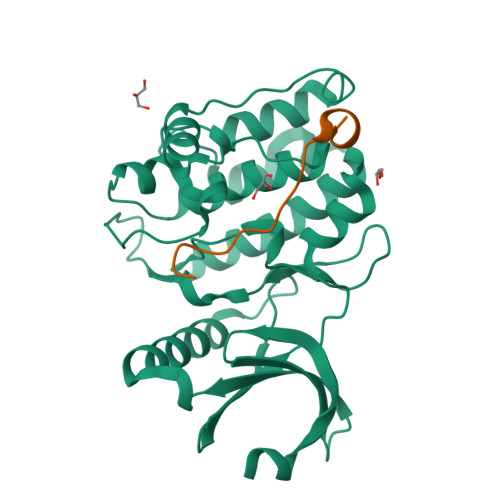 Click to view 3D structure | Glutamate receptor 1 | P42261 | Humans | Predicted (SEA) | - Prediction Confidence Score
- 0.288
- Applicability Domain
- 0.333
- Statistical Significance
- 9.40e-04
- Supporting Reference Compounds
- 37
- E-value
- 7.31783
|
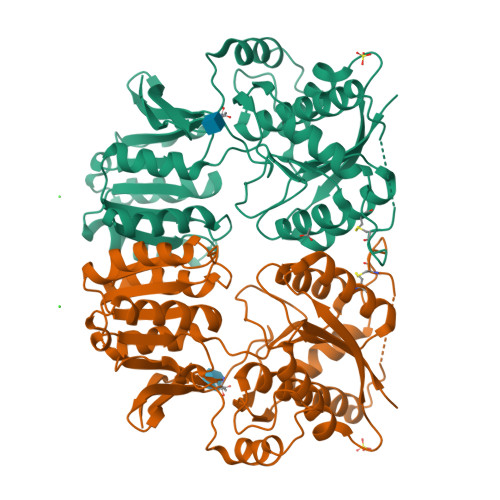 Click to view 3D structure | Glutamate receptor 2 | P42262 | Humans | Predicted (SEA) | - Prediction Confidence Score
- 0.288
- Applicability Domain
- 0.333
- Statistical Significance
- 6.50e-04
- Supporting Reference Compounds
- 41
- E-value
- 5.0602
|
| Click to view 3D structure | Metabotropic glutamate receptor 2 | P31421 | Rattus norvegicus | Predicted (SEA) | - Prediction Confidence Score
- 0.285
- Applicability Domain
- 0.333
- Statistical Significance
- 0.0035
- Supporting Reference Compounds
- 53
- E-value
- 27.3251
|
| Click to view 3D structure | Metabotropic glutamate receptor 6 | P35349 | Rattus norvegicus | Predicted (SEA) | - Prediction Confidence Score
- 0.284
- Applicability Domain
- 0.333
- Statistical Significance
- 9.50e-04
- Supporting Reference Compounds
- 24
- E-value
- 7.39568
|
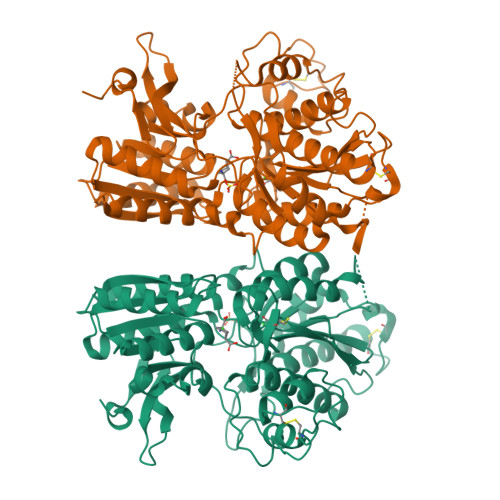 Click to view 3D structure | Metabotropic glutamate receptor 2 | Q14416 | Humans | Predicted (SEA) | - Prediction Confidence Score
- 0.283
- Applicability Domain
- 0.333
- Statistical Significance
- 0.0049
- Supporting Reference Compounds
- 85
- E-value
- 38.5354
|
 Click to view 3D structure | Glutamate receptor 3 | P19492 | Rattus norvegicus | Predicted (SEA) | - Prediction Confidence Score
- 0.281
- Applicability Domain
- 0.333
- Statistical Significance
- 5.00e-04
- Supporting Reference Compounds
- 30
- E-value
- 3.89246
|
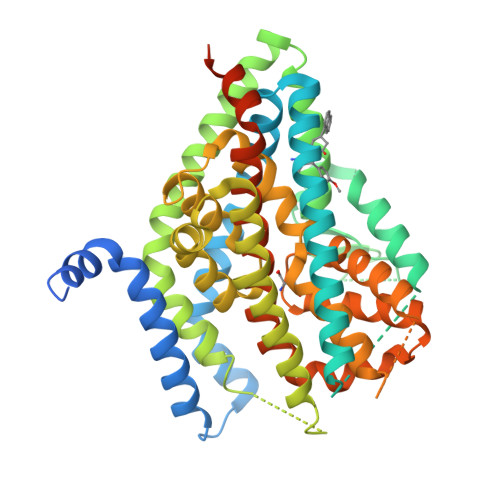 Click to view 3D structure | Excitatory amino acid transporter 1 | P43003 | Humans | Predicted (SEA) | - Prediction Confidence Score
- 0.279
- Applicability Domain
- 0.52
- Statistical Significance
- 6.90e-04
- Supporting Reference Compounds
- 11
- E-value
- 5.3716
|
| Click to view 3D structure | Glutamate receptor ionotropic, kainate 5 | Q16478 | Humans | Predicted (SEA) | - Prediction Confidence Score
- 0.279
- Applicability Domain
- 0.333
- Statistical Significance
- 5.30e-04
- Supporting Reference Compounds
- 17
- E-value
- 4.12601
|
| Click to view 3D structure | Metabotropic glutamate receptor 4 | P31423 | Rattus norvegicus | Predicted (SEA) | - Prediction Confidence Score
- 0.278
- Applicability Domain
- 0.333
- Statistical Significance
- 0.0068
- Supporting Reference Compounds
- 38
- E-value
- 52.7818
|
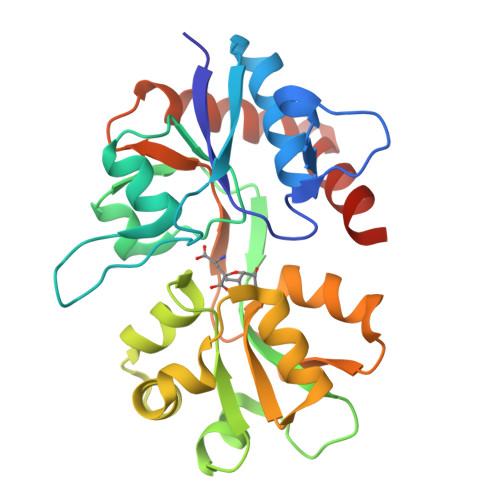 Click to view 3D structure | Glutamate receptor ionotropic, kainate 2 | Q13002 | Humans | Predicted (SEA) | - Prediction Confidence Score
- 0.277
- Applicability Domain
- 0.333
- Statistical Significance
- 5.20e-04
- Supporting Reference Compounds
- 16
- E-value
- 4.04816
|
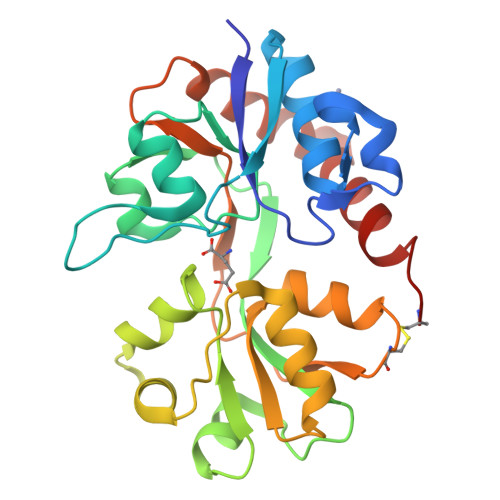 Click to view 3D structure | Glutamate receptor 2 | P19491 | Rattus norvegicus | Predicted (SEA) | - Prediction Confidence Score
- 0.276
- Applicability Domain
- 0.333
- Statistical Significance
- 5.80e-04
- Supporting Reference Compounds
- 34
- E-value
- 4.51525
|
| Click to view 3D structure | Glutamate--cysteine ligase catalytic subunit | P48506 | Humans | Predicted (SEA) | - Prediction Confidence Score
- 0.275
- Applicability Domain
- 0.275 Low confidence
- Statistical Significance
- 4.50e-04
- Supporting Reference Compounds
- 1
- E-value
- 3.50322
|
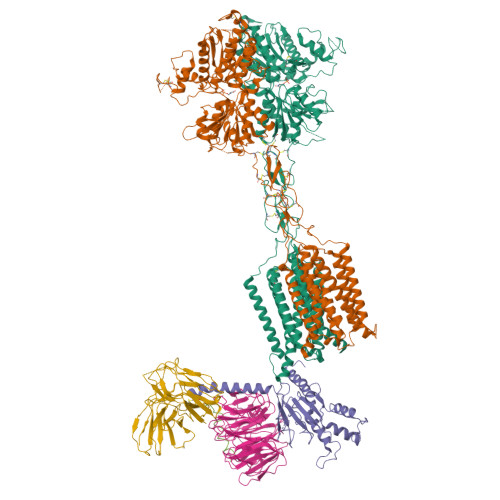 Click to view 3D structure | Metabotropic glutamate receptor 4 | Q14833 | Humans | Predicted (SEA) | - Prediction Confidence Score
- 0.275
- Applicability Domain
- 0.333
- Statistical Significance
- 0.0115
- Supporting Reference Compounds
- 69
- E-value
- 89.6045
|
 Click to view 3D structure | Metabotropic glutamate receptor 1 | Q13255 | Humans | Predicted (SEA) | - Prediction Confidence Score
- 0.274
- Applicability Domain
- 0.333
- Statistical Significance
- 0.0042
- Supporting Reference Compounds
- 68
- E-value
- 32.4631
|

