Glycerol triisopalmitate (CED0000414)

Record Information
Version1.0
Creation Date2026-04-02 23:08:00 UTC
Update Date2026-05-20 17:22:30 UTC
Accession NumberCHEM058989
Identification
Common NameGlycerol triisopalmitate
ClassSmall Molecule
Description
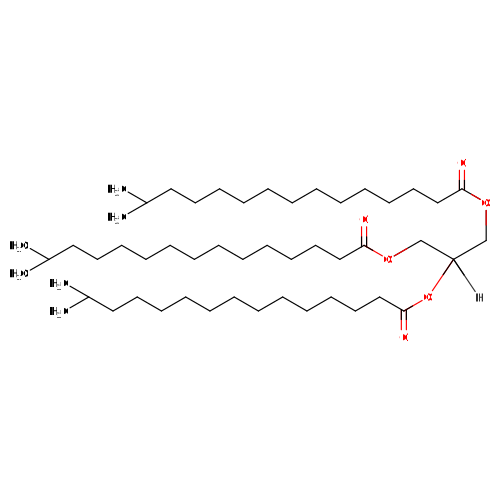
Glycerol triisopalmitate belongs to the triradylcglycerols, a subclass of glycerolipids within the organic compounds. With an average molecular weight of 807.34 g/mol, Glycerol triisopalmitate is a heavy molecule. It has the chemical formula C51H98O6 and is classified within the superclass of lipids and lipid-like molecules. In industrial applications, this compound is utilized as a viscosity modifier as well as a softener and conditioner.
Contaminant TypeNot Available
Chemical Structure
Synonyms
ValueSource
1-isohexadecanoyl-2-isohexadecanoyl-3-isohexadecanoyl-glycerolLipid Annotator, HMDB
TriacylglycerolLipid Annotator, HMDB
TAG(i-16:0/i-16:0/i-16:0)Lipid Annotator, HMDB
TG(48:0)Lipid Annotator, HMDB
TriglycerideLipid Annotator, HMDB
Tracylglycerol(i-16:0/i-16:0/i-16:0)Lipid Annotator, HMDB
Tracylglycerol(48:0)Lipid Annotator, HMDB
TG(i-16:0/i-16:0/i-16:0)Lipid Annotator
TAG(48:0)Lipid Annotator, HMDB
Chemical FormulaC51H98O6
Average Molecular Mass807.339 g/mol
Monoisotopic Mass806.736 g/mol
CAS Registry Number68957-79-9
IUPAC Name1,3-bis[(14-methylpentadecanoyl)oxy]propan-2-yl 14-methylpentadecanoate
Traditional Name1,3-bis[(14-methylpentadecanoyl)oxy]propan-2-yl 14-methylpentadecanoate
SMILESCC(C)CCCCCCCCCCCCC(=O)OCC(COC(=O)CCCCCCCCCCCCC(C)C)OC(=O)CCCCCCCCCCCCC(C)C
InChI IdentifierInChI=1S/C51H98O6/c1-45(2)37-31-25-19-13-7-10-16-22-28-34-40-49(52)55-43-48(57-51(54)42-36-30-24-18-12-9-15-21-27-33-39-47(5)6)44-56-50(53)41-35-29-23-17-11-8-14-20-26-32-38-46(3)4/h45-48H,7-44H2,1-6H3
InChI KeyFUTGDWNFCMWSJT-UHFFFAOYSA-N
Chemical Taxonomy
Description Belongs to the class of organic compounds known as triacylglycerols. These are glycerides consisting of three fatty acid chains covalently bonded to a glycerol molecule through ester linkages.
KingdomOrganic compounds
Super ClassLipids and lipid-like molecules
ClassGlycerolipids
Sub ClassTriradylcglycerols
Direct ParentTriacylglycerols
Alternative Parents
Substituents
  • Triacyl-sn-glycerol
  • Tricarboxylic acid or derivatives
  • Fatty acid ester
  • Fatty acyl
  • Carboxylic acid ester
  • Carboxylic acid derivative
  • Organic oxygen compound
  • Organic oxide
  • Hydrocarbon derivative
  • Organooxygen compound
  • Carbonyl group
  • Aliphatic acyclic compound
Molecular FrameworkAliphatic acyclic compounds
External DescriptorsNot Available
Biological Properties
StatusDetected and Not Quantified
OriginNot Available
Cellular LocationsNot Available
Biofluid LocationsNot Available
Tissue LocationsNot Available
ApplicationsNot Available
Biological RolesNot Available
Chemical RolesNot Available
Organoleptic EffectsNot Available
Physical Properties
StateNot Available
AppearanceNot Available
Experimental Properties
PropertyValue
Melting PointNot Available
Boiling PointNot Available
SolubilityNot Available
Predicted Properties
PropertyValueSource
Water Solubility9.8e-06 g/LALOGPS
logP10.06ALOGPS
logP18.45ChemAxon
logS-7.9ALOGPS
pKa (Strongest Basic)-6.6ChemAxon
Physiological Charge0ChemAxon
Hydrogen Acceptor Count3ChemAxon
Hydrogen Donor Count0ChemAxon
Polar Surface Area78.9 ŲChemAxon
Rotatable Bond Count47ChemAxon
Refractivity241.13 m³·mol⁻¹ChemAxon
Polarizability108.33 ųChemAxon
Number of Rings0ChemAxon
BioavailabilityNoChemAxon
Rule of FiveNoChemAxon
Ghose FilterNoChemAxon
Veber's RuleNoChemAxon
MDDR-like RuleNoChemAxon
Spectra
Spectra
Spectrum TypeDescriptionSplash KeyDeposition DateView
Predicted LC-MS/MSPredicted LC-MS/MS Spectrumsplash10-00di-0000000090-2dcd9d1c90fb060e2d76Not AvailableView Spectrum
Predicted LC-MS/MSPredicted LC-MS/MS Spectrumsplash10-0zfr-0000090070-5e4488c43f4273c179ddNot AvailableView Spectrum
Predicted LC-MS/MSPredicted LC-MS/MS Spectrumsplash10-00di-0000000090-c9b5cf0ac5a5011ec584Not AvailableView Spectrum
Predicted LC-MS/MSPredicted LC-MS/MS Spectrumsplash10-0zfr-0010090070-13293a79e092976cb1e0Not AvailableView Spectrum
Predicted LC-MS/MSPredicted LC-MS/MS Spectrumsplash10-004i-0000000090-feacb9716f0cce2e39b9Not AvailableView Spectrum
Predicted LC-MS/MSPredicted LC-MS/MS Spectrumsplash10-03di-0000000090-497b97a123d4ddbee56bNot AvailableView Spectrum
Predicted LC-MS/MSPredicted LC-MS/MS Spectrumsplash10-08fr-0090090090-3d1ee4df7694f2a67b63Not AvailableView Spectrum
Predicted LC-MS/MSPredicted LC-MS/MS Spectrumsplash10-0a4i-0070080190-3211cadaf416175d4e68Not AvailableView Spectrum
Predicted LC-MS/MSPredicted LC-MS/MS Spectrumsplash10-053r-0090020000-f62d61fe265c59a8cf12Not AvailableView Spectrum
Predicted LC-MS/MSPredicted LC-MS/MS Spectrumsplash10-0a59-0190020000-5d1ae65dc19089475b46Not AvailableView Spectrum
Predicted LC-MS/MSPredicted LC-MS/MS Spectrumsplash10-0a4i-9230042380-01e0805c44c46ed4592cNot AvailableView Spectrum
Predicted LC-MS/MSPredicted LC-MS/MS Spectrumsplash10-0a4r-9130111200-b7bba1a3ab22f7f92250Not AvailableView Spectrum
Predicted LC-MS/MSPredicted LC-MS/MS Spectrumsplash10-052r-7295003000-16f6fae87c53dcc8ab54Not AvailableView Spectrum
Toxicity Profile
Mechanism of ToxicityNot Available
Carcinogenicity (IARC Classification)Not Available
Minimum Risk LevelNot Available
SymptomsNot Available
TreatmentNot Available
Toxicity Values
Toxicity ValueUnitValue RangeOrganismDose DescriptorRoute of ExposurePredicted or ExperimentalReference
17447.0Log mg/kg[9800:31000]RatLD50oralpredictedNot Available
Health Effects
Health EffectRelationshipDirectionReference
Exposure Sources
Source IDSourceSectorReference
490Personal care & cosmeticsNot Available
616Face Mask CosmeticsPersonal care & cosmeticsNot Available
Pathways
0 pathways

No pathways found

No metabolic pathways have been associated with this synthetic chemical

Targets
StructureProteinUniProt IDOrganismRelationshipDetails
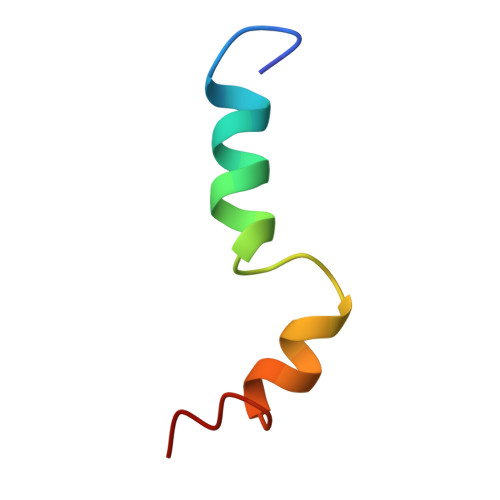
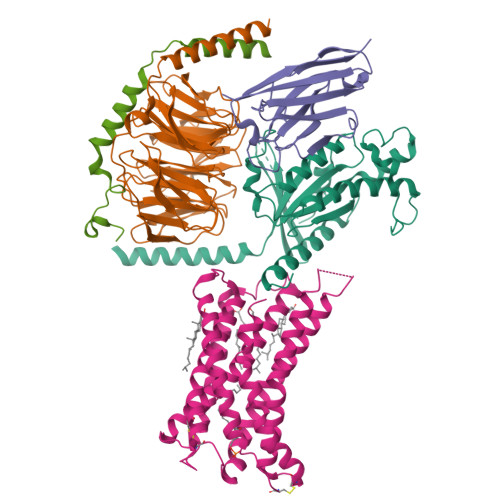
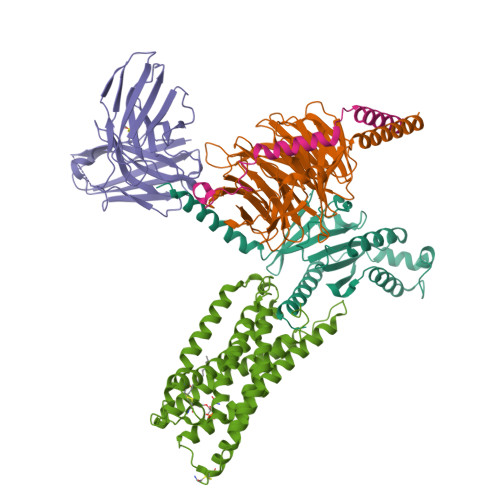
Cannabinoid receptor 1 structureClick to view 3D structureCannabinoid receptor 1P21554HumansPredicted (SEA)595.469
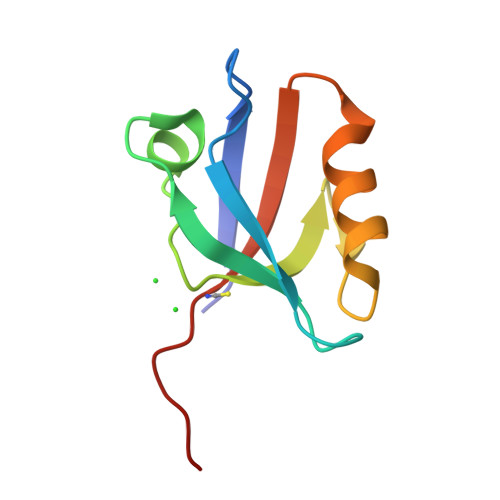
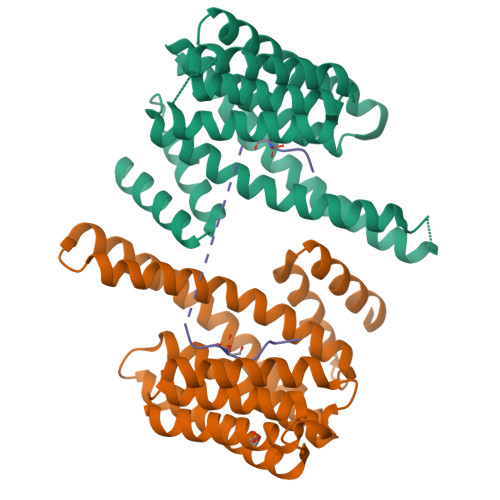
Click to view 3D structureHTH-type quorum-sensing regulator RhlRP54292Pseudomonas aeruginosa (strain ATCC 15692 / PAO1 / 1C / PRS 101 / LMG12228)Predicted (SEA)2.88042
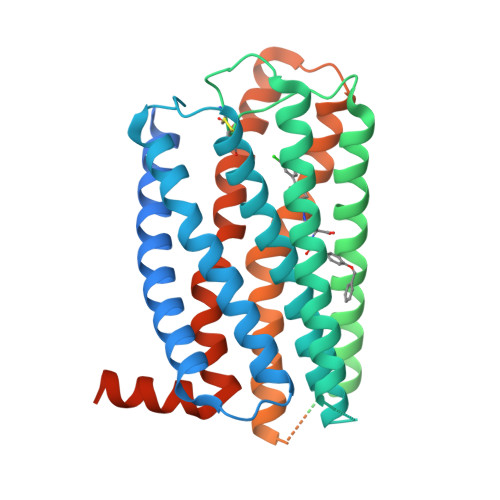
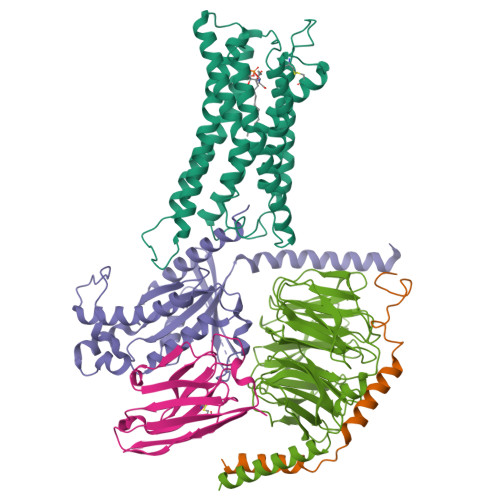
Cannabinoid receptor 2 structureClick to view 3D structureCannabinoid receptor 2P34972HumansPredicted (SEA)609.17
Click to view 3D structureCytochrome P450 4A4P10611Oryctolagus cuniculusPredicted (SEA)3.03612
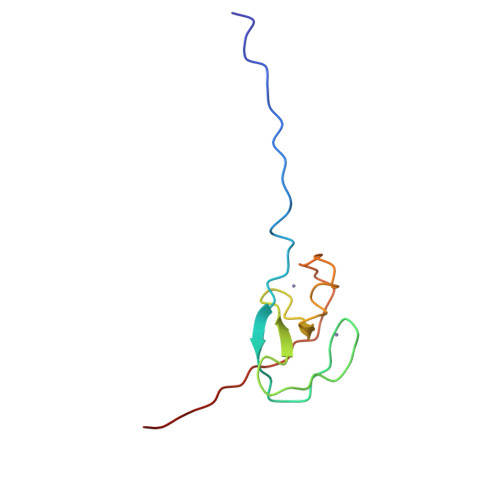
Click to view 3D structureCAI-1 autoinducer sensor kinase/phosphatase CqsSQ9KM66Vibrio cholerae serotype O1 (strain ATCC 39315 / El Tor Inaba N16961)Predicted (SEA)16.0369
Click to view 3D structureFatty-acid amide hydrolase 1P97612Rattus norvegicusPredicted (SEA)511.469
Click to view 3D structureDiacylglycerol lipase-alphaQ9Y4D2HumansPredicted (SEA)138.338
Autotaxin structureClick to view 3D structureAutotaxinQ13822HumansPredicted (SEA)3.03612
Click to view 3D structureLysophosphatidic acid receptor 3Q9UBY5HumansPredicted (SEA)1.40129
Lysophosphatidic acid receptor 1 structureClick to view 3D structureLysophosphatidic acid receptor 1Q92633HumansPredicted (SEA)1.94623
Lysophosphatidic acid receptor 2 structureClick to view 3D structureLysophosphatidic acid receptor 2Q9HBW0HumansPredicted (SEA)1.63483
Click to view 3D structureMitochondrial carnitine/acylcarnitine carrier proteinO43772HumansPredicted (SEA)0.700643
Click to view 3D structureLysophosphatidic acid receptor 4Q8BLG2Mus musculusPredicted (SEA)4.04816
Protein kinase C alpha type structureClick to view 3D structureProtein kinase C alpha typeP17252HumansPredicted (SEA)70.3757
Click to view 3D structureLysophosphatidic acid receptor 4Q99677HumansPredicted (SEA)2.88042
Lysophosphatidic acid receptor 6 structureClick to view 3D structureLysophosphatidic acid receptor 6P43657HumansPredicted (SEA)2.02408
Click to view 3D structureProtein kinase C alpha typeP04409Bos taurusPredicted (SEA)0.544945
Putative P2Y purinoceptor 10 structureClick to view 3D structurePutative P2Y purinoceptor 10O00398HumansPredicted (SEA)5.60514
Click to view 3D structureLysophosphatidic acid receptor 5Q9H1C0HumansPredicted (SEA)2.80257
Click to view 3D structureCytochrome P450 2C23P24470Rattus norvegicusPredicted (SEA)2.02408
Protein kinase C epsilon type structureClick to view 3D structureProtein kinase C epsilon typeQ02156HumansPredicted (SEA)318.637
Probable G-protein coupled receptor 34 structureClick to view 3D structureProbable G-protein coupled receptor 34Q9UPC5HumansPredicted (SEA)11.9888
Probable G-protein coupled receptor 174 structureClick to view 3D structureProbable G-protein coupled receptor 174Q9BXC1HumansPredicted (SEA)5.76084
Click to view 3D structureToll-like receptor 2Q9QUN7Mus musculusPredicted (SEA)23.8219
Toll-like receptor 2 structureClick to view 3D structureToll-like receptor 2O60603HumansPredicted (SEA)6.92858
Concentrations
Not Available
External Links
DrugBank IDNot Available
HMDB IDHMDB0104212
FooDB IDFDB076036
Phenol Explorer IDNot Available
KNApSAcK IDNot Available
BiGG IDNot Available
BioCyc IDNot Available
METLIN IDNot Available
PDB IDNot Available
Wikipedia LinkNot Available
Chemspider ID100353
ChEBI IDNot Available
PubChem Compound ID111921
Kegg Compound IDNot Available
YMDB IDNot Available
ECMDB IDNot Available
References
Synthesis ReferenceNot Available
MSDSNot Available
General References
1. Quehenberger O, Armando AM, Brown AH, Milne SB, Myers DS, Merrill AH, Bandyopadhyay S, Jones KN, Kelly S, Shaner RL, Sullards CM, Wang E, Murphy RC, Barkley RM, Leiker TJ, Raetz CR, Guan Z, Laird GM, Six DA, Russell DW, McDonald JG, Subramaniam S, Fahy E, Dennis EA: Lipidomics reveals a remarkable diversity of lipids in human plasma. J Lipid Res. 2010 Nov;51(11):3299-305. doi: 10.1194/jlr.M009449. Epub 2010 Jul 29.
2. Lopez-Lopez A, Lopez-Sabater MC, Campoy-Folgoso C, Rivero-Urgell M, Castellote-Bargallo AI: Fatty acid and sn-2 fatty acid composition in human milk from Granada (Spain) and in infant formulas. Eur J Clin Nutr. 2002 Dec;56(12):1242-54.
3. Jenkins B, West JA, Koulman A: A review of odd-chain fatty acid metabolism and the role of pentadecanoic Acid (c15:0) and heptadecanoic Acid (c17:0) in health and disease. Molecules. 2015 Jan 30;20(2):2425-44. doi: 10.3390/molecules20022425.
4. Kingsbury KJ, Morgan DM: The analysis of the fatty acids of normal human depot fat by gas-liquid chromatography. Biochem J. 1964 Jan;90(1):140-7.
5. Simons K, Toomre D: Lipid rafts and signal transduction. Nat Rev Mol Cell Biol. 2000 Oct;1(1):31-9.
6. Watson AD: Thematic review series: systems biology approaches to metabolic and cardiovascular disorders. Lipidomics: a global approach to lipid analysis in biological systems. J Lipid Res. 2006 Oct;47(10):2101-11. Epub 2006 Aug 10.
7. Sethi JK, Vidal-Puig AJ: Thematic review series: adipocyte biology. Adipose tissue function and plasticity orchestrate nutritional adaptation. J Lipid Res. 2007 Jun;48(6):1253-62. Epub 2007 Mar 20.
8. Lingwood D, Simons K: Lipid rafts as a membrane-organizing principle. Science. 2010 Jan 1;327(5961):46-50. doi: 10.1126/science.1174621.
9. Ghosh S, Strum JC, Bell RM: Lipid biochemistry: functions of glycerolipids and sphingolipids in cellular signaling. FASEB J. 1997 Jan;11(1):45-50.
10. The lipid handbook with CD-ROM
11. Triglycerides and Cholesterol Research