Click to view 3D structure Click to view 3D structure | Solute carrier organic anion transporter family member 2B1 | Q9JHI3 | Rattus norvegicus | Predicted (SEA) | 0.0778492 |
| Click to view 3D structure | Nuclear receptor subfamily 4 group A member 2 | Q07917 | Rattus norvegicus | Predicted (SEA) | 0.0778492 |
| Click to view 3D structure | Solute carrier organic anion transporter family member 2A1 | Q9EPT5 | Mus musculus | Predicted (SEA) | 0.233548 |
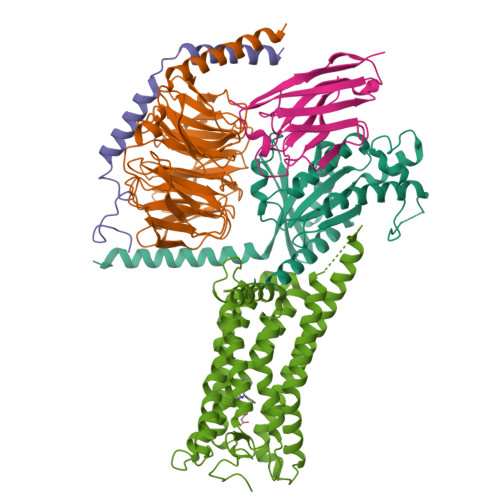 Click to view 3D structure Click to view 3D structure | Prostacyclin receptor | P43119 | Humans | Predicted (SEA) | 1.94623 |
 Click to view 3D structure Click to view 3D structure | Prostaglandin E2 receptor EP2 subtype | P43116 | Humans | Predicted (SEA) | 3.34752 |
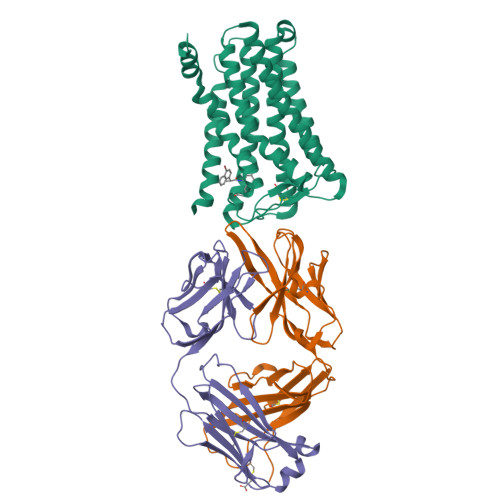 Click to view 3D structure Click to view 3D structure | Prostaglandin E2 receptor EP4 subtype | P35408 | Humans | Predicted (SEA) | 3.03612 |
| Click to view 3D structure | Prostaglandin E2 receptor EP1 subtype | P35375 | Mus musculus | Predicted (SEA) | 3.11397 |
| Click to view 3D structure | Prostaglandin E2 receptor EP3 subtype | P30557 | Mus musculus | Predicted (SEA) | 4.20386 |
| Click to view 3D structure | Prostaglandin E2 receptor EP4 subtype | P32240 | Mus musculus | Predicted (SEA) | 3.11397 |
| Click to view 3D structure | Prostaglandin E2 receptor EP2 subtype | Q62053 | Mus musculus | Predicted (SEA) | 2.95827 |
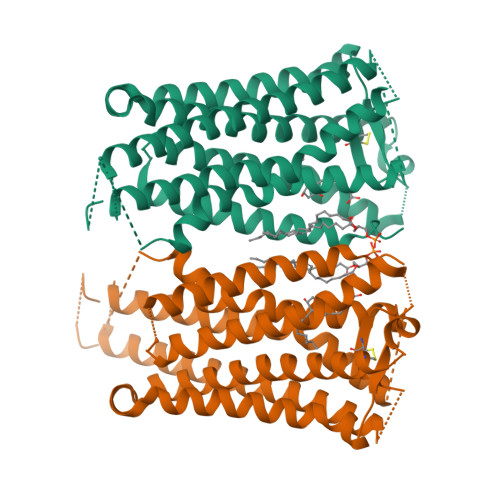 Click to view 3D structure Click to view 3D structure | Prostaglandin E2 receptor EP3 subtype | P43115 | Humans | Predicted (SEA) | 5.2159 |
| Click to view 3D structure | Prostaglandin E2 receptor EP1 subtype | P34995 | Humans | Predicted (SEA) | 6.46149 |
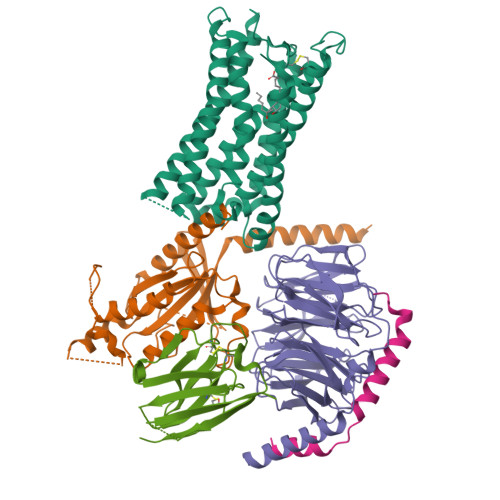 Click to view 3D structure Click to view 3D structure | Prostaglandin F2-alpha receptor | P43088 | Humans | Predicted (SEA) | 4.5931 |
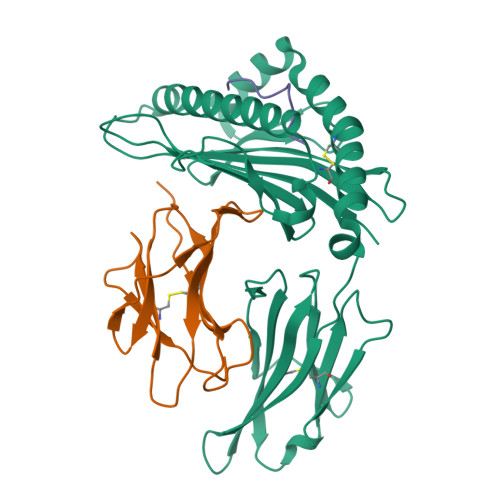 Click to view 3D structure Click to view 3D structure | Solute carrier organic anion transporter family member 2A1 | Q92959 | Humans | Predicted (SEA) | 0.544945 |
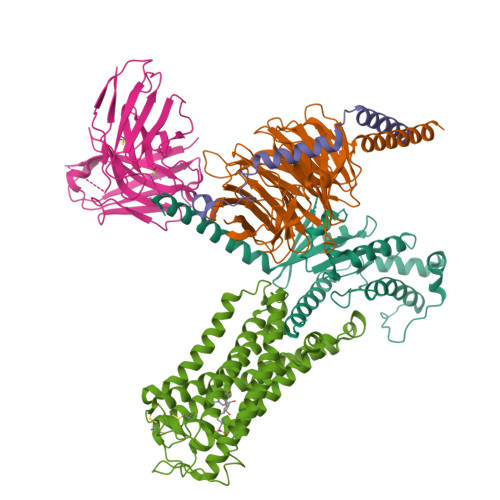 Click to view 3D structure Click to view 3D structure | Thromboxane A2 receptor | P21731 | Humans | Predicted (SEA) | 8.17417 |
 Click to view 3D structure Click to view 3D structure | Peroxisome proliferator-activated receptor gamma | P37231 | Humans | Predicted (SEA) | 38.0683 |
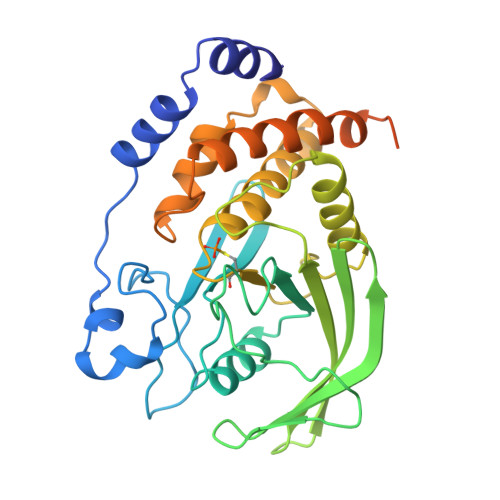 Click to view 3D structure Click to view 3D structure | Tyrosine-protein phosphatase non-receptor type 1 | P18031 | Humans | Predicted (SEA) | 22.4984 |
 Click to view 3D structure Click to view 3D structure | Peroxisome proliferator-activated receptor alpha | Q07869 | Humans | Predicted (SEA) | 32.8524 |
 Click to view 3D structure Click to view 3D structure | Peroxisome proliferator-activated receptor delta | Q03181 | Humans | Predicted (SEA) | 26.6244 |
| Click to view 3D structure | Prostaglandin E2 receptor EP2 subtype | Q62928 | Rattus norvegicus | Predicted (SEA) | 1.55698 |
| Click to view 3D structure | Prostaglandin D2 receptor | Q13258 | Humans | Predicted (SEA) | 10.8989 |
| Click to view 3D structure | Prostaglandin F2-alpha receptor | P37289 | Bos taurus | Predicted (SEA) | 0.622794 |
| Click to view 3D structure | Prostaglandin E2 receptor EP4 subtype | P43114 | Rattus norvegicus | Predicted (SEA) | 2.17978 |
| Click to view 3D structure | Transient receptor potential cation channel subfamily V member 2 | Q9WUD2 | Rattus norvegicus | Predicted (SEA) | 12.5337 |
| Click to view 3D structure | Nuclear receptor subfamily 4 group A member 2 | Q06219 | Mus musculus | Predicted (SEA) | 0.0778492 |