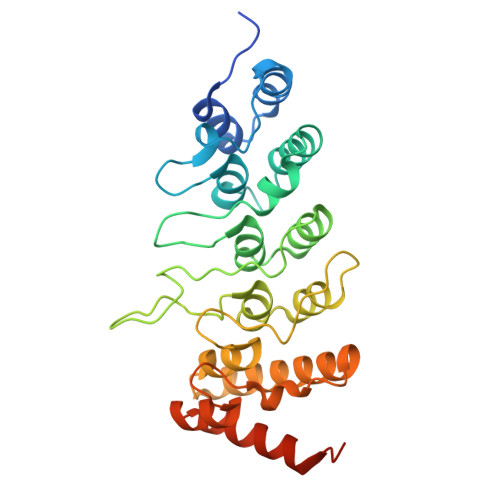
 Click to view 3D structure | Transient receptor potential cation channel subfamily V member 1 | Q8NER1 | Humans | Predicted (SEA) | - Prediction Confidence Score
- 0.628
- Applicability Domain
- 0.889
- Statistical Significance
- 9.00e-05
- Supporting Reference Compounds
- 104
- E-value
- 0.700643
|
 Click to view 3D structure | Cannabinoid receptor 1 | P20272 | Rattus norvegicus | Predicted (SEA) | - Prediction Confidence Score
- 0.621
- Applicability Domain
- 0.889
- Statistical Significance
- 2.30e-04
- Supporting Reference Compounds
- 83
- E-value
- 1.79053
|
 Click to view 3D structure | Transient receptor potential cation channel subfamily V member 2 | Q9WUD2 | Rattus norvegicus | Predicted (SEA) | - Prediction Confidence Score
- 0.572
- Applicability Domain
- 0.611
- Statistical Significance
- 1.70e-04
- Supporting Reference Compounds
- 21
- E-value
- 1.32344
|
| Click to view 3D structure | Cannabinoid receptor 2 | Q9QZN9 | Rattus norvegicus | Predicted (SEA) | - Prediction Confidence Score
- 0.536
- Applicability Domain
- 0.889
- Statistical Significance
- 9.00e-05
- Supporting Reference Compounds
- 20
- E-value
- 0.700643
|
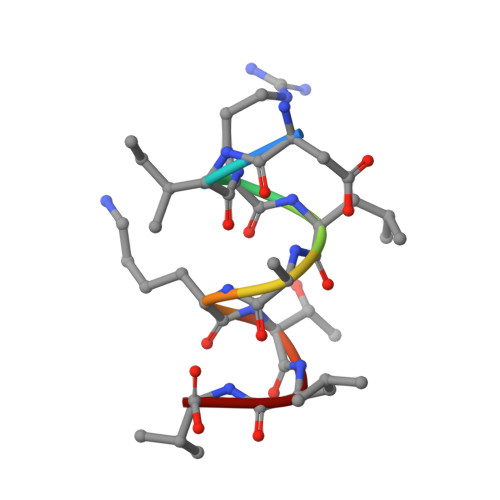 Click to view 3D structure | Cannabinoid receptor 1 | P21554 | Humans | Predicted (SEA) | - Prediction Confidence Score
- 0.535
- Applicability Domain
- 0.565
- Statistical Significance
- 7.60e-04
- Supporting Reference Compounds
- 200
- E-value
- 5.91654
|
 Click to view 3D structure | Cannabinoid receptor 2 | P34972 | Humans | Predicted (SEA) | - Prediction Confidence Score
- 0.528
- Applicability Domain
- 0.565
- Statistical Significance
- 6.90e-04
- Supporting Reference Compounds
- 175
- E-value
- 5.3716
|
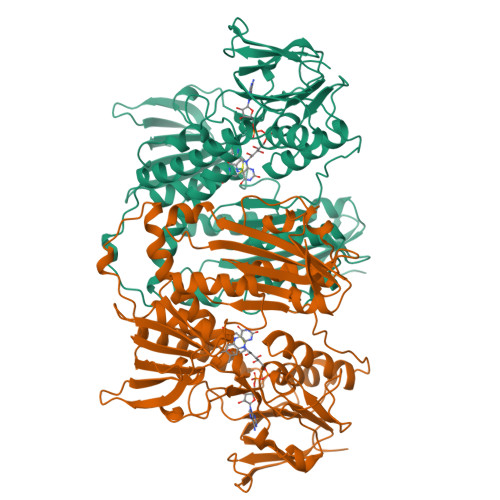 Click to view 3D structure | Trypanothione reductase | P39040 | Crithidia fasciculata | Predicted (SEA) | - Prediction Confidence Score
- 0.52
- Applicability Domain
- 0.52
- Statistical Significance
- 2.00e-05
- Supporting Reference Compounds
- 1
- E-value
- 0.155698
|
 Click to view 3D structure | Transient receptor potential cation channel subfamily V member 1 | O35433 | Rattus norvegicus | Predicted (SEA) | - Prediction Confidence Score
- 0.512
- Applicability Domain
- 0.611
- Statistical Significance
- 1.50e-04
- Supporting Reference Compounds
- 21
- E-value
- 1.16774
|
| Click to view 3D structure | Fatty-acid amide hydrolase 1 | O00519 | Humans | Predicted (SEA) | - Prediction Confidence Score
- 0.502
- Applicability Domain
- 0.538
- Statistical Significance
- 8.20e-04
- Supporting Reference Compounds
- 106
- E-value
- 6.38364
|
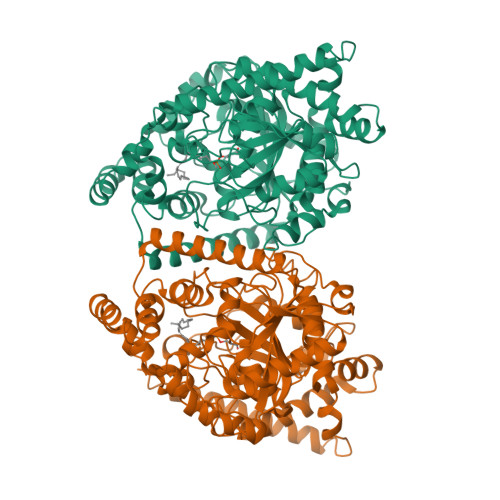 Click to view 3D structure | Fatty-acid amide hydrolase 1 | P97612 | Rattus norvegicus | Predicted (SEA) | - Prediction Confidence Score
- 0.49
- Applicability Domain
- 0.563
- Statistical Significance
- 7.10e-04
- Supporting Reference Compounds
- 102
- E-value
- 5.52729
|
 Click to view 3D structure | Peroxisome proliferator-activated receptor alpha | Q07869 | Humans | Predicted (SEA) | - Prediction Confidence Score
- 0.445
- Applicability Domain
- 0.565
- Statistical Significance
- 0.0016
- Supporting Reference Compounds
- 127
- E-value
- 12.6116
|
 Click to view 3D structure | Peroxisome proliferator-activated receptor delta | Q03181 | Humans | Predicted (SEA) | - Prediction Confidence Score
- 0.445
- Applicability Domain
- 0.565
- Statistical Significance
- 0.0012
- Supporting Reference Compounds
- 89
- E-value
- 9.10836
|
| Click to view 3D structure | Cannabinoid receptor 2 | P47936 | Mus musculus | Predicted (SEA) | - Prediction Confidence Score
- 0.433
- Applicability Domain
- 0.51
- Statistical Significance
- 8.70e-04
- Supporting Reference Compounds
- 39
- E-value
- 6.77288
|
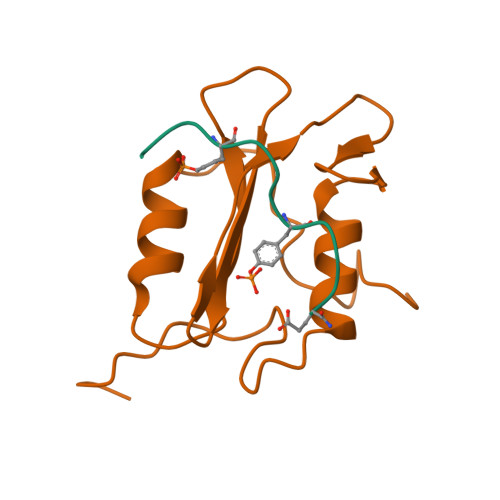 Click to view 3D structure | 1-phosphatidylinositol 4,5-bisphosphate phosphodiesterase gamma-1 | P08487 | Bos taurus | Predicted (SEA) | - Prediction Confidence Score
- 0.424
- Applicability Domain
- 0.451
- Statistical Significance
- 6.00e-05
- Supporting Reference Compounds
- 3
- E-value
- 0.467095
|
| Click to view 3D structure | Cannabinoid receptor 1 | P47746 | Mus musculus | Predicted (SEA) | - Prediction Confidence Score
- 0.408
- Applicability Domain
- 0.51
- Statistical Significance
- 6.40e-04
- Supporting Reference Compounds
- 42
- E-value
- 4.98235
|
 Click to view 3D structure | Peroxisome proliferator-activated receptor gamma | P37231 | Humans | Predicted (SEA) | - Prediction Confidence Score
- 0.405
- Applicability Domain
- 0.417
- Statistical Significance
- 0.003
- Supporting Reference Compounds
- 192
- E-value
- 23.6662
|
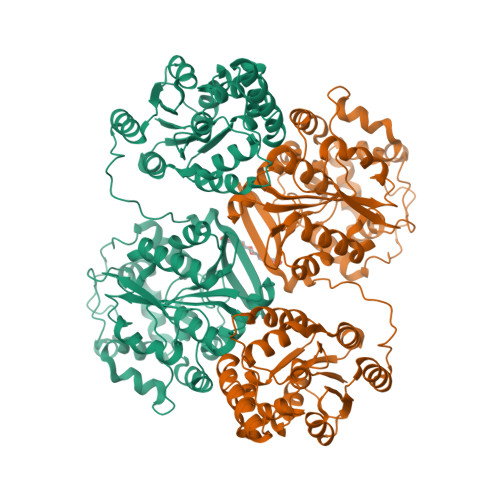 Click to view 3D structure | Bifunctional epoxide hydrolase 2 | P34913 | Humans | Predicted (SEA) | - Prediction Confidence Score
- 0.394
- Applicability Domain
- 0.538
- Statistical Significance
- 0.0018
- Supporting Reference Compounds
- 93
- E-value
- 14.1686
|
| Click to view 3D structure | 5-hydroxytryptamine receptor 2A | P35363 | Mus musculus | Predicted (SEA) | - Prediction Confidence Score
- 0.392
- Applicability Domain
- 1.0
- Statistical Significance
- 4.10e-04
- Supporting Reference Compounds
- 47
- E-value
- 3.19182
|
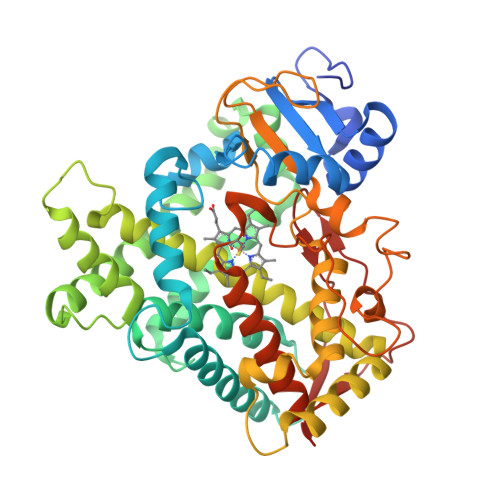 Click to view 3D structure | Cytochrome P450 2C9 | P11712 | Humans | Predicted (SEA) | - Prediction Confidence Score
- 0.387
- Applicability Domain
- 0.482
- Statistical Significance
- 0.0218
- Supporting Reference Compounds
- 1245
- E-value
- 170.023
|
 Click to view 3D structure | Cytochrome P450 2C8 | P10632 | Humans | Predicted (SEA) | - Prediction Confidence Score
- 0.383
- Applicability Domain
- 0.482
- Statistical Significance
- 0.0039
- Supporting Reference Compounds
- 305
- E-value
- 30.439
|
 Click to view 3D structure | Cytochrome P450 1A2 | P05177 | Humans | Predicted (SEA) | - Prediction Confidence Score
- 0.382
- Applicability Domain
- 0.482
- Statistical Significance
- 0.0127
- Supporting Reference Compounds
- 793
- E-value
- 98.5571
|
 Click to view 3D structure | Cytochrome P450 2B6 | P20813 | Humans | Predicted (SEA) | - Prediction Confidence Score
- 0.38
- Applicability Domain
- 0.482
- Statistical Significance
- 8.00e-04
- Supporting Reference Compounds
- 150
- E-value
- 6.22794
|
 Click to view 3D structure | Lethal factor | P15917 | Bacillus anthracis | Predicted (SEA) | - Prediction Confidence Score
- 0.378
- Applicability Domain
- 1.0
- Statistical Significance
- 1.00e-04
- Supporting Reference Compounds
- 34
- E-value
- 0.778492
|
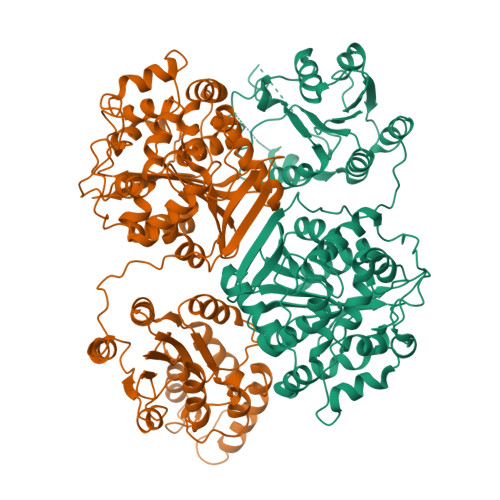 Click to view 3D structure | Bifunctional epoxide hydrolase 2 | P34914 | Mus musculus | Predicted (SEA) | - Prediction Confidence Score
- 0.376
- Applicability Domain
- 0.538
- Statistical Significance
- 8.40e-04
- Supporting Reference Compounds
- 29
- E-value
- 6.53933
|
| Click to view 3D structure | Bifunctional epoxide hydrolase 2 | P80299 | Rattus norvegicus | Predicted (SEA) | - Prediction Confidence Score
- 0.371
- Applicability Domain
- 0.538
- Statistical Significance
- 6.50e-04
- Supporting Reference Compounds
- 29
- E-value
- 5.0602
|

