 Click to view 3D structure | Carbonic anhydrase 2 | P00918 | Humans | Predicted (SEA) | - Prediction Confidence Score
- 0.277
- Applicability Domain
- 0.333
- Statistical Significance
- 0.0802
- Supporting Reference Compounds
- 472
- E-value
- 624.74
|
 Click to view 3D structure | Carbonic anhydrase 1 | P00915 | Humans | Predicted (SEA) | - Prediction Confidence Score
- 0.277
- Applicability Domain
- 0.333
- Statistical Significance
- 0.0661
- Supporting Reference Compounds
- 407
- E-value
- 514.428
|
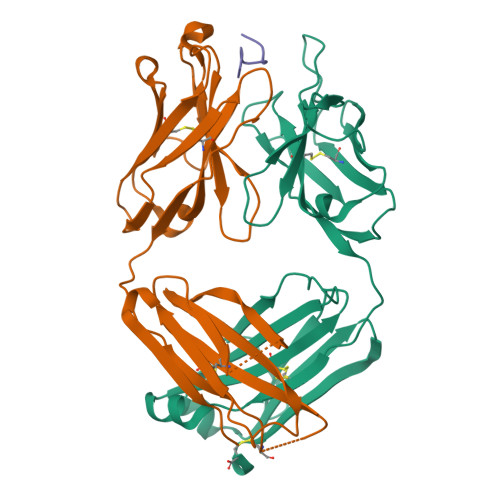 Click to view 3D structure | Carbonic anhydrase 9 | Q16790 | Humans | Predicted (SEA) | - Prediction Confidence Score
- 0.27
- Applicability Domain
- 0.333
- Statistical Significance
- 0.0742
- Supporting Reference Compounds
- 372
- E-value
- 577.33
|
 Click to view 3D structure | Carbonic anhydrase 2 | P00921 | Bos taurus | Predicted (SEA) | - Prediction Confidence Score
- 0.263
- Applicability Domain
- 0.333
- Statistical Significance
- 0.0078
- Supporting Reference Compounds
- 22
- E-value
- 60.7224
|
 Click to view 3D structure | Carbonic anhydrase 12 | O43570 | Humans | Predicted (SEA) | - Prediction Confidence Score
- 0.253
- Applicability Domain
- 0.268 Low confidence
- Statistical Significance
- 0.1101
- Supporting Reference Compounds
- 332
- E-value
- 857.353
|
 Click to view 3D structure | Carbonic anhydrase 5A, mitochondrial | P35218 | Humans | Predicted (SEA) | - Prediction Confidence Score
- 0.252
- Applicability Domain
- 0.333
- Statistical Significance
- 0.0575
- Supporting Reference Compounds
- 165
- E-value
- 448.022
|
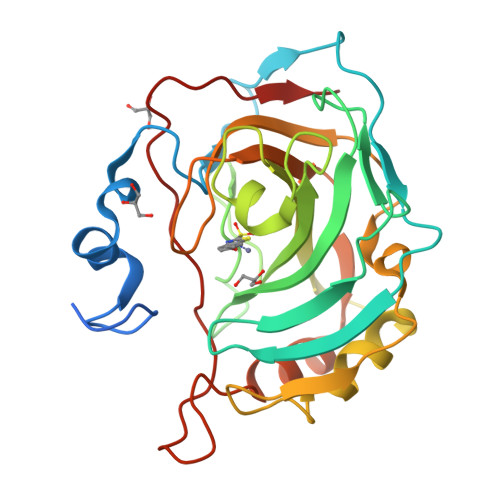 Click to view 3D structure | Carbonic anhydrase 7 | P43166 | Humans | Predicted (SEA) | - Prediction Confidence Score
- 0.25
- Applicability Domain
- 0.303
- Statistical Significance
- 0.0834
- Supporting Reference Compounds
- 242
- E-value
- 649.185
|
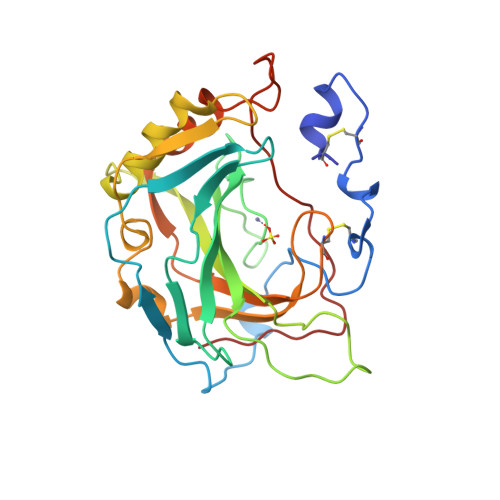 Click to view 3D structure | Carbonic anhydrase 4 | P22748 | Humans | Predicted (SEA) | - Prediction Confidence Score
- 0.246
- Applicability Domain
- 0.303
- Statistical Significance
- 0.0643
- Supporting Reference Compounds
- 193
- E-value
- 500.804
|
 Click to view 3D structure | Oxysterols receptor LXR-alpha | Q13133 | Humans | Predicted (SEA) | - Prediction Confidence Score
- 0.24
- Applicability Domain
- 0.265 Low confidence
- Statistical Significance
- 0.0263
- Supporting Reference Compounds
- 76
- E-value
- 205.133
|
 Click to view 3D structure | Beta-carbonic anhydrase 1 | P9WPJ7 | Mycobacterium tuberculosis | Predicted (SEA) | - Prediction Confidence Score
- 0.239
- Applicability Domain
- 0.268 Low confidence
- Statistical Significance
- 0.0258
- Supporting Reference Compounds
- 55
- E-value
- 201.162
|
 Click to view 3D structure | Carbonic anhydrase 13 | Q8N1Q1 | Humans | Predicted (SEA) | - Prediction Confidence Score
- 0.239
- Applicability Domain
- 0.303
- Statistical Significance
- 0.0426
- Supporting Reference Compounds
- 92
- E-value
- 331.871
|
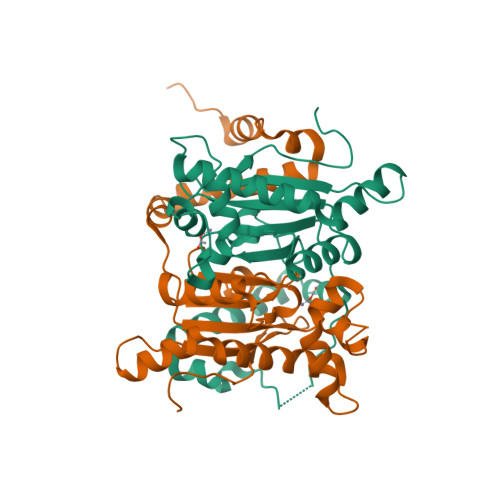 Click to view 3D structure | Carbonic anhydrase 2 | Q3I4V7 | Cryptococcus neoformans | Predicted (SEA) | - Prediction Confidence Score
- 0.238
- Applicability Domain
- 0.303
- Statistical Significance
- 0.029
- Supporting Reference Compounds
- 60
- E-value
- 225.763
|
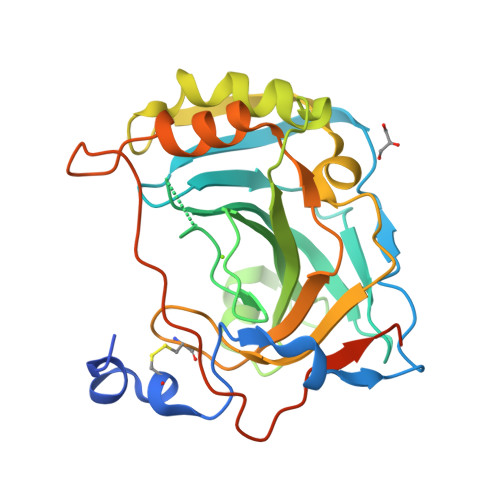 Click to view 3D structure | Carbonic anhydrase 6 | P23280 | Humans | Predicted (SEA) | - Prediction Confidence Score
- 0.238
- Applicability Domain
- 0.303
- Statistical Significance
- 0.0646
- Supporting Reference Compounds
- 151
- E-value
- 502.672
|
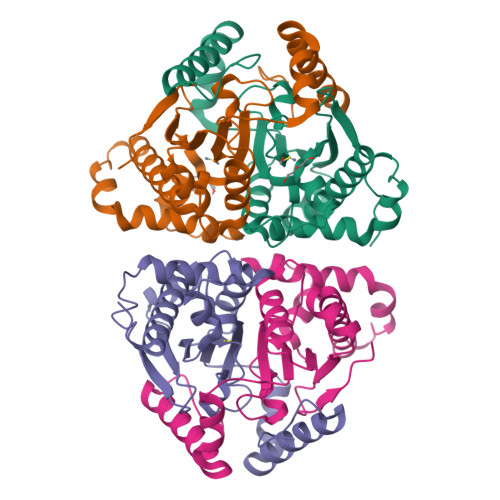 Click to view 3D structure | Carbonic anhydrase | Q5AJ71 | Candida albicans (strain SC5314 / ATCC MYA-2876) (Yeast) | Predicted (SEA) | - Prediction Confidence Score
- 0.238
- Applicability Domain
- 0.303
- Statistical Significance
- 0.0348
- Supporting Reference Compounds
- 68
- E-value
- 271.149
|
 Click to view 3D structure | Oxysterols receptor LXR-beta | P55055 | Humans | Predicted (SEA) | - Prediction Confidence Score
- 0.238
- Applicability Domain
- 0.265 Low confidence
- Statistical Significance
- 0.0232
- Supporting Reference Compounds
- 65
- E-value
- 180.454
|
| Click to view 3D structure | Carbonic anhydrase 4 | Q95323 | Bos taurus | Predicted (SEA) | - Prediction Confidence Score
- 0.236
- Applicability Domain
- 0.256 Low confidence
- Statistical Significance
- 0.037
- Supporting Reference Compounds
- 64
- E-value
- 287.731
|
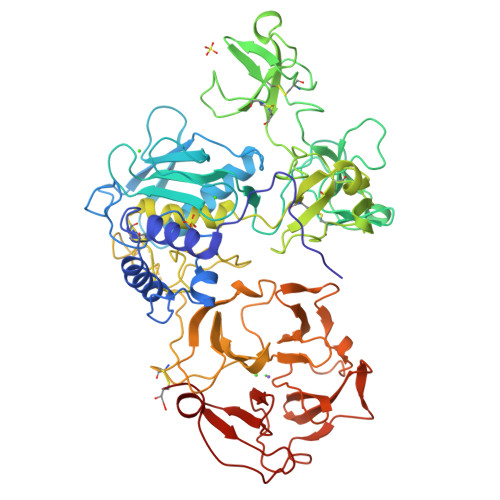 Click to view 3D structure | 72 kDa type IV collagenase | P08253 | Humans | Predicted (SEA) | - Prediction Confidence Score
- 0.235
- Applicability Domain
- 0.261 Low confidence
- Statistical Significance
- 0.2435
- Supporting Reference Compounds
- 400
- E-value
- 1895.94
|
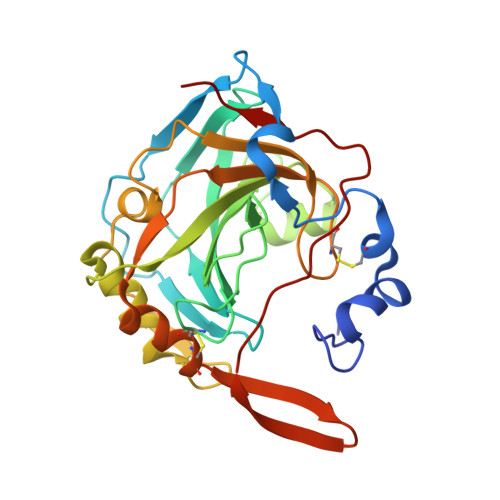 Click to view 3D structure | Receptor-type tyrosine-protein phosphatase zeta | P23471 | Humans | Predicted (SEA) | - Prediction Confidence Score
- 0.235
- Applicability Domain
- 0.25 Low confidence
- Statistical Significance
- 4.10e-04
- Supporting Reference Compounds
- 2
- E-value
- 3.19182
|
| Click to view 3D structure | PROBABLE TRANSMEMBRANE CARBONIC ANHYDRASE (CARBONATE DEHYDRATASE) (CARBONIC DEHYDRATASE) | P96878 | Mycobacterium tuberculosis | Predicted (SEA) | - Prediction Confidence Score
- 0.233
- Applicability Domain
- 0.268 Low confidence
- Statistical Significance
- 0.0292
- Supporting Reference Compounds
- 38
- E-value
- 227.242
|
 Click to view 3D structure | Prostaglandin G/H synthase 2 | P35354 | Humans | Predicted (SEA) | - Prediction Confidence Score
- 0.233
- Applicability Domain
- 0.25 Low confidence
- Statistical Significance
- 0.1628
- Supporting Reference Compounds
- 201
- E-value
- 1267.31
|
| Click to view 3D structure | Carbonic anhydrase 5B, mitochondrial | Q9Y2D0 | Humans | Predicted (SEA) | - Prediction Confidence Score
- 0.23
- Applicability Domain
- 0.244 Low confidence
- Statistical Significance
- 0.088
- Supporting Reference Compounds
- 157
- E-value
- 685.385
|
| Click to view 3D structure | Carbonic anhydrase | Q6FTL6 | Candida glabrata CBS 138 | Predicted (SEA) | - Prediction Confidence Score
- 0.229
- Applicability Domain
- 0.256 Low confidence
- Statistical Significance
- 0.0296
- Supporting Reference Compounds
- 46
- E-value
- 230.278
|
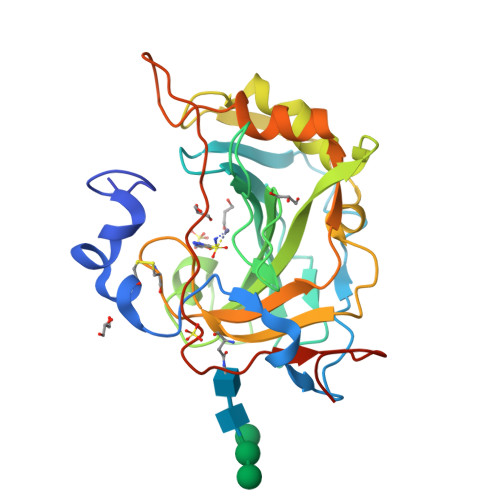 Click to view 3D structure | Carbonic anhydrase 14 | Q9ULX7 | Humans | Predicted (SEA) | - Prediction Confidence Score
- 0.228
- Applicability Domain
- 0.239 Low confidence
- Statistical Significance
- 0.1316
- Supporting Reference Compounds
- 172
- E-value
- 1024.81
|
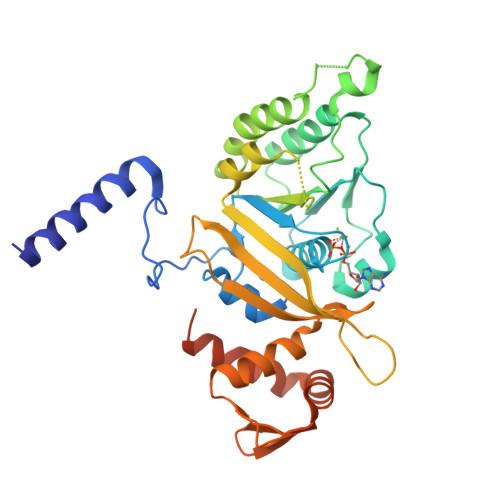 Click to view 3D structure | Protein RecA | P9WHJ3 | Mycobacterium tuberculosis | Predicted (SEA) | - Prediction Confidence Score
- 0.227
- Applicability Domain
- 0.25 Low confidence
- Statistical Significance
- 0.2377
- Supporting Reference Compounds
- 296
- E-value
- 1850.32
|
 Click to view 3D structure | Nuclear receptor ROR-gamma | P51449 | Humans | Predicted (SEA) | - Prediction Confidence Score
- 0.226
- Applicability Domain
- 0.255 Low confidence
- Statistical Significance
- 0.0815
- Supporting Reference Compounds
- 102
- E-value
- 634.549
|

