5-Isobenzofurancarbonyl chloride, 1,3-dihydro-1,3-dioxo- (CED0091058)

Record Information
Version1.0
Creation Date2026-04-03 09:36:47 UTC
Update Date2026-08-25 16:13:55 UTC
SynCED IDCED0091058
Secondary Accession Numbers
  • CHEM063263
Identification
Common Name5-Isobenzofurancarbonyl chloride, 1,3-dihydro-1,3-dioxo-
ClassSmall Molecule
Description
5-Isobenzofurancarbonyl chloride, 1,3-dihydro-1,3-dioxo- is an organic compound with the formula C9H3Cl1O4 and an average molecular weight of 210.57 g/mol. 5-Isobenzofurancarbonyl chloride, 1,3-dihydro-1,3-dioxo- belongs to the benzofuranones, a subclass of benzofurans within the organic compounds. It is further classified as an organoheterocyclic compound. The substance is found in or released from six recorded sources. These sources include household cleaning and consumer products, specifically pipe accessories. Additionally, it is associated with electrical and electronic equipment, including antennas, coils, communication cables or conductors, magnets, and selectors.
Contaminant TypeNot Available
Chemical Structure
SynonymsNot Available
Chemical FormulaC9H3Cl1O4
Average Molecular Mass210.570 g/mol
Monoisotopic Mass209.972 g/mol
CAS Registry Number1204-28-0
IUPAC NameNot Available
Traditional NameNot Available
SMILESClC(=O)C1=CC=C2C(=O)OC(=O)C2=C1
InChI IdentifierInChI=1S/C9H3ClO4/c10-7(11)4-1-2-5-6(3-4)9(13)14-8(5)12/h1-3H
InChI KeyNJMOHBDCGXJLNJ-UHFFFAOYSA-N
Chemical Taxonomy
Description Belongs to the class of organic compounds known as phthalic anhydrides. Phthalic anhydrides are compounds containing a phthalic anhydride moiety (or a derivative thereof), which consists of a benzene fused to a furan-1,3-dione.
KingdomOrganic compounds
Super ClassOrganoheterocyclic compounds
ClassBenzofurans
Sub ClassBenzofuranones
Direct ParentPhthalic anhydrides
Alternative Parents
Substituents
  • Phthalic_anhydride
  • Phthalic anhydride
  • Isobenzofuranone
  • Isocoumaran
  • Dicarboxylic acid or derivatives
  • Benzenoid
  • Carboxylic acid anhydride
  • Acyl chloride
  • Acyl halide
  • Carboxylic acid derivative
  • Oxacycle
  • Organohalogen compound
  • Organic oxide
  • Organochloride
  • Organooxygen compound
  • Hydrocarbon derivative
  • Organic oxygen compound
  • Aromatic heteropolycyclic compound
Molecular FrameworkAromatic heteropolycyclic compounds
External DescriptorsNot Available
Biological Properties
StatusDetected and Not Quantified
OriginNot Available
Cellular LocationsNot Available
Biofluid LocationsNot Available
Tissue LocationsNot Available
ApplicationsNot Available
Biological RolesNot Available
Chemical RolesNot Available
Organoleptic EffectsNot Available
Physical Properties
StateNot Available
AppearanceNot Available
Experimental Properties
PropertyValue
Melting PointNot Available
Boiling PointNot Available
SolubilityNot Available
Predicted PropertiesNot Available
Spectra
SpectraNot Available
Toxicity Profile
Toxicity Values
Toxicity ValueOrganismDose DescriptorRoute of ExposurePredicted or ExperimentalToxicity RatingReference
2706.0 Log mg/kg [1500:4800]RatLD50oralpredictedNot AvailableNot Available
Toxicity / Toxin ClassNot Available
Mechanism of ToxicityNot Available
Carcinogenicity (IARC Classification)Not Available
Minimum Risk LevelNot Available
SymptomsNot Available
TreatmentNot Available
Health Effects
Health EffectRelationshipDirectionDescriptionReference
Exposure Sources
Source IDSourceSectorReference
CEDs000506Antennas?Antennas, commonly used in communication technologies, can be a source of synthetic chemical contamination through the materials and coatings used in their construction.Electrical & Electronic EquipmentPubChem
CEDs000508Coils?Coils are components used in various electrical and electronic applications, such as transformers, inductors, and motors.Electrical & Electronic EquipmentPubChem
CEDs000510Communication Cables Or Conductors?Communication cables or conductors are essential components in the transmission of data and signals in various applications, including telecommunications and networking.Electrical & Electronic EquipmentPubChem
CEDs000511Conductors Or Conductive Bodies Characterised By The Conductive Materials?Conductors, or conductive bodies, are materials that allow the flow of electrical current, typically made from metals such as copper, aluminum, or silver.Electrical & Electronic EquipmentPubChem
CEDs000519Electrodes?Electrodes, used in various electrical and electronic applications, can be a source of synthetic chemical contamination due to the materials from which they are constructed and the processes involved in their manufacturing.Electrical & Electronic EquipmentPubChem
CEDs000521Fixed Capacitors And Their Manufacture?Fixed capacitors are passive electronic components used to store and release electrical energy, playing a critical role in various circuits.Electrical & Electronic EquipmentPubChem
CEDs000524Hybrid Capacitors?Hybrid capacitors are energy storage devices that combine the properties of electrolytic and supercapacitors, utilizing a combination of electrochemical principles to achieve higher energy density and power density.Electrical & Electronic EquipmentPubChem
CEDs000527Magnets?Magnets, commonly used in various electrical and electronic applications, can be a source of synthetic chemical contamination due to the materials used in their production.Electrical & Electronic EquipmentPubChem
CEDs000532Selectors?Selectors are components used in various electronic devices to control the flow of electrical signals.Electrical & Electronic EquipmentPubChem
CEDs000561Perfumes Within Detergents And Soaps?Perfumes within detergents and soaps are synthetic fragrance compounds added to enhance the sensory experience of cleaning products.Household cleaning & consumer productsPubChem
CEDs000562Pipe Accessories?Pipe accessories, such as fittings, connectors, and seals, are components used in plumbing systems to facilitate the flow of liquids and gases.Household cleaning & consumer productsPubChem
CEDs000563Soap Detergents?Soap detergents are synthetic surfactants designed to enhance the cleaning efficacy of water by reducing surface tension, allowing for better interaction with dirt and grease.Household cleaning & consumer productsPubChem
CEDs000604Pest Attractants?Pest attractants are synthetic chemicals designed to lure specific pests for monitoring or control purposes.Agriculture & land managementPubChem
CEDs000605Pest Repellants?Pest repellents, often formulated from synthetic chemicals, are widely used to protect crops from insect infestations and other pests.Agriculture & land managementPubChem
CEDs000642Footwear?Footwear production often involves the use of various synthetic chemicals, such as adhesives, dyes, and treatments, which can contribute to environmental contamination.Textiles, leather & furnishingsPubChem
CEDs000662Yarns Or Threads?Yarns or threads used in textiles can be a source of synthetic chemical contamination due to the production processes and treatments they undergo.Textiles, leather & furnishingsPubChem
CEDs000671Airplanes And Helicopters?Airplanes and helicopters are significant sources of synthetic chemical contamination primarily through the use of aviation fuels, lubricants, and de-icing agents.Aviation & AerospacePubChem
CEDs000688Glass Coatings?Glass coatings are synthetic chemical formulations applied to glass surfaces to enhance properties such as durability, UV resistance, and aesthetic appeal.Building & ConstructionPubChem
CEDs000693Silica Glass?Silica glass, primarily composed of silicon dioxide (SiO2), is widely used in various applications, including windows, glass facades, and insulation materials.Building & ConstructionPubChem
CEDs000696Nanotechnology?Nanotechnology involves the manipulation of materials at the molecular or atomic level, typically within the range of 1 to 100 nanometers.Industrial manufacturing & chemical processingPubChem
CEDs000727Printing Machines Or Presses?Printing machines or presses commonly utilize synthetic chemicals such as inks, solvents, and cleaning agents.Paper, pulp & fiber productsPubChem
CEDs000739Inks?Inks are complex mixtures composed of pigments or dyes, solvents, resins, and additives used primarily for printing and writing applications.Paper, pulp & fiber productsPubChem
CEDs000740Paper?Paper production involves the processing of wood fibers and the use of various chemicals, which can lead to synthetic chemical contamination.Paper, pulp & fiber productsPubChem
CEDs000741Pigment Pastes?Pigment pastes are concentrated dispersions of pigments used to impart color and properties to materials.Paper, pulp & fiber productsPubChem
CEDs000742Leather Tanning?Leather tanning is a process that transforms raw animal hides into durable leather through the application of various chemicals, including chromium salts, aldehydes, and vegetable tannins.Textiles, leather & furnishingsPubChem
CEDs000744Water, Wastewater, & Sewage Treatment?Water, wastewater, and sewage treatment processes are critical for managing and mitigating pollutants in water systems.Wastewater, sanitation & biosolidsPubChem
Pathways
0 pathwaysPathway Source: PathBank

No pathways found

No metabolic pathways have been associated with this synthetic chemical

Targets
StructureProteinUniProt IDOrganismRelationshipDetails
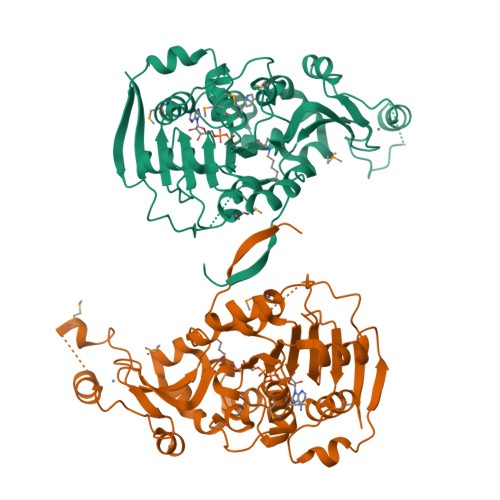
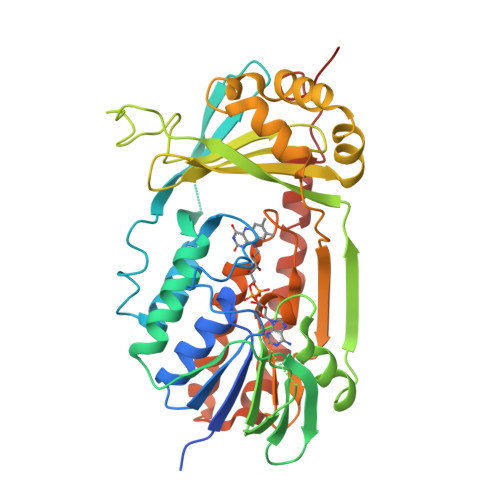
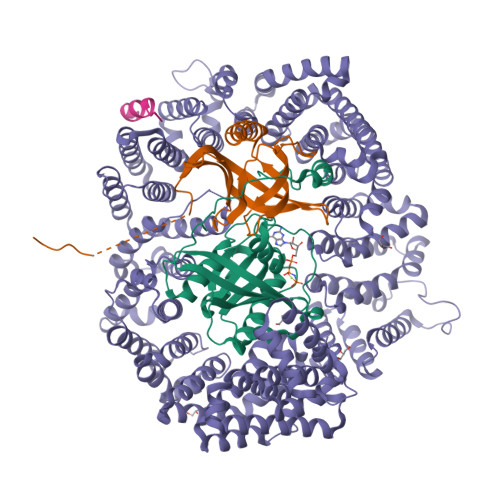
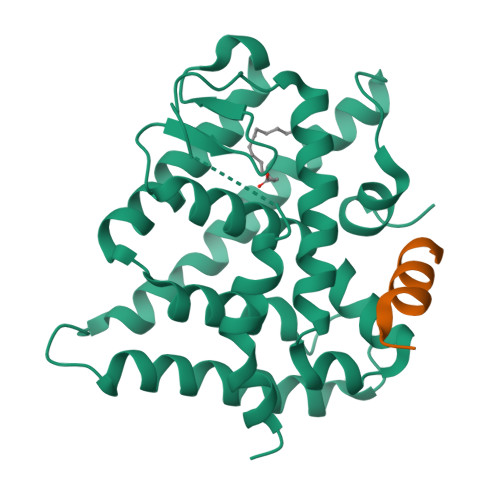
NAD-dependent histone deacetylase SIR2 structureClick to view 3D structureNAD-dependent histone deacetylase SIR2P06700Saccharomyces cerevisiae S288cPredicted (SEA)
Prediction Confidence Score
0.333
Applicability Domain
0.333
Statistical Significance
1.20e-04
Supporting Reference Compounds
1
E-value
0.934191
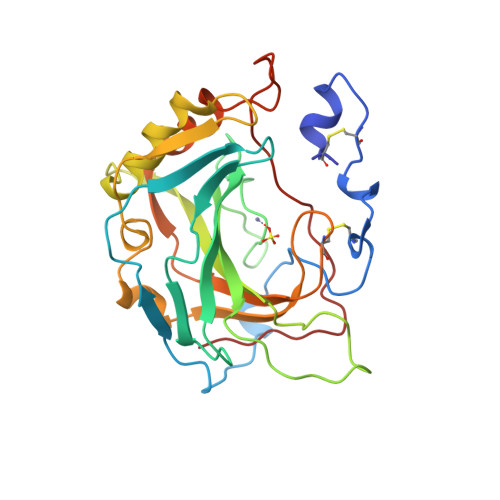
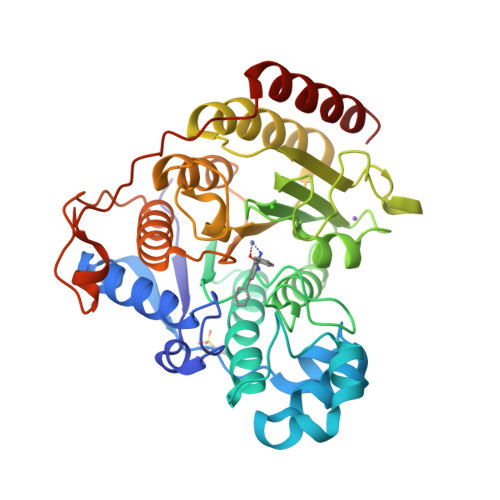
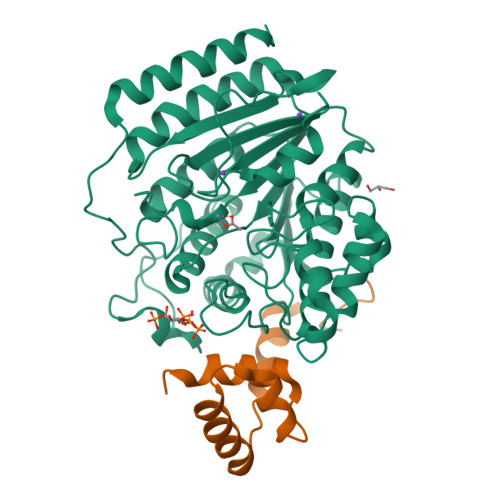
Carbonic anhydrase 1 structureClick to view 3D structureCarbonic anhydrase 1P00915HumansPredicted (SEA)
Prediction Confidence Score
0.279
Applicability Domain
0.35
Statistical Significance
0.0634
Supporting Reference Compounds
407
E-value
493.331
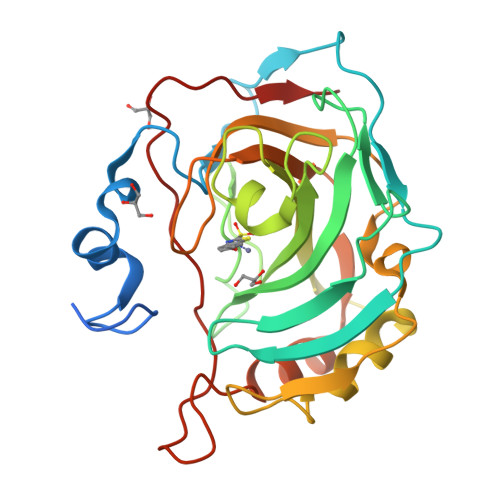
Carbonic anhydrase 2 structureClick to view 3D structureCarbonic anhydrase 2P00918HumansPredicted (SEA)
Prediction Confidence Score
0.278
Applicability Domain
0.35
Statistical Significance
0.0796
Supporting Reference Compounds
472
E-value
619.758
Carbonic anhydrase 4 structureClick to view 3D structureCarbonic anhydrase 4P22748HumansPredicted (SEA)
Prediction Confidence Score
0.277
Applicability Domain
0.35
Statistical Significance
0.0244
Supporting Reference Compounds
193
E-value
190.108
Carbonic anhydrase 9 structureClick to view 3D structureCarbonic anhydrase 9Q16790HumansPredicted (SEA)
Prediction Confidence Score
0.273
Applicability Domain
0.35
Statistical Significance
0.0702
Supporting Reference Compounds
372
E-value
546.579
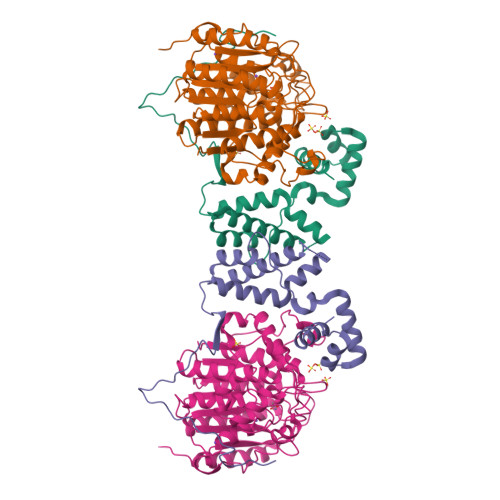
Protein deacetylase HDAC6 structureClick to view 3D structureProtein deacetylase HDAC6Q9UBN7HumansPredicted (SEA)
Prediction Confidence Score
0.26
Applicability Domain
0.368
Statistical Significance
0.203
Supporting Reference Compounds
553
E-value
1580.49
Carbonic anhydrase 7 structureClick to view 3D structureCarbonic anhydrase 7P43166HumansPredicted (SEA)
Prediction Confidence Score
0.259
Applicability Domain
0.275 Low confidence
Statistical Significance
0.0627
Supporting Reference Compounds
242
E-value
488.426
Histone deacetylase 8 structureClick to view 3D structureHistone deacetylase 8Q9BY41HumansPredicted (SEA)
Prediction Confidence Score
0.257
Applicability Domain
0.368
Statistical Significance
0.1459
Supporting Reference Compounds
317
E-value
1135.74
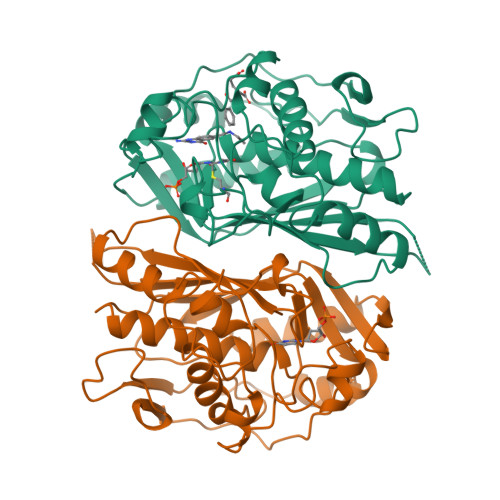
Kynurenine 3-monooxygenase structureClick to view 3D structureKynurenine 3-monooxygenaseP38169Saccharomyces cerevisiae (strain ATCC 204508 / S288c) (Baker's yeast)Predicted (SEA)
Prediction Confidence Score
0.256
Applicability Domain
0.256 Low confidence
Statistical Significance
0.0012
Supporting Reference Compounds
1
E-value
9.73115
Histone deacetylase 2 structureClick to view 3D structureHistone deacetylase 2Q92769HumansPredicted (SEA)
Prediction Confidence Score
0.255
Applicability Domain
0.368
Statistical Significance
0.1407
Supporting Reference Compounds
307
E-value
1095.18
Histone deacetylase 1 structureClick to view 3D structureHistone deacetylase 1Q13547HumansPredicted (SEA)
Prediction Confidence Score
0.254
Applicability Domain
0.368
Statistical Significance
0.2285
Supporting Reference Compounds
497
E-value
1779.17
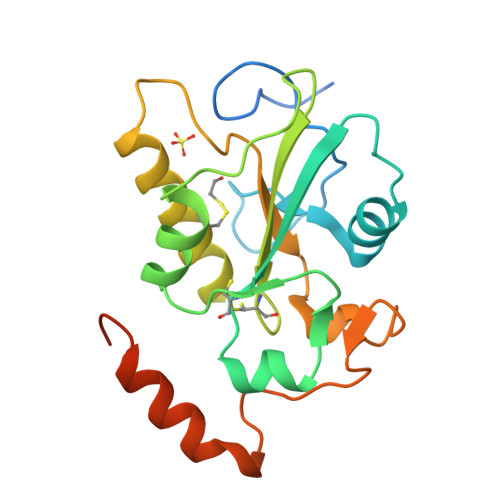
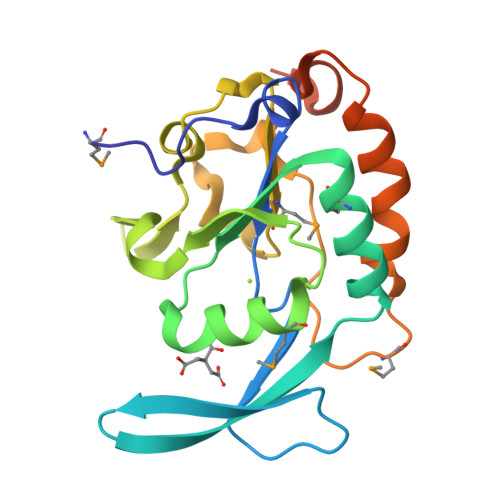
M-phase inducer phosphatase 2 structureClick to view 3D structureM-phase inducer phosphatase 2P30305HumansPredicted (SEA)
Prediction Confidence Score
0.253
Applicability Domain
0.333
Statistical Significance
0.0055
Supporting Reference Compounds
50
E-value
43.0506
Carbonic anhydrase 12 structureClick to view 3D structureCarbonic anhydrase 12O43570HumansPredicted (SEA)
Prediction Confidence Score
0.252
Applicability Domain
0.275 Low confidence
Statistical Significance
0.1106
Supporting Reference Compounds
332
E-value
861.246
Thymidylate synthase structureClick to view 3D structureThymidylate synthaseP04818HumansPredicted (SEA)
Prediction Confidence Score
0.25
Applicability Domain
0.333
Statistical Significance
0.0066
Supporting Reference Compounds
51
E-value
51.1469
Click to view 3D structureHexokinase HKDC1Q2TB90HumansPredicted (SEA)
Prediction Confidence Score
0.249
Applicability Domain
0.267 Low confidence
Statistical Significance
0.0126
Supporting Reference Compounds
69
E-value
97.8565
Histone deacetylase 5 structureClick to view 3D structureHistone deacetylase 5Q9UQL6HumansPredicted (SEA)
Prediction Confidence Score
0.248
Applicability Domain
0.368
Statistical Significance
0.0934
Supporting Reference Compounds
172
E-value
726.878
Receptor-type tyrosine-protein phosphatase C structureClick to view 3D structureReceptor-type tyrosine-protein phosphatase CP08575HumansPredicted (SEA)
Prediction Confidence Score
0.247
Applicability Domain
0.318
Statistical Significance
0.0085
Supporting Reference Compounds
45
E-value
66.4054
Histone deacetylase 3 structureClick to view 3D structureHistone deacetylase 3O15379HumansPredicted (SEA)
Prediction Confidence Score
0.246
Applicability Domain
0.368
Statistical Significance
0.1613
Supporting Reference Compounds
257
E-value
1255.63
Click to view 3D structurePolyamine deacetylase HDAC10Q969S8HumansPredicted (SEA)
Prediction Confidence Score
0.244
Applicability Domain
0.368
Statistical Significance
0.0874
Supporting Reference Compounds
130
E-value
680.091
Histone deacetylase 4 structureClick to view 3D structureHistone deacetylase 4P56524HumansPredicted (SEA)
Prediction Confidence Score
0.244
Applicability Domain
0.368
Statistical Significance
0.1371
Supporting Reference Compounds
185
E-value
1067.08
Induced myeloid leukemia cell differentiation protein Mcl-1 structureClick to view 3D structureInduced myeloid leukemia cell differentiation protein Mcl-1Q07820HumansPredicted (SEA)
Prediction Confidence Score
0.243
Applicability Domain
0.294 Low confidence
Statistical Significance
0.1279
Supporting Reference Compounds
343
E-value
996.003
Carboxy-terminal domain RNA polymerase II polypeptide A small phosphatase 1 structureClick to view 3D structureCarboxy-terminal domain RNA polymerase II polypeptide A small phosphatase 1Q9GZU7HumansPredicted (SEA)
Prediction Confidence Score
0.243
Applicability Domain
0.333
Statistical Significance
0.0614
Supporting Reference Compounds
128
E-value
477.839
Thymidylate synthase structureClick to view 3D structureThymidylate synthaseP13100Pneumocystis cariniiPredicted (SEA)
Prediction Confidence Score
0.243
Applicability Domain
0.255 Low confidence
Statistical Significance
1.30e-04
Supporting Reference Compounds
2
E-value
1.01204
Click to view 3D structurePerilipin-1O60240HumansPredicted (SEA)
Prediction Confidence Score
0.242
Applicability Domain
0.26 Low confidence
Statistical Significance
0.0102
Supporting Reference Compounds
47
E-value
79.4841
Hepatocyte nuclear factor 4-alpha structureClick to view 3D structureHepatocyte nuclear factor 4-alphaP41235HumansPredicted (SEA)
Prediction Confidence Score
0.242
Applicability Domain
0.26 Low confidence
Statistical Significance
0.0067
Supporting Reference Compounds
37
E-value
52.159
Concentrations
Not Available
External Links
DrugBank IDNot Available
HMDB IDNot Available
FooDB IDNot Available
Phenol Explorer IDNot Available
KNApSAcK IDNot Available
BiGG IDNot Available
BioCyc IDNot Available
METLIN IDNot Available
PDB IDNot Available
Wikipedia LinkTrimellitic anhydride chloride
Chemspider IDNot Available
ChEBI IDNot Available
PubChem Compound ID70998
Kegg Compound IDNot Available
YMDB IDNot Available
ECMDB IDNot Available
References
Synthesis ReferenceNot Available
MSDSNot Available
General ReferencesNot Available