Methanethioamide, N,N-dimethyl- (CED0073667)

Record Information
Version1.0
Creation Date2026-04-03 10:43:52 UTC
Update Date2026-08-22 13:43:54 UTC
SynCED IDCED0073667
Secondary Accession Numbers
  • CHEM063738
Identification
Common NameMethanethioamide, N,N-dimethyl-
ClassSmall Molecule
Description
Methanethioamide, N,N-dimethyl- is an organic compound with the formula C3H7N1S1 and an average molecular weight of 89.16 g/mol. Methanethioamide, N,N-dimethyl- belongs to the thiocarboxylic acid amides, a subclass of thiocarboxylic acids and derivatives within the organic compounds. This substance has been identified in or released from four recorded sources. These include electrical and electronic equipment, specifically amplifiers, as well as household cleaning and consumer products. Within the latter category, it is associated with other smoking requisites, pipe accessories, and non-electric simulated smoking devices.
Contaminant TypeNot Available
Chemical Structure
SynonymsNot Available
Chemical FormulaC3H7N1S1
Average Molecular Mass89.160 g/mol
Monoisotopic Mass89.030 g/mol
CAS Registry Number758-16-7
IUPAC NameNot Available
Traditional NameNot Available
SMILESCN(C)C=S
InChI IdentifierInChI=1S/C3H7NS/c1-4(2)3-5/h3H,1-2H3
InChI KeySKECXRFZFFAANN-UHFFFAOYSA-N
Chemical Taxonomy
Description Belongs to the class of organic compounds known as thiocarboxylic acid amides. These are organic compounds containing an amide of thiocarboxylic acid, with the general structure R1C(=S)N(R2)R3 (R1-R3=H, alkyl, aryl).
KingdomOrganic compounds
Super ClassOrganic acids and derivatives
ClassThiocarboxylic acids and derivatives
Sub ClassThiocarboxylic acid amides
Direct ParentThiocarboxylic acid amides
Alternative Parents
Substituents
  • Thiocarboxylic acid amide
  • Organic nitrogen compound
  • Organopnictogen compound
  • Hydrocarbon derivative
  • Organosulfur compound
  • Organonitrogen compound
  • Aliphatic acyclic compound
Molecular FrameworkAliphatic acyclic compounds
External DescriptorsNot Available
Biological Properties
StatusDetected and Not Quantified
OriginNot Available
Cellular LocationsNot Available
Biofluid LocationsNot Available
Tissue LocationsNot Available
ApplicationsNot Available
Biological RolesNot Available
Chemical RolesNot Available
Organoleptic EffectsNot Available
Physical Properties
StateNot Available
AppearanceNot Available
Experimental Properties
PropertyValue
Melting PointNot Available
Boiling PointNot Available
SolubilityNot Available
Predicted PropertiesNot Available
Spectra
SpectraNot Available
Toxicity Profile
Toxicity Values
Toxicity ValueOrganismDose DescriptorRoute of ExposurePredicted or ExperimentalToxicity RatingReference
253.0 Log mg/kg [140:450]RatLD50oralpredictedNot AvailableNot Available
Toxicity / Toxin ClassNot Available
Mechanism of ToxicityNot Available
Carcinogenicity (IARC Classification)Not Available
Minimum Risk LevelNot Available
SymptomsNot Available
TreatmentNot Available
Health Effects
Health EffectRelationshipDirectionDescriptionReference
Exposure Sources
Source IDSourceSectorReference
CEDs000010Insecticides?Insecticides are synthetic chemicals designed to control or eliminate insect pests that threaten crops and other agricultural products.Agriculture & land managementPubChem
CEDs000505Amplifiers?Amplifiers, commonly used in various electronic devices to enhance signal strength, can be a source of synthetic chemical contamination due to the materials and processes involved in their production and disposal.Electrical & Electronic EquipmentPubChem
CEDs000511Conductors Or Conductive Bodies Characterised By The Conductive Materials?Conductors, or conductive bodies, are materials that allow the flow of electrical current, typically made from metals such as copper, aluminum, or silver.Electrical & Electronic EquipmentPubChem
CEDs000518Electrically Stimulated Smoking Devices?Electrically stimulated smoking devices, commonly known as e-cigarettes or vape pens, utilize electrical components to heat a liquid solution, often containing nicotine, flavorings, and other additives, to produce an aerosol for inhalation.Electrical & Electronic EquipmentPubChem
CEDs000519Electrodes?Electrodes, used in various electrical and electronic applications, can be a source of synthetic chemical contamination due to the materials from which they are constructed and the processes involved in their manufacturing.Electrical & Electronic EquipmentPubChem
CEDs000524Hybrid Capacitors?Hybrid capacitors are energy storage devices that combine the properties of electrolytic and supercapacitors, utilizing a combination of electrochemical principles to achieve higher energy density and power density.Electrical & Electronic EquipmentPubChem
CEDs000559Non Electric Simulated Smoking Devices?Non-electric simulated smoking devices, often designed to mimic the experience of smoking without combustion, can be sources of synthetic chemical contamination due to the materials and chemicals used in their construction and operation.Household cleaning & consumer productsPubChem
CEDs000560Other Smoking Requisites?Other smoking requisites, including items such as lighters, matches, and rolling papers, can introduce synthetic chemical contamination through various components and additives.Household cleaning & consumer productsPubChem
CEDs000561Perfumes Within Detergents And Soaps?Perfumes within detergents and soaps are synthetic fragrance compounds added to enhance the sensory experience of cleaning products.Household cleaning & consumer productsPubChem
CEDs000562Pipe Accessories?Pipe accessories, such as fittings, connectors, and seals, are components used in plumbing systems to facilitate the flow of liquids and gases.Household cleaning & consumer productsPubChem
CEDs000563Soap Detergents?Soap detergents are synthetic surfactants designed to enhance the cleaning efficacy of water by reducing surface tension, allowing for better interaction with dirt and grease.Household cleaning & consumer productsPubChem
CEDs000580Manufacture Preparation Of Tobacco Products?The manufacture and preparation of tobacco products involve various processes that can result in the introduction of synthetic chemicals into the environment.Industrial manufacturing & chemical processingPubChem
CEDs000596Acaricides?Acaricides are synthetic chemicals specifically designed to target and control mite populations that can damage crops and plants.Agriculture & land managementPubChem
CEDs000600Herbicides And Algicides?Herbicides and algicides are synthetic chemicals primarily used to control unwanted plants and algae in various environments.Agriculture & land managementPubChem
CEDs000605Pest Repellants?Pest repellents, often formulated from synthetic chemicals, are widely used to protect crops from insect infestations and other pests.Agriculture & land managementPubChem
CEDs000614Essential Oils Or Perfumes?Essential oils and perfumes are complex mixtures of volatile compounds derived from natural or synthetic sources, commonly used for their aromatic properties.Personal care & cosmeticsPubChem
CEDs000632Apparel?Apparel production often involves the use of various synthetic chemicals, including dyes, finishing agents, and preservatives.Textiles, leather & furnishingsPubChem
CEDs000642Footwear?Footwear production often involves the use of various synthetic chemicals, such as adhesives, dyes, and treatments, which can contribute to environmental contamination.Textiles, leather & furnishingsPubChem
CEDs000685Ceramics?Ceramics can be a source of synthetic chemical contamination through various additives and processing agents used in their production.Building & ConstructionPubChem
CEDs000696Nanotechnology?Nanotechnology involves the manipulation of materials at the molecular or atomic level, typically within the range of 1 to 100 nanometers.Industrial manufacturing & chemical processingPubChem
CEDs000734Coating Compositions?Coating compositions, which include paints, sealants, and varnishes, are formulated with a variety of synthetic chemicals such as solvents, resins, pigments, and additives.Building & ConstructionPubChem
CEDs000739Inks?Inks are complex mixtures composed of pigments or dyes, solvents, resins, and additives used primarily for printing and writing applications.Paper, pulp & fiber productsPubChem
Pathways
0 pathwaysPathway Source: PathBank

No pathways found

No metabolic pathways have been associated with this synthetic chemical

Targets
StructureProteinUniProt IDOrganismRelationshipDetails
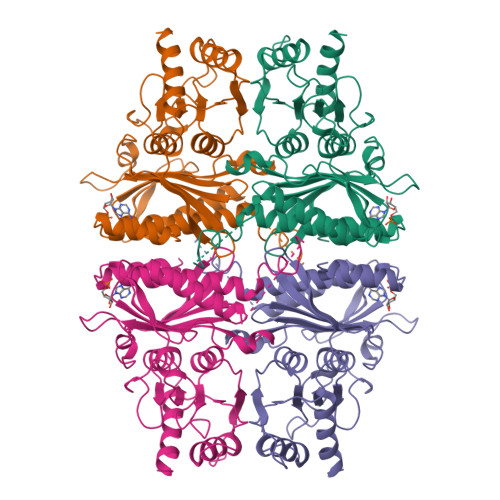
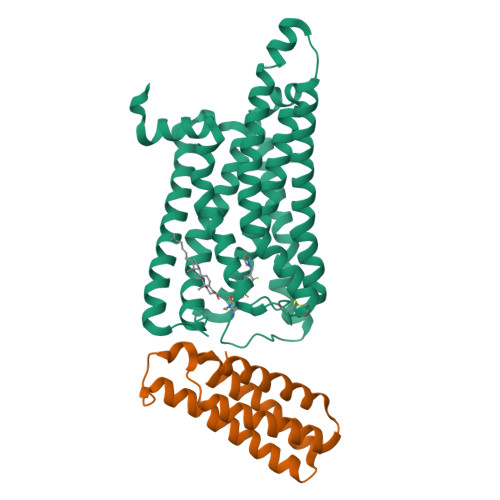
Monoglyceride lipase structureClick to view 3D structureMonoglyceride lipaseQ99685HumansPredicted (SEA)
Prediction Confidence Score
0.146
Applicability Domain
0.222 Low confidence
Statistical Significance
0.8764
Supporting Reference Compounds
76
E-value
6822.63
Gasdermin-D structureClick to view 3D structureGasdermin-DP57764HumansPredicted (SEA)
Prediction Confidence Score
0.14
Applicability Domain
0.143 Low confidence
Statistical Significance
0.0012
Supporting Reference Compounds
2
E-value
9.34191
Gasdermin-D structureClick to view 3D structureGasdermin-DQ9D8T2Mus musculusPredicted (SEA)
Prediction Confidence Score
0.14
Applicability Domain
0.143 Low confidence
Statistical Significance
0.0012
Supporting Reference Compounds
2
E-value
9.34191
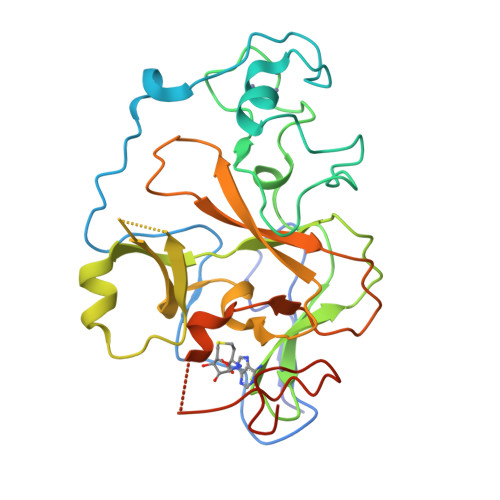
Click to view 3D structureCarbamate kinaseO97438Giardia intestinalisPredicted (SEA)
Prediction Confidence Score
0.136
Applicability Domain
0.136 Low confidence
Statistical Significance
0.0015
Supporting Reference Compounds
1
E-value
11.9109
All-trans-retinol dehydrogenase [NAD(+)] ADH7 structureClick to view 3D structureAll-trans-retinol dehydrogenase [NAD(+)] ADH7P40394HumansPredicted (SEA)
Prediction Confidence Score
0.125
Applicability Domain
0.125 Low confidence
Statistical Significance
0.0221
Supporting Reference Compounds
1
E-value
172.358
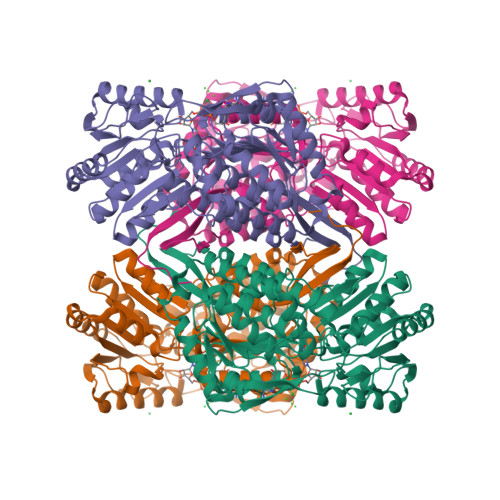
Fructose-1,6-bisphosphatase 1 structureClick to view 3D structureFructose-1,6-bisphosphatase 1P09467HumansPredicted (SEA)
Prediction Confidence Score
0.124
Applicability Domain
0.222 Low confidence
Statistical Significance
0.7287
Supporting Reference Compounds
28
E-value
5673.03
Histone-lysine N-methyltransferase EHMT2 structureClick to view 3D structureHistone-lysine N-methyltransferase EHMT2Q96KQ7HumansPredicted (SEA)
Prediction Confidence Score
0.121
Applicability Domain
0.222 Low confidence
Statistical Significance
0.9679
Supporting Reference Compounds
52
E-value
7535.03
Tyrosine-protein kinase JAK2 structureClick to view 3D structureTyrosine-protein kinase JAK2O60674HumansPredicted (SEA)
Prediction Confidence Score
0.118
Applicability Domain
0.222 Low confidence
Statistical Significance
0.999
Supporting Reference Compounds
1022
E-value
7777.37
Aldehyde dehydrogenase 1A1 structureClick to view 3D structureAldehyde dehydrogenase 1A1P00352HumansPredicted (SEA)
Prediction Confidence Score
0.117
Applicability Domain
0.222 Low confidence
Statistical Significance
0.9496
Supporting Reference Compounds
31
E-value
7392.72
Click to view 3D structureSodium- and chloride-dependent creatine transporter 1P48029HumansPredicted (SEA)
Prediction Confidence Score
0.115
Applicability Domain
0.115 Low confidence
Statistical Significance
0.0404
Supporting Reference Compounds
1
E-value
314.667
Lysyl oxidase homolog 2 structureClick to view 3D structureLysyl oxidase homolog 2Q9Y4K0HumansPredicted (SEA)
Prediction Confidence Score
0.114
Applicability Domain
0.222 Low confidence
Statistical Significance
0.9385
Supporting Reference Compounds
26
E-value
7306.23
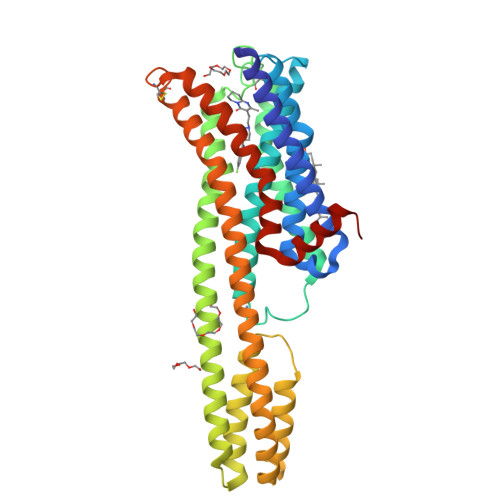
Alpha-2A adrenergic receptor structureClick to view 3D structureAlpha-2A adrenergic receptorP08913HumansPredicted (SEA)
Prediction Confidence Score
0.113
Applicability Domain
0.136 Low confidence
Statistical Significance
0.9996
Supporting Reference Compounds
487
E-value
7781.57
Sigma non-opioid intracellular receptor 1 structureClick to view 3D structureSigma non-opioid intracellular receptor 1Q99720HumansPredicted (SEA)
Prediction Confidence Score
0.113
Applicability Domain
0.132 Low confidence
Statistical Significance
0.9996
Supporting Reference Compounds
562
E-value
7781.89
D(3) dopamine receptor structureClick to view 3D structureD(3) dopamine receptorP35462HumansPredicted (SEA)
Prediction Confidence Score
0.112
Applicability Domain
0.136 Low confidence
Statistical Significance
0.9995
Supporting Reference Compounds
861
E-value
7781.42
5-hydroxytryptamine receptor 6 structureClick to view 3D structure5-hydroxytryptamine receptor 6P50406HumansPredicted (SEA)
Prediction Confidence Score
0.111
Applicability Domain
0.136 Low confidence
Statistical Significance
0.9993
Supporting Reference Compounds
536
E-value
7779.47
5-hydroxytryptamine receptor 2A structureClick to view 3D structure5-hydroxytryptamine receptor 2AP28223HumansPredicted (SEA)
Prediction Confidence Score
0.111
Applicability Domain
0.118 Low confidence
Statistical Significance
0.9998
Supporting Reference Compounds
955
E-value
7783.05
Alpha-2B adrenergic receptor structureClick to view 3D structureAlpha-2B adrenergic receptorP18089HumansPredicted (SEA)
Prediction Confidence Score
0.109
Applicability Domain
0.136 Low confidence
Statistical Significance
0.9995
Supporting Reference Compounds
340
E-value
7781.34
Sodium-dependent dopamine transporter structureClick to view 3D structureSodium-dependent dopamine transporterQ01959HumansPredicted (SEA)
Prediction Confidence Score
0.109
Applicability Domain
0.136 Low confidence
Statistical Significance
0.9998
Supporting Reference Compounds
506
E-value
7783.05
D(1A) dopamine receptor structureClick to view 3D structureD(1A) dopamine receptorP21728HumansPredicted (SEA)
Prediction Confidence Score
0.108
Applicability Domain
0.136 Low confidence
Statistical Significance
0.9994
Supporting Reference Compounds
425
E-value
7780.41
Sodium-dependent noradrenaline transporter structureClick to view 3D structureSodium-dependent noradrenaline transporterP23975HumansPredicted (SEA)
Prediction Confidence Score
0.107
Applicability Domain
0.118 Low confidence
Statistical Significance
0.9997
Supporting Reference Compounds
451
E-value
7782.82
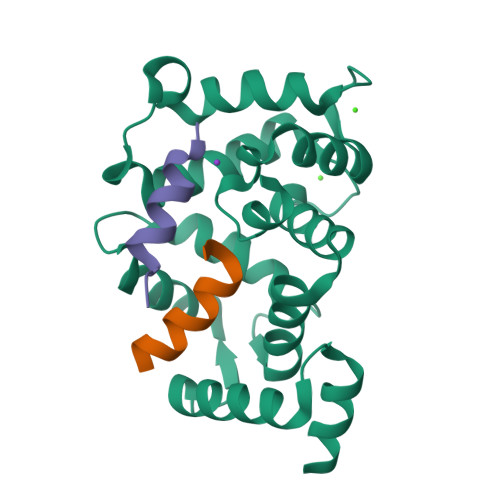
Click to view 3D structureNonstructural protein 1Q194T2Influenza A virusPredicted (SEA)
Prediction Confidence Score
0.107
Applicability Domain
0.143 Low confidence
Statistical Significance
0.9902
Supporting Reference Compounds
104
E-value
7709.02
Replicase polyprotein 1ab structureClick to view 3D structureReplicase polyprotein 1abP0DTD1SARS-CoV-2Predicted (SEA)
Prediction Confidence Score
0.107
Applicability Domain
0.222 Low confidence
Statistical Significance
0.9995
Supporting Reference Compounds
215
E-value
7781.42
Histamine H3 receptor structureClick to view 3D structureHistamine H3 receptorQ9Y5N1HumansPredicted (SEA)
Prediction Confidence Score
0.107
Applicability Domain
0.118 Low confidence
Statistical Significance
0.9993
Supporting Reference Compounds
294
E-value
7779.4
5-hydroxytryptamine receptor 2B structureClick to view 3D structure5-hydroxytryptamine receptor 2BP41595HumansPredicted (SEA)
Prediction Confidence Score
0.106
Applicability Domain
0.118 Low confidence
Statistical Significance
0.9997
Supporting Reference Compounds
686
E-value
7782.9
D(2) dopamine receptor structureClick to view 3D structureD(2) dopamine receptorP14416HumansPredicted (SEA)
Prediction Confidence Score
0.106
Applicability Domain
0.136 Low confidence
Statistical Significance
0.9997
Supporting Reference Compounds
1103
E-value
7782.82
Concentrations
Not Available
External Links
DrugBank IDNot Available
HMDB IDNot Available
FooDB IDNot Available
Phenol Explorer IDNot Available
KNApSAcK IDNot Available
BiGG IDNot Available
BioCyc IDNot Available
METLIN IDNot Available
PDB IDNot Available
Wikipedia LinkNot Available
Chemspider IDNot Available
ChEBI IDNot Available
PubChem Compound ID69794
Kegg Compound IDNot Available
YMDB IDNot Available
ECMDB IDNot Available
References
Synthesis ReferenceNot Available
MSDSNot Available
General ReferencesNot Available