 Click to view 3D structure | Amine oxidase [flavin-containing] B | P27338 | Humans | Predicted (SEA) | - Prediction Confidence Score
- 0.157
- Applicability Domain
- 0.412
- Statistical Significance
- 0.9345
- Supporting Reference Compounds
- 315
- E-value
- 7274.85
|
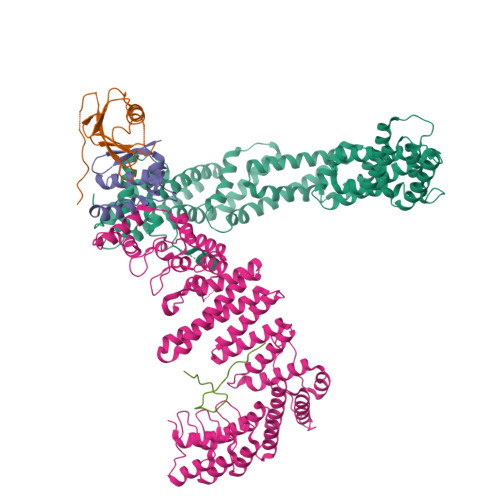 Click to view 3D structure | Folliculin-interacting protein 1 | Q8TF40 | Humans | Predicted (SEA) | - Prediction Confidence Score
- 0.156
- Applicability Domain
- 0.156 Low confidence
- Statistical Significance
- 0.0241
- Supporting Reference Compounds
- 1
- E-value
- 187.772
|
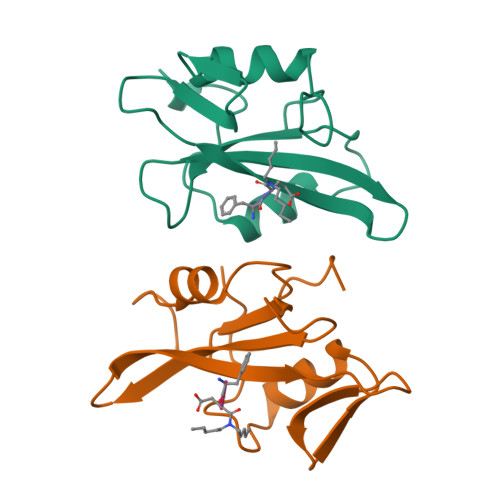 Click to view 3D structure | Proto-oncogene tyrosine-protein kinase Src | P12931 | Humans | Predicted (SEA) | - Prediction Confidence Score
- 0.127
- Applicability Domain
- 0.148 Low confidence
- Statistical Significance
- 0.9981
- Supporting Reference Compounds
- 1158
- E-value
- 7769.9
|
 Click to view 3D structure | Vascular endothelial growth factor receptor 2 | P35968 | Humans | Predicted (SEA) | - Prediction Confidence Score
- 0.122
- Applicability Domain
- 0.148 Low confidence
- Statistical Significance
- 0.999
- Supporting Reference Compounds
- 1660
- E-value
- 7777.22
|
 Click to view 3D structure | Lysyl oxidase homolog 2 | B5DF27 | Rattus norvegicus | Predicted (SEA) | - Prediction Confidence Score
- 0.122
- Applicability Domain
- 0.412
- Statistical Significance
- 0.0485
- Supporting Reference Compounds
- 4
- E-value
- 377.413
|
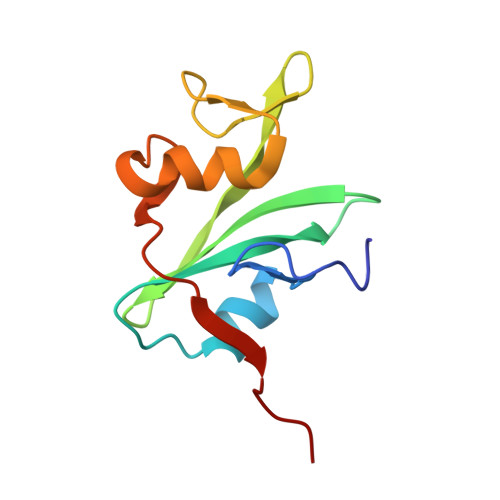 Click to view 3D structure | Tyrosine-protein kinase ABL1 | P00519 | Humans | Predicted (SEA) | - Prediction Confidence Score
- 0.12
- Applicability Domain
- 0.148 Low confidence
- Statistical Significance
- 0.998
- Supporting Reference Compounds
- 927
- E-value
- 7769.2
|
| Click to view 3D structure | Leucine aminopeptidase | Q29571 | Sus scrofa | Predicted (SEA) | - Prediction Confidence Score
- 0.12
- Applicability Domain
- 0.12 Low confidence
- Statistical Significance
- 0.0056
- Supporting Reference Compounds
- 1
- E-value
- 43.6734
|
 Click to view 3D structure | Induced myeloid leukemia cell differentiation protein Mcl-1 | Q07820 | Humans | Predicted (SEA) | - Prediction Confidence Score
- 0.119
- Applicability Domain
- 0.226 Low confidence
- Statistical Significance
- 0.9957
- Supporting Reference Compounds
- 343
- E-value
- 7751.52
|
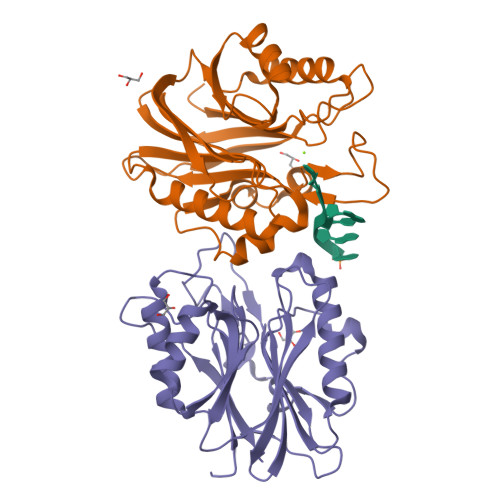 Click to view 3D structure | Tyrosyl-DNA phosphodiesterase 2 | Q5XJA0 | Danio rerio | Predicted (SEA) | - Prediction Confidence Score
- 0.117
- Applicability Domain
- 0.117 Low confidence
- Statistical Significance
- 0.2086
- Supporting Reference Compounds
- 1
- E-value
- 1623.7
|
 Click to view 3D structure | Tyrosine-protein kinase HCK | P08631 | Humans | Predicted (SEA) | - Prediction Confidence Score
- 0.116
- Applicability Domain
- 0.148 Low confidence
- Statistical Significance
- 0.9959
- Supporting Reference Compounds
- 293
- E-value
- 7753.24
|
 Click to view 3D structure | Estrogen receptor beta | Q92731 | Humans | Predicted (SEA) | - Prediction Confidence Score
- 0.116
- Applicability Domain
- 0.226 Low confidence
- Statistical Significance
- 0.9977
- Supporting Reference Compounds
- 174
- E-value
- 7767.41
|
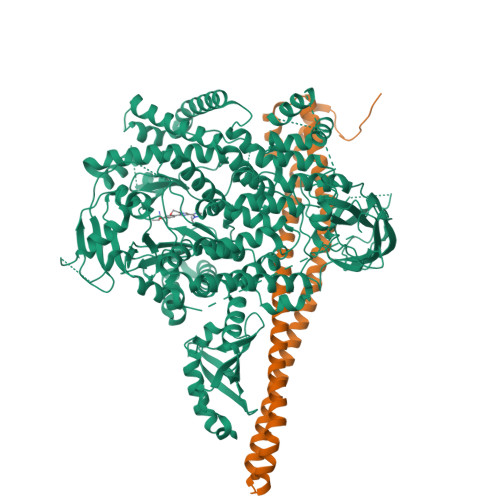 Click to view 3D structure | Phosphatidylinositol 4,5-bisphosphate 3-kinase catalytic subunit delta isoform | O00329 | Humans | Predicted (SEA) | - Prediction Confidence Score
- 0.114
- Applicability Domain
- 0.148 Low confidence
- Statistical Significance
- 0.9977
- Supporting Reference Compounds
- 459
- E-value
- 7767.41
|
 Click to view 3D structure | Phosphatidylinositol 4,5-bisphosphate 3-kinase catalytic subunit gamma isoform | P48736 | Humans | Predicted (SEA) | - Prediction Confidence Score
- 0.114
- Applicability Domain
- 0.148 Low confidence
- Statistical Significance
- 0.9976
- Supporting Reference Compounds
- 450
- E-value
- 7766.08
|
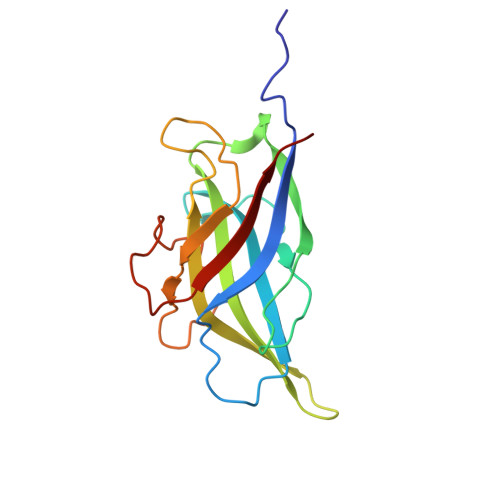 Click to view 3D structure | Phosphatidylinositol 4,5-bisphosphate 3-kinase catalytic subunit alpha isoform | P42336 | Humans | Predicted (SEA) | - Prediction Confidence Score
- 0.114
- Applicability Domain
- 0.148 Low confidence
- Statistical Significance
- 0.9983
- Supporting Reference Compounds
- 536
- E-value
- 7771.92
|
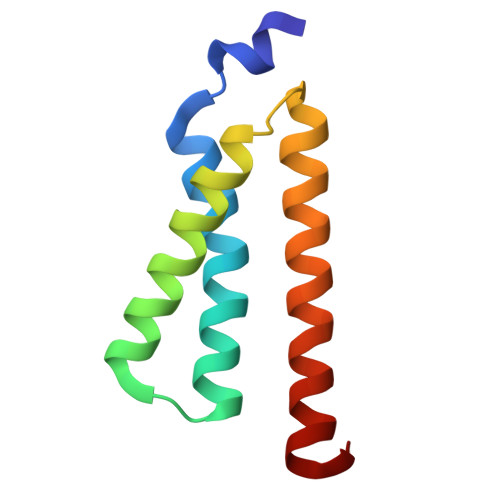 Click to view 3D structure | Mediator of RNA polymerase II transcription subunit 15 | Q6FRS9 | Candida glabrata (strain ATCC 2001 / CBS 138 / JCM 3761 / NBRC 0622 /NRRL Y-65) (Yeast) (Torulopsis glabrata) | Predicted (SEA) | - Prediction Confidence Score
- 0.114
- Applicability Domain
- 0.114 Low confidence
- Statistical Significance
- 0.3621
- Supporting Reference Compounds
- 1
- E-value
- 2819.23
|
 Click to view 3D structure | Tyrosine-protein kinase JAK3 | P52333 | Humans | Predicted (SEA) | - Prediction Confidence Score
- 0.113
- Applicability Domain
- 0.135 Low confidence
- Statistical Significance
- 0.9992
- Supporting Reference Compounds
- 961
- E-value
- 7778.46
|
 Click to view 3D structure | Tyrosine-protein kinase JAK2 | O60674 | Humans | Predicted (SEA) | - Prediction Confidence Score
- 0.112
- Applicability Domain
- 0.135 Low confidence
- Statistical Significance
- 0.9994
- Supporting Reference Compounds
- 1022
- E-value
- 7780.48
|
 Click to view 3D structure | Estrogen receptor | P03372 | Humans | Predicted (SEA) | - Prediction Confidence Score
- 0.111
- Applicability Domain
- 0.226 Low confidence
- Statistical Significance
- 0.9984
- Supporting Reference Compounds
- 201
- E-value
- 7772.39
|
 Click to view 3D structure | Glycogen synthase kinase-3 beta | P49841 | Humans | Predicted (SEA) | - Prediction Confidence Score
- 0.111
- Applicability Domain
- 0.132 Low confidence
- Statistical Significance
- 0.9994
- Supporting Reference Compounds
- 1157
- E-value
- 7780.41
|
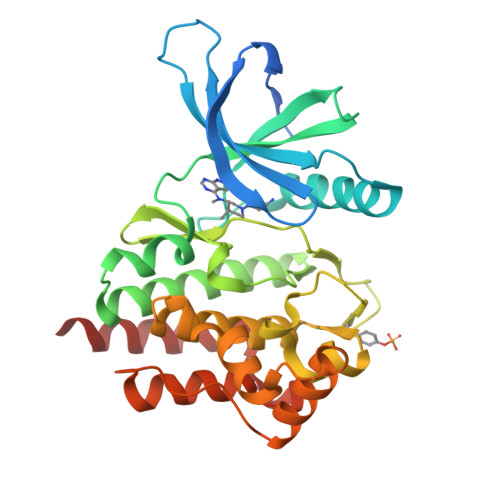 Click to view 3D structure | Non-receptor tyrosine-protein kinase TYK2 | P29597 | Humans | Predicted (SEA) | - Prediction Confidence Score
- 0.11
- Applicability Domain
- 0.135 Low confidence
- Statistical Significance
- 0.999
- Supporting Reference Compounds
- 657
- E-value
- 7777.37
|
 Click to view 3D structure | Lysyl oxidase homolog 2 | Q9Y4K0 | Humans | Predicted (SEA) | - Prediction Confidence Score
- 0.11
- Applicability Domain
- 0.412
- Statistical Significance
- 0.9548
- Supporting Reference Compounds
- 26
- E-value
- 7433.43
|
 Click to view 3D structure | Amine oxidase [copper-containing] 3 | Q16853 | Humans | Predicted (SEA) | - Prediction Confidence Score
- 0.11
- Applicability Domain
- 0.412
- Statistical Significance
- 0.9554
- Supporting Reference Compounds
- 22
- E-value
- 7437.48
|
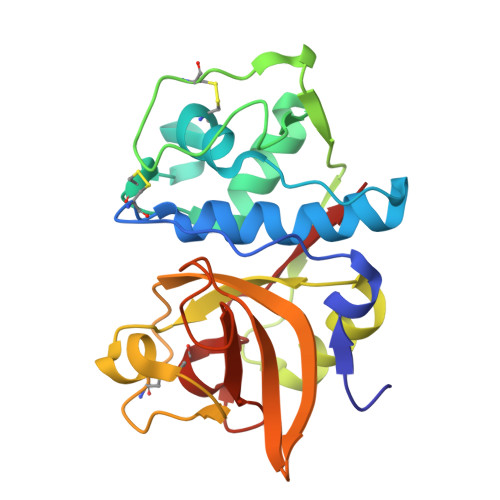 Click to view 3D structure | Cathepsin S | P25774 | Humans | Predicted (SEA) | - Prediction Confidence Score
- 0.109
- Applicability Domain
- 0.119 Low confidence
- Statistical Significance
- 0.9977
- Supporting Reference Compounds
- 141
- E-value
- 7767.25
|
 Click to view 3D structure | Papain | P00784 | Carica papaya | Predicted (SEA) | - Prediction Confidence Score
- 0.109
- Applicability Domain
- 0.119 Low confidence
- Statistical Significance
- 0.9461
- Supporting Reference Compounds
- 35
- E-value
- 7365.31
|
 Click to view 3D structure | Procathepsin L | P07711 | Humans | Predicted (SEA) | - Prediction Confidence Score
- 0.109
- Applicability Domain
- 0.116 Low confidence
- Statistical Significance
- 0.9985
- Supporting Reference Compounds
- 167
- E-value
- 7773.09
|

