Propane, 1,1,3,3-tetramethoxy- (CED0189561)

Record Information
Version1.0
Creation Date2026-04-03 11:31:07 UTC
Update Date2026-08-23 22:42:48 UTC
SynCED IDCED0189561
Secondary Accession Numbers
  • CHEM063983
Identification
Common NamePropane, 1,1,3,3-tetramethoxy-
ClassSmall Molecule
Description
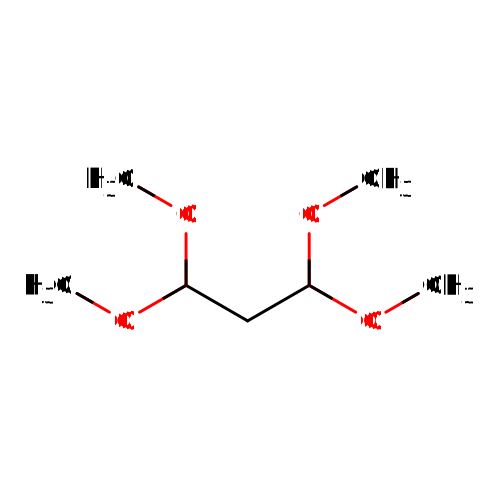
Propane, 1,1,3,3-tetramethoxy- is an organic compound with the formula C7H16O4 and an average molecular weight of 164.20 g/mol. Propane, 1,1,3,3-tetramethoxy- belongs to the ethers, a subclass of organooxygen compounds within the organic compounds. This substance is identified as being found in or released from two recorded sources related to food, food processing, and cookware, specifically during the processing of meats and the preparation of vinegar.
Contaminant TypeNot Available
Chemical Structure
Synonyms
ValueSource
1,1,3,3-TMPHMDB
Chemical FormulaC7H16O4
Average Molecular Mass164.201 g/mol
Monoisotopic Mass164.105 g/mol
CAS Registry Number102-52-3
IUPAC Name1,1,3,3-tetramethoxypropane
Traditional Namepropane, 1,1,3,3-tetramethoxy-
SMILESCOC(CC(OC)OC)OC
InChI IdentifierInChI=1S/C7H16O4/c1-8-6(9-2)5-7(10-3)11-4/h6-7H,5H2,1-4H3
InChI KeyXHTYQFMRBQUCPX-UHFFFAOYSA-N
Chemical Taxonomy
Description Belongs to the class of organic compounds known as acetals. Acetals are compounds having the structure R2C(OR')2 ( R' not Hydrogen) and thus diethers of geminal diols. Originally, the term was confined to derivatives of aldehydes (one R = H), but it now applies equally to derivatives of ketones (neither R = H ). Mixed acetals have different R' groups.
KingdomOrganic compounds
Super ClassOrganic oxygen compounds
ClassOrganooxygen compounds
Sub ClassEthers
Direct ParentAcetals
Alternative Parents
Substituents
  • Acetal
  • Hydrocarbon derivative
  • Aliphatic acyclic compound
Molecular FrameworkAliphatic acyclic compounds
External DescriptorsNot Available
Biological Properties
StatusDetected and Not Quantified
OriginNot Available
Cellular LocationsNot Available
Biofluid LocationsNot Available
Tissue LocationsNot Available
ApplicationsNot Available
Biological RolesNot Available
Chemical RolesNot Available
Organoleptic EffectsNot Available
Physical Properties
StateNot Available
AppearanceNot Available
Experimental Properties
PropertyValue
Melting PointNot Available
Boiling PointNot Available
SolubilityNot Available
Predicted Properties
PropertyValueSource
Water Solubility62.8 g/LALOGPS
logP0.21ALOGPS
logP0.36ChemAxon
logS-0.42ALOGPS
pKa (Strongest Basic)-3.7ChemAxon
Physiological Charge0ChemAxon
Hydrogen Acceptor Count4ChemAxon
Hydrogen Donor Count0ChemAxon
Polar Surface Area36.92 ŲChemAxon
Rotatable Bond Count6ChemAxon
Refractivity40.07 m³·mol⁻¹ChemAxon
Polarizability17.7 ųChemAxon
Number of Rings0ChemAxon
BioavailabilityYesChemAxon
Rule of FiveYesChemAxon
Ghose FilterYesChemAxon
Veber's RuleYesChemAxon
MDDR-like RuleNoChemAxon
Spectra
Spectra
Spectrum TypeDescriptionSplash KeyDeposition DateView
Predicted GC-MSPredicted GC-MS Spectrumsplash10-0059-9600000000-00e970c339d56806f6e8Not AvailableView Spectrum
Predicted GC-MSPredicted GC-MS SpectrumNot AvailableNot AvailableView Spectrum
Predicted LC-MS/MSPredicted LC-MS/MS Spectrumsplash10-0gc0-0900000000-bbeb7f4d0fc44069b8d4Not AvailableView Spectrum
Predicted LC-MS/MSPredicted LC-MS/MS Spectrumsplash10-0ue9-2900000000-836c551041188cdc46a0Not AvailableView Spectrum
Predicted LC-MS/MSPredicted LC-MS/MS Spectrumsplash10-0pbi-9300000000-00b8b6cd975a6c7a289eNot AvailableView Spectrum
Predicted LC-MS/MSPredicted LC-MS/MS Spectrumsplash10-0il0-3900000000-41e0656212ed322d29a9Not AvailableView Spectrum
Predicted LC-MS/MSPredicted LC-MS/MS Spectrumsplash10-0a4i-9100000000-7708b1d4baaa63cac418Not AvailableView Spectrum
Predicted LC-MS/MSPredicted LC-MS/MS Spectrumsplash10-0a4i-9000000000-ede5c610bd01eae03cdbNot AvailableView Spectrum
1D NMR13C NMR Spectrum (1D, D2O, predicted)Not AvailableNot AvailableView Spectrum
1D NMR1H NMR Spectrum (1D, D2O, predicted)Not AvailableNot AvailableView Spectrum
Toxicity Profile
Toxicity Values
Toxicity ValueOrganismDose DescriptorRoute of ExposurePredicted or ExperimentalToxicity RatingReference
2509.0 Log mg/kg [1400:4500]RatLD50oralpredictedNot AvailableNot Available
Toxicity / Toxin ClassNot Available
Mechanism of ToxicityNot Available
Carcinogenicity (IARC Classification)Not Available
Minimum Risk LevelNot Available
SymptomsNot Available
TreatmentNot Available
Health Effects
Health EffectRelationshipDirectionDescriptionReference
Exposure Sources
Source IDSourceSectorReference
CEDs000010Insecticides?Insecticides are synthetic chemicals designed to control or eliminate insect pests that threaten crops and other agricultural products.Agriculture & land managementPubChem
CEDs000511Conductors Or Conductive Bodies Characterised By The Conductive Materials?Conductors, or conductive bodies, are materials that allow the flow of electrical current, typically made from metals such as copper, aluminum, or silver.Electrical & Electronic EquipmentPubChem
CEDs000519Electrodes?Electrodes, used in various electrical and electronic applications, can be a source of synthetic chemical contamination due to the materials from which they are constructed and the processes involved in their manufacturing.Electrical & Electronic EquipmentPubChem
CEDs000524Hybrid Capacitors?Hybrid capacitors are energy storage devices that combine the properties of electrolytic and supercapacitors, utilizing a combination of electrochemical principles to achieve higher energy density and power density.Electrical & Electronic EquipmentPubChem
CEDs000545Food Preservation?Food preservation often involves the use of synthetic chemicals, such as preservatives, flavor enhancers, and color additives, to extend shelf life and enhance the sensory qualities of food products.Food, food processing & cookwarePubChem
CEDs000548Preparation Of Vinegar?Vinegar is produced through the fermentation of ethanol by acetic acid bacteria, resulting in a solution that typically contains 4-8% acetic acid.Food, food processing & cookwarePubChem
CEDs000552Processing Meats?Processing meats can lead to synthetic chemical contamination primarily through the use of additives and preservatives.Food, food processing & cookwarePubChem
CEDs000596Acaricides?Acaricides are synthetic chemicals specifically designed to target and control mite populations that can damage crops and plants.Agriculture & land managementPubChem
CEDs000600Herbicides And Algicides?Herbicides and algicides are synthetic chemicals primarily used to control unwanted plants and algae in various environments.Agriculture & land managementPubChem
CEDs000603Nematocides?Nematocides are synthetic chemicals specifically designed to control nematodes, which are microscopic roundworms that can cause significant damage to crops and plants.Agriculture & land managementPubChem
CEDs000615Eye Makeup Products?Eye makeup products, including mascaras, eyeliners, and eyeshadows, often contain a variety of synthetic chemicals such as pigments, preservatives, and film-forming agents.Personal care & cosmeticsPubChem
CEDs000632Apparel?Apparel production often involves the use of various synthetic chemicals, including dyes, finishing agents, and preservatives.Textiles, leather & furnishingsPubChem
CEDs000685Ceramics?Ceramics can be a source of synthetic chemical contamination through various additives and processing agents used in their production.Building & ConstructionPubChem
CEDs000686Clay Wares?Clay wares are ceramic products made from natural clay, often utilized in various construction applications such as tiles, bricks, and sanitary ware.Building & ConstructionPubChem
CEDs000696Nanotechnology?Nanotechnology involves the manipulation of materials at the molecular or atomic level, typically within the range of 1 to 100 nanometers.Industrial manufacturing & chemical processingPubChem
CEDs000735Explosives?Explosives are chemical compounds or mixtures designed to undergo rapid decomposition, releasing energy in the form of gas and heat.Defense & military infrastructurePubChem
CEDs000739Inks?Inks are complex mixtures composed of pigments or dyes, solvents, resins, and additives used primarily for printing and writing applications.Paper, pulp & fiber productsPubChem
CEDs000744Water, Wastewater, & Sewage Treatment?Water, wastewater, and sewage treatment processes are critical for managing and mitigating pollutants in water systems.Wastewater, sanitation & biosolidsPubChem
Pathways
0 pathwaysPathway Source: PathBank

No pathways found

No metabolic pathways have been associated with this synthetic chemical

Targets
StructureProteinUniProt IDOrganismRelationshipDetails
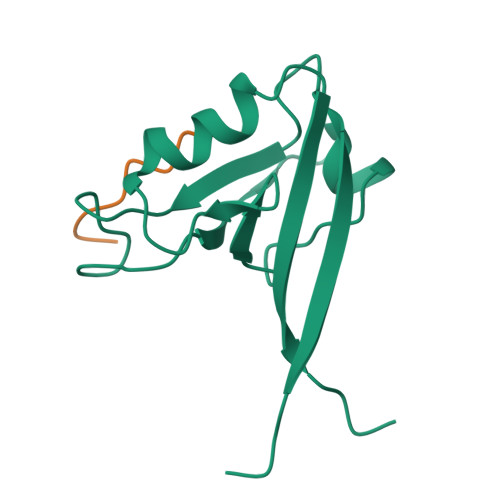
Click to view 3D structureLeucine aminopeptidaseQ29571Sus scrofaPredicted (SEA)
Prediction Confidence Score
0.174
Applicability Domain
0.174 Low confidence
Statistical Significance
4.90e-04
Supporting Reference Compounds
1
E-value
3.81461
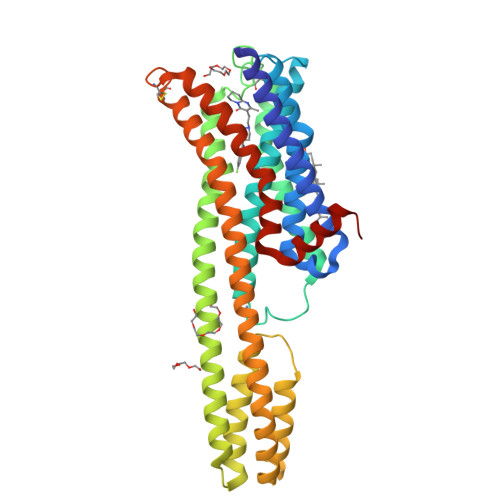
Click to view 3D structure5-hydroxytryptamine receptor 2BP30994Rattus norvegicusPredicted (SEA)
Prediction Confidence Score
0.161
Applicability Domain
0.172 Low confidence
Statistical Significance
0.5
Supporting Reference Compounds
40
E-value
3892.31
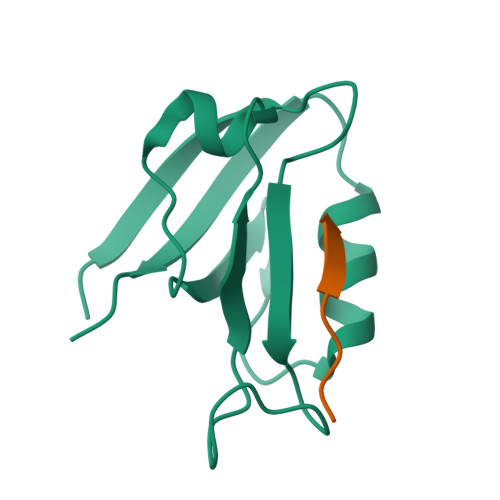
Aminopeptidase N structureClick to view 3D structureAminopeptidase NP15145Sus scrofaPredicted (SEA)
Prediction Confidence Score
0.158
Applicability Domain
0.174 Low confidence
Statistical Significance
0.3418
Supporting Reference Compounds
40
E-value
2661.28
5-hydroxytryptamine receptor 2C structureClick to view 3D structure5-hydroxytryptamine receptor 2CP08909RatPredicted (SEA)
Prediction Confidence Score
0.155
Applicability Domain
0.167 Low confidence
Statistical Significance
0.9103
Supporting Reference Compounds
185
E-value
7086.3
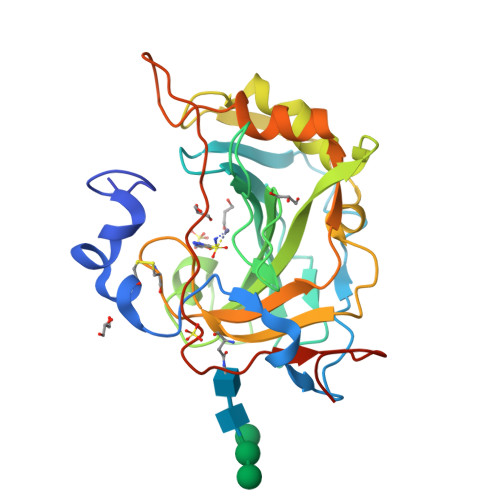
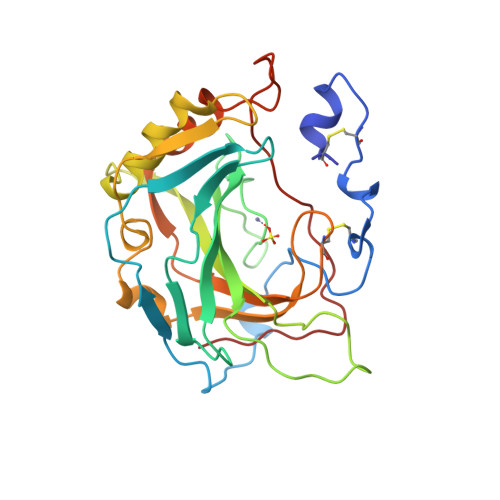
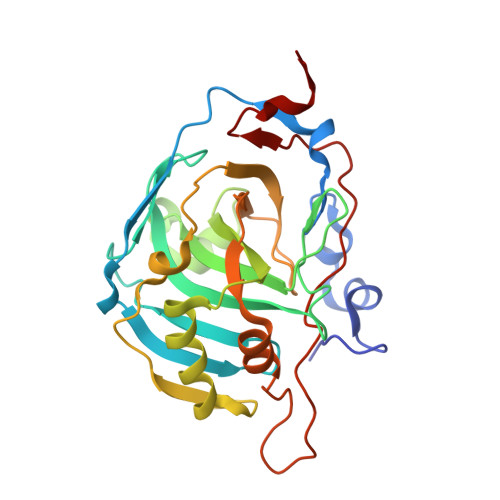
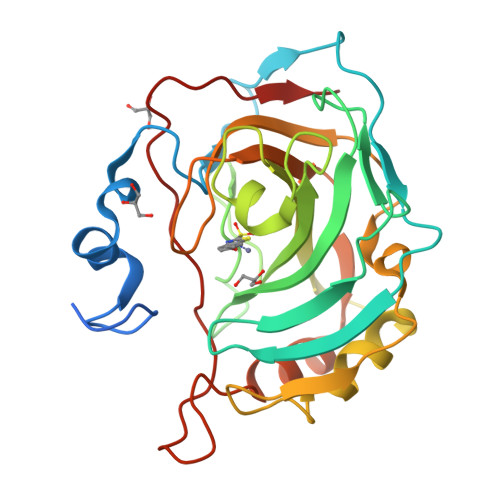
Carbonic anhydrase 2 structureClick to view 3D structureCarbonic anhydrase 2P00918HumansPredicted (SEA)
Prediction Confidence Score
0.154
Applicability Domain
0.167 Low confidence
Statistical Significance
0.9611
Supporting Reference Compounds
472
E-value
7482.01
5-hydroxytryptamine receptor 2A structureClick to view 3D structure5-hydroxytryptamine receptor 2AP14842Rattus norvegicusPredicted (SEA)
Prediction Confidence Score
0.152
Applicability Domain
0.167 Low confidence
Statistical Significance
0.9567
Supporting Reference Compounds
380
E-value
7447.83
5-hydroxytryptamine receptor 2A structureClick to view 3D structure5-hydroxytryptamine receptor 2AP28223HumansPredicted (SEA)
Prediction Confidence Score
0.151
Applicability Domain
0.167 Low confidence
Statistical Significance
0.9928
Supporting Reference Compounds
955
E-value
7728.79
Carbonic anhydrase 14 structureClick to view 3D structureCarbonic anhydrase 14Q9ULX7HumansPredicted (SEA)
Prediction Confidence Score
0.148
Applicability Domain
0.167 Low confidence
Statistical Significance
0.8848
Supporting Reference Compounds
172
E-value
6888.33
Carbonic anhydrase 1 structureClick to view 3D structureCarbonic anhydrase 1P00915HumansPredicted (SEA)
Prediction Confidence Score
0.145
Applicability Domain
0.167 Low confidence
Statistical Significance
0.9724
Supporting Reference Compounds
407
E-value
7570.45
Click to view 3D structure5-hydroxytryptamine receptor 1AP19327Rattus norvegicusPredicted (SEA)
Prediction Confidence Score
0.141
Applicability Domain
0.152 Low confidence
Statistical Significance
0.9898
Supporting Reference Compounds
541
E-value
7705.52
Amine oxidase [flavin-containing] A structureClick to view 3D structureAmine oxidase [flavin-containing] AP21396Rattus norvegicusPredicted (SEA)
Prediction Confidence Score
0.14
Applicability Domain
0.172 Low confidence
Statistical Significance
0.8947
Supporting Reference Compounds
66
E-value
6965.48
Carbonic anhydrase 9 structureClick to view 3D structureCarbonic anhydrase 9Q16790HumansPredicted (SEA)
Prediction Confidence Score
0.139
Applicability Domain
0.167 Low confidence
Statistical Significance
0.9844
Supporting Reference Compounds
372
E-value
7663.56
Carbonic anhydrase 12 structureClick to view 3D structureCarbonic anhydrase 12O43570HumansPredicted (SEA)
Prediction Confidence Score
0.139
Applicability Domain
0.167 Low confidence
Statistical Significance
0.9792
Supporting Reference Compounds
332
E-value
7623.15
5-hydroxytryptamine receptor 2C structureClick to view 3D structure5-hydroxytryptamine receptor 2CP28335HumansPredicted (SEA)
Prediction Confidence Score
0.137
Applicability Domain
0.147 Low confidence
Statistical Significance
0.9972
Supporting Reference Compounds
823
E-value
7763.36
Fructose-bisphosphate aldolase, glycosomal structureClick to view 3D structureFructose-bisphosphate aldolase, glycosomalP07752Trypanosoma brucei bruceiPredicted (SEA)
Prediction Confidence Score
0.137
Applicability Domain
0.188 Low confidence
Statistical Significance
0.0029
Supporting Reference Compounds
2
E-value
22.5763
Aminopeptidase N structureClick to view 3D structureAminopeptidase NP15144HumansPredicted (SEA)
Prediction Confidence Score
0.136
Applicability Domain
0.174 Low confidence
Statistical Significance
0.6821
Supporting Reference Compounds
42
E-value
5309.94
5-hydroxytryptamine receptor 2B structureClick to view 3D structure5-hydroxytryptamine receptor 2BP41595HumansPredicted (SEA)
Prediction Confidence Score
0.136
Applicability Domain
0.147 Low confidence
Statistical Significance
0.9974
Supporting Reference Compounds
686
E-value
7764.37
Lysophosphatidic acid receptor 6 structureClick to view 3D structureLysophosphatidic acid receptor 6P43657HumansPredicted (SEA)
Prediction Confidence Score
0.135
Applicability Domain
0.171 Low confidence
Statistical Significance
0.0152
Supporting Reference Compounds
3
E-value
118.097
Click to view 3D structureTrace amine-associated receptor 1Q8HZ64Macaca mulattaPredicted (SEA)
Prediction Confidence Score
0.134
Applicability Domain
0.156 Low confidence
Statistical Significance
0.1866
Supporting Reference Compounds
8
E-value
1452.67
Carbonic anhydrase 4 structureClick to view 3D structureCarbonic anhydrase 4P22748HumansPredicted (SEA)
Prediction Confidence Score
0.133
Applicability Domain
0.167 Low confidence
Statistical Significance
0.9782
Supporting Reference Compounds
193
E-value
7615.44
Carbonic anhydrase 3 structureClick to view 3D structureCarbonic anhydrase 3P07451HumansPredicted (SEA)
Prediction Confidence Score
0.132
Applicability Domain
0.167 Low confidence
Statistical Significance
0.9189
Supporting Reference Compounds
64
E-value
7153.95
Click to view 3D structureHistidine decarboxylaseP16453Rattus norvegicusPredicted (SEA)
Prediction Confidence Score
0.132
Applicability Domain
0.132 Low confidence
Statistical Significance
0.2785
Supporting Reference Compounds
1
E-value
2168.26
Click to view 3D structureSodium-dependent serotonin transporterP31652Rattus norvegicusPredicted (SEA)
Prediction Confidence Score
0.13
Applicability Domain
0.172 Low confidence
Statistical Significance
0.9885
Supporting Reference Compounds
297
E-value
7695.78
Carbonic anhydrase 7 structureClick to view 3D structureCarbonic anhydrase 7P43166HumansPredicted (SEA)
Prediction Confidence Score
0.13
Applicability Domain
0.167 Low confidence
Statistical Significance
0.9865
Supporting Reference Compounds
242
E-value
7679.9
Click to view 3D structureAminopeptidase BO09175Rattus norvegicusPredicted (SEA)
Prediction Confidence Score
0.129
Applicability Domain
0.174 Low confidence
Statistical Significance
0.2805
Supporting Reference Compounds
8
E-value
2183.44
Concentrations
Not Available
External Links
DrugBank IDNot Available
HMDB IDHMDB0244048
FooDB IDNot Available
Phenol Explorer IDNot Available
KNApSAcK IDNot Available
BiGG IDNot Available
BioCyc IDNot Available
METLIN IDNot Available
PDB IDNot Available
Wikipedia Link1,1,3,3-Tetramethoxypropane
Chemspider ID59410
ChEBI IDNot Available
PubChem Compound ID66019
Kegg Compound IDNot Available
YMDB IDNot Available
ECMDB IDNot Available
References
Synthesis ReferenceNot Available
MSDSNot Available
General ReferencesNot Available