Ethanamine, 2-chloro-N,N-dimethyl- (CED0181983)

Record Information
Version1.0
Creation Date2026-04-03 12:08:10 UTC
Update Date2026-08-22 15:18:34 UTC
SynCED IDCED0181983
Secondary Accession Numbers
  • CHEM064223
Identification
Common NameEthanamine, 2-chloro-N,N-dimethyl-
ClassSmall Molecule
Description
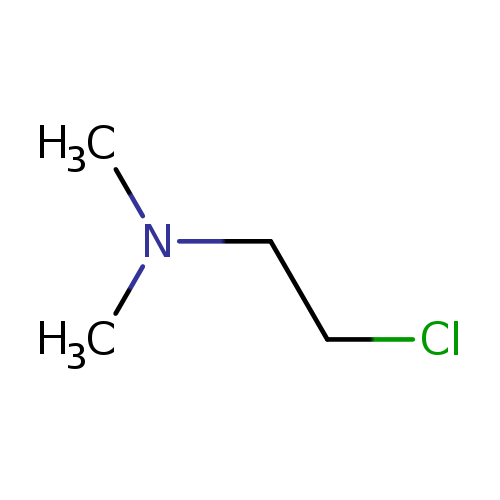
Ethanamine, 2-chloro-N,N-dimethyl- is an organic compound with the chemical formula C4H10Cl1N1 and an average molecular weight of 107.58 g/mol. Ethanamine, 2-chloro-N,N-dimethyl- belongs to the amines, a subclass of organonitrogen compounds within the organic compounds. This compound is found in or released from nine recorded sources. Within the category of electrical and electronic equipment, it is associated with amplifiers, antennas, colour television systems, electrically stimulated smoking devices, and electrodes, among two other sources. Additionally, it is found in household cleaning and consumer products, specifically in pipe accessories and tobacco smoke filters.
Contaminant TypeNot Available
Chemical Structure
Synonyms
ValueSource
(2-Chloroethyl)dimethylamineChEBI
1-Dimethylamino-2-chloroethaneChEBI
beta-(Dimethylamino)ethyl chlorideChEBI
beta-ChloroethyldimethylamineChEBI
Chloro(dimethylamino)ethaneChEBI
Dimethyl(2-chloroethyl)amineChEBI
N,N-Dimethyl-2-chloroethylamineChEBI
N-(2-Chloroethyl)dimethylamineChEBI
Nitrogen half mustardChEBI
b-(Dimethylamino)ethyl chlorideGenerator
Β-(dimethylamino)ethyl chlorideGenerator
b-ChloroethyldimethylamineGenerator
Β-chloroethyldimethylamineGenerator
Chemical FormulaC4H10Cl1N1
Average Molecular Mass107.580 g/mol
Monoisotopic Mass107.050 g/mol
CAS Registry Number107-99-3
IUPAC Name(2-chloroethyl)dimethylamine
Traditional Namedimethylaminoethyl chloride
SMILESCN(C)CCCl
InChI IdentifierInChI=1S/C4H10ClN/c1-6(2)4-3-5/h3-4H2,1-2H3
InChI KeyWQMAANZKNUDL-UHFFFAOYSA-N
Chemical Taxonomy
Description Belongs to the class of organic compounds known as trialkylamines. These are organic compounds containing a trialkylamine group, characterized by exactly three alkyl groups bonded to the amino nitrogen.
KingdomOrganic compounds
Super ClassOrganic nitrogen compounds
ClassOrganonitrogen compounds
Sub ClassAmines
Direct ParentTrialkylamines
Alternative Parents
Substituents
  • Tertiary aliphatic amine
  • Organopnictogen compound
  • Hydrocarbon derivative
  • Organochloride
  • Organohalogen compound
  • Alkyl halide
  • Alkyl chloride
  • Aliphatic acyclic compound
Molecular FrameworkAliphatic acyclic compounds
External Descriptors
Biological Properties
StatusDetected and Not Quantified
OriginNot Available
Cellular LocationsNot Available
Biofluid LocationsNot Available
Tissue LocationsNot Available
ApplicationsNot Available
Biological RolesNot Available
Chemical RolesNot Available
Organoleptic EffectsNot Available
Physical Properties
StateNot Available
AppearanceNot Available
Experimental Properties
PropertyValue
Melting PointNot Available
Boiling PointNot Available
SolubilityNot Available
Predicted Properties
PropertyValueSource
Water Solubility254 g/LALOGPS
logP0.64ALOGPS
logP0.85ChemAxon
logS0.37ALOGPS
pKa (Strongest Basic)7.9ChemAxon
Physiological Charge1ChemAxon
Hydrogen Acceptor Count1ChemAxon
Hydrogen Donor Count0ChemAxon
Polar Surface Area3.24 ŲChemAxon
Rotatable Bond Count2ChemAxon
Refractivity29.33 m³·mol⁻¹ChemAxon
Polarizability11.69 ųChemAxon
Number of Rings0ChemAxon
BioavailabilityYesChemAxon
Rule of FiveYesChemAxon
Ghose FilterNoChemAxon
Veber's RuleYesChemAxon
MDDR-like RuleNoChemAxon
Spectra
SpectraNot Available
Toxicity Profile
Toxicity Values
Toxicity ValueOrganismDose DescriptorRoute of ExposurePredicted or ExperimentalToxicity RatingReference
180.0 Log mg/kg [100:320]RatLD50oralpredictedNot AvailableNot Available
Toxicity / Toxin ClassNot Available
Mechanism of ToxicityNot Available
Carcinogenicity (IARC Classification)Not Available
Minimum Risk LevelNot Available
SymptomsNot Available
TreatmentNot Available
Health Effects
Health EffectRelationshipDirectionDescriptionReference
Exposure Sources
Source IDSourceSectorReference
CEDs000505Amplifiers?Amplifiers, commonly used in various electronic devices to enhance signal strength, can be a source of synthetic chemical contamination due to the materials and processes involved in their production and disposal.Electrical & Electronic EquipmentPubChem
CEDs000506Antennas?Antennas, commonly used in communication technologies, can be a source of synthetic chemical contamination through the materials and coatings used in their construction.Electrical & Electronic EquipmentPubChem
CEDs000509Colour Television Systems?Colour television systems contain various synthetic chemicals that can lead to environmental contamination.Electrical & Electronic EquipmentPubChem
CEDs000518Electrically Stimulated Smoking Devices?Electrically stimulated smoking devices, commonly known as e-cigarettes or vape pens, utilize electrical components to heat a liquid solution, often containing nicotine, flavorings, and other additives, to produce an aerosol for inhalation.Electrical & Electronic EquipmentPubChem
CEDs000519Electrodes?Electrodes, used in various electrical and electronic applications, can be a source of synthetic chemical contamination due to the materials from which they are constructed and the processes involved in their manufacturing.Electrical & Electronic EquipmentPubChem
CEDs000524Hybrid Capacitors?Hybrid capacitors are energy storage devices that combine the properties of electrolytic and supercapacitors, utilizing a combination of electrochemical principles to achieve higher energy density and power density.Electrical & Electronic EquipmentPubChem
CEDs000525Line Transmission Systems?Line Transmission Systems, commonly used for the distribution of electrical energy, can be a source of synthetic chemical contamination through the insulation materials and coatings utilized in their construction.Electrical & Electronic EquipmentPubChem
CEDs000562Pipe Accessories?Pipe accessories, such as fittings, connectors, and seals, are components used in plumbing systems to facilitate the flow of liquids and gases.Household cleaning & consumer productsPubChem
CEDs000569Tobacco Smoke Filters?Tobacco smoke filters are designed to reduce the inhalation of harmful substances in cigarette smoke, including tar and other particulate matter.Household cleaning & consumer productsPubChem
CEDs000580Manufacture Preparation Of Tobacco Products?The manufacture and preparation of tobacco products involve various processes that can result in the introduction of synthetic chemicals into the environment.Industrial manufacturing & chemical processingPubChem
CEDs000581Paper Making Machines?Paper making machines utilize various synthetic chemicals throughout the production process, including additives, coatings, and bleaching agents.Industrial manufacturing & chemical processingPubChem
CEDs000584Buoys?Buoys, often used for navigation and marine monitoring, can be sources of synthetic chemical contamination due to the materials and coatings employed in their construction.Marine, shipping & aquaculturePubChem
CEDs000592Marine Propulsion Or Steering?Marine propulsion and steering systems often rely on various synthetic chemicals, including lubricants, fuels, and hydraulic fluids.Marine, shipping & aquaculturePubChem
CEDs000611Anti Perspirants Or Body Deoderants?Antiperspirants and body deodorants commonly contain synthetic chemicals such as aluminum compounds, parabens, and synthetic fragrances.Personal care & cosmeticsPubChem
CEDs000614Essential Oils Or Perfumes?Essential oils and perfumes are complex mixtures of volatile compounds derived from natural or synthetic sources, commonly used for their aromatic properties.Personal care & cosmeticsPubChem
CEDs000619Manicure Pedicure?Manicure and pedicure procedures often involve the use of various synthetic chemicals, including solvents, nail polishes, and nail adhesives.Personal care & cosmeticsPubChem
CEDs000632Apparel?Apparel production often involves the use of various synthetic chemicals, including dyes, finishing agents, and preservatives.Textiles, leather & furnishingsPubChem
CEDs000645Inorganic Fibres?Inorganic fibres, such as asbestos, glass wool, and ceramic fibres, are used in various applications due to their thermal resistance, strength, and durability.Textiles, leather & furnishingsPubChem
CEDs000679Phosphatic Fertilisers?Phosphatic fertilizers are synthetic chemical products primarily composed of phosphorus, which is essential for plant growth.Agriculture & land managementPubChem
CEDs000684Cements?Cements are a composite material primarily used as a binding agent in construction applications, formed by the calcination of limestone and clay minerals at high temperatures.Building & ConstructionPubChem
CEDs000685Ceramics?Ceramics can be a source of synthetic chemical contamination through various additives and processing agents used in their production.Building & ConstructionPubChem
CEDs000696Nanotechnology?Nanotechnology involves the manipulation of materials at the molecular or atomic level, typically within the range of 1 to 100 nanometers.Industrial manufacturing & chemical processingPubChem
CEDs000735Explosives?Explosives are chemical compounds or mixtures designed to undergo rapid decomposition, releasing energy in the form of gas and heat.Defense & military infrastructurePubChem
CEDs000739Inks?Inks are complex mixtures composed of pigments or dyes, solvents, resins, and additives used primarily for printing and writing applications.Paper, pulp & fiber productsPubChem
CEDs000740Paper?Paper production involves the processing of wood fibers and the use of various chemicals, which can lead to synthetic chemical contamination.Paper, pulp & fiber productsPubChem
CEDs000741Pigment Pastes?Pigment pastes are concentrated dispersions of pigments used to impart color and properties to materials.Paper, pulp & fiber productsPubChem
CEDs000743Sludge Treatment?Sludge treatment involves the processing of waste materials generated from wastewater treatment plants, which often contain a variety of organic and inorganic substances.Wastewater, sanitation & biosolidsPubChem
CEDs000744Water, Wastewater, & Sewage Treatment?Water, wastewater, and sewage treatment processes are critical for managing and mitigating pollutants in water systems.Wastewater, sanitation & biosolidsPubChem
Pathways
0 pathwaysPathway Source: PathBank

No pathways found

No metabolic pathways have been associated with this synthetic chemical

Targets
StructureProteinUniProt IDOrganismRelationshipDetails
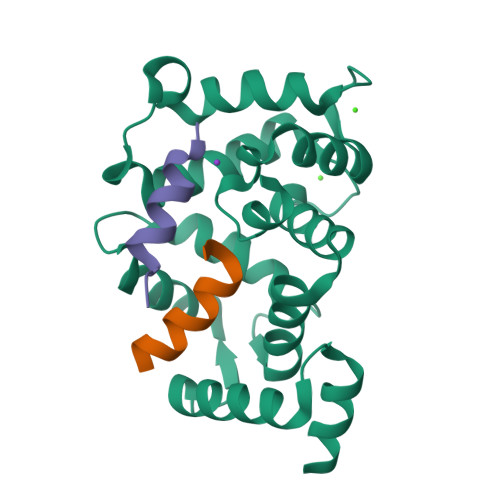
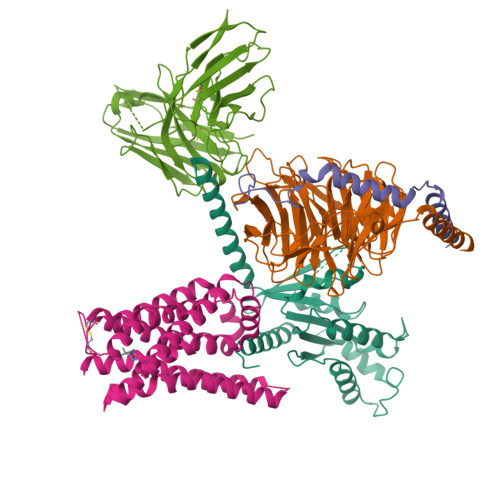
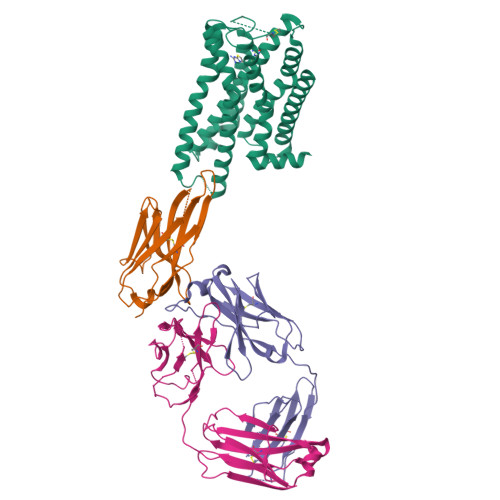
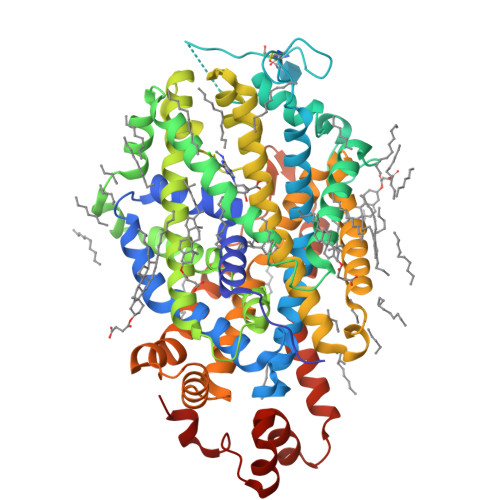
Click to view 3D structure5-hydroxytryptamine receptor 1AP19327Rattus norvegicusPredicted (SEA)
Prediction Confidence Score
0.224
Applicability Domain
0.292 Low confidence
Statistical Significance
0.3799
Supporting Reference Compounds
541
E-value
2957.88
5-hydroxytryptamine receptor 6 structureClick to view 3D structure5-hydroxytryptamine receptor 6P50406HumansPredicted (SEA)
Prediction Confidence Score
0.217
Applicability Domain
0.25 Low confidence
Statistical Significance
0.4675
Supporting Reference Compounds
536
E-value
3639.45
5-hydroxytryptamine receptor 2B structureClick to view 3D structure5-hydroxytryptamine receptor 2BP41595HumansPredicted (SEA)
Prediction Confidence Score
0.215
Applicability Domain
0.233 Low confidence
Statistical Significance
0.6362
Supporting Reference Compounds
686
E-value
4953.08
5-hydroxytryptamine receptor 2C structureClick to view 3D structure5-hydroxytryptamine receptor 2CP28335HumansPredicted (SEA)
Prediction Confidence Score
0.213
Applicability Domain
0.233 Low confidence
Statistical Significance
0.6744
Supporting Reference Compounds
823
E-value
5250.0
5-hydroxytryptamine receptor 2A structureClick to view 3D structure5-hydroxytryptamine receptor 2AP28223HumansPredicted (SEA)
Prediction Confidence Score
0.213
Applicability Domain
0.233 Low confidence
Statistical Significance
0.6988
Supporting Reference Compounds
955
E-value
5440.03
Histamine H1 receptor structureClick to view 3D structureHistamine H1 receptorP35367HumansPredicted (SEA)
Prediction Confidence Score
0.211
Applicability Domain
0.233 Low confidence
Statistical Significance
0.5879
Supporting Reference Compounds
507
E-value
4576.68
Sodium-dependent noradrenaline transporter structureClick to view 3D structureSodium-dependent noradrenaline transporterP23975HumansPredicted (SEA)
Prediction Confidence Score
0.211
Applicability Domain
0.233 Low confidence
Statistical Significance
0.5442
Supporting Reference Compounds
451
E-value
4236.63
Muscarinic acetylcholine receptor M1 structureClick to view 3D structureMuscarinic acetylcholine receptor M1P11229HumansPredicted (SEA)
Prediction Confidence Score
0.21
Applicability Domain
0.233 Low confidence
Statistical Significance
0.5459
Supporting Reference Compounds
385
E-value
4249.56
Muscarinic acetylcholine receptor M2 structureClick to view 3D structureMuscarinic acetylcholine receptor M2P08172HumansPredicted (SEA)
Prediction Confidence Score
0.21
Applicability Domain
0.233 Low confidence
Statistical Significance
0.5319
Supporting Reference Compounds
373
E-value
4140.96
Muscarinic acetylcholine receptor M3 structureClick to view 3D structureMuscarinic acetylcholine receptor M3P20309HumansPredicted (SEA)
Prediction Confidence Score
0.21
Applicability Domain
0.233 Low confidence
Statistical Significance
0.4712
Supporting Reference Compounds
310
E-value
3668.18
Sigma non-opioid intracellular receptor 1 structureClick to view 3D structureSigma non-opioid intracellular receptor 1Q99720HumansPredicted (SEA)
Prediction Confidence Score
0.21
Applicability Domain
0.241 Low confidence
Statistical Significance
0.6179
Supporting Reference Compounds
562
E-value
4810.23
Voltage-gated inwardly rectifying potassium channel KCNH2 structureClick to view 3D structureVoltage-gated inwardly rectifying potassium channel KCNH2Q12809HumansPredicted (SEA)
Prediction Confidence Score
0.208
Applicability Domain
0.233 Low confidence
Statistical Significance
0.9149
Supporting Reference Compounds
1498
E-value
7122.74
Muscarinic acetylcholine receptor M5 structureClick to view 3D structureMuscarinic acetylcholine receptor M5P08912HumansPredicted (SEA)
Prediction Confidence Score
0.208
Applicability Domain
0.233 Low confidence
Statistical Significance
0.4454
Supporting Reference Compounds
266
E-value
3467.56
Muscarinic acetylcholine receptor M4 structureClick to view 3D structureMuscarinic acetylcholine receptor M4P08173HumansPredicted (SEA)
Prediction Confidence Score
0.208
Applicability Domain
0.233 Low confidence
Statistical Significance
0.4636
Supporting Reference Compounds
297
E-value
3608.78
Click to view 3D structure5-hydroxytryptamine receptor 1BP28564Rattus norvegicusPredicted (SEA)
Prediction Confidence Score
0.207
Applicability Domain
0.241 Low confidence
Statistical Significance
0.2833
Supporting Reference Compounds
154
E-value
2205.16
Sodium-dependent serotonin transporter structureClick to view 3D structureSodium-dependent serotonin transporterP31645HumansPredicted (SEA)
Prediction Confidence Score
0.203
Applicability Domain
0.206 Low confidence
Statistical Significance
0.6974
Supporting Reference Compounds
593
E-value
5429.52
Click to view 3D structureHistamine H1 receptorP31390Rattus norvegicusPredicted (SEA)
Prediction Confidence Score
0.203
Applicability Domain
0.206 Low confidence
Statistical Significance
0.1663
Supporting Reference Compounds
63
E-value
1294.94
D(2) dopamine receptor structureClick to view 3D structureD(2) dopamine receptorP14416HumansPredicted (SEA)
Prediction Confidence Score
0.2
Applicability Domain
0.206 Low confidence
Statistical Significance
0.8264
Supporting Reference Compounds
1103
E-value
6433.62
Click to view 3D structureAlpha-1A adrenergic receptorP43140Rattus norvegicusPredicted (SEA)
Prediction Confidence Score
0.2
Applicability Domain
0.206 Low confidence
Statistical Significance
0.4314
Supporting Reference Compounds
208
E-value
3358.65
Alpha-2B adrenergic receptor structureClick to view 3D structureAlpha-2B adrenergic receptorP18089HumansPredicted (SEA)
Prediction Confidence Score
0.2
Applicability Domain
0.206 Low confidence
Statistical Significance
0.6004
Supporting Reference Compounds
340
E-value
4673.91
Alpha-2A adrenergic receptor structureClick to view 3D structureAlpha-2A adrenergic receptorP08913HumansPredicted (SEA)
Prediction Confidence Score
0.2
Applicability Domain
0.206 Low confidence
Statistical Significance
0.7108
Supporting Reference Compounds
487
E-value
5533.6
Histamine H2 receptor structureClick to view 3D structureHistamine H2 receptorP25021HumansPredicted (SEA)
Prediction Confidence Score
0.2
Applicability Domain
0.206 Low confidence
Statistical Significance
0.5605
Supporting Reference Compounds
256
E-value
4363.84
Click to view 3D structureAlpha-1B adrenergic receptorP15823Rattus norvegicusPredicted (SEA)
Prediction Confidence Score
0.2
Applicability Domain
0.206 Low confidence
Statistical Significance
0.2926
Supporting Reference Compounds
130
E-value
2278.02
D(3) dopamine receptor structureClick to view 3D structureD(3) dopamine receptorP35462HumansPredicted (SEA)
Prediction Confidence Score
0.199
Applicability Domain
0.206 Low confidence
Statistical Significance
0.8018
Supporting Reference Compounds
861
E-value
6242.18
Sodium-dependent dopamine transporter structureClick to view 3D structureSodium-dependent dopamine transporterQ01959HumansPredicted (SEA)
Prediction Confidence Score
0.197
Applicability Domain
0.206 Low confidence
Statistical Significance
0.7796
Supporting Reference Compounds
506
E-value
6069.2
Concentrations
Not Available
External Links
DrugBank IDNot Available
HMDB IDNot Available
FooDB IDNot Available
Phenol Explorer IDNot Available
KNApSAcK IDNot Available
BiGG IDNot Available
BioCyc IDNot Available
METLIN IDNot Available
PDB IDNot Available
Wikipedia LinkNot Available
Chemspider IDNot Available
ChEBI ID78155
PubChem Compound IDNot Available
Kegg Compound IDNot Available
YMDB IDNot Available
ECMDB IDNot Available
References
Synthesis ReferenceNot Available
MSDSNot Available
General ReferencesNot Available