 Click to view 3D structure | Polyunsaturated fatty acid 5-lipoxygenase | P12527 | Rattus norvegicus | Predicted (SEA) | - Prediction Confidence Score
- 0.412
- Applicability Domain
- 0.438
- Statistical Significance
- 0.0012
- Supporting Reference Compounds
- 78
- E-value
- 9.26406
|
 Click to view 3D structure | Prostaglandin G/H synthase 2 | Q05769 | Mus musculus | Predicted (SEA) | - Prediction Confidence Score
- 0.399
- Applicability Domain
- 0.438
- Statistical Significance
- 6.60e-04
- Supporting Reference Compounds
- 43
- E-value
- 5.13805
|
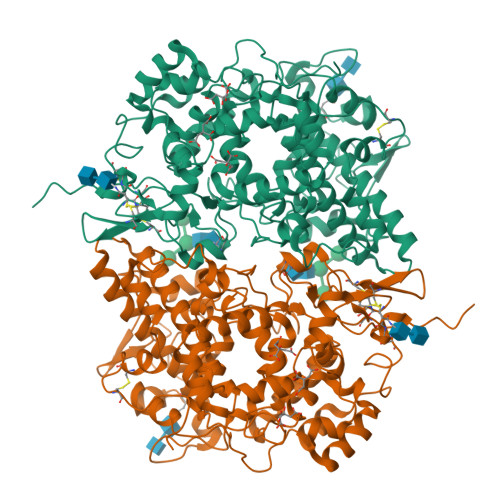 Click to view 3D structure | Prostaglandin G/H synthase 1 | P23219 | Humans | Predicted (SEA) | - Prediction Confidence Score
- 0.394
- Applicability Domain
- 0.438
- Statistical Significance
- 0.0015
- Supporting Reference Compounds
- 136
- E-value
- 11.7552
|
 Click to view 3D structure | Prostaglandin G/H synthase 2 | P35354 | Humans | Predicted (SEA) | - Prediction Confidence Score
- 0.335
- Applicability Domain
- 0.412
- Statistical Significance
- 0.007
- Supporting Reference Compounds
- 201
- E-value
- 54.4166
|
 Click to view 3D structure | Carbonic anhydrase 2 | P00918 | Humans | Predicted (SEA) | - Prediction Confidence Score
- 0.29
- Applicability Domain
- 0.609
- Statistical Significance
- 0.0589
- Supporting Reference Compounds
- 472
- E-value
- 458.765
|
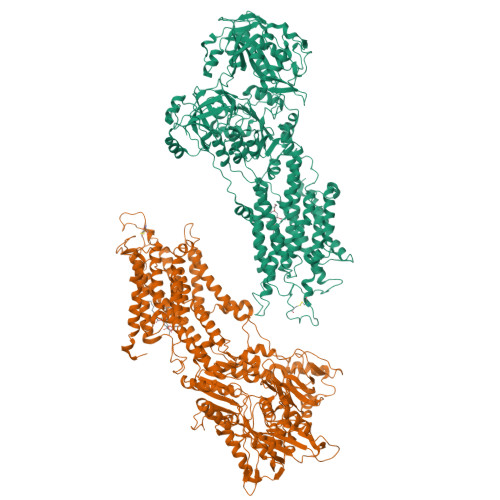 Click to view 3D structure | Sarcoplasmic/endoplasmic reticulum calcium ATPase 1 | P04191 | Oryctolagus cuniculus | Predicted (SEA) | - Prediction Confidence Score
- 0.282
- Applicability Domain
- 0.478
- Statistical Significance
- 1.30e-04
- Supporting Reference Compounds
- 15
- E-value
- 1.01204
|
 Click to view 3D structure | Prostaglandin G/H synthase 1 | P05979 | Ovis aries | Predicted (SEA) | - Prediction Confidence Score
- 0.28
- Applicability Domain
- 0.389
- Statistical Significance
- 0.0126
- Supporting Reference Compounds
- 106
- E-value
- 98.3236
|
 Click to view 3D structure | Unconventional myosin-Va | Q02440 | Gallus gallus | Predicted (SEA) | - Prediction Confidence Score
- 0.278
- Applicability Domain
- 0.278 Low confidence
- Statistical Significance
- 4.00e-05
- Supporting Reference Compounds
- 1
- E-value
- 0.311397
|
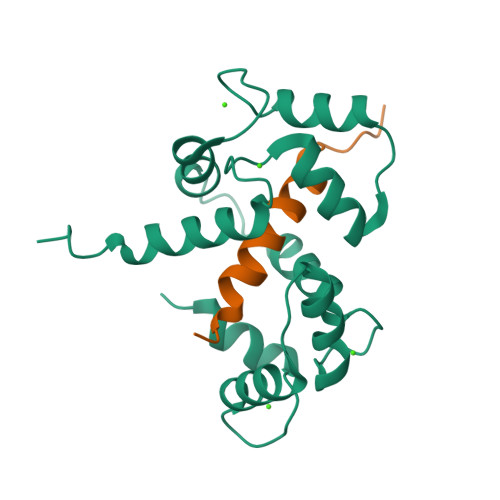 Click to view 3D structure | Myosin light chain kinase 2, skeletal/cardiac muscle | P07313 | Oryctolagus cuniculus | Predicted (SEA) | - Prediction Confidence Score
- 0.278
- Applicability Domain
- 0.278 Low confidence
- Statistical Significance
- 4.00e-05
- Supporting Reference Compounds
- 1
- E-value
- 0.311397
|
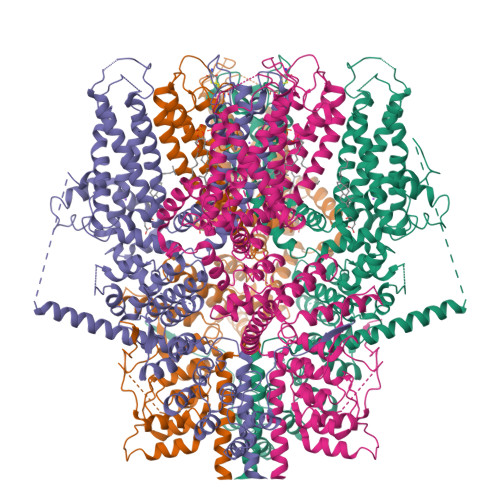 Click to view 3D structure | Short transient receptor potential channel 4 | Q9QUQ5 | Mus musculus | Predicted (SEA) | - Prediction Confidence Score
- 0.256
- Applicability Domain
- 0.478
- Statistical Significance
- 0.0474
- Supporting Reference Compounds
- 128
- E-value
- 369.083
|
| Click to view 3D structure | Polyunsaturated fatty acid lipoxygenase ALOX15 | P16050 | Humans | Predicted (SEA) | - Prediction Confidence Score
- 0.251
- Applicability Domain
- 0.407
- Statistical Significance
- 0.0074
- Supporting Reference Compounds
- 46
- E-value
- 57.9977
|
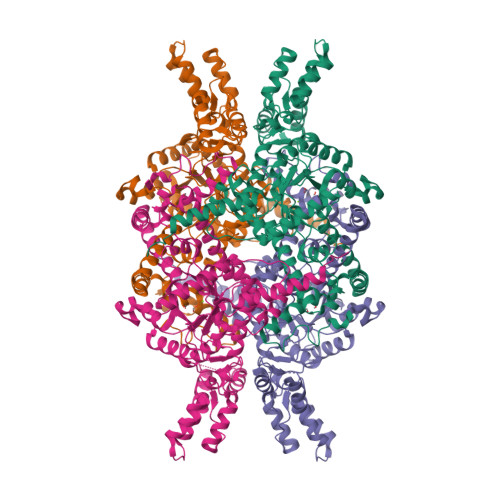 Click to view 3D structure | Isocitrate lyase | Q9P8Q7 | Candida albicans | Predicted (SEA) | - Prediction Confidence Score
- 0.25
- Applicability Domain
- 0.25 Low confidence
- Statistical Significance
- 4.50e-04
- Supporting Reference Compounds
- 1
- E-value
- 3.50322
|
| Click to view 3D structure | Sarcoplasmic/endoplasmic reticulum calcium ATPase 2 | P11507 | Rattus norvegicus | Predicted (SEA) | - Prediction Confidence Score
- 0.25
- Applicability Domain
- 0.25 Low confidence
- Statistical Significance
- 5.70e-04
- Supporting Reference Compounds
- 1
- E-value
- 4.43741
|
 Click to view 3D structure | Tyrosinase | P14679 | Humans | Predicted (SEA) | - Prediction Confidence Score
- 0.248
- Applicability Domain
- 0.609
- Statistical Significance
- 0.0057
- Supporting Reference Compounds
- 29
- E-value
- 44.6076
|
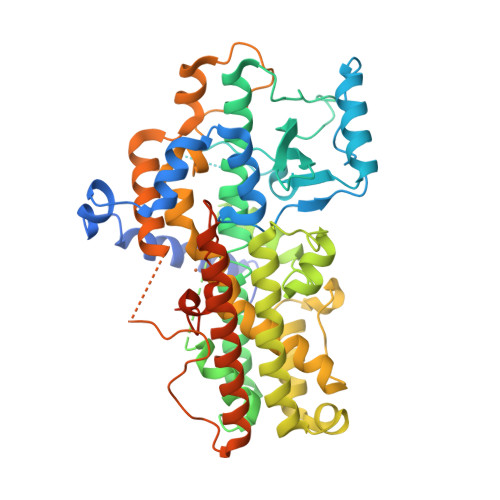 Click to view 3D structure | Polyunsaturated fatty acid lipoxygenase ALOX12 | P18054 | Humans | Predicted (SEA) | - Prediction Confidence Score
- 0.247
- Applicability Domain
- 0.407
- Statistical Significance
- 0.0057
- Supporting Reference Compounds
- 31
- E-value
- 44.2962
|
 Click to view 3D structure | Nuclear receptor subfamily 1 group I member 2 | O75469 | Humans | Predicted (SEA) | - Prediction Confidence Score
- 0.242
- Applicability Domain
- 0.393
- Statistical Significance
- 0.0389
- Supporting Reference Compounds
- 146
- E-value
- 302.522
|
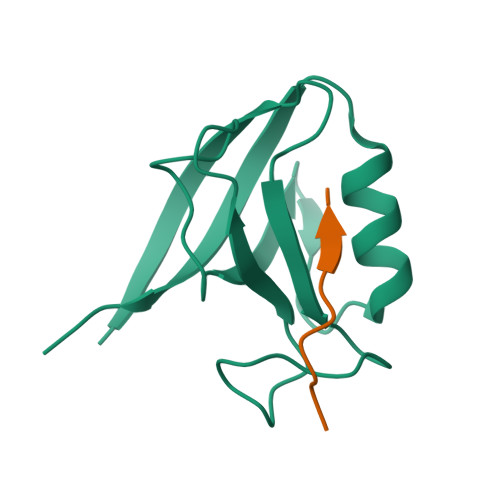 Click to view 3D structure | Receptor tyrosine-protein kinase erbB-2 | P04626 | Humans | Predicted (SEA) | - Prediction Confidence Score
- 0.241
- Applicability Domain
- 0.417
- Statistical Significance
- 0.3722
- Supporting Reference Compounds
- 674
- E-value
- 2897.39
|
 Click to view 3D structure | CDGSH iron-sulfur domain-containing protein 1 | Q9NZ45 | Humans | Predicted (SEA) | - Prediction Confidence Score
- 0.24
- Applicability Domain
- 0.417
- Statistical Significance
- 0.0033
- Supporting Reference Compounds
- 22
- E-value
- 25.9238
|
 Click to view 3D structure | Epidermal growth factor receptor | P00533 | Humans | Predicted (SEA) | - Prediction Confidence Score
- 0.234
- Applicability Domain
- 0.326
- Statistical Significance
- 0.5754
- Supporting Reference Compounds
- 1301
- E-value
- 4479.37
|
| Click to view 3D structure | Sarcoplasmic/endoplasmic reticulum calcium ATPase 3 | Q93084 | Humans | Predicted (SEA) | - Prediction Confidence Score
- 0.232
- Applicability Domain
- 0.478
- Statistical Significance
- 2.60e-04
- Supporting Reference Compounds
- 3
- E-value
- 2.02408
|
 Click to view 3D structure | Alpha-2A adrenergic receptor | P08913 | Humans | Predicted (SEA) | - Prediction Confidence Score
- 0.222
- Applicability Domain
- 0.295 Low confidence
- Statistical Significance
- 0.4052
- Supporting Reference Compounds
- 487
- E-value
- 3154.68
|
| Click to view 3D structure | DNA damage-inducible transcript 3 protein | P35639 | Mus musculus | Predicted (SEA) | - Prediction Confidence Score
- 0.22
- Applicability Domain
- 0.286 Low confidence
- Statistical Significance
- 0.2594
- Supporting Reference Compounds
- 226
- E-value
- 2019.41
|
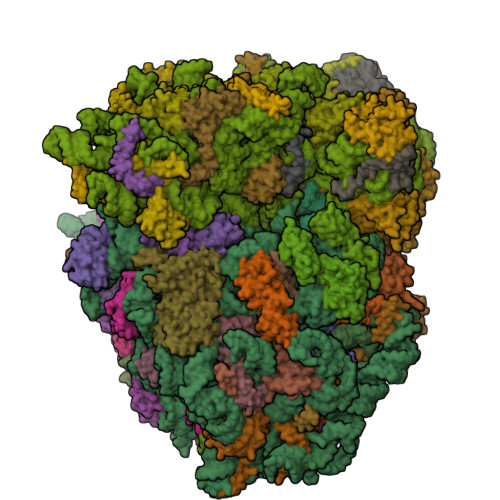 Click to view 3D structure | X-box-binding protein 1 | P17861 | Humans | Predicted (SEA) | - Prediction Confidence Score
- 0.22
- Applicability Domain
- 0.286 Low confidence
- Statistical Significance
- 0.2599
- Supporting Reference Compounds
- 227
- E-value
- 2022.99
|
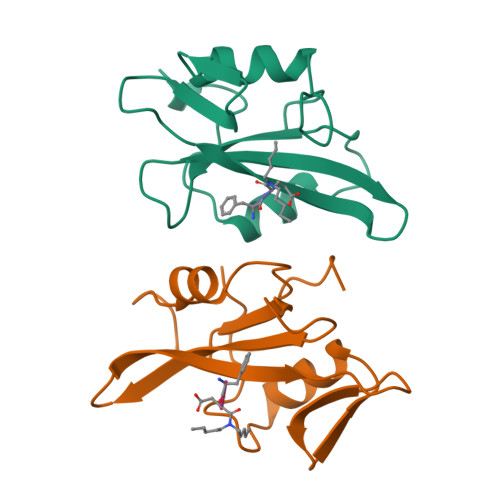 Click to view 3D structure | Proto-oncogene tyrosine-protein kinase Src | P12931 | Humans | Predicted (SEA) | - Prediction Confidence Score
- 0.219
- Applicability Domain
- 0.424
- Statistical Significance
- 0.7016
- Supporting Reference Compounds
- 1158
- E-value
- 5461.59
|
 Click to view 3D structure | Amine oxidase [flavin-containing] B | P27338 | Humans | Predicted (SEA) | - Prediction Confidence Score
- 0.218
- Applicability Domain
- 0.35
- Statistical Significance
- 0.3399
- Supporting Reference Compounds
- 315
- E-value
- 2646.33
|

