 Click to view 3D structure | Estrogen receptor beta | Q92731 | Humans | Predicted (SEA) | - Prediction Confidence Score
- 0.194
- Applicability Domain
- 0.24 Low confidence
- Statistical Significance
- 0.4555
- Supporting Reference Compounds
- 174
- E-value
- 3546.03
|
 Click to view 3D structure | Dual specificity tyrosine-phosphorylation-regulated kinase 1A | Q13627 | Humans | Predicted (SEA) | - Prediction Confidence Score
- 0.194
- Applicability Domain
- 0.24 Low confidence
- Statistical Significance
- 0.8804
- Supporting Reference Compounds
- 906
- E-value
- 6853.77
|
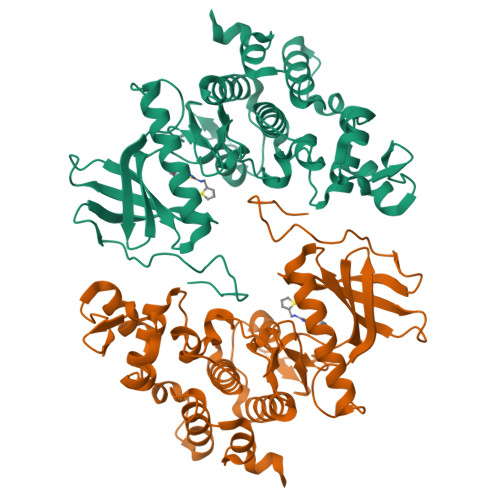 Click to view 3D structure | Dual specificity protein kinase CLK2 | P49760 | Humans | Predicted (SEA) | - Prediction Confidence Score
- 0.194
- Applicability Domain
- 0.24 Low confidence
- Statistical Significance
- 0.8622
- Supporting Reference Compounds
- 727
- E-value
- 6712.0
|
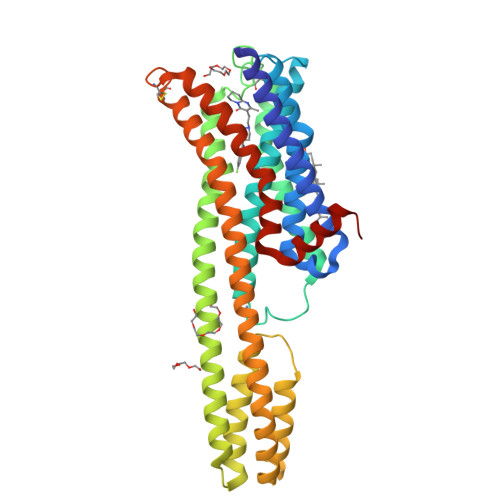 Click to view 3D structure | 5-hydroxytryptamine receptor 2A | P28223 | Humans | Predicted (SEA) | - Prediction Confidence Score
- 0.193
- Applicability Domain
- 0.207 Low confidence
- Statistical Significance
- 0.8793
- Supporting Reference Compounds
- 955
- E-value
- 6845.67
|
 Click to view 3D structure | 5-hydroxytryptamine receptor 6 | P50406 | Humans | Predicted (SEA) | - Prediction Confidence Score
- 0.19
- Applicability Domain
- 0.24 Low confidence
- Statistical Significance
- 0.7993
- Supporting Reference Compounds
- 536
- E-value
- 6222.49
|
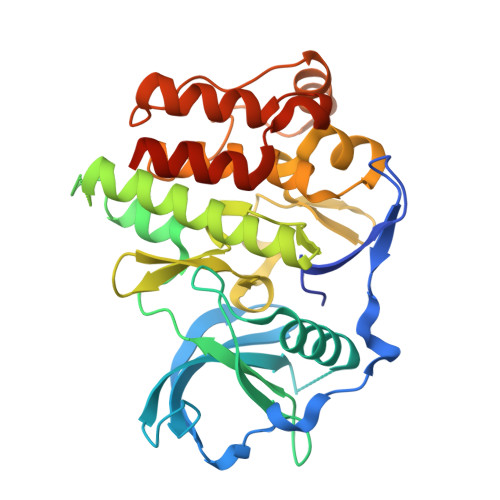 Click to view 3D structure | Receptor-type tyrosine-protein kinase FLT3 | P36888 | Humans | Predicted (SEA) | - Prediction Confidence Score
- 0.19
- Applicability Domain
- 0.207 Low confidence
- Statistical Significance
- 0.9226
- Supporting Reference Compounds
- 1274
- E-value
- 7182.29
|
 Click to view 3D structure | Polyunsaturated fatty acid 5-lipoxygenase | P12527 | Rattus norvegicus | Predicted (SEA) | - Prediction Confidence Score
- 0.189
- Applicability Domain
- 0.2 Low confidence
- Statistical Significance
- 0.2777
- Supporting Reference Compounds
- 78
- E-value
- 2161.87
|
 Click to view 3D structure | 5-hydroxytryptamine receptor 1A | P08908 | Humans | Predicted (SEA) | - Prediction Confidence Score
- 0.189
- Applicability Domain
- 0.207 Low confidence
- Statistical Significance
- 0.8905
- Supporting Reference Compounds
- 953
- E-value
- 6932.78
|
 Click to view 3D structure | Cytochrome P450 3A4 | P08684 | Humans | Predicted (SEA) | - Prediction Confidence Score
- 0.189
- Applicability Domain
- 0.25 Low confidence
- Statistical Significance
- 0.9727
- Supporting Reference Compounds
- 1538
- E-value
- 7572.24
|
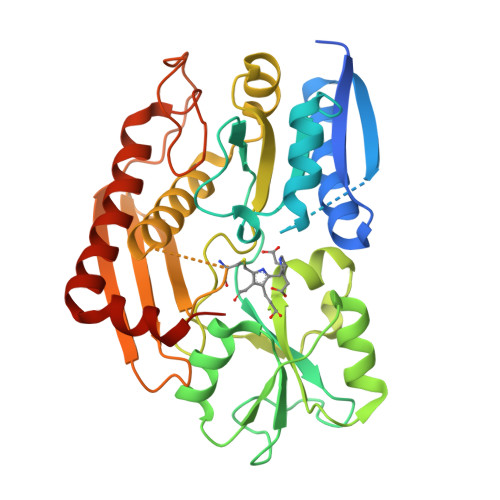 Click to view 3D structure | Porphobilinogen deaminase | P08397 | Humans | Predicted (SEA) | - Prediction Confidence Score
- 0.261
- Applicability Domain
- 0.261 Low confidence
- Statistical Significance
- 5.00e-05
- Supporting Reference Compounds
- 1
- E-value
- 0.389246
|
 Click to view 3D structure | 5-hydroxytryptamine receptor 1D | P28221 | Humans | Predicted (SEA) | - Prediction Confidence Score
- 0.245
- Applicability Domain
- 0.353
- Statistical Significance
- 0.1583
- Supporting Reference Compounds
- 365
- E-value
- 1232.12
|
| Click to view 3D structure | Sarcoplasmic/endoplasmic reticulum calcium ATPase 2 | P11507 | Rattus norvegicus | Predicted (SEA) | - Prediction Confidence Score
- 0.24
- Applicability Domain
- 0.24 Low confidence
- Statistical Significance
- 7.60e-04
- Supporting Reference Compounds
- 1
- E-value
- 5.91654
|
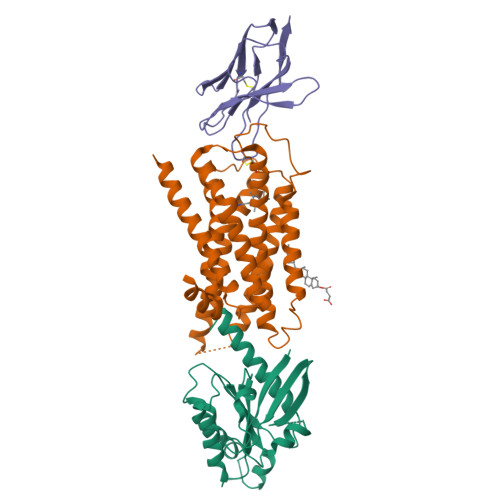 Click to view 3D structure | Alpha-1A adrenergic receptor | P35348 | Humans | Predicted (SEA) | - Prediction Confidence Score
- 0.24
- Applicability Domain
- 0.353
- Statistical Significance
- 0.1955
- Supporting Reference Compounds
- 376
- E-value
- 1522.11
|
 Click to view 3D structure | Carbonic anhydrase 2 | P00918 | Humans | Predicted (SEA) | - Prediction Confidence Score
- 0.239
- Applicability Domain
- 0.435
- Statistical Significance
- 0.2289
- Supporting Reference Compounds
- 472
- E-value
- 1782.36
|
 Click to view 3D structure | 5-hydroxytryptamine receptor 1B | P28222 | Humans | Predicted (SEA) | - Prediction Confidence Score
- 0.221
- Applicability Domain
- 0.353
- Statistical Significance
- 0.3509
- Supporting Reference Compounds
- 337
- E-value
- 2731.65
|
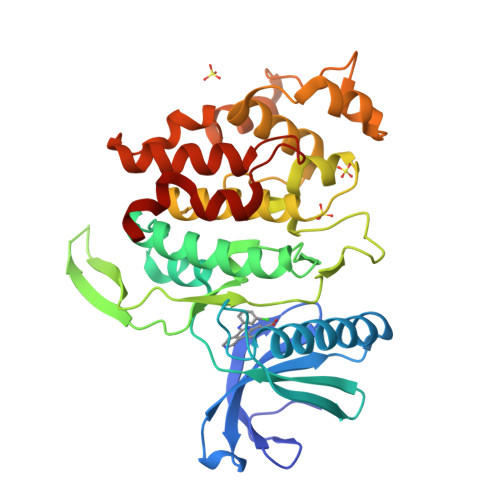 Click to view 3D structure | Dual specificity protein kinase CLK4 | Q9HAZ1 | Humans | Predicted (SEA) | - Prediction Confidence Score
- 0.206
- Applicability Domain
- 0.24 Low confidence
- Statistical Significance
- 0.7613
- Supporting Reference Compounds
- 742
- E-value
- 5926.51
|
| Click to view 3D structure | DNA damage-inducible transcript 3 protein | P35639 | Mus musculus | Predicted (SEA) | - Prediction Confidence Score
- 0.206
- Applicability Domain
- 0.276 Low confidence
- Statistical Significance
- 0.4101
- Supporting Reference Compounds
- 226
- E-value
- 3192.36
|
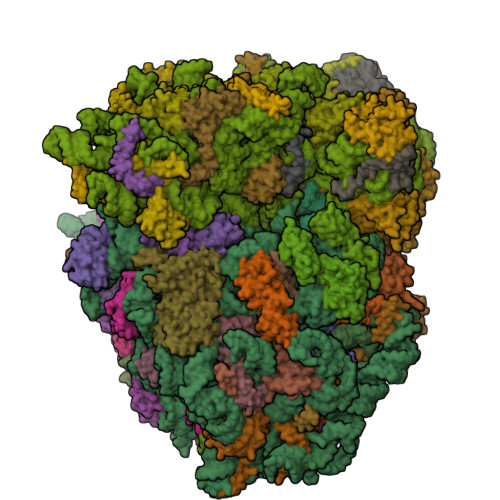 Click to view 3D structure | X-box-binding protein 1 | P17861 | Humans | Predicted (SEA) | - Prediction Confidence Score
- 0.206
- Applicability Domain
- 0.276 Low confidence
- Statistical Significance
- 0.4108
- Supporting Reference Compounds
- 227
- E-value
- 3197.73
|
 Click to view 3D structure | Cytochrome P450 2D6 | P10635 | Humans | Predicted (SEA) | - Prediction Confidence Score
- 0.204
- Applicability Domain
- 0.25 Low confidence
- Statistical Significance
- 0.9071
- Supporting Reference Compounds
- 1130
- E-value
- 7061.94
|
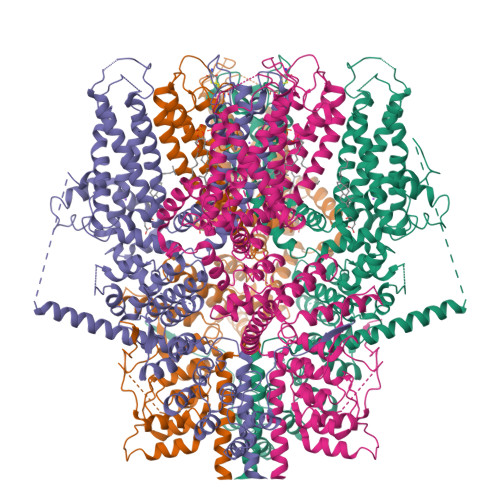 Click to view 3D structure | Short transient receptor potential channel 4 | Q9QUQ5 | Mus musculus | Predicted (SEA) | - Prediction Confidence Score
- 0.202
- Applicability Domain
- 0.304
- Statistical Significance
- 0.4314
- Supporting Reference Compounds
- 128
- E-value
- 3358.57
|
 Click to view 3D structure | Alpha-2A adrenergic receptor | P08913 | Humans | Predicted (SEA) | - Prediction Confidence Score
- 0.201
- Applicability Domain
- 0.207 Low confidence
- Statistical Significance
- 0.6884
- Supporting Reference Compounds
- 487
- E-value
- 5359.14
|
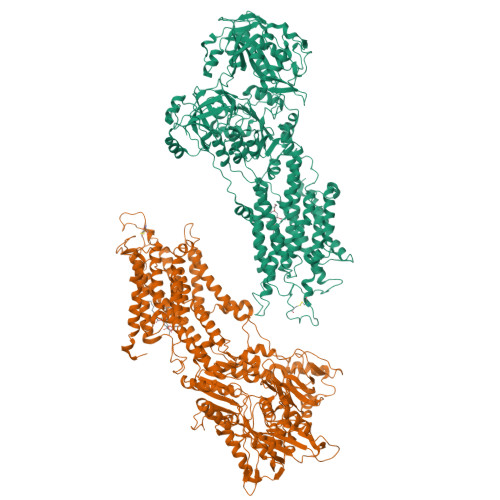 Click to view 3D structure | Sarcoplasmic/endoplasmic reticulum calcium ATPase 1 | P04191 | Oryctolagus cuniculus | Predicted (SEA) | - Prediction Confidence Score
- 0.197
- Applicability Domain
- 0.304
- Statistical Significance
- 0.0038
- Supporting Reference Compounds
- 15
- E-value
- 29.5049
|
 Click to view 3D structure | Cytochrome P450 1A2 | P05177 | Humans | Predicted (SEA) | - Prediction Confidence Score
- 0.197
- Applicability Domain
- 0.25 Low confidence
- Statistical Significance
- 0.9054
- Supporting Reference Compounds
- 793
- E-value
- 7048.78
|
 Click to view 3D structure | D(1A) dopamine receptor | P21728 | Humans | Predicted (SEA) | - Prediction Confidence Score
- 0.196
- Applicability Domain
- 0.222 Low confidence
- Statistical Significance
- 0.6903
- Supporting Reference Compounds
- 425
- E-value
- 5374.09
|
| Click to view 3D structure | UDP-glucuronosyltransferase 1A4 | P22310 | Humans | Predicted (SEA) | - Prediction Confidence Score
- 0.195
- Applicability Domain
- 0.195 Low confidence
- Statistical Significance
- 0.0012
- Supporting Reference Compounds
- 1
- E-value
- 9.18621
|

