Oxazole, 2,2'-(1,4-phenylene)bis[5-phenyl- (CED0027733)

Record Information
Version1.0
Creation Date2026-04-03 16:17:13 UTC
Update Date2026-08-30 20:46:32 UTC
SynCED IDCED0027733
Secondary Accession Numbers
  • CHEM065975
Identification
Common NameOxazole, 2,2'-(1,4-phenylene)bis[5-phenyl-
ClassSmall Molecule
Description
Oxazole, 2,2'-(1,4-phenylene)bis[5-phenyl- is an organic compound with the formula C24H16N2O2 and an average molecular weight of 364.40 g/mol. Oxazole, 2,2'-(1,4-phenylene)bis[5-phenyl- belongs to the oxazoles, a subclass of azoles within the organic compounds. Within the broader chemical hierarchy, it is classified as an organoheterocyclic compound. This substance has been found in or released from five recorded sources related to electrical and electronic equipment. These sources include amplifiers, antennas, discharge lamps, selectors, and the manufacture of fixed capacitors.
Contaminant TypeNot Available
Chemical Structure
Synonyms
ValueSource
1,4-Bis(5-phenyloxazol-2-yl)benzeneChEBI
2,2'-p-Phenylenebis(5-phenyloxazole)ChEBI
p-Bis(5-phenyloxazol-2-yl)benzeneChEBI
1,4-Bis-2-(5-phenyloxazolyl)-benzeneMeSH
Chemical FormulaC24H16N2O2
Average Molecular Mass364.404 g/mol
Monoisotopic Mass364.121 g/mol
CAS Registry Number1806-34-4
IUPAC NameNot Available
Traditional NameNot Available
SMILESO1C(=CN=C1C1=CC=C(C=C1)C1=NC=C(O1)C1=CC=CC=C1)C1=CC=CC=C1
InChI IdentifierInChI=1S/C24H16N2O2/c1-3-7-17(8-4-1)21-15-25-23(27-21)19-11-13-20(14-12-19)24-26-16-22(28-24)18-9-5-2-6-10-18/h1-16H
InChI KeyMASVCBBIUQRUKL-UHFFFAOYSA-N
Chemical Taxonomy
Description Belongs to the class of organic compounds known as phenyl-1,3-oxazoles. These are aromatic heterocyclic compounds containing a 1,3-oxazole substituted at one or more positions by a phenyl group.
KingdomOrganic compounds
Super ClassOrganoheterocyclic compounds
ClassAzoles
Sub ClassOxazoles
Direct ParentPhenyl-1,3-oxazoles
Alternative Parents
Substituents
  • Phenyl-1,3-oxazole
  • 2,5-disubstituted 1,3-oxazole
  • Benzenoid
  • Monocyclic benzene moiety
  • Heteroaromatic compound
  • Oxacycle
  • Azacycle
  • Organic nitrogen compound
  • Organic oxygen compound
  • Organopnictogen compound
  • Hydrocarbon derivative
  • Organooxygen compound
  • Organonitrogen compound
  • Aromatic heteromonocyclic compound
Molecular FrameworkAromatic heteromonocyclic compounds
External Descriptors
Biological Properties
StatusDetected and Not Quantified
OriginNot Available
Cellular LocationsNot Available
Biofluid LocationsNot Available
Tissue LocationsNot Available
ApplicationsNot Available
Biological RolesNot Available
Chemical RolesNot Available
Organoleptic EffectsNot Available
Physical Properties
StateNot Available
AppearanceNot Available
Experimental Properties
PropertyValue
Melting PointNot Available
Boiling PointNot Available
SolubilityNot Available
Predicted PropertiesNot Available
Spectra
Spectra
Spectrum TypeDescriptionSplash KeyDeposition DateView
Predicted GC-MSPredicted GC-MS Spectrumsplash10-02t9-2935000000-99910242e1fb118e1b1aNot AvailableView Spectrum
Predicted GC-MSPredicted GC-MS SpectrumNot AvailableNot AvailableView Spectrum
Toxicity Profile
Toxicity Values
Toxicity ValueOrganismDose DescriptorRoute of ExposurePredicted or ExperimentalToxicity RatingReference
2368.0 Log mg/kg [1300:4200]RatLD50oralpredictedNot AvailableNot Available
Toxicity / Toxin ClassNot Available
Mechanism of ToxicityNot Available
Carcinogenicity (IARC Classification)Not Available
Minimum Risk LevelNot Available
SymptomsNot Available
TreatmentNot Available
Health Effects
Health EffectRelationshipDirectionDescriptionReference
Exposure Sources
Source IDSourceSectorReference
CEDs000505Amplifiers?Amplifiers, commonly used in various electronic devices to enhance signal strength, can be a source of synthetic chemical contamination due to the materials and processes involved in their production and disposal.Electrical & Electronic EquipmentPubChem
CEDs000506Antennas?Antennas, commonly used in communication technologies, can be a source of synthetic chemical contamination through the materials and coatings used in their construction.Electrical & Electronic EquipmentPubChem
CEDs000511Conductors Or Conductive Bodies Characterised By The Conductive Materials?Conductors, or conductive bodies, are materials that allow the flow of electrical current, typically made from metals such as copper, aluminum, or silver.Electrical & Electronic EquipmentPubChem
CEDs000514Discharge Lamps?Discharge lamps, including fluorescent and high-intensity discharge (HID) lamps, are commonly used for lighting applications due to their energy efficiency and brightness.Electrical & Electronic EquipmentPubChem
CEDs000519Electrodes?Electrodes, used in various electrical and electronic applications, can be a source of synthetic chemical contamination due to the materials from which they are constructed and the processes involved in their manufacturing.Electrical & Electronic EquipmentPubChem
CEDs000521Fixed Capacitors And Their Manufacture?Fixed capacitors are passive electronic components used to store and release electrical energy, playing a critical role in various circuits.Electrical & Electronic EquipmentPubChem
CEDs000532Selectors?Selectors are components used in various electronic devices to control the flow of electrical signals.Electrical & Electronic EquipmentPubChem
CEDs000545Food Preservation?Food preservation often involves the use of synthetic chemicals, such as preservatives, flavor enhancers, and color additives, to extend shelf life and enhance the sensory qualities of food products.Food, food processing & cookwarePubChem
CEDs000579Manufacture Of Iron Or Steel?The manufacture of iron or steel involves various processes, including smelting, refining, and alloying, which can result in the release of synthetic chemicals and contaminants.Industrial manufacturing & chemical processingPubChem
CEDs000611Anti Perspirants Or Body Deoderants?Antiperspirants and body deodorants commonly contain synthetic chemicals such as aluminum compounds, parabens, and synthetic fragrances.Personal care & cosmeticsPubChem
CEDs000638Decorating Textiles?Decorating textiles often involves the use of synthetic chemicals such as dyes, finishes, and coatings.Textiles, leather & furnishingsPubChem
CEDs000659Transfer Printing?Transfer printing is a process used to apply designs and patterns onto various substrates, commonly utilizing synthetic dyes and inks that can contain hazardous chemicals.Textiles, leather & furnishingsPubChem
CEDs000665Fire Extinguishers?Fire extinguishers contain various synthetic chemicals designed to suppress flames and prevent the spread of fire.Fire suppression systems & agentsPubChem
CEDs000671Airplanes And Helicopters?Airplanes and helicopters are significant sources of synthetic chemical contamination primarily through the use of aviation fuels, lubricants, and de-icing agents.Aviation & AerospacePubChem
CEDs000673Unmanned Aerial Vehicles?Unmanned Aerial Vehicles (UAVs), commonly known as drones, utilize various synthetic chemicals in their manufacturing, operation, and maintenance processes.Aviation & AerospacePubChem
CEDs000688Glass Coatings?Glass coatings are synthetic chemical formulations applied to glass surfaces to enhance properties such as durability, UV resistance, and aesthetic appeal.Building & ConstructionPubChem
CEDs000696Nanotechnology?Nanotechnology involves the manipulation of materials at the molecular or atomic level, typically within the range of 1 to 100 nanometers.Industrial manufacturing & chemical processingPubChem
CEDs000734Coating Compositions?Coating compositions, which include paints, sealants, and varnishes, are formulated with a variety of synthetic chemicals such as solvents, resins, pigments, and additives.Building & ConstructionPubChem
CEDs000739Inks?Inks are complex mixtures composed of pigments or dyes, solvents, resins, and additives used primarily for printing and writing applications.Paper, pulp & fiber productsPubChem
CEDs000740Paper?Paper production involves the processing of wood fibers and the use of various chemicals, which can lead to synthetic chemical contamination.Paper, pulp & fiber productsPubChem
CEDs000744Water, Wastewater, & Sewage Treatment?Water, wastewater, and sewage treatment processes are critical for managing and mitigating pollutants in water systems.Wastewater, sanitation & biosolidsPubChem
Pathways
0 pathwaysPathway Source: PathBank

No pathways found

No metabolic pathways have been associated with this synthetic chemical

Targets
StructureProteinUniProt IDOrganismRelationshipDetails
Click to view 3D structureAdenosine receptor A1P25099Rattus norvegicusPredicted (SEA)
Prediction Confidence Score
0.324
Applicability Domain
0.4
Statistical Significance
0.013
Supporting Reference Compounds
221
E-value
101.515
Carbonic anhydrase 9 structureClick to view 3D structureCarbonic anhydrase 9Q16790HumansPredicted (SEA)
Prediction Confidence Score
0.317
Applicability Domain
0.324
Statistical Significance
0.0242
Supporting Reference Compounds
372
E-value
188.395
Carbonic anhydrase 2 structureClick to view 3D structureCarbonic anhydrase 2P00918HumansPredicted (SEA)
Prediction Confidence Score
0.317
Applicability Domain
0.324
Statistical Significance
0.0315
Supporting Reference Compounds
472
E-value
245.459
Carbonic anhydrase 1 structureClick to view 3D structureCarbonic anhydrase 1P00915HumansPredicted (SEA)
Prediction Confidence Score
0.317
Applicability Domain
0.324
Statistical Significance
0.0265
Supporting Reference Compounds
407
E-value
206.145
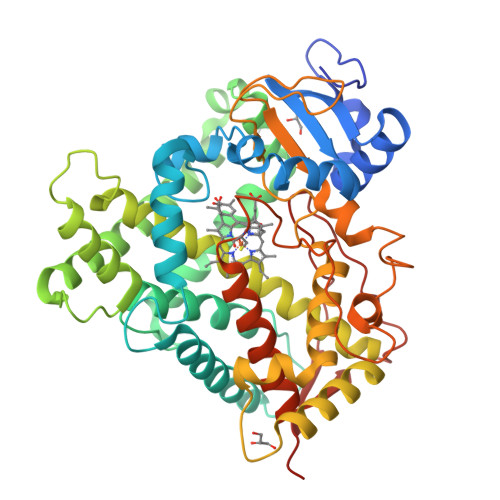
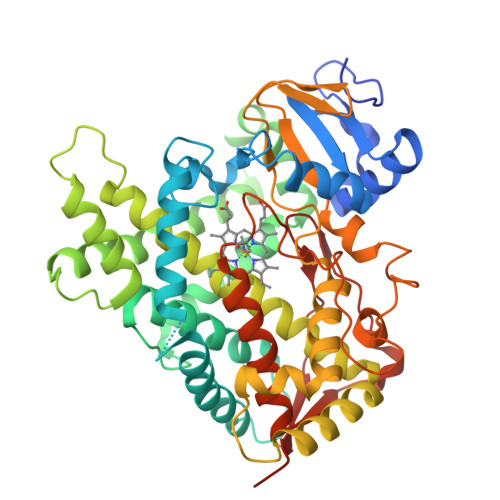
Cytochrome P450 2C9 structureClick to view 3D structureCytochrome P450 2C9P11712HumansPredicted (SEA)
Prediction Confidence Score
0.306
Applicability Domain
0.353
Statistical Significance
0.1136
Supporting Reference Compounds
1245
E-value
884.445
Aromatase structureClick to view 3D structureAromataseP11511HumansPredicted (SEA)
Prediction Confidence Score
0.306
Applicability Domain
0.324
Statistical Significance
0.0078
Supporting Reference Compounds
127
E-value
60.411
Cytochrome P450 1B1 structureClick to view 3D structureCytochrome P450 1B1Q16678HumansPredicted (SEA)
Prediction Confidence Score
0.306
Applicability Domain
0.324
Statistical Significance
0.0069
Supporting Reference Compounds
88
E-value
54.0274
Cytochrome P450 1A2 structureClick to view 3D structureCytochrome P450 1A2P05177HumansPredicted (SEA)
Prediction Confidence Score
0.304
Applicability Domain
0.317
Statistical Significance
0.0644
Supporting Reference Compounds
793
E-value
501.505
Fatty-acid amide hydrolase 1 structureClick to view 3D structureFatty-acid amide hydrolase 1P97612Rattus norvegicusPredicted (SEA)
Prediction Confidence Score
0.302
Applicability Domain
0.395
Statistical Significance
0.0091
Supporting Reference Compounds
102
E-value
70.6092
Cytochrome P450 3A4 structureClick to view 3D structureCytochrome P450 3A4P08684HumansPredicted (SEA)
Prediction Confidence Score
0.293
Applicability Domain
0.314
Statistical Significance
0.1989
Supporting Reference Compounds
1538
E-value
1548.58
Click to view 3D structureAdenosine receptor A2aP30543Rattus norvegicusPredicted (SEA)
Prediction Confidence Score
0.293
Applicability Domain
0.324
Statistical Significance
0.0167
Supporting Reference Compounds
174
E-value
129.93
Cytochrome P450 1A1 structureClick to view 3D structureCytochrome P450 1A1P04798HumansPredicted (SEA)
Prediction Confidence Score
0.291
Applicability Domain
0.31
Statistical Significance
0.0076
Supporting Reference Compounds
77
E-value
59.399
Liver carboxylesterase 1 structureClick to view 3D structureLiver carboxylesterase 1P23141HumansPredicted (SEA)
Prediction Confidence Score
0.29
Applicability Domain
0.395
Statistical Significance
0.0034
Supporting Reference Compounds
55
E-value
26.858
Carbonic anhydrase 12 structureClick to view 3D structureCarbonic anhydrase 12O43570HumansPredicted (SEA)
Prediction Confidence Score
0.29
Applicability Domain
0.324
Statistical Significance
0.0395
Supporting Reference Compounds
332
E-value
307.582
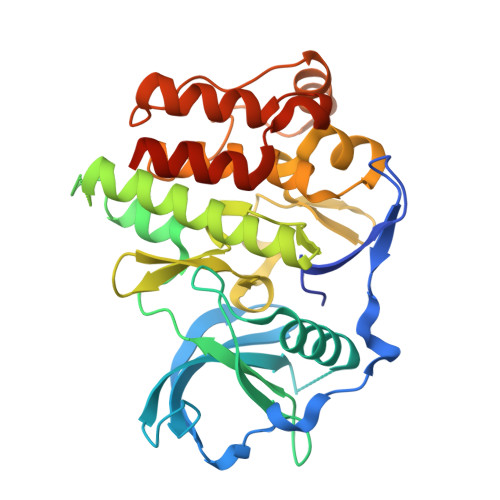
Receptor-type tyrosine-protein kinase FLT3 structureClick to view 3D structureReceptor-type tyrosine-protein kinase FLT3P36888HumansPredicted (SEA)
Prediction Confidence Score
0.286
Applicability Domain
0.31
Statistical Significance
0.1804
Supporting Reference Compounds
1274
E-value
1404.79
Click to view 3D structureDiacylglycerol lipase-alphaQ9Y4D2HumansPredicted (SEA)
Prediction Confidence Score
0.284
Applicability Domain
0.395
Statistical Significance
0.0035
Supporting Reference Compounds
35
E-value
27.2472
Click to view 3D structureFatty-acid amide hydrolase 1O00519HumansPredicted (SEA)
Prediction Confidence Score
0.283
Applicability Domain
0.395
Statistical Significance
0.0246
Supporting Reference Compounds
106
E-value
191.509
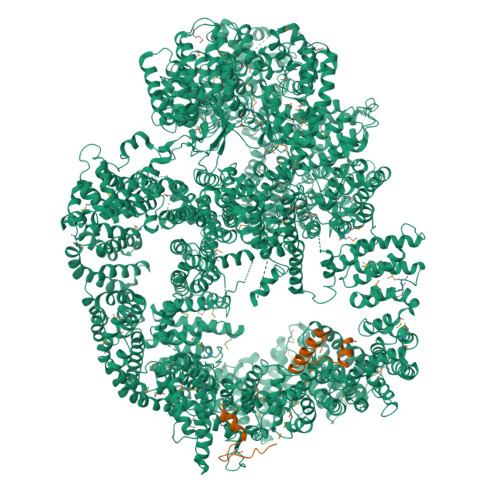
DNA-dependent protein kinase catalytic subunit structureClick to view 3D structureDNA-dependent protein kinase catalytic subunitP78527HumansPredicted (SEA)
Prediction Confidence Score
0.282
Applicability Domain
0.324
Statistical Significance
0.0224
Supporting Reference Compounds
219
E-value
174.304
Cytochrome P450 2A6 structureClick to view 3D structureCytochrome P450 2A6P11509HumansPredicted (SEA)
Prediction Confidence Score
0.281
Applicability Domain
0.353
Statistical Significance
0.0027
Supporting Reference Compounds
68
E-value
21.0193
Cytochrome P450 2D6 structureClick to view 3D structureCytochrome P450 2D6P10635HumansPredicted (SEA)
Prediction Confidence Score
0.28
Applicability Domain
0.314
Statistical Significance
0.192
Supporting Reference Compounds
1130
E-value
1494.55
Cytochrome P450 2C19 structureClick to view 3D structureCytochrome P450 2C19P33261HumansPredicted (SEA)
Prediction Confidence Score
0.28
Applicability Domain
0.314
Statistical Significance
0.1298
Supporting Reference Compounds
825
E-value
1010.48
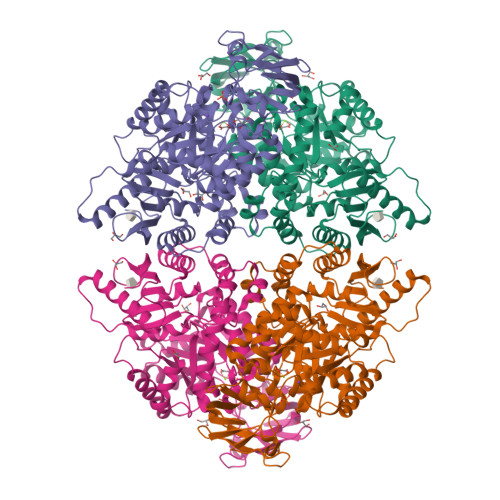
Pyruvate kinase PKM structureClick to view 3D structurePyruvate kinase PKMP14618HumansPredicted (SEA)
Prediction Confidence Score
0.278
Applicability Domain
0.317
Statistical Significance
0.0023
Supporting Reference Compounds
29
E-value
18.2167
Cytochrome P450 2E1 structureClick to view 3D structureCytochrome P450 2E1P05181HumansPredicted (SEA)
Prediction Confidence Score
0.277
Applicability Domain
0.353
Statistical Significance
0.0013
Supporting Reference Compounds
31
E-value
10.0426
Click to view 3D structureTrans-cinnamate 4-monooxygenaseQ43054Populus kitakamiensisPredicted (SEA)
Prediction Confidence Score
0.276
Applicability Domain
0.382
Statistical Significance
1.00e-04
Supporting Reference Compounds
5
E-value
0.778492
Poly [ADP-ribose] polymerase tankyrase-1 structureClick to view 3D structurePoly [ADP-ribose] polymerase tankyrase-1O95271HumansPredicted (SEA)
Prediction Confidence Score
0.273
Applicability Domain
0.324
Statistical Significance
0.0132
Supporting Reference Compounds
94
E-value
102.761
Concentrations
Not Available
External Links
DrugBank IDNot Available
HMDB IDHMDB0256701
FooDB IDNot Available
Phenol Explorer IDNot Available
KNApSAcK IDNot Available
BiGG IDNot Available
BioCyc IDNot Available
METLIN IDNot Available
PDB IDNot Available
Wikipedia LinkPOPOP
Chemspider ID14960
ChEBI ID52236
PubChem Compound ID15732
Kegg Compound IDNot Available
YMDB IDNot Available
ECMDB IDNot Available
References
Synthesis ReferenceNot Available
MSDSNot Available
General ReferencesNot Available