Phenylguanidine (CED0018940)

Record Information
Version1.0
Creation Date2026-04-03 16:55:34 UTC
Update Date2026-08-24 09:41:52 UTC
SynCED IDCED0018940
Secondary Accession Numbers
  • CHEM066392
Identification
Common NamePhenylguanidine
ClassSmall Molecule
Description
Phenylguanidine is an organic compound with the chemical formula C7H9N3 and an average molecular weight of 135.17 g/mol. Phenylguanidine belongs to the benzene and substituted derivatives, a class of benzenoids within the organic compounds. This substance is associated with four recorded sources, specifically electrical and electronic equipment. These sources include electric switches, thin magnetic films, cores yokes or armatures, and communication cables or conductors.
Contaminant TypeNot Available
Chemical Structure
SynonymsNot Available
Chemical FormulaC7H9N3
Average Molecular Mass135.170 g/mol
Monoisotopic Mass135.080 g/mol
CAS Registry Number2002-16-6
IUPAC NameNot Available
Traditional NameNot Available
SMILESNC(N)=NC1=CC=CC=C1
InChI IdentifierInChI=1S/C7H9N3/c8-7(9)10-6-4-2-1-3-5-6/h1-5H,(H4,8,9,10)
InChI KeyQRJZGVVKGFIGLI-UHFFFAOYSA-N
Chemical Taxonomy
ClassificationNot classified
Biological Properties
StatusDetected and Not Quantified
OriginNot Available
Cellular LocationsNot Available
Biofluid LocationsNot Available
Tissue LocationsNot Available
ApplicationsNot Available
Biological RolesNot Available
Chemical RolesNot Available
Organoleptic EffectsNot Available
Physical Properties
StateNot Available
AppearanceNot Available
Experimental Properties
PropertyValue
Melting PointNot Available
Boiling PointNot Available
SolubilityNot Available
Predicted PropertiesNot Available
Spectra
SpectraNot Available
Toxicity Profile
Toxicity Values
Toxicity ValueOrganismDose DescriptorRoute of ExposurePredicted or ExperimentalToxicity RatingReference
662.0 Log mg/kg [370:1200]RatLD50oralpredictedNot AvailableNot Available
Toxicity / Toxin ClassNot Available
Mechanism of ToxicityNot Available
Carcinogenicity (IARC Classification)Not Available
Minimum Risk LevelNot Available
SymptomsNot Available
TreatmentNot Available
Health Effects
Health EffectRelationshipDirectionDescriptionReference
Exposure Sources
Source IDSourceSectorReference
CEDs000010Insecticides?Insecticides are synthetic chemicals designed to control or eliminate insect pests that threaten crops and other agricultural products.Agriculture & land managementPubChem
CEDs000510Communication Cables Or Conductors?Communication cables or conductors are essential components in the transmission of data and signals in various applications, including telecommunications and networking.Electrical & Electronic EquipmentPubChem
CEDs000511Conductors Or Conductive Bodies Characterised By The Conductive Materials?Conductors, or conductive bodies, are materials that allow the flow of electrical current, typically made from metals such as copper, aluminum, or silver.Electrical & Electronic EquipmentPubChem
CEDs000513Cores Yokes Or Armatures?Cores, yokes, or armatures are components commonly found in electrical devices, used to facilitate the magnetic and electrical functions within motors, transformers, and generators.Electrical & Electronic EquipmentPubChem
CEDs000517Electric Switches?Electric switches, integral components in numerous devices, can be a source of synthetic chemical contamination due to the materials and manufacturing processes involved in their production.Electrical & Electronic EquipmentPubChem
CEDs000519Electrodes?Electrodes, used in various electrical and electronic applications, can be a source of synthetic chemical contamination due to the materials from which they are constructed and the processes involved in their manufacturing.Electrical & Electronic EquipmentPubChem
CEDs000538Thin Magnetic Films?Thin magnetic films are layers of magnetic material ranging from a few nanometers to several micrometers in thickness, commonly used in applications such as magnetic sensors, data storage devices, and electronic components.Electrical & Electronic EquipmentPubChem
CEDs000545Food Preservation?Food preservation often involves the use of synthetic chemicals, such as preservatives, flavor enhancers, and color additives, to extend shelf life and enhance the sensory qualities of food products.Food, food processing & cookwarePubChem
CEDs000596Acaricides?Acaricides are synthetic chemicals specifically designed to target and control mite populations that can damage crops and plants.Agriculture & land managementPubChem
CEDs000603Nematocides?Nematocides are synthetic chemicals specifically designed to control nematodes, which are microscopic roundworms that can cause significant damage to crops and plants.Agriculture & land managementPubChem
CEDs000632Apparel?Apparel production often involves the use of various synthetic chemicals, including dyes, finishing agents, and preservatives.Textiles, leather & furnishingsPubChem
CEDs000642Footwear?Footwear production often involves the use of various synthetic chemicals, such as adhesives, dyes, and treatments, which can contribute to environmental contamination.Textiles, leather & furnishingsPubChem
CEDs000657Surface Finishing Of Leather?Surface finishing of leather often involves the use of various synthetic chemicals, including dyes, resins, and finishing agents.Textiles, leather & furnishingsPubChem
CEDs000685Ceramics?Ceramics can be a source of synthetic chemical contamination through various additives and processing agents used in their production.Building & ConstructionPubChem
CEDs000688Glass Coatings?Glass coatings are synthetic chemical formulations applied to glass surfaces to enhance properties such as durability, UV resistance, and aesthetic appeal.Building & ConstructionPubChem
CEDs000694Cheese Making?Cheese making involves the fermentation of milk, utilizing bacteria and enzymes to coagulate proteins and develop flavor.Food, food processing & cookwarePubChem
CEDs000696Nanotechnology?Nanotechnology involves the manipulation of materials at the molecular or atomic level, typically within the range of 1 to 100 nanometers.Industrial manufacturing & chemical processingPubChem
CEDs000717Fountain Pens?Fountain pens utilize a liquid ink that often contains synthetic chemicals, including dyes, pigments, and solvents, which can contribute to environmental contamination.Paper, pulp & fiber productsPubChem
CEDs000720Ink Reservoir Pens2?Ink reservoir pens are writing instruments that utilize a reservoir to store ink, which is often composed of synthetic dyes, solvents, and additives.Paper, pulp & fiber productsPubChem
CEDs000727Printing Machines Or Presses?Printing machines or presses commonly utilize synthetic chemicals such as inks, solvents, and cleaning agents.Paper, pulp & fiber productsPubChem
CEDs000735Explosives?Explosives are chemical compounds or mixtures designed to undergo rapid decomposition, releasing energy in the form of gas and heat.Defense & military infrastructurePubChem
CEDs000739Inks?Inks are complex mixtures composed of pigments or dyes, solvents, resins, and additives used primarily for printing and writing applications.Paper, pulp & fiber productsPubChem
CEDs000740Paper?Paper production involves the processing of wood fibers and the use of various chemicals, which can lead to synthetic chemical contamination.Paper, pulp & fiber productsPubChem
CEDs000742Leather Tanning?Leather tanning is a process that transforms raw animal hides into durable leather through the application of various chemicals, including chromium salts, aldehydes, and vegetable tannins.Textiles, leather & furnishingsPubChem
CEDs000744Water, Wastewater, & Sewage Treatment?Water, wastewater, and sewage treatment processes are critical for managing and mitigating pollutants in water systems.Wastewater, sanitation & biosolidsPubChem
CEDs03334Roadway RunoffAutomotive & urban infrastructurePMC8204317 , PMC8204317
Pathways
0 pathwaysPathway Source: PathBank

No pathways found

No metabolic pathways have been associated with this synthetic chemical

Targets
StructureProteinUniProt IDOrganismRelationshipDetails
Click to view 3D structureAldehyde dehydrogenase 1A1P51647Rattus norvegicusPredicted (SEA)
Prediction Confidence Score
0.409
Applicability Domain
0.409
Statistical Significance
1.00e-05
Supporting Reference Compounds
1
E-value
0.0778492
Click to view 3D structureTyrosinaseO42713Agaricus bisporusPredicted (SEA)
Prediction Confidence Score
0.306
Applicability Domain
0.333
Statistical Significance
0.0015
Supporting Reference Compounds
39
E-value
11.4438
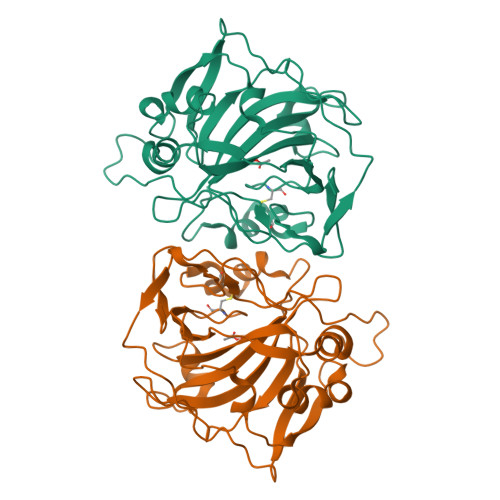
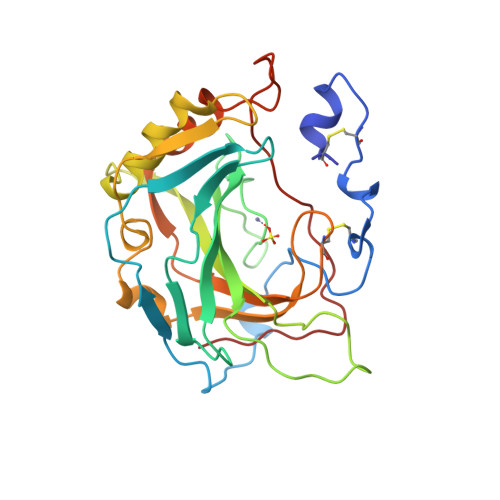
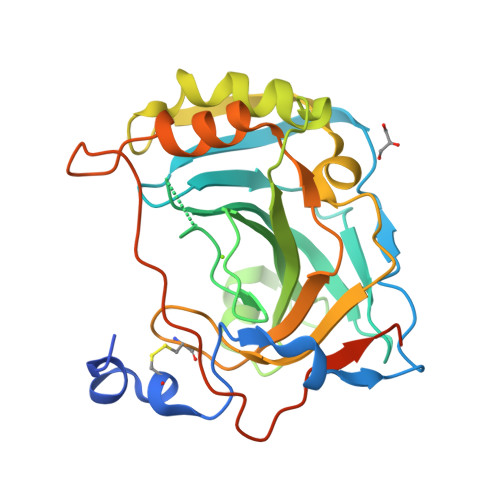
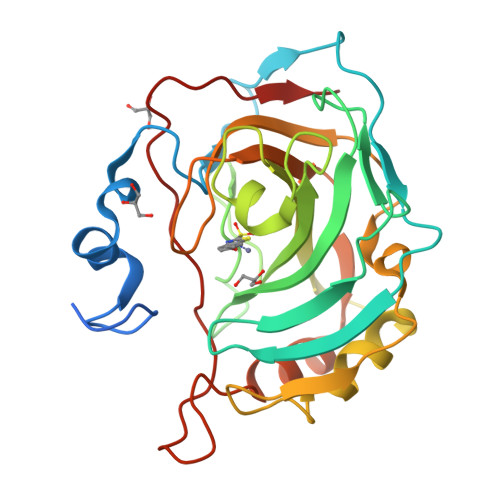
Carbonic anhydrase 2 structureClick to view 3D structureCarbonic anhydrase 2P00918HumansPredicted (SEA)
Prediction Confidence Score
0.29
Applicability Domain
0.333
Statistical Significance
0.0588
Supporting Reference Compounds
472
E-value
457.442
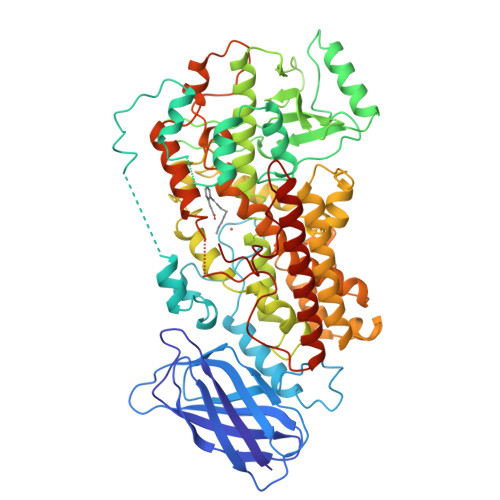
Amine oxidase [flavin-containing] B structureClick to view 3D structureAmine oxidase [flavin-containing] BP27338HumansPredicted (SEA)
Prediction Confidence Score
0.288
Applicability Domain
0.375
Statistical Significance
0.0466
Supporting Reference Compounds
315
E-value
363.089
Carbonic anhydrase 12 structureClick to view 3D structureCarbonic anhydrase 12O43570HumansPredicted (SEA)
Prediction Confidence Score
0.274
Applicability Domain
0.333
Statistical Significance
0.0602
Supporting Reference Compounds
332
E-value
468.652
Carbonic anhydrase 4 structureClick to view 3D structureCarbonic anhydrase 4P22748HumansPredicted (SEA)
Prediction Confidence Score
0.273
Applicability Domain
0.333
Statistical Significance
0.0273
Supporting Reference Compounds
193
E-value
212.84
Click to view 3D structureTyrosinaseP11344Mus musculusPredicted (SEA)
Prediction Confidence Score
0.268
Applicability Domain
0.333
Statistical Significance
9.40e-04
Supporting Reference Compounds
14
E-value
7.31783
Indoleamine 2,3-dioxygenase 1 structureClick to view 3D structureIndoleamine 2,3-dioxygenase 1P14902HumansPredicted (SEA)
Prediction Confidence Score
0.266
Applicability Domain
0.292 Low confidence
Statistical Significance
0.0101
Supporting Reference Compounds
108
E-value
78.6277
Carbonic anhydrase 1 structureClick to view 3D structureCarbonic anhydrase 1P00915HumansPredicted (SEA)
Prediction Confidence Score
0.266
Applicability Domain
0.292 Low confidence
Statistical Significance
0.0889
Supporting Reference Compounds
407
E-value
692.313
Amine oxidase [flavin-containing] A structureClick to view 3D structureAmine oxidase [flavin-containing] AP21397HumansPredicted (SEA)
Prediction Confidence Score
0.263
Applicability Domain
0.313
Statistical Significance
0.0592
Supporting Reference Compounds
241
E-value
461.101
Carbonic anhydrase 9 structureClick to view 3D structureCarbonic anhydrase 9Q16790HumansPredicted (SEA)
Prediction Confidence Score
0.257
Applicability Domain
0.333
Statistical Significance
0.109
Supporting Reference Compounds
372
E-value
848.401
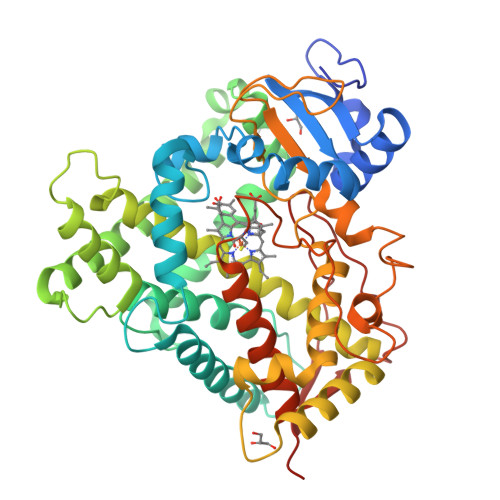
Cytochrome P450 2C19 structureClick to view 3D structureCytochrome P450 2C19P33261HumansPredicted (SEA)
Prediction Confidence Score
0.257
Applicability Domain
0.292 Low confidence
Statistical Significance
0.2942
Supporting Reference Compounds
825
E-value
2290.09
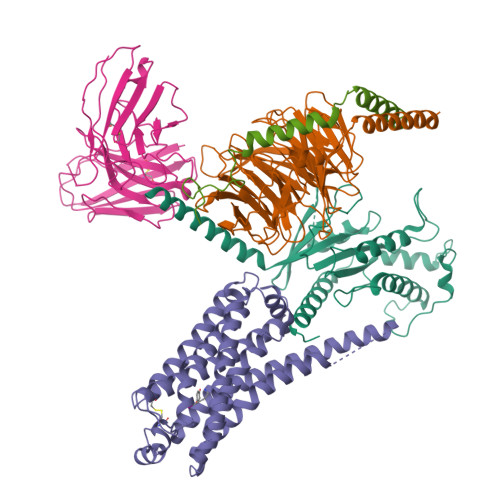
Trace amine-associated receptor 1 structureClick to view 3D structureTrace amine-associated receptor 1Q96RJ0HumansPredicted (SEA)
Prediction Confidence Score
0.255
Applicability Domain
0.269 Low confidence
Statistical Significance
0.0194
Supporting Reference Compounds
63
E-value
151.417
Polyunsaturated fatty acid lipoxygenase ALOX15 structureClick to view 3D structurePolyunsaturated fatty acid lipoxygenase ALOX15P12530Oryctolagus cuniculusPredicted (SEA)
Prediction Confidence Score
0.251
Applicability Domain
0.292 Low confidence
Statistical Significance
0.0067
Supporting Reference Compounds
47
E-value
51.9254
Cytochrome P450 3A4 structureClick to view 3D structureCytochrome P450 3A4P08684HumansPredicted (SEA)
Prediction Confidence Score
0.25
Applicability Domain
0.292 Low confidence
Statistical Significance
0.5559
Supporting Reference Compounds
1538
E-value
4327.72
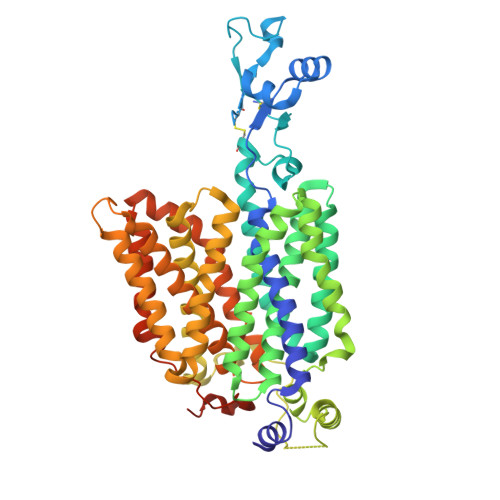
Solute carrier family 22 member 3 structureClick to view 3D structureSolute carrier family 22 member 3O75751HumansPredicted (SEA)
Prediction Confidence Score
0.249
Applicability Domain
0.5
Statistical Significance
0.0011
Supporting Reference Compounds
17
E-value
8.32987
Carbonic anhydrase 6 structureClick to view 3D structureCarbonic anhydrase 6P23280HumansPredicted (SEA)
Prediction Confidence Score
0.248
Applicability Domain
0.292 Low confidence
Statistical Significance
0.0465
Supporting Reference Compounds
151
E-value
362.31
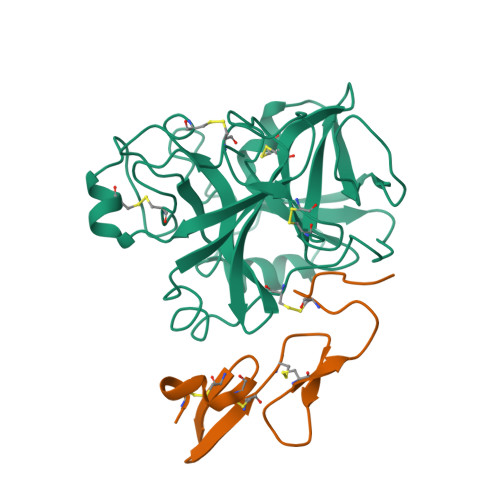
Prothrombin structureClick to view 3D structureProthrombinP00734HumansPredicted (SEA)
Prediction Confidence Score
0.247
Applicability Domain
0.375
Statistical Significance
0.1507
Supporting Reference Compounds
331
E-value
1173.03
Solute carrier family 22 member 1 structureClick to view 3D structureSolute carrier family 22 member 1O15245HumansPredicted (SEA)
Prediction Confidence Score
0.246
Applicability Domain
0.5
Statistical Significance
0.0031
Supporting Reference Compounds
30
E-value
23.9776
Carbonic anhydrase 7 structureClick to view 3D structureCarbonic anhydrase 7P43166HumansPredicted (SEA)
Prediction Confidence Score
0.245
Applicability Domain
0.292 Low confidence
Statistical Significance
0.1011
Supporting Reference Compounds
242
E-value
786.978
Solute carrier family 22 member 2 structureClick to view 3D structureSolute carrier family 22 member 2O15244HumansPredicted (SEA)
Prediction Confidence Score
0.244
Applicability Domain
0.5
Statistical Significance
0.0012
Supporting Reference Compounds
32
E-value
9.03051
Cytochrome P450 2A6 structureClick to view 3D structureCytochrome P450 2A6P11509HumansPredicted (SEA)
Prediction Confidence Score
0.244
Applicability Domain
0.269 Low confidence
Statistical Significance
0.0092
Supporting Reference Compounds
68
E-value
72.0105
Coagulation factor X structureClick to view 3D structureCoagulation factor XP00742HumansPredicted (SEA)
Prediction Confidence Score
0.244
Applicability Domain
0.375
Statistical Significance
0.1464
Supporting Reference Compounds
284
E-value
1139.63
Prostaglandin G/H synthase 2 structureClick to view 3D structureProstaglandin G/H synthase 2P35354HumansPredicted (SEA)
Prediction Confidence Score
0.243
Applicability Domain
0.292 Low confidence
Statistical Significance
0.1105
Supporting Reference Compounds
201
E-value
860.0
5-hydroxytryptamine receptor 2B structureClick to view 3D structure5-hydroxytryptamine receptor 2BP41595HumansPredicted (SEA)
Prediction Confidence Score
0.242
Applicability Domain
0.25 Low confidence
Statistical Significance
0.3045
Supporting Reference Compounds
686
E-value
2370.28
Concentrations
Not Available
External Links
IdentifiersNot Available
References
Synthesis ReferenceNot Available
MSDSNot Available
General ReferencesNot Available