1,2-Benzenedicarboxylic acid, didodecyl ester (CED0034107)

Record Information
Version1.0
Creation Date2026-04-03 18:44:30 UTC
Update Date2026-08-22 11:03:16 UTC
SynCED IDCED0034107
Secondary Accession Numbers
  • CHEM067260
Identification
Common Name1,2-Benzenedicarboxylic acid, didodecyl ester
ClassSmall Molecule
Description
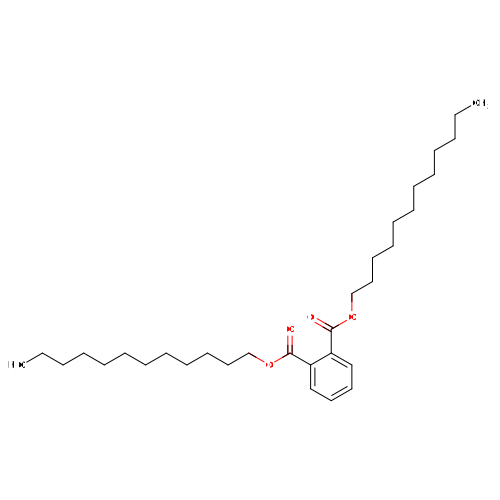
1,2-Benzenedicarboxylic acid, didodecyl ester (C32H54O4) is a chemical compound found in or released from four recorded sources. These include food contact materials, indoor air, and electrical and electronic equipment, specifically power cables and fixed capacitors and their manufacture. Recorded exposure routes for this substance include oral, inhalation, and touch. 1,2-Benzenedicarboxylic acid, didodecyl ester belongs to the benzoic acids and derivatives, a subclass of benzene and substituted derivatives within the organic compounds. With an average molecular weight of 502.78 g/mol, 1,2-Benzenedicarboxylic acid, didodecyl ester is a heavy molecule.
Contaminant TypeNot Available
Chemical Structure
SynonymsNot Available
Chemical FormulaC32H54O4
Average Molecular Mass502.780 g/mol
Monoisotopic Mass502.402 g/mol
CAS Registry Number2432-90-8
IUPAC NameNot Available
Traditional NameNot Available
SMILESCCCCCCCCCCCCOC(=O)C1=C(C=CC=C1)C(=O)OCCCCCCCCCCCC
InChI IdentifierInChI=1S/C32H54O4/c1-3-5-7-9-11-13-15-17-19-23-27-35-31(33)29-25-21-22-26-30(29)32(34)36-28-24-20-18-16-14-12-10-8-6-4-2/h21-22,25-26H,3-20,23-24,27-28H2,1-2H3
InChI KeyPUFGCEQWYLJYNJ-UHFFFAOYSA-N
Chemical Taxonomy
ClassificationNot classified
Biological Properties
StatusDetected and Not Quantified
OriginNot Available
Cellular LocationsNot Available
Biofluid LocationsNot Available
Tissue LocationsNot Available
ApplicationsNot Available
Biological RolesNot Available
Chemical RolesNot Available
Organoleptic EffectsNot Available
Physical Properties
StateNot Available
AppearanceNot Available
Experimental Properties
PropertyValue
Melting PointNot Available
Boiling PointNot Available
SolubilityNot Available
Predicted PropertiesNot Available
Spectra
SpectraNot Available
Toxicity Profile
Toxicity Values
Toxicity ValueOrganismDose DescriptorRoute of ExposurePredicted or ExperimentalToxicity RatingReference
14321.0 Log mg/kg [8100:25000]RatLD50oralpredictedNot AvailableNot Available
Toxicity / Toxin ClassNot Available
Mechanism of ToxicityNot Available
Carcinogenicity (IARC Classification)Not Available
Minimum Risk LevelNot Available
SymptomsNot Available
TreatmentNot Available
Health Effects
Health EffectRelationshipDirectionDescriptionReference
Exposure Sources
Source IDSourceSectorReference
CEDs000019Indoor air?Indoor air can be a significant reservoir for synthetic chemical contaminants, which often originate from various sources within enclosed environments.Air, dust & atmospheric transportNot Available
CEDs000494Food contact materials?Food contact materials refer to substances and products that are intended to come into contact with food during processing, packaging, or preparation.Food, food processing & cookwareNot Available
CEDs000511Conductors Or Conductive Bodies Characterised By The Conductive Materials?Conductors, or conductive bodies, are materials that allow the flow of electrical current, typically made from metals such as copper, aluminum, or silver.Electrical & Electronic EquipmentPubChem
CEDs000519Electrodes?Electrodes, used in various electrical and electronic applications, can be a source of synthetic chemical contamination due to the materials from which they are constructed and the processes involved in their manufacturing.Electrical & Electronic EquipmentPubChem
CEDs000521Fixed Capacitors And Their Manufacture?Fixed capacitors are passive electronic components used to store and release electrical energy, playing a critical role in various circuits.Electrical & Electronic EquipmentPubChem
CEDs000529Power Cables?Power cables are used to transmit electrical energy and are typically composed of conductive materials, insulation, and protective coatings.Electrical & Electronic EquipmentPubChem
CEDs000561Perfumes Within Detergents And Soaps?Perfumes within detergents and soaps are synthetic fragrance compounds added to enhance the sensory experience of cleaning products.Household cleaning & consumer productsPubChem
CEDs000600Herbicides And Algicides?Herbicides and algicides are synthetic chemicals primarily used to control unwanted plants and algae in various environments.Agriculture & land managementPubChem
CEDs000609Aftershave?Aftershave is a grooming product typically used to soothe and protect the skin following shaving.Personal care & cosmeticsPubChem
CEDs000610Aftersun Products?Aftersun products are designed to soothe and hydrate the skin after sun exposure, often containing various synthetic chemicals such as emollients, preservatives, and fragrances.Personal care & cosmeticsPubChem
CEDs000611Anti Perspirants Or Body Deoderants?Antiperspirants and body deodorants commonly contain synthetic chemicals such as aluminum compounds, parabens, and synthetic fragrances.Personal care & cosmeticsPubChem
CEDs000614Essential Oils Or Perfumes?Essential oils and perfumes are complex mixtures of volatile compounds derived from natural or synthetic sources, commonly used for their aromatic properties.Personal care & cosmeticsPubChem
CEDs000615Eye Makeup Products?Eye makeup products, including mascaras, eyeliners, and eyeshadows, often contain a variety of synthetic chemicals such as pigments, preservatives, and film-forming agents.Personal care & cosmeticsPubChem
CEDs000618Lip Makeup Products?Lip makeup products, such as lipsticks, lip glosses, and lip liners, often contain a variety of synthetic chemicals, including pigments, preservatives, and emollients.Personal care & cosmeticsPubChem
CEDs000619Manicure Pedicure?Manicure and pedicure procedures often involve the use of various synthetic chemicals, including solvents, nail polishes, and nail adhesives.Personal care & cosmeticsPubChem
CEDs000630Toys?Toys, particularly those made from synthetic materials such as plastics, can be a source of chemical contamination due to the presence of various additives and compounds used in their production.Recreation & sports surfacesPubChem
CEDs000632Apparel?Apparel production often involves the use of various synthetic chemicals, including dyes, finishing agents, and preservatives.Textiles, leather & furnishingsPubChem
CEDs000638Decorating Textiles?Decorating textiles often involves the use of synthetic chemicals such as dyes, finishes, and coatings.Textiles, leather & furnishingsPubChem
CEDs000642Footwear?Footwear production often involves the use of various synthetic chemicals, such as adhesives, dyes, and treatments, which can contribute to environmental contamination.Textiles, leather & furnishingsPubChem
CEDs000643Headwear?Headwear made from synthetic materials often incorporates chemicals used in the manufacturing and finishing processes, such as dyes, flame retardants, and water repellents.Textiles, leather & furnishingsPubChem
CEDs000655Slide Fasteners?Slide fasteners, commonly known as zippers, are mechanical devices used to join two edges of fabric or other materials.Textiles, leather & furnishingsPubChem
CEDs000685Ceramics?Ceramics can be a source of synthetic chemical contamination through various additives and processing agents used in their production.Building & ConstructionPubChem
CEDs000688Glass Coatings?Glass coatings are synthetic chemical formulations applied to glass surfaces to enhance properties such as durability, UV resistance, and aesthetic appeal.Building & ConstructionPubChem
CEDs000693Silica Glass?Silica glass, primarily composed of silicon dioxide (SiO2), is widely used in various applications, including windows, glass facades, and insulation materials.Building & ConstructionPubChem
CEDs000696Nanotechnology?Nanotechnology involves the manipulation of materials at the molecular or atomic level, typically within the range of 1 to 100 nanometers.Industrial manufacturing & chemical processingPubChem
CEDs000727Printing Machines Or Presses?Printing machines or presses commonly utilize synthetic chemicals such as inks, solvents, and cleaning agents.Paper, pulp & fiber productsPubChem
CEDs000729Stamps?Stamps, particularly those produced using synthetic inks and adhesives, can contribute to chemical contamination when disposed of improperly.Paper, pulp & fiber productsPubChem
CEDs000734Coating Compositions?Coating compositions, which include paints, sealants, and varnishes, are formulated with a variety of synthetic chemicals such as solvents, resins, pigments, and additives.Building & ConstructionPubChem
CEDs000739Inks?Inks are complex mixtures composed of pigments or dyes, solvents, resins, and additives used primarily for printing and writing applications.Paper, pulp & fiber productsPubChem
CEDs000740Paper?Paper production involves the processing of wood fibers and the use of various chemicals, which can lead to synthetic chemical contamination.Paper, pulp & fiber productsPubChem
CEDs000741Pigment Pastes?Pigment pastes are concentrated dispersions of pigments used to impart color and properties to materials.Paper, pulp & fiber productsPubChem
CEDs000744Water, Wastewater, & Sewage Treatment?Water, wastewater, and sewage treatment processes are critical for managing and mitigating pollutants in water systems.Wastewater, sanitation & biosolidsPubChem
Pathways
0 pathwaysPathway Source: PathBank

No pathways found

No metabolic pathways have been associated with this synthetic chemical

Targets
StructureProteinUniProt IDOrganismRelationshipDetails
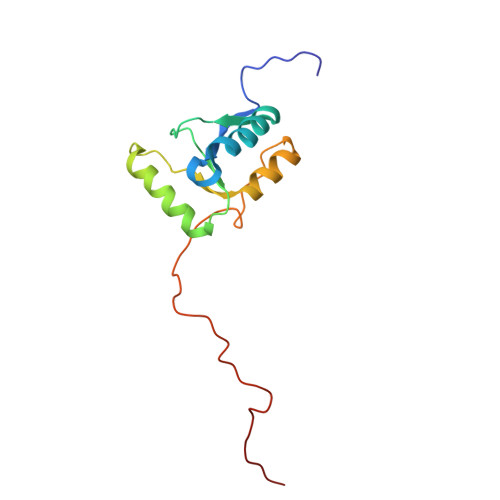
UDP-3-O-acyl-N-acetylglucosamine deacetylase structureClick to view 3D structureUDP-3-O-acyl-N-acetylglucosamine deacetylaseO67648Aquifex aeolicus (strain VF5)Predicted (SEA)
Prediction Confidence Score
0.447
Applicability Domain
0.447
Statistical Significance
3.10e-04
Supporting Reference Compounds
1
E-value
2.41333
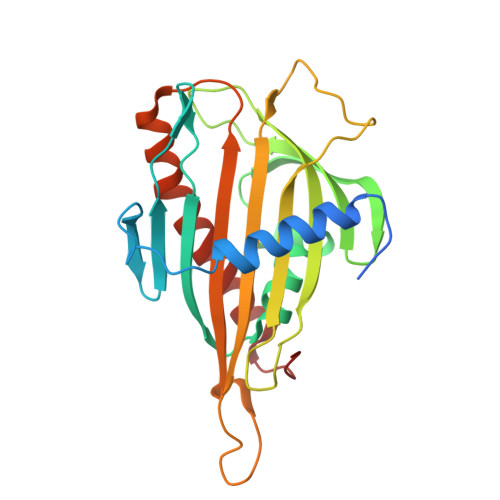
Click to view 3D structureSqualene monooxygenaseP52020Rattus norvegicusPredicted (SEA)
Prediction Confidence Score
0.395
Applicability Domain
0.579
Statistical Significance
6.00e-05
Supporting Reference Compounds
12
E-value
0.467095
Peroxisome proliferator-activated receptor alpha structureClick to view 3D structurePeroxisome proliferator-activated receptor alphaQ07869HumansPredicted (SEA)
Prediction Confidence Score
0.362
Applicability Domain
0.462
Statistical Significance
0.0043
Supporting Reference Compounds
127
E-value
33.4752
Click to view 3D structureAlkaline ceramidase 2Q5QJU3HumansPredicted (SEA)
Prediction Confidence Score
0.348
Applicability Domain
0.348
Statistical Significance
4.60e-04
Supporting Reference Compounds
1
E-value
3.58106
Cyclic nucleotide-gated channel alpha-1 structureClick to view 3D structureCyclic nucleotide-gated channel alpha-1Q00194Bos taurusPredicted (SEA)
Prediction Confidence Score
0.341
Applicability Domain
0.362
Statistical Significance
6.00e-05
Supporting Reference Compounds
2
E-value
0.467095
Estrogen receptor structureClick to view 3D structureEstrogen receptorP03372HumansPredicted (SEA)
Prediction Confidence Score
0.339
Applicability Domain
0.541
Statistical Significance
0.007
Supporting Reference Compounds
201
E-value
54.5723
Protein RecA structureClick to view 3D structureProtein RecAP9WHJ3Mycobacterium tuberculosisPredicted (SEA)
Prediction Confidence Score
0.334
Applicability Domain
0.372
Statistical Significance
0.0032
Supporting Reference Compounds
296
E-value
24.8339
Fatty-acid amide hydrolase 1 structureClick to view 3D structureFatty-acid amide hydrolase 1P97612Rattus norvegicusPredicted (SEA)
Prediction Confidence Score
0.329
Applicability Domain
0.395
Statistical Significance
0.0047
Supporting Reference Compounds
102
E-value
36.9005
Click to view 3D structureStreptokinase AP10520Streptococcus pyogenes serotype M1Predicted (SEA)
Prediction Confidence Score
0.327
Applicability Domain
0.356
Statistical Significance
0.0093
Supporting Reference Compounds
425
E-value
72.1662
Click to view 3D structureAcidic phospholipase A2 CM-IP00602Naja mossambicaPredicted (SEA)
Prediction Confidence Score
0.327
Applicability Domain
0.327
Statistical Significance
8.70e-04
Supporting Reference Compounds
1
E-value
6.77288
DNA-directed DNA/RNA polymerase mu structureClick to view 3D structureDNA-directed DNA/RNA polymerase muQ9NP87HumansPredicted (SEA)
Prediction Confidence Score
0.327
Applicability Domain
0.327
Statistical Significance
1.50e-04
Supporting Reference Compounds
1
E-value
1.16774
Click to view 3D structureDNA nucleotidylexotransferaseP06526Bos taurusPredicted (SEA)
Prediction Confidence Score
0.327
Applicability Domain
0.327
Statistical Significance
1.50e-04
Supporting Reference Compounds
1
E-value
1.16774
Click to view 3D structureSarcoplasmic/endoplasmic reticulum calcium ATPase 3Q64518Mus musculusPredicted (SEA)
Prediction Confidence Score
0.324
Applicability Domain
0.324
Statistical Significance
0.0013
Supporting Reference Compounds
1
E-value
9.809
Click to view 3D structureCytosolic phospholipase A2 betaP0C869HumansPredicted (SEA)
Prediction Confidence Score
0.324
Applicability Domain
0.395
Statistical Significance
4.00e-04
Supporting Reference Compounds
4
E-value
3.11397
Cannabinoid receptor 1 structureClick to view 3D structureCannabinoid receptor 1P21554HumansPredicted (SEA)
Prediction Confidence Score
0.323
Applicability Domain
0.34
Statistical Significance
0.0099
Supporting Reference Compounds
200
E-value
77.2264
Cannabinoid receptor 2 structureClick to view 3D structureCannabinoid receptor 2P34972HumansPredicted (SEA)
Prediction Confidence Score
0.321
Applicability Domain
0.34
Statistical Significance
0.009
Supporting Reference Compounds
175
E-value
69.9086
G-protein coupled receptor 84 structureClick to view 3D structureG-protein coupled receptor 84Q9NQS5HumansPredicted (SEA)
Prediction Confidence Score
0.321
Applicability Domain
0.333
Statistical Significance
8.10e-04
Supporting Reference Compounds
15
E-value
6.30579
Sodium-dependent dopamine transporter structureClick to view 3D structureSodium-dependent dopamine transporterQ01959HumansPredicted (SEA)
Prediction Confidence Score
0.321
Applicability Domain
0.333
Statistical Significance
0.025
Supporting Reference Compounds
506
E-value
194.779
Click to view 3D structureCocaine esteraseO00748HumansPredicted (SEA)
Prediction Confidence Score
0.321
Applicability Domain
0.368
Statistical Significance
5.60e-04
Supporting Reference Compounds
40
E-value
4.35956
Ceramide transfer protein structureClick to view 3D structureCeramide transfer proteinQ9Y5P4HumansPredicted (SEA)
Prediction Confidence Score
0.32
Applicability Domain
0.32
Statistical Significance
6.20e-04
Supporting Reference Compounds
1
E-value
4.82665
Aldo-keto reductase family 1 member C3 structureClick to view 3D structureAldo-keto reductase family 1 member C3P42330HumansPredicted (SEA)
Prediction Confidence Score
0.318
Applicability Domain
0.541
Statistical Significance
0.0037
Supporting Reference Compounds
57
E-value
28.8821
Click to view 3D structureFatty-acid amide hydrolase 1O00519HumansPredicted (SEA)
Prediction Confidence Score
0.317
Applicability Domain
0.333
Statistical Significance
0.0098
Supporting Reference Compounds
106
E-value
76.0587
5-hydroxytryptamine receptor 2C structureClick to view 3D structure5-hydroxytryptamine receptor 2CP28335HumansPredicted (SEA)
Prediction Confidence Score
0.315
Applicability Domain
0.362
Statistical Significance
0.0477
Supporting Reference Compounds
823
E-value
371.419
Acylcarnitine hydrolase structureClick to view 3D structureAcylcarnitine hydrolaseQ91WG0Mus musculusPredicted (SEA)
Prediction Confidence Score
0.315
Applicability Domain
0.368
Statistical Significance
1.40e-04
Supporting Reference Compounds
2
E-value
1.08989
Tyrosine-protein phosphatase non-receptor type 1 structureClick to view 3D structureTyrosine-protein phosphatase non-receptor type 1P18031HumansPredicted (SEA)
Prediction Confidence Score
0.315
Applicability Domain
0.333
Statistical Significance
0.007
Supporting Reference Compounds
197
E-value
54.728
Concentrations
Not Available
External Links
IdentifiersNot Available
References
Synthesis ReferenceNot Available
MSDSNot Available
General ReferencesNot Available