 Click to view 3D structure | Alpha-galactosidase | Q5DUH8 | Coffea arabica | Predicted (SEA) | - Prediction Confidence Score
- 0.219
- Applicability Domain
- 0.219 Low confidence
- Statistical Significance
- 3.60e-04
- Supporting Reference Compounds
- 1
- E-value
- 2.80257
|
 Click to view 3D structure | D(3) dopamine receptor | P35462 | Humans | Predicted (SEA) | - Prediction Confidence Score
- 0.201
- Applicability Domain
- 0.238 Low confidence
- Statistical Significance
- 0.7819
- Supporting Reference Compounds
- 861
- E-value
- 6086.8
|
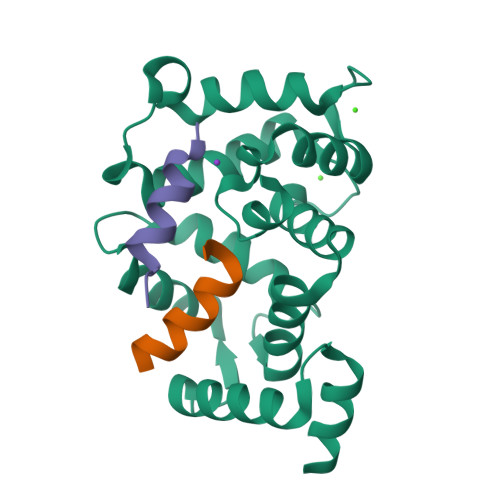 Click to view 3D structure | D(2) dopamine receptor | P14416 | Humans | Predicted (SEA) | - Prediction Confidence Score
- 0.201
- Applicability Domain
- 0.238 Low confidence
- Statistical Significance
- 0.8191
- Supporting Reference Compounds
- 1103
- E-value
- 6376.63
|
| Click to view 3D structure | Carnitine palmitoyltransferase 1A | Q9MYX2 | Sus scrofa | Predicted (SEA) | - Prediction Confidence Score
- 0.193
- Applicability Domain
- 0.219 Low confidence
- Statistical Significance
- 0.0064
- Supporting Reference Compounds
- 2
- E-value
- 50.2127
|
| Click to view 3D structure | D(2) dopamine receptor | P61169 | Rat | Predicted (SEA) | - Prediction Confidence Score
- 0.189
- Applicability Domain
- 0.2 Low confidence
- Statistical Significance
- 0.7305
- Supporting Reference Compounds
- 528
- E-value
- 5687.04
|
 Click to view 3D structure | D(1A) dopamine receptor | P21728 | Humans | Predicted (SEA) | - Prediction Confidence Score
- 0.188
- Applicability Domain
- 0.238 Low confidence
- Statistical Significance
- 0.7856
- Supporting Reference Compounds
- 425
- E-value
- 6116.15
|
| Click to view 3D structure | Synaptic vesicle glycoprotein 2A | Q02563 | Rattus norvegicus | Predicted (SEA) | - Prediction Confidence Score
- 0.184
- Applicability Domain
- 0.184 Low confidence
- Statistical Significance
- 0.0041
- Supporting Reference Compounds
- 1
- E-value
- 31.7625
|
 Click to view 3D structure | Muscarinic acetylcholine receptor M1 | P11229 | Humans | Predicted (SEA) | - Prediction Confidence Score
- 0.184
- Applicability Domain
- 0.238 Low confidence
- Statistical Significance
- 0.8574
- Supporting Reference Compounds
- 385
- E-value
- 6674.87
|
 Click to view 3D structure | Autotaxin | Q13822 | Humans | Predicted (SEA) | - Prediction Confidence Score
- 0.184
- Applicability Domain
- 0.184 Low confidence
- Statistical Significance
- 0.1656
- Supporting Reference Compounds
- 40
- E-value
- 1289.18
|
| Click to view 3D structure | Lysophosphatidic acid receptor 3 | Q8K5E0 | Rattus norvegicus | Predicted (SEA) | - Prediction Confidence Score
- 0.181
- Applicability Domain
- 0.184 Low confidence
- Statistical Significance
- 0.003
- Supporting Reference Compounds
- 4
- E-value
- 23.744
|
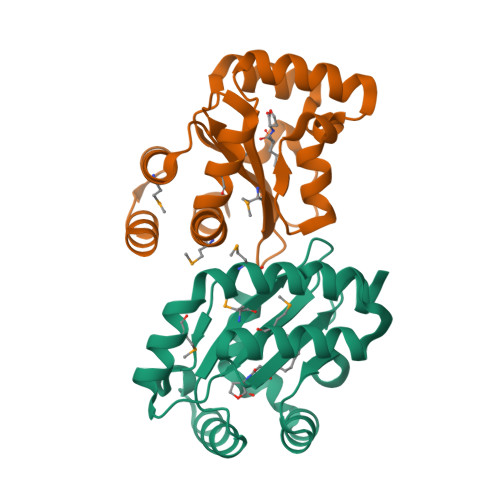 Click to view 3D structure | Transcriptional activator protein LasR | P25084 | Pseudomonas aeruginosa (strain ATCC 15692 / PAO1 / 1C / PRS 101 / LMG 12228) | Predicted (SEA) | - Prediction Confidence Score
- 0.18
- Applicability Domain
- 0.2 Low confidence
- Statistical Significance
- 0.0254
- Supporting Reference Compounds
- 12
- E-value
- 197.815
|
| Click to view 3D structure | 5-hydroxytryptamine receptor 1A | P19327 | Rattus norvegicus | Predicted (SEA) | - Prediction Confidence Score
- 0.178
- Applicability Domain
- 0.2 Low confidence
- Statistical Significance
- 0.875
- Supporting Reference Compounds
- 541
- E-value
- 6811.65
|
| Click to view 3D structure | Acetyl-CoA carboxylase | Q3V4E6 | Zea mays | Predicted (SEA) | - Prediction Confidence Score
- 0.175
- Applicability Domain
- 0.175 Low confidence
- Statistical Significance
- 0.0251
- Supporting Reference Compounds
- 1
- E-value
- 195.246
|
 Click to view 3D structure | Muscarinic acetylcholine receptor M2 | P08172 | Humans | Predicted (SEA) | - Prediction Confidence Score
- 0.175
- Applicability Domain
- 0.194 Low confidence
- Statistical Significance
- 0.917
- Supporting Reference Compounds
- 373
- E-value
- 7138.77
|
 Click to view 3D structure | Muscarinic acetylcholine receptor M4 | P08173 | Humans | Predicted (SEA) | - Prediction Confidence Score
- 0.175
- Applicability Domain
- 0.194 Low confidence
- Statistical Significance
- 0.8678
- Supporting Reference Compounds
- 297
- E-value
- 6755.44
|
| Click to view 3D structure | Trehalase | O70282 | Rattus norvegicus | Predicted (SEA) | - Prediction Confidence Score
- 0.174
- Applicability Domain
- 0.259 Low confidence
- Statistical Significance
- 5.40e-04
- Supporting Reference Compounds
- 2
- E-value
- 4.20386
|
 Click to view 3D structure | D(4) dopamine receptor | P21917 | Humans | Predicted (SEA) | - Prediction Confidence Score
- 0.174
- Applicability Domain
- 0.191 Low confidence
- Statistical Significance
- 0.9102
- Supporting Reference Compounds
- 524
- E-value
- 7085.76
|
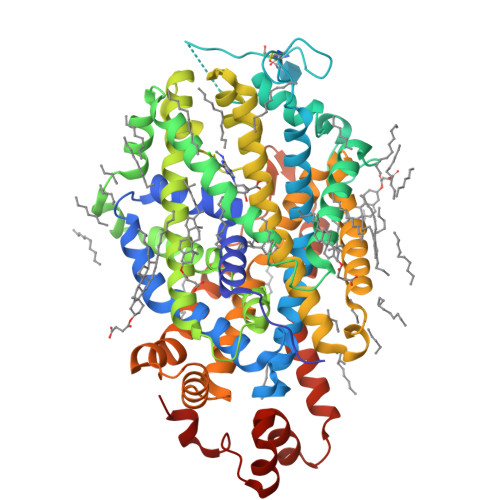 Click to view 3D structure | Sodium-dependent dopamine transporter | Q01959 | Humans | Predicted (SEA) | - Prediction Confidence Score
- 0.173
- Applicability Domain
- 0.195 Low confidence
- Statistical Significance
- 0.9477
- Supporting Reference Compounds
- 506
- E-value
- 7377.46
|
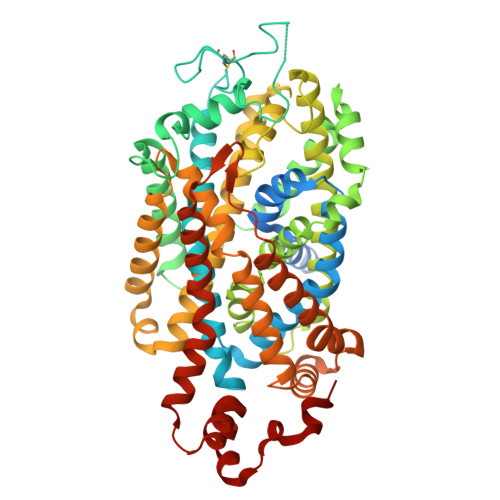 Click to view 3D structure | Sodium-dependent noradrenaline transporter | P23975 | Humans | Predicted (SEA) | - Prediction Confidence Score
- 0.173
- Applicability Domain
- 0.195 Low confidence
- Statistical Significance
- 0.936
- Supporting Reference Compounds
- 451
- E-value
- 7286.77
|
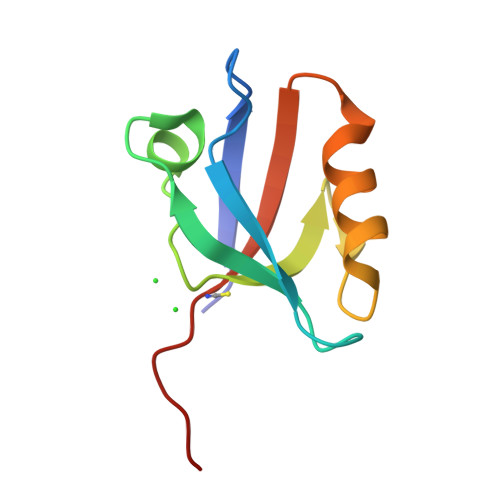 Click to view 3D structure | Lysophosphatidic acid receptor 2 | Q9HBW0 | Humans | Predicted (SEA) | - Prediction Confidence Score
- 0.173
- Applicability Domain
- 0.184 Low confidence
- Statistical Significance
- 0.2496
- Supporting Reference Compounds
- 30
- E-value
- 1943.35
|
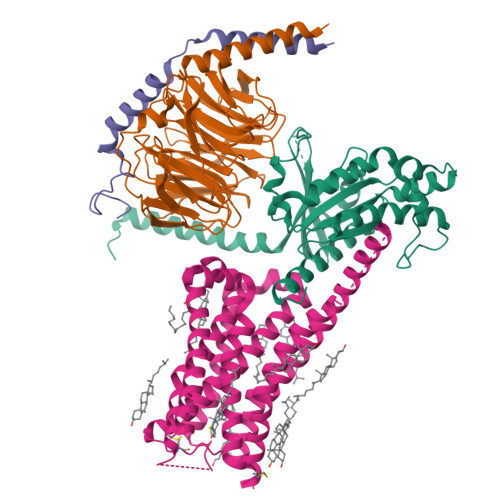 Click to view 3D structure | D(1B) dopamine receptor | P21918 | Humans | Predicted (SEA) | - Prediction Confidence Score
- 0.172
- Applicability Domain
- 0.238 Low confidence
- Statistical Significance
- 0.8352
- Supporting Reference Compounds
- 209
- E-value
- 6502.04
|
 Click to view 3D structure | 5-hydroxytryptamine receptor 1A | P08908 | Humans | Predicted (SEA) | - Prediction Confidence Score
- 0.17
- Applicability Domain
- 0.182 Low confidence
- Statistical Significance
- 0.9667
- Supporting Reference Compounds
- 953
- E-value
- 7525.84
|
 Click to view 3D structure | Alpha-2A adrenergic receptor | P08913 | Humans | Predicted (SEA) | - Prediction Confidence Score
- 0.169
- Applicability Domain
- 0.238 Low confidence
- Statistical Significance
- 0.954
- Supporting Reference Compounds
- 487
- E-value
- 7426.58
|
 Click to view 3D structure | Sigma non-opioid intracellular receptor 1 | Q99720 | Humans | Predicted (SEA) | - Prediction Confidence Score
- 0.169
- Applicability Domain
- 0.184 Low confidence
- Statistical Significance
- 0.9571
- Supporting Reference Compounds
- 562
- E-value
- 7451.34
|
| Click to view 3D structure | D(3) dopamine receptor | P19020 | Rattus norvegicus | Predicted (SEA) | - Prediction Confidence Score
- 0.168
- Applicability Domain
- 0.2 Low confidence
- Statistical Significance
- 0.744
- Supporting Reference Compounds
- 145
- E-value
- 5792.22
|

