1-Propanol, 3-amino-2,2-dimethyl- (CED0123274)

Record Information
Version1.0
Creation Date2026-04-03 19:47:22 UTC
Update Date2026-08-22 21:01:54 UTC
SynCED IDCED0123274
Secondary Accession Numbers
  • CHEM067683
Identification
Common Name1-Propanol, 3-amino-2,2-dimethyl-
ClassSmall Molecule
Description
1-Propanol, 3-amino-2,2-dimethyl- is an organic nitrogen compound with the formula C5H13N1O1 and an average molecular weight of 103.17 g/mol. 1-Propanol, 3-amino-2,2-dimethyl- belongs to the amines, a subclass of organonitrogen compounds within the organic compounds. This compound has been identified in two recorded sources: indoor air via air, dust and atmospheric transport, and gas filled discharge tubes with solid cathode found in electrical and electronic equipment. The recorded route of exposure for this substance is inhalation.
Contaminant TypeNot Available
Chemical Structure
SynonymsNot Available
Chemical FormulaC5H13N1O1
Average Molecular Mass103.165 g/mol
Monoisotopic Mass103.100 g/mol
CAS Registry Number26734-09-8
IUPAC NameNot Available
Traditional NameNot Available
SMILESCC(C)(CN)CO
InChI IdentifierInChI=1S/C5H13NO/c1-5(2,3-6)4-7/h7H,3-4,6H2,1-2H3
InChI KeyFNVOFDGAASRDQY-UHFFFAOYSA-N
Chemical Taxonomy
ClassificationNot classified
Biological Properties
StatusDetected and Not Quantified
OriginNot Available
Cellular LocationsNot Available
Biofluid LocationsNot Available
Tissue LocationsNot Available
ApplicationsNot Available
Biological RolesNot Available
Chemical RolesNot Available
Organoleptic EffectsNot Available
Physical Properties
StateNot Available
AppearanceNot Available
Experimental Properties
PropertyValue
Melting PointNot Available
Boiling PointNot Available
SolubilityNot Available
Predicted PropertiesNot Available
Spectra
SpectraNot Available
Toxicity Profile
Toxicity Values
Toxicity ValueOrganismDose DescriptorRoute of ExposurePredicted or ExperimentalToxicity RatingReference
1625.0 Log mg/kg [910:2900]RatLD50oralpredictedNot AvailableNot Available
Toxicity / Toxin ClassNot Available
Mechanism of ToxicityNot Available
Carcinogenicity (IARC Classification)Not Available
Minimum Risk LevelNot Available
SymptomsNot Available
TreatmentNot Available
Health Effects
Health EffectRelationshipDirectionDescriptionReference
Exposure Sources
Source IDSourceSectorReference
CEDs000010Insecticides?Insecticides are synthetic chemicals designed to control or eliminate insect pests that threaten crops and other agricultural products.Agriculture & land managementPubChem
CEDs000019Indoor air?Indoor air can be a significant reservoir for synthetic chemical contaminants, which often originate from various sources within enclosed environments.Air, dust & atmospheric transportNot Available
CEDs000233Brushes?Brushes used in personal care and cosmetics can be a source of synthetic chemical contamination due to the materials and coatings used in their manufacturing.Personal care & cosmeticsPubChem
CEDs000511Conductors Or Conductive Bodies Characterised By The Conductive Materials?Conductors, or conductive bodies, are materials that allow the flow of electrical current, typically made from metals such as copper, aluminum, or silver.Electrical & Electronic EquipmentPubChem
CEDs000523Gas Filled Discharge Tubes With Solid Cathode?Gas Filled Discharge Tubes with Solid Cathodes are electrical components that facilitate the flow of current by ionizing gas within a sealed tube.Electrical & Electronic EquipmentPubChem
CEDs000596Acaricides?Acaricides are synthetic chemicals specifically designed to target and control mite populations that can damage crops and plants.Agriculture & land managementPubChem
CEDs000605Pest Repellants?Pest repellents, often formulated from synthetic chemicals, are widely used to protect crops from insect infestations and other pests.Agriculture & land managementPubChem
CEDs000615Eye Makeup Products?Eye makeup products, including mascaras, eyeliners, and eyeshadows, often contain a variety of synthetic chemicals such as pigments, preservatives, and film-forming agents.Personal care & cosmeticsPubChem
CEDs000618Lip Makeup Products?Lip makeup products, such as lipsticks, lip glosses, and lip liners, often contain a variety of synthetic chemicals, including pigments, preservatives, and emollients.Personal care & cosmeticsPubChem
CEDs000642Footwear?Footwear production often involves the use of various synthetic chemicals, such as adhesives, dyes, and treatments, which can contribute to environmental contamination.Textiles, leather & furnishingsPubChem
CEDs000652Ropes?Ropes manufactured from synthetic fibers, such as polypropylene, nylon, and polyester, are widely used in various applications, including marine, construction, and outdoor activities.Textiles, leather & furnishingsPubChem
CEDs000657Surface Finishing Of Leather?Surface finishing of leather often involves the use of various synthetic chemicals, including dyes, resins, and finishing agents.Textiles, leather & furnishingsPubChem
CEDs000659Transfer Printing?Transfer printing is a process used to apply designs and patterns onto various substrates, commonly utilizing synthetic dyes and inks that can contain hazardous chemicals.Textiles, leather & furnishingsPubChem
CEDs000685Ceramics?Ceramics can be a source of synthetic chemical contamination through various additives and processing agents used in their production.Building & ConstructionPubChem
CEDs000696Nanotechnology?Nanotechnology involves the manipulation of materials at the molecular or atomic level, typically within the range of 1 to 100 nanometers.Industrial manufacturing & chemical processingPubChem
CEDs000727Printing Machines Or Presses?Printing machines or presses commonly utilize synthetic chemicals such as inks, solvents, and cleaning agents.Paper, pulp & fiber productsPubChem
CEDs000734Coating Compositions?Coating compositions, which include paints, sealants, and varnishes, are formulated with a variety of synthetic chemicals such as solvents, resins, pigments, and additives.Building & ConstructionPubChem
CEDs000735Explosives?Explosives are chemical compounds or mixtures designed to undergo rapid decomposition, releasing energy in the form of gas and heat.Defense & military infrastructurePubChem
CEDs000739Inks?Inks are complex mixtures composed of pigments or dyes, solvents, resins, and additives used primarily for printing and writing applications.Paper, pulp & fiber productsPubChem
CEDs000740Paper?Paper production involves the processing of wood fibers and the use of various chemicals, which can lead to synthetic chemical contamination.Paper, pulp & fiber productsPubChem
CEDs000741Pigment Pastes?Pigment pastes are concentrated dispersions of pigments used to impart color and properties to materials.Paper, pulp & fiber productsPubChem
CEDs000744Water, Wastewater, & Sewage Treatment?Water, wastewater, and sewage treatment processes are critical for managing and mitigating pollutants in water systems.Wastewater, sanitation & biosolidsPubChem
Pathways
0 pathwaysPathway Source: PathBank

No pathways found

No metabolic pathways have been associated with this synthetic chemical

Targets
StructureProteinUniProt IDOrganismRelationshipDetails
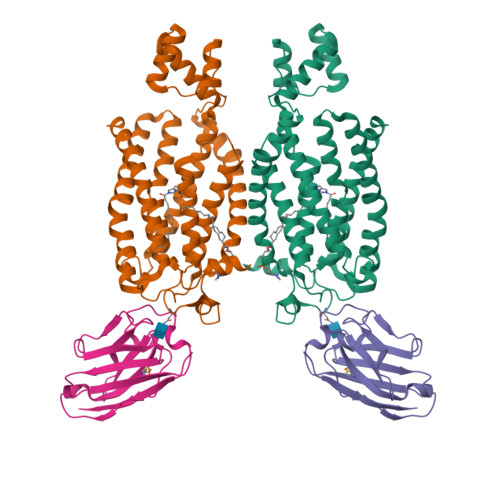
Click to view 3D structureSodium- and chloride-dependent GABA transporter 2P31646Rattus norvegicusPredicted (SEA)
Prediction Confidence Score
0.16
Applicability Domain
0.16 Low confidence
Statistical Significance
0.0071
Supporting Reference Compounds
1
E-value
55.1951
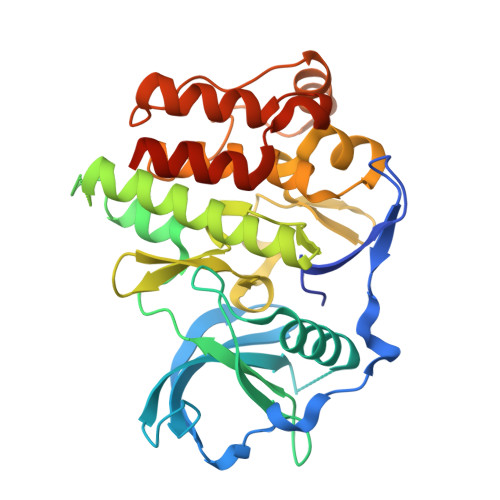
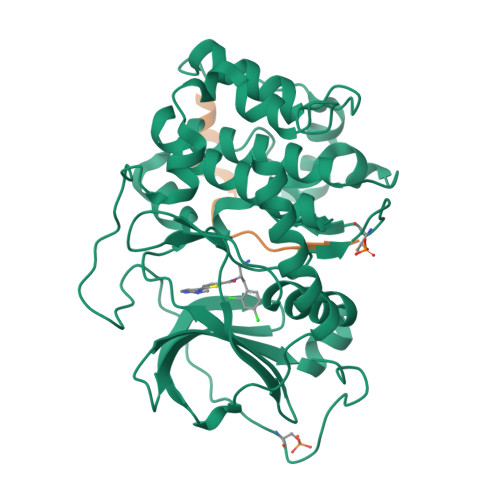
Receptor-type tyrosine-protein kinase FLT3 structureClick to view 3D structureReceptor-type tyrosine-protein kinase FLT3P36888HumansPredicted (SEA)
Prediction Confidence Score
0.159
Applicability Domain
0.169 Low confidence
Statistical Significance
0.9836
Supporting Reference Compounds
1274
E-value
7657.48
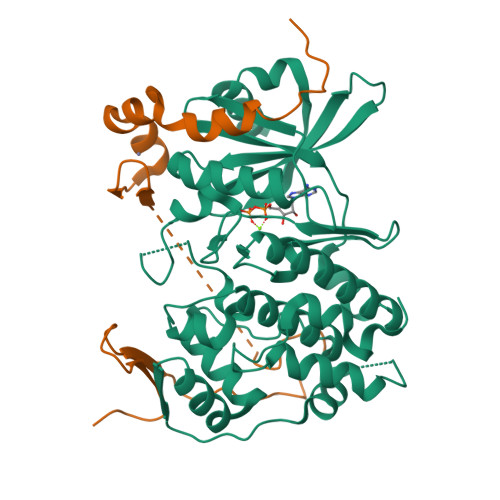
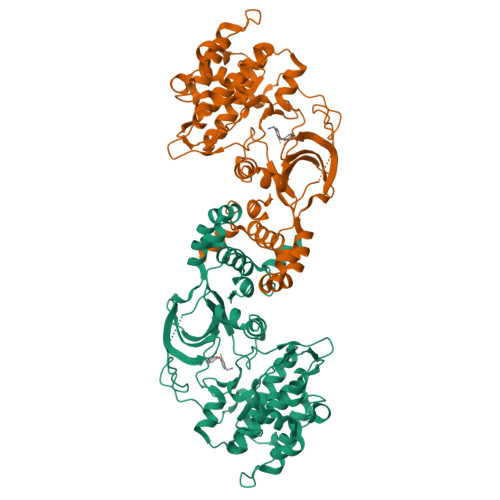
Cell division cycle 7-related protein kinase structureClick to view 3D structureCell division cycle 7-related protein kinaseO00311HumansPredicted (SEA)
Prediction Confidence Score
0.158
Applicability Domain
0.169 Low confidence
Statistical Significance
0.9573
Supporting Reference Compounds
407
E-value
7452.35
Rho-associated protein kinase 1 structureClick to view 3D structureRho-associated protein kinase 1Q13464HumansPredicted (SEA)
Prediction Confidence Score
0.158
Applicability Domain
0.169 Low confidence
Statistical Significance
0.9804
Supporting Reference Compounds
834
E-value
7632.73
Serine/threonine-protein kinase N2 structureClick to view 3D structureSerine/threonine-protein kinase N2Q16513HumansPredicted (SEA)
Prediction Confidence Score
0.158
Applicability Domain
0.169 Low confidence
Statistical Significance
0.9714
Supporting Reference Compounds
567
E-value
7562.27
Serine/threonine-protein kinase PAK 4 structureClick to view 3D structureSerine/threonine-protein kinase PAK 4O96013HumansPredicted (SEA)
Prediction Confidence Score
0.156
Applicability Domain
0.169 Low confidence
Statistical Significance
0.9778
Supporting Reference Compounds
728
E-value
7612.02
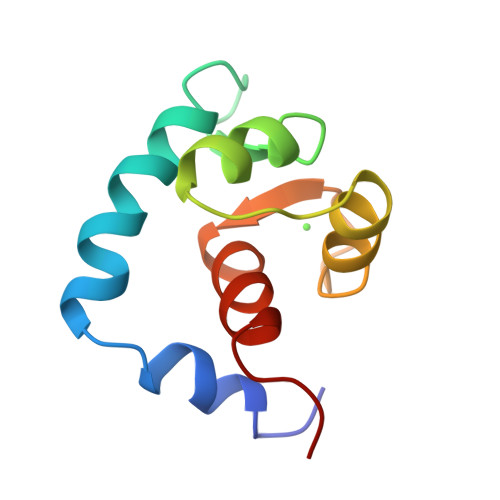
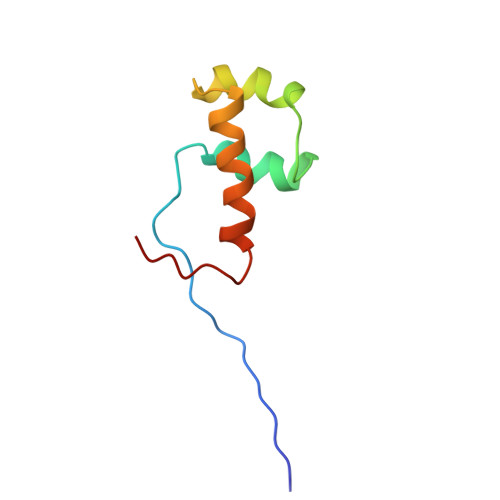
Troponin C, slow skeletal and cardiac muscles structureClick to view 3D structureTroponin C, slow skeletal and cardiac musclesP63316HumansPredicted (SEA)
Prediction Confidence Score
0.194
Applicability Domain
0.194 Low confidence
Statistical Significance
0.0103
Supporting Reference Compounds
2
E-value
79.8733
Click to view 3D structureCeramide synthase 1P27545Mus musculusPredicted (SEA)
Prediction Confidence Score
0.178
Applicability Domain
0.178 Low confidence
Statistical Significance
0.033
Supporting Reference Compounds
1
E-value
257.292
Click to view 3D structureCeramide synthase 4Q9HA82HumansPredicted (SEA)
Prediction Confidence Score
0.178
Applicability Domain
0.178 Low confidence
Statistical Significance
0.033
Supporting Reference Compounds
1
E-value
257.292
Ceramide synthase 6 structureClick to view 3D structureCeramide synthase 6Q6ZMG9HumansPredicted (SEA)
Prediction Confidence Score
0.178
Applicability Domain
0.178 Low confidence
Statistical Significance
0.033
Supporting Reference Compounds
1
E-value
257.292
Click to view 3D structureCeramide synthase 2Q924Z4Mus musculusPredicted (SEA)
Prediction Confidence Score
0.178
Applicability Domain
0.178 Low confidence
Statistical Significance
0.033
Supporting Reference Compounds
1
E-value
257.292
Ceramide synthase 5 structureClick to view 3D structureCeramide synthase 5Q9D6K9Mus musculusPredicted (SEA)
Prediction Confidence Score
0.178
Applicability Domain
0.178 Low confidence
Statistical Significance
0.033
Supporting Reference Compounds
1
E-value
257.292
Click to view 3D structureCeramide synthase 1P27544HumansPredicted (SEA)
Prediction Confidence Score
0.178
Applicability Domain
0.178 Low confidence
Statistical Significance
0.033
Supporting Reference Compounds
1
E-value
257.292
Cyclin-dependent kinase 2 structureClick to view 3D structureCyclin-dependent kinase 2P24941HumansPredicted (SEA)
Prediction Confidence Score
0.164
Applicability Domain
0.169 Low confidence
Statistical Significance
0.9756
Supporting Reference Compounds
1029
E-value
7595.05
Glycogen synthase kinase-3 beta structureClick to view 3D structureGlycogen synthase kinase-3 betaP49841HumansPredicted (SEA)
Prediction Confidence Score
0.162
Applicability Domain
0.169 Low confidence
Statistical Significance
0.9833
Supporting Reference Compounds
1157
E-value
7654.6
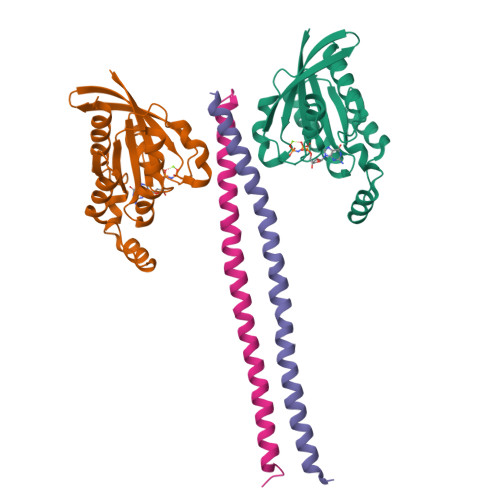
cAMP-dependent protein kinase catalytic subunit alpha structureClick to view 3D structurecAMP-dependent protein kinase catalytic subunit alphaP17612HumansPredicted (SEA)
Prediction Confidence Score
0.161
Applicability Domain
0.169 Low confidence
Statistical Significance
0.9789
Supporting Reference Compounds
735
E-value
7620.74
Serine/threonine-protein kinase pim-1 structureClick to view 3D structureSerine/threonine-protein kinase pim-1P11309HumansPredicted (SEA)
Prediction Confidence Score
0.161
Applicability Domain
0.169 Low confidence
Statistical Significance
0.9783
Supporting Reference Compounds
967
E-value
7615.83
Rho-associated protein kinase 2 structureClick to view 3D structureRho-associated protein kinase 2O75116HumansPredicted (SEA)
Prediction Confidence Score
0.161
Applicability Domain
0.169 Low confidence
Statistical Significance
0.9807
Supporting Reference Compounds
811
E-value
7634.67
Homeodomain-interacting protein kinase 2 structureClick to view 3D structureHomeodomain-interacting protein kinase 2Q9H2X6HumansPredicted (SEA)
Prediction Confidence Score
0.161
Applicability Domain
0.169 Low confidence
Statistical Significance
0.9613
Supporting Reference Compounds
505
E-value
7483.41
Dual specificity tyrosine-phosphorylation-regulated kinase 1A structureClick to view 3D structureDual specificity tyrosine-phosphorylation-regulated kinase 1AQ13627HumansPredicted (SEA)
Prediction Confidence Score
0.16
Applicability Domain
0.169 Low confidence
Statistical Significance
0.9763
Supporting Reference Compounds
906
E-value
7600.81
Dual specificity protein kinase CLK2 structureClick to view 3D structureDual specificity protein kinase CLK2P49760HumansPredicted (SEA)
Prediction Confidence Score
0.16
Applicability Domain
0.169 Low confidence
Statistical Significance
0.9713
Supporting Reference Compounds
727
E-value
7561.65
Dual specificity protein kinase CLK4 structureClick to view 3D structureDual specificity protein kinase CLK4Q9HAZ1HumansPredicted (SEA)
Prediction Confidence Score
0.16
Applicability Domain
0.169 Low confidence
Statistical Significance
0.9703
Supporting Reference Compounds
742
E-value
7553.87
Click to view 3D structureAsc-type amino acid transporter 1P63116RatPredicted (SEA)
Prediction Confidence Score
0.16
Applicability Domain
0.16 Low confidence
Statistical Significance
0.0042
Supporting Reference Compounds
2
E-value
32.9302
Click to view 3D structureNeutral alpha-glucosidase CQ8TET4HumansPredicted (SEA)
Prediction Confidence Score
0.16
Applicability Domain
0.16 Low confidence
Statistical Significance
9.40e-04
Supporting Reference Compounds
1
E-value
7.31783
Click to view 3D structureAlpha-galactosidase AD3ZJF9Rattus norvegicusPredicted (SEA)
Prediction Confidence Score
0.16
Applicability Domain
0.16 Low confidence
Statistical Significance
9.40e-04
Supporting Reference Compounds
1
E-value
7.31783
Concentrations
Not Available
External Links
IdentifiersNot Available
References
Synthesis ReferenceNot Available
MSDSNot Available
General ReferencesNot Available