 Click to view 3D structure | Monoglyceride lipase | Q99685 | Humans | Predicted (SEA) | - Prediction Confidence Score
- 0.477
- Applicability Domain
- 0.75
- Statistical Significance
- 3.90e-04
- Supporting Reference Compounds
- 76
- E-value
- 3.03612
|
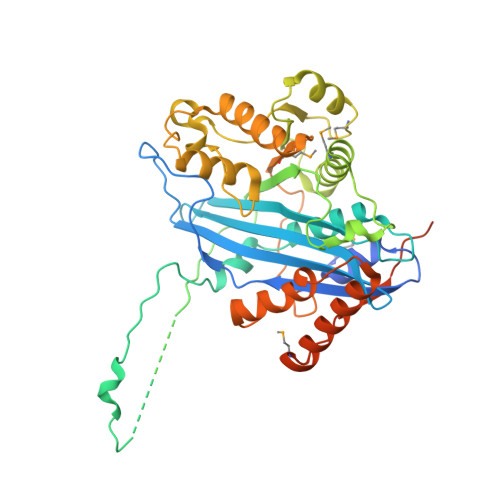 Click to view 3D structure | Histone acetyltransferase RTT109 | Q07794 | Saccharomyces cerevisiae (strain ATCC 204508 / S288c) (Baker's yeast) | Predicted (SEA) | - Prediction Confidence Score
- 0.336
- Applicability Domain
- 0.75
- Statistical Significance
- 1.00e-04
- Supporting Reference Compounds
- 17
- E-value
- 0.778492
|
 Click to view 3D structure | Large ribosomal subunit protein eL19A | P0CX82 | Saccharomyces cerevisiae S288c | Predicted (SEA) | - Prediction Confidence Score
- 0.335
- Applicability Domain
- 0.625
- Statistical Significance
- 9.00e-05
- Supporting Reference Compounds
- 29
- E-value
- 0.700643
|
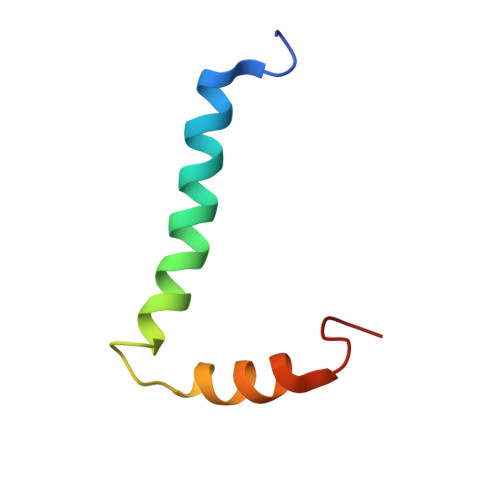 Click to view 3D structure | Toll-like receptor 9 | Q9NR96 | Humans | Predicted (SEA) | - Prediction Confidence Score
- 0.287
- Applicability Domain
- 0.483
- Statistical Significance
- 0.0062
- Supporting Reference Compounds
- 111
- E-value
- 48.4222
|
 Click to view 3D structure | Glucose-6-phosphate dehydrogenase-6-phosphogluconolactonase | Q9BHT9 | Plasmodium berghei | Predicted (SEA) | - Prediction Confidence Score
- 0.28
- Applicability Domain
- 0.483
- Statistical Significance
- 0.0042
- Supporting Reference Compounds
- 105
- E-value
- 32.3853
|
 Click to view 3D structure | DNA dC->dU-editing enzyme APOBEC-3G | Q9HC16 | Humans | Predicted (SEA) | - Prediction Confidence Score
- 0.268
- Applicability Domain
- 0.625
- Statistical Significance
- 0.0019
- Supporting Reference Compounds
- 76
- E-value
- 14.9471
|
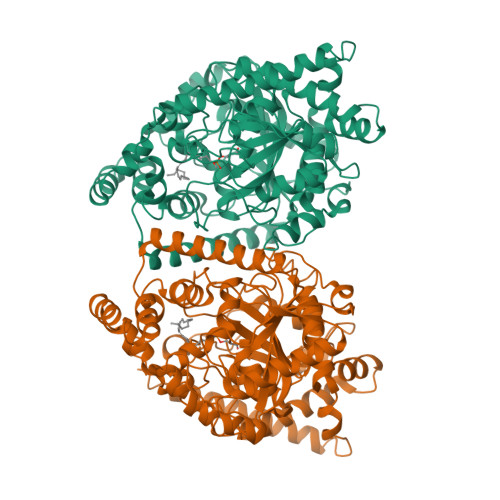 Click to view 3D structure | Fatty-acid amide hydrolase 1 | P97612 | Rattus norvegicus | Predicted (SEA) | - Prediction Confidence Score
- 0.249
- Applicability Domain
- 0.6
- Statistical Significance
- 0.0538
- Supporting Reference Compounds
- 102
- E-value
- 419.218
|
| Click to view 3D structure | Heat shock factor protein 1 | P38532 | Mus musculus | Predicted (SEA) | - Prediction Confidence Score
- 0.241
- Applicability Domain
- 0.412
- Statistical Significance
- 0.1032
- Supporting Reference Compounds
- 166
- E-value
- 803.638
|
| Click to view 3D structure | DNA damage-inducible transcript 3 protein | P35639 | Mus musculus | Predicted (SEA) | - Prediction Confidence Score
- 0.234
- Applicability Domain
- 0.333
- Statistical Significance
- 0.158
- Supporting Reference Compounds
- 226
- E-value
- 1229.71
|
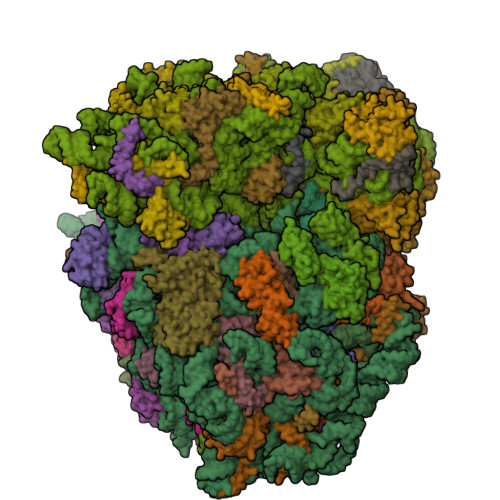 Click to view 3D structure | X-box-binding protein 1 | P17861 | Humans | Predicted (SEA) | - Prediction Confidence Score
- 0.234
- Applicability Domain
- 0.333
- Statistical Significance
- 0.1582
- Supporting Reference Compounds
- 227
- E-value
- 1231.26
|
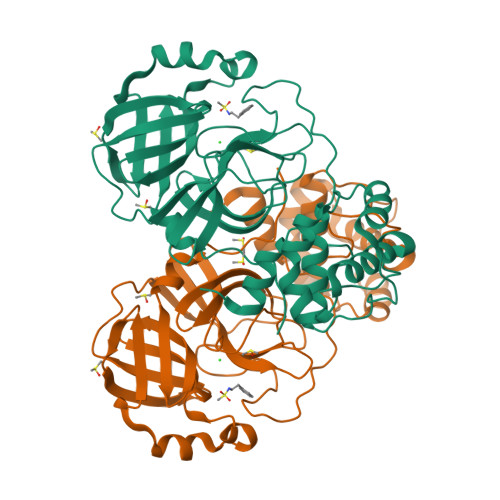 Click to view 3D structure | Replicase polyprotein 1ab | P0DTD1 | SARS-CoV-2 | Predicted (SEA) | - Prediction Confidence Score
- 0.231
- Applicability Domain
- 0.258 Low confidence
- Statistical Significance
- 0.1197
- Supporting Reference Compounds
- 215
- E-value
- 931.544
|
 Click to view 3D structure | Liver carboxylesterase 1 | P23141 | Humans | Predicted (SEA) | - Prediction Confidence Score
- 0.23
- Applicability Domain
- 0.3
- Statistical Significance
- 0.0273
- Supporting Reference Compounds
- 55
- E-value
- 212.373
|
| Click to view 3D structure | Beta Lactamase | Q932Y6 | Pseudomonas aeruginosa | Predicted (SEA) | - Prediction Confidence Score
- 0.23
- Applicability Domain
- 0.278 Low confidence
- Statistical Significance
- 0.0686
- Supporting Reference Compounds
- 91
- E-value
- 534.435
|
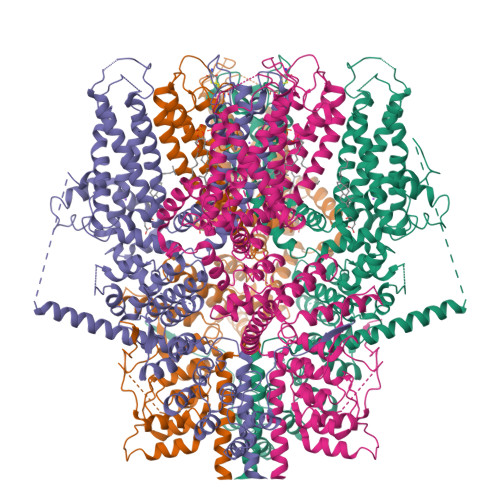 Click to view 3D structure | Short transient receptor potential channel 4 | Q9QUQ5 | Mus musculus | Predicted (SEA) | - Prediction Confidence Score
- 0.229
- Applicability Domain
- 0.412
- Statistical Significance
- 0.1645
- Supporting Reference Compounds
- 128
- E-value
- 1281.01
|
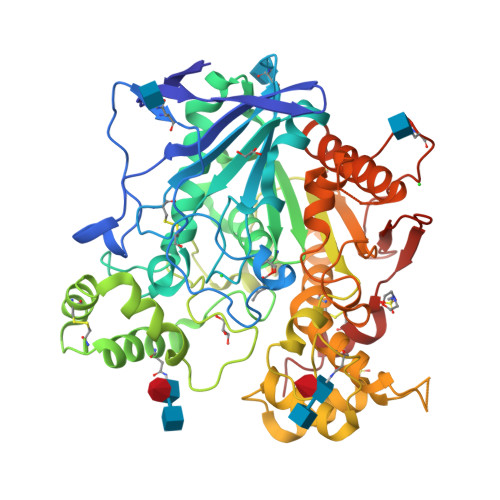 Click to view 3D structure | Cholinesterase | P06276 | Humans | Predicted (SEA) | - Prediction Confidence Score
- 0.228
- Applicability Domain
- 0.278 Low confidence
- Statistical Significance
- 0.2167
- Supporting Reference Compounds
- 234
- E-value
- 1687.38
|
| Click to view 3D structure | Streptokinase A | P10520 | Streptococcus pyogenes serotype M1 | Predicted (SEA) | - Prediction Confidence Score
- 0.227
- Applicability Domain
- 0.269 Low confidence
- Statistical Significance
- 0.3053
- Supporting Reference Compounds
- 425
- E-value
- 2376.89
|
 Click to view 3D structure | Amine oxidase [flavin-containing] A | P21397 | Humans | Predicted (SEA) | - Prediction Confidence Score
- 0.224
- Applicability Domain
- 0.278 Low confidence
- Statistical Significance
- 0.2143
- Supporting Reference Compounds
- 241
- E-value
- 1668.31
|
| Click to view 3D structure | Protoporphyrinogen oxidase, chloroplastic | Q9AR38 | Oryza sativa subsp. japonica | Predicted (SEA) | - Prediction Confidence Score
- 0.223
- Applicability Domain
- 0.333
- Statistical Significance
- 3.30e-04
- Supporting Reference Compounds
- 2
- E-value
- 2.56902
|
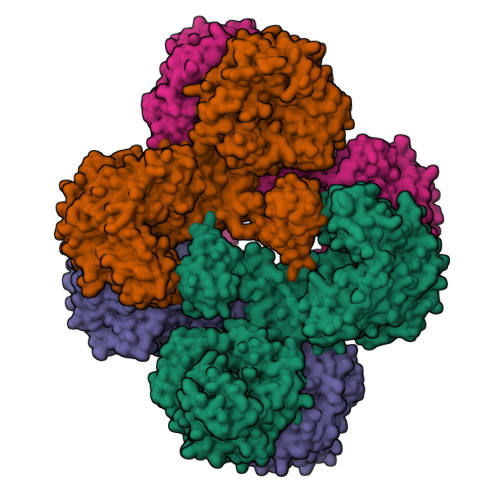 Click to view 3D structure | Pyruvate carboxylase | A0A0H3JRU9 | Staphylococcus aureus (strain Mu50 / ATCC 700699) | Predicted (SEA) | - Prediction Confidence Score
- 0.22
- Applicability Domain
- 0.22 Low confidence
- Statistical Significance
- 0.0097
- Supporting Reference Compounds
- 1
- E-value
- 75.2802
|
| Click to view 3D structure | Mannose-6-phosphate isomerase | P34949 | Humans | Predicted (SEA) | - Prediction Confidence Score
- 0.218
- Applicability Domain
- 0.222 Low confidence
- Statistical Significance
- 0.0208
- Supporting Reference Compounds
- 53
- E-value
- 162.238
|
 Click to view 3D structure | Cathepsin G | P08311 | Humans | Predicted (SEA) | - Prediction Confidence Score
- 0.217
- Applicability Domain
- 0.435
- Statistical Significance
- 0.083
- Supporting Reference Compounds
- 55
- E-value
- 646.149
|
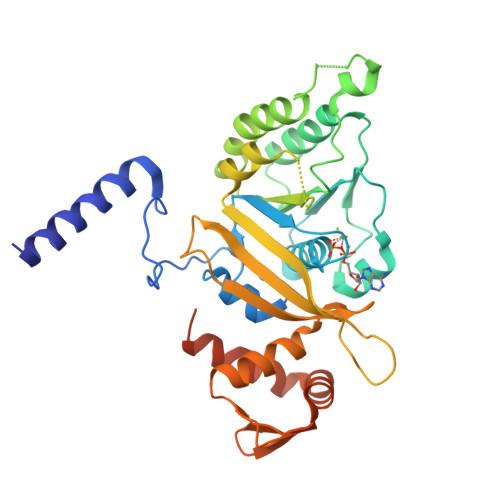 Click to view 3D structure | Protein RecA | P9WHJ3 | Mycobacterium tuberculosis | Predicted (SEA) | - Prediction Confidence Score
- 0.214
- Applicability Domain
- 0.222 Low confidence
- Statistical Significance
- 0.362
- Supporting Reference Compounds
- 296
- E-value
- 2817.91
|
 Click to view 3D structure | Indoleamine 2,3-dioxygenase 1 | P14902 | Humans | Predicted (SEA) | - Prediction Confidence Score
- 0.213
- Applicability Domain
- 0.261 Low confidence
- Statistical Significance
- 0.1405
- Supporting Reference Compounds
- 108
- E-value
- 1094.02
|
 Click to view 3D structure | Acetylcholinesterase | P22303 | Humans | Predicted (SEA) | - Prediction Confidence Score
- 0.212
- Applicability Domain
- 0.278 Low confidence
- Statistical Significance
- 0.4899
- Supporting Reference Compounds
- 406
- E-value
- 3814.07
|
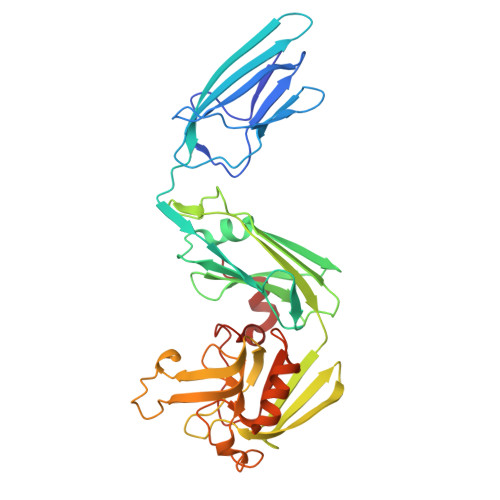 Click to view 3D structure | L,D-transpeptidase 2 | I6Y9J2 | Mycobacterium tuberculosis (strain ATCC 25618 / H37Rv) | Predicted (SEA) | - Prediction Confidence Score
- 0.212
- Applicability Domain
- 0.212 Low confidence
- Statistical Significance
- 0.0035
- Supporting Reference Compounds
- 1
- E-value
- 27.4029
|

