 Click to view 3D structure | 5-hydroxytryptamine receptor 2B | P41595 | Humans | Predicted (SEA) | - Prediction Confidence Score
- 0.224
- Applicability Domain
- 0.362
- Statistical Significance
- 0.5155
- Supporting Reference Compounds
- 686
- E-value
- 4013.36
|
 Click to view 3D structure | 5-hydroxytryptamine receptor 1D | P28221 | Humans | Predicted (SEA) | - Prediction Confidence Score
- 0.221
- Applicability Domain
- 0.362
- Statistical Significance
- 0.3556
- Supporting Reference Compounds
- 365
- E-value
- 2768.55
|
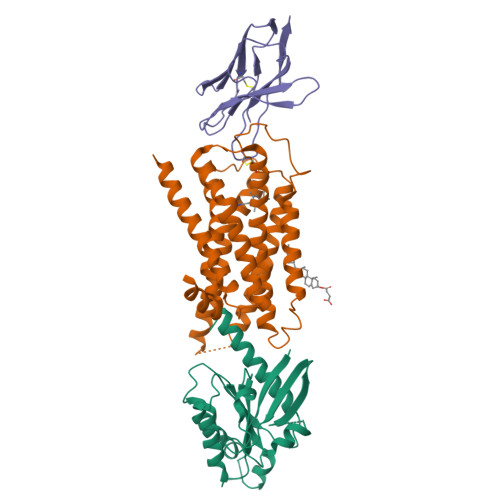 Click to view 3D structure | Alpha-1A adrenergic receptor | P35348 | Humans | Predicted (SEA) | - Prediction Confidence Score
- 0.217
- Applicability Domain
- 0.362
- Statistical Significance
- 0.4019
- Supporting Reference Compounds
- 376
- E-value
- 3128.92
|
 Click to view 3D structure | Tyrosinase | P14679 | Humans | Predicted (SEA) | - Prediction Confidence Score
- 0.213
- Applicability Domain
- 0.467
- Statistical Significance
- 0.0162
- Supporting Reference Compounds
- 29
- E-value
- 126.194
|
 Click to view 3D structure | 5-hydroxytryptamine receptor 1B | P28222 | Humans | Predicted (SEA) | - Prediction Confidence Score
- 0.213
- Applicability Domain
- 0.362
- Statistical Significance
- 0.4526
- Supporting Reference Compounds
- 337
- E-value
- 3523.14
|
 Click to view 3D structure | 5-hydroxytryptamine receptor 6 | P50406 | Humans | Predicted (SEA) | - Prediction Confidence Score
- 0.212
- Applicability Domain
- 0.362
- Statistical Significance
- 0.5294
- Supporting Reference Compounds
- 536
- E-value
- 4121.03
|
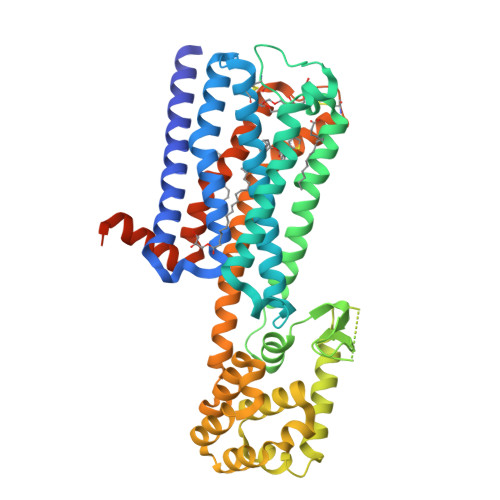 Click to view 3D structure | Muscarinic acetylcholine receptor M5 | P08912 | Humans | Predicted (SEA) | - Prediction Confidence Score
- 0.212
- Applicability Domain
- 0.362
- Statistical Significance
- 0.3997
- Supporting Reference Compounds
- 266
- E-value
- 3111.94
|
 Click to view 3D structure | Muscarinic acetylcholine receptor M4 | P08173 | Humans | Predicted (SEA) | - Prediction Confidence Score
- 0.211
- Applicability Domain
- 0.362
- Statistical Significance
- 0.4245
- Supporting Reference Compounds
- 297
- E-value
- 3304.39
|
 Click to view 3D structure | Cytochrome P450 2D6 | P10635 | Humans | Predicted (SEA) | - Prediction Confidence Score
- 0.21
- Applicability Domain
- 0.362
- Statistical Significance
- 0.8694
- Supporting Reference Compounds
- 1130
- E-value
- 6768.44
|
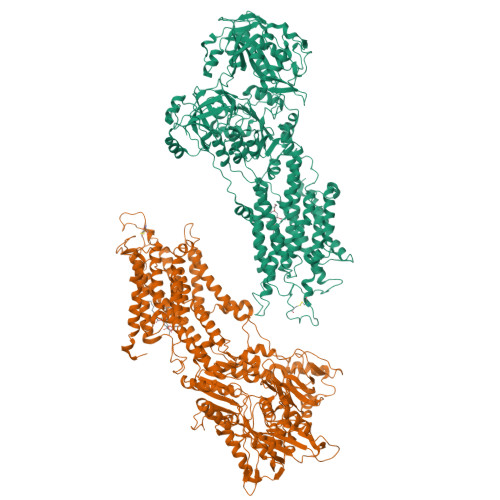 Click to view 3D structure | Sarcoplasmic/endoplasmic reticulum calcium ATPase 1 | P04191 | Oryctolagus cuniculus | Predicted (SEA) | - Prediction Confidence Score
- 0.21
- Applicability Domain
- 0.367
- Statistical Significance
- 0.0022
- Supporting Reference Compounds
- 15
- E-value
- 16.9711
|
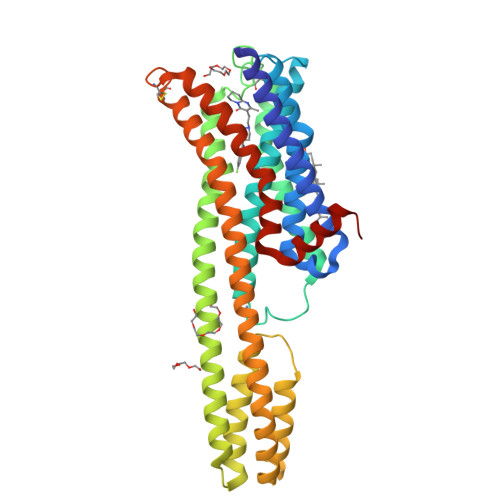 Click to view 3D structure | 5-hydroxytryptamine receptor 2A | P28223 | Humans | Predicted (SEA) | - Prediction Confidence Score
- 0.209
- Applicability Domain
- 0.362
- Statistical Significance
- 0.7348
- Supporting Reference Compounds
- 955
- E-value
- 5720.13
|
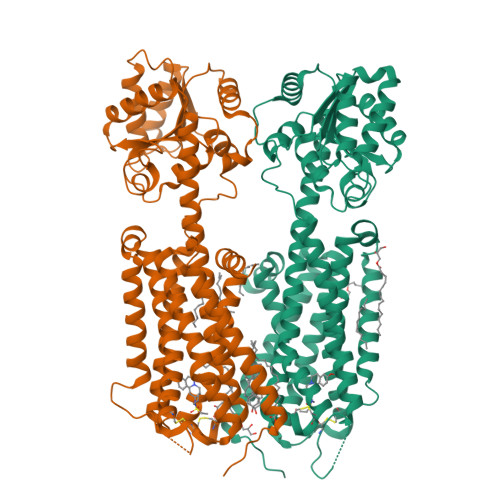 Click to view 3D structure | Alpha-2C adrenergic receptor | P18825 | Humans | Predicted (SEA) | - Prediction Confidence Score
- 0.208
- Applicability Domain
- 0.362
- Statistical Significance
- 0.4835
- Supporting Reference Compounds
- 386
- E-value
- 3763.7
|
 Click to view 3D structure | 5-hydroxytryptamine receptor 2C | P28335 | Humans | Predicted (SEA) | - Prediction Confidence Score
- 0.207
- Applicability Domain
- 0.362
- Statistical Significance
- 0.732
- Supporting Reference Compounds
- 823
- E-value
- 5698.87
|
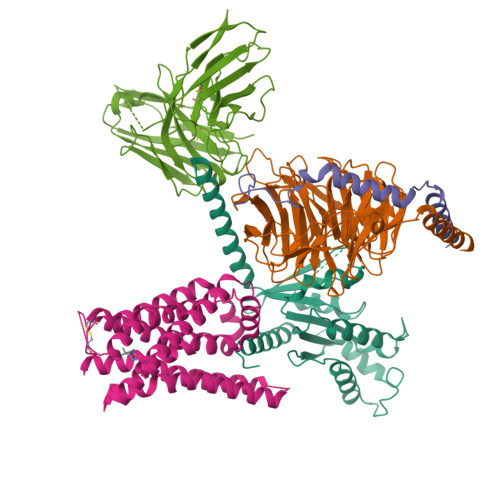 Click to view 3D structure | Alpha-2B adrenergic receptor | P18089 | Humans | Predicted (SEA) | - Prediction Confidence Score
- 0.206
- Applicability Domain
- 0.362
- Statistical Significance
- 0.5089
- Supporting Reference Compounds
- 340
- E-value
- 3962.14
|
 Click to view 3D structure | 5-hydroxytryptamine receptor 1A | P08908 | Humans | Predicted (SEA) | - Prediction Confidence Score
- 0.204
- Applicability Domain
- 0.354
- Statistical Significance
- 0.7591
- Supporting Reference Compounds
- 953
- E-value
- 5909.22
|
 Click to view 3D structure | Nuclear receptor subfamily 1 group I member 2 | O75469 | Humans | Predicted (SEA) | - Prediction Confidence Score
- 0.203
- Applicability Domain
- 0.314
- Statistical Significance
- 0.3216
- Supporting Reference Compounds
- 146
- E-value
- 2503.94
|
 Click to view 3D structure | Amine oxidase [flavin-containing] B | P27338 | Humans | Predicted (SEA) | - Prediction Confidence Score
- 0.202
- Applicability Domain
- 0.271 Low confidence
- Statistical Significance
- 0.506
- Supporting Reference Compounds
- 315
- E-value
- 3939.33
|
 Click to view 3D structure | Polyunsaturated fatty acid 5-lipoxygenase | P12527 | Rattus norvegicus | Predicted (SEA) | - Prediction Confidence Score
- 0.323
- Applicability Domain
- 0.35
- Statistical Significance
- 0.0041
- Supporting Reference Compounds
- 78
- E-value
- 31.6068
|
 Click to view 3D structure | Prostaglandin G/H synthase 2 | Q05769 | Mus musculus | Predicted (SEA) | - Prediction Confidence Score
- 0.312
- Applicability Domain
- 0.333
- Statistical Significance
- 0.0019
- Supporting Reference Compounds
- 43
- E-value
- 15.1027
|
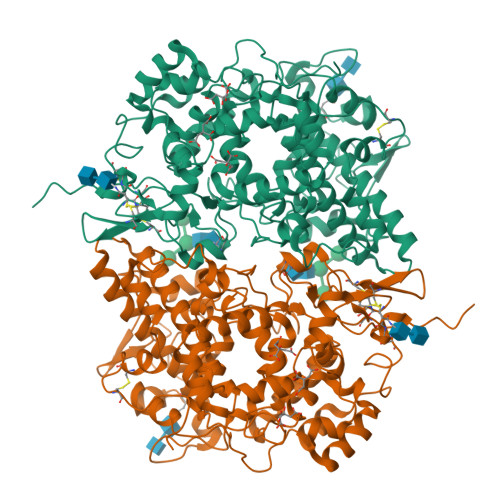 Click to view 3D structure | Prostaglandin G/H synthase 1 | P23219 | Humans | Predicted (SEA) | - Prediction Confidence Score
- 0.31
- Applicability Domain
- 0.35
- Statistical Significance
- 0.008
- Supporting Reference Compounds
- 136
- E-value
- 61.968
|
 Click to view 3D structure | Prostaglandin G/H synthase 2 | P35354 | Humans | Predicted (SEA) | - Prediction Confidence Score
- 0.274
- Applicability Domain
- 0.31
- Statistical Significance
- 0.0362
- Supporting Reference Compounds
- 201
- E-value
- 281.581
|
 Click to view 3D structure | Alpha-2A adrenergic receptor | P08913 | Humans | Predicted (SEA) | - Prediction Confidence Score
- 0.25
- Applicability Domain
- 0.362
- Statistical Significance
- 0.1648
- Supporting Reference Compounds
- 487
- E-value
- 1283.27
|
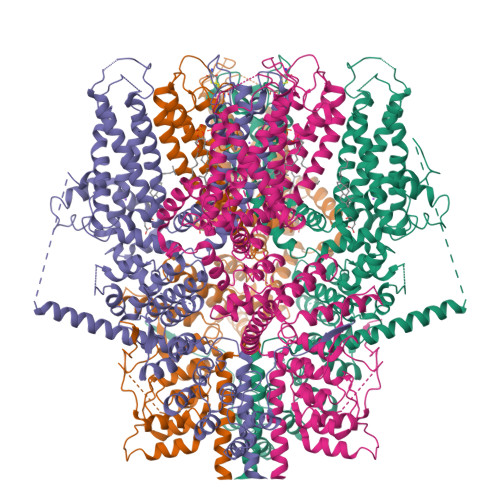 Click to view 3D structure | Short transient receptor potential channel 4 | Q9QUQ5 | Mus musculus | Predicted (SEA) | - Prediction Confidence Score
- 0.243
- Applicability Domain
- 0.367
- Statistical Significance
- 0.0889
- Supporting Reference Compounds
- 128
- E-value
- 692.391
|
 Click to view 3D structure | Prostaglandin G/H synthase 1 | P05979 | Ovis aries | Predicted (SEA) | - Prediction Confidence Score
- 0.236
- Applicability Domain
- 0.298 Low confidence
- Statistical Significance
- 0.0761
- Supporting Reference Compounds
- 106
- E-value
- 592.666
|
 Click to view 3D structure | Carbonic anhydrase 2 | P00918 | Humans | Predicted (SEA) | - Prediction Confidence Score
- 0.227
- Applicability Domain
- 0.467
- Statistical Significance
- 0.3109
- Supporting Reference Compounds
- 472
- E-value
- 2420.18
|

