1,3-Propanediol, 2-methylene- (CED0108644)

Record Information
Version1.0
Creation Date2026-04-03 23:04:10 UTC
Update Date2026-08-22 18:57:59 UTC
SynCED IDCED0108644
Secondary Accession Numbers
  • CHEM068932
Identification
Common Name1,3-Propanediol, 2-methylene-
ClassSmall Molecule
Description
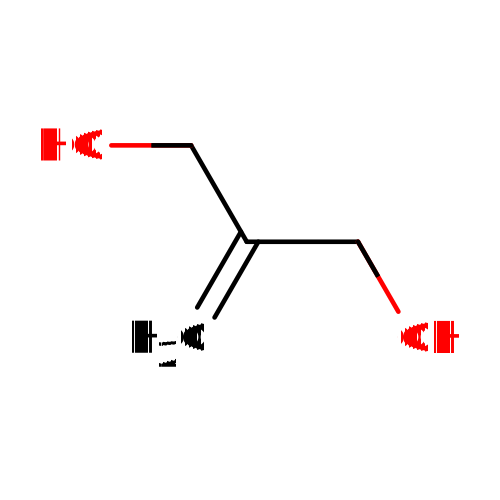
1,3-Propanediol, 2-methylene- (C4H8O2) is an organic compound with an average molecular weight of 88.11 g/mol. 1,3-Propanediol, 2-methylene- belongs to the alcohols and polyols, a subclass of organooxygen compounds within the organic compounds. This substance has been identified as being found in or released from one recorded source: electrical and electronic equipment, specifically communication cables or conductors. The compound is associated with several adverse health effects. These include hypertension (PMC11827045 , PMC8977348 ) and cancer (PMC11827045 ). Additionally, it is linked to diabetes mellitus (PMC8882803 ) and hyperactivity (PMC12430502 ). Exposure to 1,3-Propanediol, 2-methylene- is also associated with an increase in schizophrenia (PMC7112550 ).
Contaminant TypeNot Available
Chemical Structure
SynonymsNot Available
Chemical FormulaC4H8O2
Average Molecular Mass88.106 g/mol
Monoisotopic Mass88.052 g/mol
CAS Registry Number3513-81-3
IUPAC NameNot Available
Traditional NameNot Available
SMILESOCC(=C)CO
InChI IdentifierInChI=1S/C4H8O2/c1-4(2-5)3-6/h5-6H,1-3H2
InChI KeyJFFYKITVXPZLQS-UHFFFAOYSA-N
Chemical Taxonomy
ClassificationNot classified
Biological Properties
StatusDetected and Not Quantified
OriginNot Available
Cellular LocationsNot Available
Biofluid LocationsNot Available
Tissue LocationsNot Available
ApplicationsNot Available
Biological RolesNot Available
Chemical RolesNot Available
Organoleptic EffectsNot Available
Physical Properties
StateNot Available
AppearanceNot Available
Experimental Properties
PropertyValue
Melting PointNot Available
Boiling PointNot Available
SolubilityNot Available
Predicted PropertiesNot Available
Spectra
SpectraNot Available
Toxicity Profile
Toxicity Values
Toxicity ValueOrganismDose DescriptorRoute of ExposurePredicted or ExperimentalToxicity RatingReference
2472.0 Log mg/kg [1400:4400]RatLD50oralpredictedNot AvailableNot Available
Toxicity / Toxin ClassNot Available
Mechanism of ToxicityNot Available
Carcinogenicity (IARC Classification)Not Available
Minimum Risk LevelNot Available
SymptomsNot Available
TreatmentNot Available
Health Effects
Health EffectRelationshipDirectionDescriptionReference
hypertensionAssociated With?Not AvailableA disorder characterized by a pathological increase in blood pressure; a repeatedly elevation in the blood pressure exceeding 140 over 90 mm Hg. (NCI CTCAE)PMC11827045 , PMC8977348
cancerAssociated With?Not AvailableCancer is a group of diseases involving abnormal cell growth with the potential to invade or spread to other parts of the body. Possible signs and symptoms include a lump, abnormal bleeding, prolonged cough, unexplained weight loss, and a change in bowel movements. There are over 100 types of cancers affect humans. The risk of developing certain cancers can be reduced by not smoking, maintaining a healthy weight, not drinking too much alcohol, eating plenty of vegetables, fruits and whole grains, vaccination against certain infectious diseases, not eating too much processed and red meat and avoiding too much sunlight exposure. Cancer is often treated with some combination of radiation therapy, surgery, chemotherapy and targeted therapy. The majority of cancers, some 90–95% of cases, are due to genetic mutations from environmental and lifestyle factors. The remaining 5–10% are due to inherited genetics.PMC11827045
diabetes mellitusAssociated With?Not AvailableA glucose metabolism disease characterized by chronic hyperglycaemia with disturbances of carbohydrate, fat and protein metabolism resulting from defects in insulin secretion, insulin action, or both. (DO)PMC8882803
schizophreniaAssociated With?increaseA psychotic disorder that is characterized by a disintegration of thought processes and of emotional responsiveness. (DO)PMC7112550
hyperactivityAssociated With?Not AvailableA condition characterized by increased movement, impulsive actions, and a shorter attention span, and being easily distracted.PMC12430502
Exposure Sources
Source IDSourceSectorReference
CEDs000510Communication Cables Or Conductors?Communication cables or conductors are essential components in the transmission of data and signals in various applications, including telecommunications and networking.Electrical & Electronic EquipmentPubChem
CEDs000511Conductors Or Conductive Bodies Characterised By The Conductive Materials?Conductors, or conductive bodies, are materials that allow the flow of electrical current, typically made from metals such as copper, aluminum, or silver.Electrical & Electronic EquipmentPubChem
CEDs000519Electrodes?Electrodes, used in various electrical and electronic applications, can be a source of synthetic chemical contamination due to the materials from which they are constructed and the processes involved in their manufacturing.Electrical & Electronic EquipmentPubChem
CEDs000521Fixed Capacitors And Their Manufacture?Fixed capacitors are passive electronic components used to store and release electrical energy, playing a critical role in various circuits.Electrical & Electronic EquipmentPubChem
CEDs000545Food Preservation?Food preservation often involves the use of synthetic chemicals, such as preservatives, flavor enhancers, and color additives, to extend shelf life and enhance the sensory qualities of food products.Food, food processing & cookwarePubChem
CEDs000556Cigar Cigarettes?Cigar cigarettes are a source of synthetic chemical contamination due to the combustion of various tobacco blends and additives.Household cleaning & consumer productsPubChem
CEDs000561Perfumes Within Detergents And Soaps?Perfumes within detergents and soaps are synthetic fragrance compounds added to enhance the sensory experience of cleaning products.Household cleaning & consumer productsPubChem
CEDs000580Manufacture Preparation Of Tobacco Products?The manufacture and preparation of tobacco products involve various processes that can result in the introduction of synthetic chemicals into the environment.Industrial manufacturing & chemical processingPubChem
CEDs000581Paper Making Machines?Paper making machines utilize various synthetic chemicals throughout the production process, including additives, coatings, and bleaching agents.Industrial manufacturing & chemical processingPubChem
CEDs000610Aftersun Products?Aftersun products are designed to soothe and hydrate the skin after sun exposure, often containing various synthetic chemicals such as emollients, preservatives, and fragrances.Personal care & cosmeticsPubChem
CEDs000611Anti Perspirants Or Body Deoderants?Antiperspirants and body deodorants commonly contain synthetic chemicals such as aluminum compounds, parabens, and synthetic fragrances.Personal care & cosmeticsPubChem
CEDs000618Lip Makeup Products?Lip makeup products, such as lipsticks, lip glosses, and lip liners, often contain a variety of synthetic chemicals, including pigments, preservatives, and emollients.Personal care & cosmeticsPubChem
CEDs000625Racing Sports?Racing sports often utilize synthetic surfaces, such as polyurethane or rubberized tracks, to enhance performance and safety.Recreation & sports surfacesPubChem
CEDs000632Apparel?Apparel production often involves the use of various synthetic chemicals, including dyes, finishing agents, and preservatives.Textiles, leather & furnishingsPubChem
CEDs000638Decorating Textiles?Decorating textiles often involves the use of synthetic chemicals such as dyes, finishes, and coatings.Textiles, leather & furnishingsPubChem
CEDs000642Footwear?Footwear production often involves the use of various synthetic chemicals, such as adhesives, dyes, and treatments, which can contribute to environmental contamination.Textiles, leather & furnishingsPubChem
CEDs000659Transfer Printing?Transfer printing is a process used to apply designs and patterns onto various substrates, commonly utilizing synthetic dyes and inks that can contain hazardous chemicals.Textiles, leather & furnishingsPubChem
CEDs000662Yarns Or Threads?Yarns or threads used in textiles can be a source of synthetic chemical contamination due to the production processes and treatments they undergo.Textiles, leather & furnishingsPubChem
CEDs000678Nitrogenous Fertilisers?Nitrogenous fertilizers are synthetic chemical compounds primarily used to enhance plant growth by supplying essential nitrogen, a crucial nutrient for photosynthesis and protein synthesis.Agriculture & land managementPubChem
CEDs000696Nanotechnology?Nanotechnology involves the manipulation of materials at the molecular or atomic level, typically within the range of 1 to 100 nanometers.Industrial manufacturing & chemical processingPubChem
CEDs000727Printing Machines Or Presses?Printing machines or presses commonly utilize synthetic chemicals such as inks, solvents, and cleaning agents.Paper, pulp & fiber productsPubChem
CEDs000734Coating Compositions?Coating compositions, which include paints, sealants, and varnishes, are formulated with a variety of synthetic chemicals such as solvents, resins, pigments, and additives.Building & ConstructionPubChem
CEDs000739Inks?Inks are complex mixtures composed of pigments or dyes, solvents, resins, and additives used primarily for printing and writing applications.Paper, pulp & fiber productsPubChem
CEDs000740Paper?Paper production involves the processing of wood fibers and the use of various chemicals, which can lead to synthetic chemical contamination.Paper, pulp & fiber productsPubChem
CEDs000741Pigment Pastes?Pigment pastes are concentrated dispersions of pigments used to impart color and properties to materials.Paper, pulp & fiber productsPubChem
CEDs000744Water, Wastewater, & Sewage Treatment?Water, wastewater, and sewage treatment processes are critical for managing and mitigating pollutants in water systems.Wastewater, sanitation & biosolidsPubChem
Pathways
0 pathwaysPathway Source: PathBank

No pathways found

No metabolic pathways have been associated with this synthetic chemical

Targets
StructureProteinUniProt IDOrganismRelationshipDetails
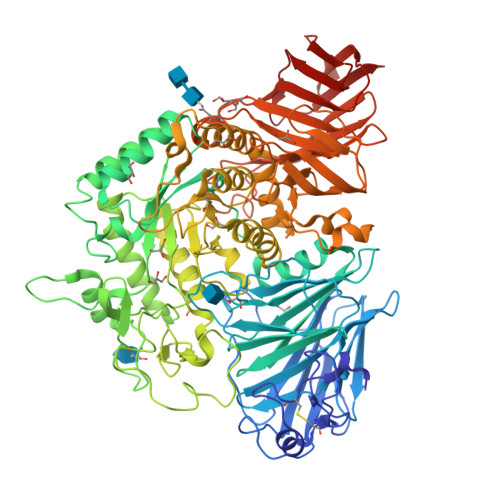
Click to view 3D structureAsc-type amino acid transporter 1P63116RatPredicted (SEA)
Prediction Confidence Score
0.143
Applicability Domain
0.143 Low confidence
Statistical Significance
0.0085
Supporting Reference Compounds
2
E-value
66.5611
Click to view 3D structureNeutral alpha-glucosidase CQ8TET4HumansPredicted (SEA)
Prediction Confidence Score
0.143
Applicability Domain
0.143 Low confidence
Statistical Significance
0.0015
Supporting Reference Compounds
1
E-value
11.9109
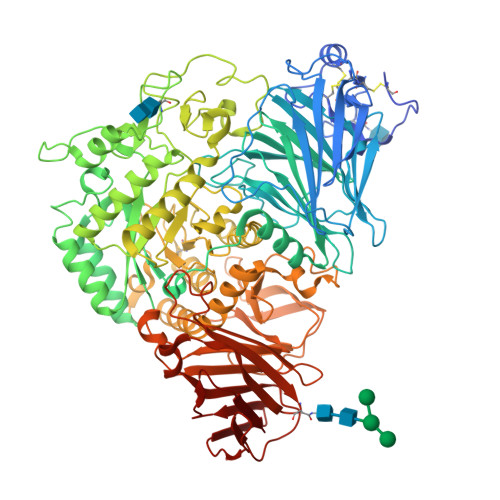
Click to view 3D structureAlpha-galactosidase AD3ZJF9Rattus norvegicusPredicted (SEA)
Prediction Confidence Score
0.143
Applicability Domain
0.143 Low confidence
Statistical Significance
0.0015
Supporting Reference Compounds
1
E-value
11.9109
Click to view 3D structureLysosomal alpha-glucosidaseQ6P7A9Rattus norvegicusPredicted (SEA)
Prediction Confidence Score
0.136
Applicability Domain
0.143 Low confidence
Statistical Significance
0.0175
Supporting Reference Compounds
21
E-value
136.314
Alpha-glucosidase MAL62 structureClick to view 3D structureAlpha-glucosidase MAL62P07265Saccharomyces cerevisiaePredicted (SEA)
Prediction Confidence Score
0.135
Applicability Domain
0.15 Low confidence
Statistical Significance
0.0016
Supporting Reference Compounds
2
E-value
12.378
Maltase-glucoamylase structureClick to view 3D structureMaltase-glucoamylaseO43451HumansPredicted (SEA)
Prediction Confidence Score
0.135
Applicability Domain
0.143 Low confidence
Statistical Significance
0.3224
Supporting Reference Compounds
30
E-value
2509.7
Click to view 3D structureBeta-galactosidaseD3ZUM4Rattus norvegicusPredicted (SEA)
Prediction Confidence Score
0.131
Applicability Domain
0.15 Low confidence
Statistical Significance
0.0022
Supporting Reference Compounds
2
E-value
16.9711
Click to view 3D structureLactase/phlorizin hydrolaseQ02401Rattus norvegicusPredicted (SEA)
Prediction Confidence Score
0.128
Applicability Domain
0.15 Low confidence
Statistical Significance
0.003
Supporting Reference Compounds
7
E-value
23.6662
Replicase polyprotein 1ab structureClick to view 3D structureReplicase polyprotein 1abP0DTD1SARS-CoV-2Predicted (SEA)
Prediction Confidence Score
0.123
Applicability Domain
0.136 Low confidence
Statistical Significance
0.9985
Supporting Reference Compounds
215
E-value
7772.93
Click to view 3D structureGlucoamylase, intracellular sporulation-specificP08019Saccharomyces cerevisiae S288cPredicted (SEA)
Prediction Confidence Score
0.123
Applicability Domain
0.125 Low confidence
Statistical Significance
0.0028
Supporting Reference Compounds
2
E-value
21.6421
Click to view 3D structureSucrase-isomaltase, intestinalP23739Rattus norvegicusPredicted (SEA)
Prediction Confidence Score
0.122
Applicability Domain
0.143 Low confidence
Statistical Significance
0.0592
Supporting Reference Compounds
25
E-value
460.712
Click to view 3D structureAminodeoxyfutalosine synthaseQ5SK48Thermus thermophilus (strain HB8 / ATCC 27634 / DSM 579)Predicted (SEA)
Prediction Confidence Score
0.121
Applicability Domain
0.121 Low confidence
Statistical Significance
0.3484
Supporting Reference Compounds
1
E-value
2712.34
Click to view 3D structureAlpha-galactosidaseQ42656Coffea arabicaPredicted (SEA)
Prediction Confidence Score
0.12
Applicability Domain
0.15 Low confidence
Statistical Significance
0.0994
Supporting Reference Compounds
12
E-value
773.977
Lysosomal alpha-glucosidase structureClick to view 3D structureLysosomal alpha-glucosidaseP10253HumansPredicted (SEA)
Prediction Confidence Score
0.12
Applicability Domain
0.143 Low confidence
Statistical Significance
0.2206
Supporting Reference Compounds
21
E-value
1717.35
Click to view 3D structureBeta-galactosidaseQ58D55Bos taurusPredicted (SEA)
Prediction Confidence Score
0.119
Applicability Domain
0.15 Low confidence
Statistical Significance
0.3185
Supporting Reference Compounds
18
E-value
2479.5
Click to view 3D structureGlycogen debranching enzymeP35573HumansPredicted (SEA)
Prediction Confidence Score
0.118
Applicability Domain
0.15 Low confidence
Statistical Significance
0.0141
Supporting Reference Compounds
8
E-value
109.923
Monoglyceride lipase structureClick to view 3D structureMonoglyceride lipaseQ99685HumansPredicted (SEA)
Prediction Confidence Score
0.118
Applicability Domain
0.136 Low confidence
Statistical Significance
0.9851
Supporting Reference Compounds
76
E-value
7669.08
Lysosomal acid glucosylceramidase structureClick to view 3D structureLysosomal acid glucosylceramidaseP04062HumansPredicted (SEA)
Prediction Confidence Score
0.116
Applicability Domain
0.15 Low confidence
Statistical Significance
0.914
Supporting Reference Compounds
35
E-value
7115.73
Peroxisomal N(1)-acetyl-spermine/spermidine oxidase structureClick to view 3D structurePeroxisomal N(1)-acetyl-spermine/spermidine oxidaseQ8C0L6Mus musculusPredicted (SEA)
Prediction Confidence Score
0.116
Applicability Domain
0.125 Low confidence
Statistical Significance
0.0017
Supporting Reference Compounds
2
E-value
13.1565
Click to view 3D structureAlpha-galactosidase CQ9UUZ4Aspergillus nigerPredicted (SEA)
Prediction Confidence Score
0.115
Applicability Domain
0.115 Low confidence
Statistical Significance
0.0051
Supporting Reference Compounds
1
E-value
39.5474
Click to view 3D structureSodium- and chloride-dependent creatine transporter 1P28570Rattus norvegicusPredicted (SEA)
Prediction Confidence Score
0.115
Applicability Domain
0.115 Low confidence
Statistical Significance
0.0147
Supporting Reference Compounds
1
E-value
114.283
Click to view 3D structureNon-lysosomal glucosylceramidaseQ9HCG7HumansPredicted (SEA)
Prediction Confidence Score
0.113
Applicability Domain
0.15 Low confidence
Statistical Significance
0.3554
Supporting Reference Compounds
21
E-value
2767.15
Sucrase-isomaltase, intestinal structureClick to view 3D structureSucrase-isomaltase, intestinalP14410HumansPredicted (SEA)
Prediction Confidence Score
0.113
Applicability Domain
0.12 Low confidence
Statistical Significance
0.2329
Supporting Reference Compounds
14
E-value
1813.26
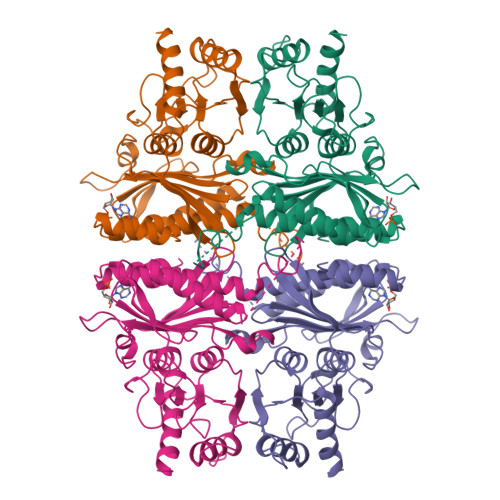
Fructose-1,6-bisphosphatase 1 structureClick to view 3D structureFructose-1,6-bisphosphatase 1P09467HumansPredicted (SEA)
Prediction Confidence Score
0.113
Applicability Domain
0.136 Low confidence
Statistical Significance
0.8769
Supporting Reference Compounds
28
E-value
6826.52
Click to view 3D structureUncharacterized proteinI3LIR5Sus scrofaPredicted (SEA)
Prediction Confidence Score
0.112
Applicability Domain
0.12 Low confidence
Statistical Significance
0.0037
Supporting Reference Compounds
2
E-value
28.5707
Concentrations
Not Available
External Links
IdentifiersNot Available
References
Synthesis ReferenceNot Available
MSDSNot Available
General ReferencesNot Available