 Click to view 3D structure | Sarcoplasmic/endoplasmic reticulum calcium ATPase 2 | P11507 | Rattus norvegicus | Predicted (SEA) | - Prediction Confidence Score
- 0.478
- Applicability Domain
- 0.478
- Statistical Significance
- 3.00e-05
- Supporting Reference Compounds
- 1
- E-value
- 0.233548
|
 Click to view 3D structure | Estrogen receptor beta | Q92731 | Humans | Predicted (SEA) | - Prediction Confidence Score
- 0.44
- Applicability Domain
- 0.652
- Statistical Significance
- 8.90e-04
- Supporting Reference Compounds
- 174
- E-value
- 6.92858
|
 Click to view 3D structure | Nuclear receptor ROR-gamma | P51449 | Humans | Predicted (SEA) | - Prediction Confidence Score
- 0.399
- Applicability Domain
- 0.652
- Statistical Significance
- 0.0034
- Supporting Reference Compounds
- 102
- E-value
- 26.2352
|
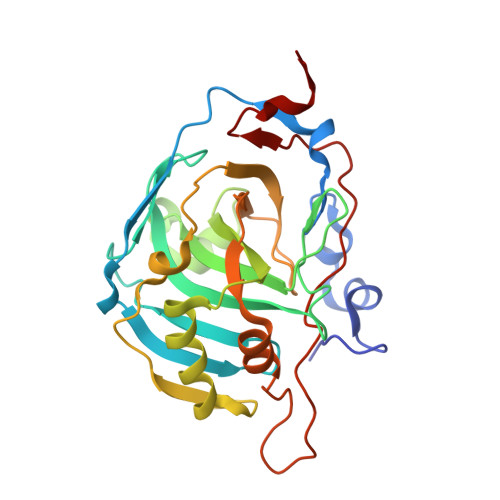 Click to view 3D structure | Carbonic anhydrase 3 | P07451 | Humans | Predicted (SEA) | - Prediction Confidence Score
- 0.397
- Applicability Domain
- 0.526
- Statistical Significance
- 3.60e-04
- Supporting Reference Compounds
- 64
- E-value
- 2.80257
|
 Click to view 3D structure | Carbonic anhydrase 2 | P00918 | Humans | Predicted (SEA) | - Prediction Confidence Score
- 0.394
- Applicability Domain
- 0.526
- Statistical Significance
- 0.0082
- Supporting Reference Compounds
- 472
- E-value
- 64.2256
|
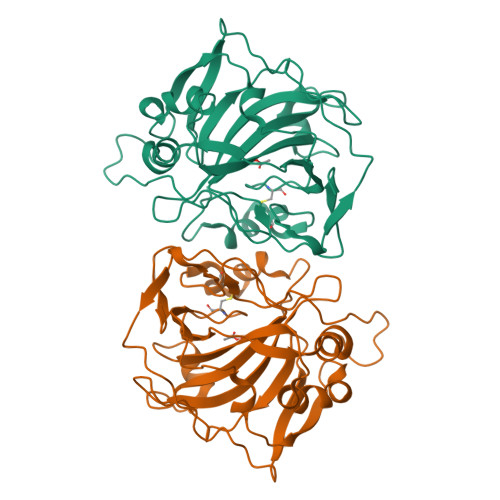 Click to view 3D structure | Carbonic anhydrase 12 | O43570 | Humans | Predicted (SEA) | - Prediction Confidence Score
- 0.394
- Applicability Domain
- 0.526
- Statistical Significance
- 0.0062
- Supporting Reference Compounds
- 332
- E-value
- 48.3444
|
 Click to view 3D structure | Estrogen receptor | P03372 | Humans | Predicted (SEA) | - Prediction Confidence Score
- 0.369
- Applicability Domain
- 0.478
- Statistical Significance
- 0.0043
- Supporting Reference Compounds
- 201
- E-value
- 33.6309
|
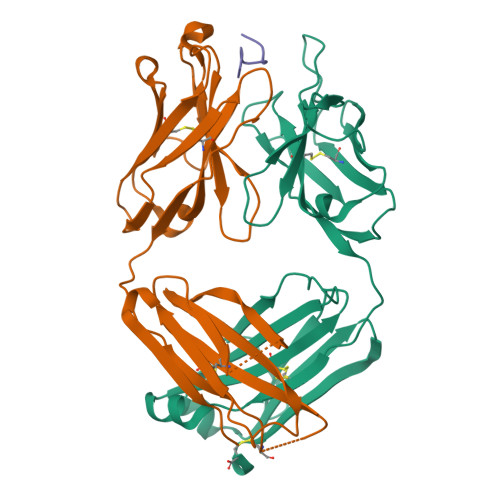 Click to view 3D structure | Carbonic anhydrase 9 | Q16790 | Humans | Predicted (SEA) | - Prediction Confidence Score
- 0.355
- Applicability Domain
- 0.526
- Statistical Significance
- 0.012
- Supporting Reference Compounds
- 372
- E-value
- 93.7305
|
| Click to view 3D structure | Lignostilbene alpha, beta-dioxygenase | O87171 | Sphingomonas paucimobilis | Predicted (SEA) | - Prediction Confidence Score
- 0.355
- Applicability Domain
- 0.355
- Statistical Significance
- 9.00e-05
- Supporting Reference Compounds
- 1
- E-value
- 0.700643
|
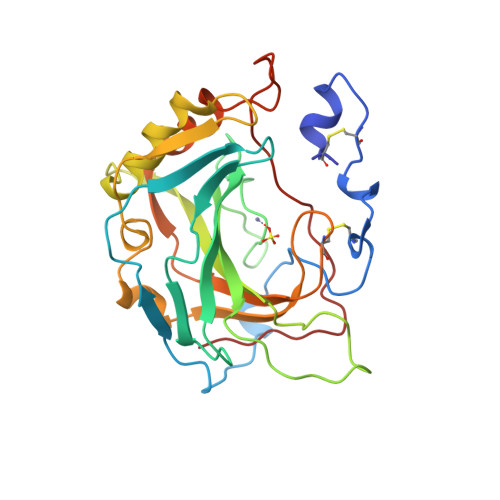 Click to view 3D structure | Carbonic anhydrase 4 | P22748 | Humans | Predicted (SEA) | - Prediction Confidence Score
- 0.355
- Applicability Domain
- 0.526
- Statistical Significance
- 0.0056
- Supporting Reference Compounds
- 193
- E-value
- 43.7513
|
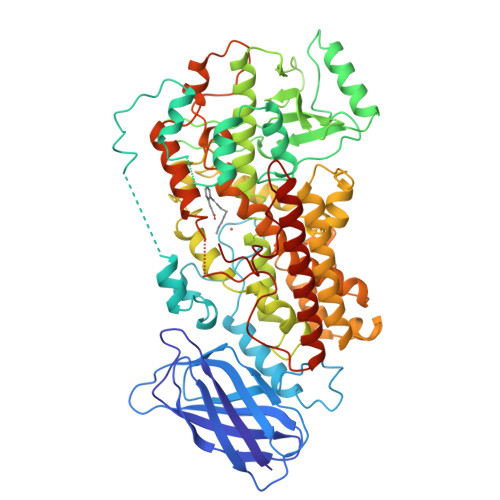 Click to view 3D structure | Polyunsaturated fatty acid lipoxygenase ALOX15 | P12530 | Oryctolagus cuniculus | Predicted (SEA) | - Prediction Confidence Score
- 0.345
- Applicability Domain
- 0.478
- Statistical Significance
- 3.50e-04
- Supporting Reference Compounds
- 47
- E-value
- 2.72472
|
| Click to view 3D structure | Carbonic anhydrase 5B, mitochondrial | Q9Y2D0 | Humans | Predicted (SEA) | - Prediction Confidence Score
- 0.317
- Applicability Domain
- 0.36
- Statistical Significance
- 0.009
- Supporting Reference Compounds
- 157
- E-value
- 69.8307
|
| Click to view 3D structure | Carbonic anhydrase | Q2PCB5 | Dicentrarchus labrax | Predicted (SEA) | - Prediction Confidence Score
- 0.315
- Applicability Domain
- 0.444
- Statistical Significance
- 1.70e-04
- Supporting Reference Compounds
- 9
- E-value
- 1.32344
|
| Click to view 3D structure | Carbonic anhydrase 5A, mitochondrial | P35218 | Humans | Predicted (SEA) | - Prediction Confidence Score
- 0.311
- Applicability Domain
- 0.36
- Statistical Significance
- 0.013
- Supporting Reference Compounds
- 165
- E-value
- 100.97
|
 Click to view 3D structure | Carbonic anhydrase 1 | P00915 | Humans | Predicted (SEA) | - Prediction Confidence Score
- 0.311
- Applicability Domain
- 0.36
- Statistical Significance
- 0.0306
- Supporting Reference Compounds
- 407
- E-value
- 237.985
|
 Click to view 3D structure | Large T antigen | P03070 | Simian virus 40 | Predicted (SEA) | - Prediction Confidence Score
- 0.308
- Applicability Domain
- 0.444
- Statistical Significance
- 0.0022
- Supporting Reference Compounds
- 78
- E-value
- 16.8154
|
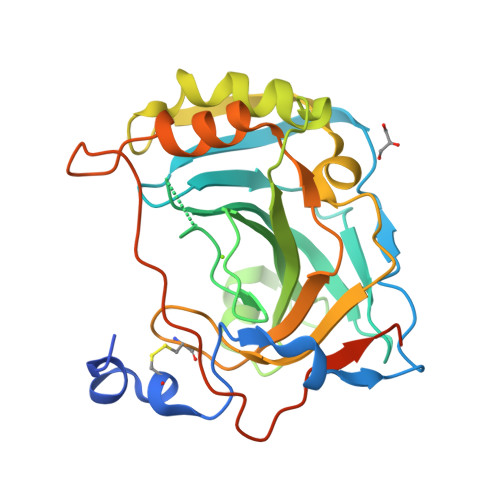 Click to view 3D structure | Carbonic anhydrase 6 | P23280 | Humans | Predicted (SEA) | - Prediction Confidence Score
- 0.307
- Applicability Domain
- 0.36
- Statistical Significance
- 0.0102
- Supporting Reference Compounds
- 151
- E-value
- 79.6398
|
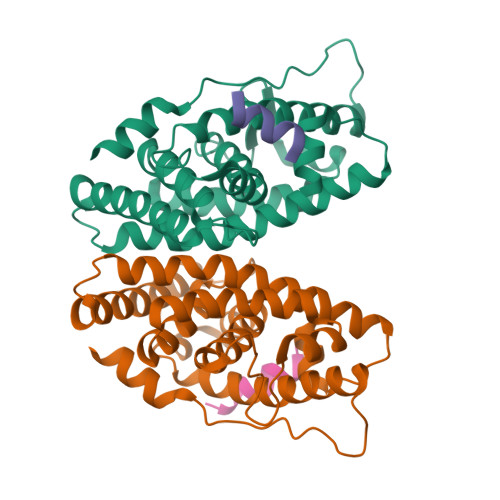 Click to view 3D structure | Estrogen-related receptor gamma | P62508 | Humans | Predicted (SEA) | - Prediction Confidence Score
- 0.306
- Applicability Domain
- 0.478
- Statistical Significance
- 9.20e-04
- Supporting Reference Compounds
- 18
- E-value
- 7.16213
|
| Click to view 3D structure | Tyrosinase | O42713 | Agaricus bisporus | Predicted (SEA) | - Prediction Confidence Score
- 0.306
- Applicability Domain
- 0.444
- Statistical Significance
- 0.0015
- Supporting Reference Compounds
- 39
- E-value
- 11.5217
|
 Click to view 3D structure | 5-hydroxytryptamine receptor 6 | P50406 | Humans | Predicted (SEA) | - Prediction Confidence Score
- 0.302
- Applicability Domain
- 0.478
- Statistical Significance
- 0.0437
- Supporting Reference Compounds
- 536
- E-value
- 340.357
|
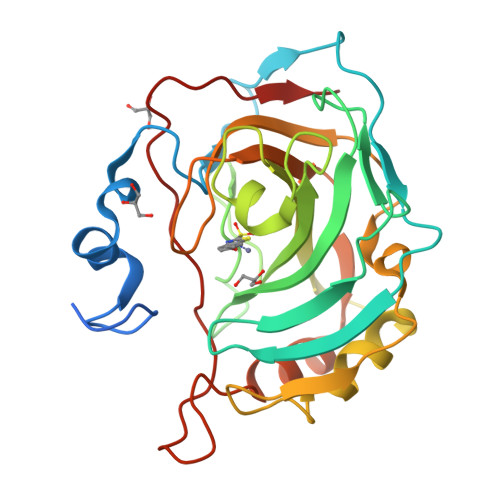 Click to view 3D structure | Carbonic anhydrase 7 | P43166 | Humans | Predicted (SEA) | - Prediction Confidence Score
- 0.301
- Applicability Domain
- 0.36
- Statistical Significance
- 0.0202
- Supporting Reference Compounds
- 242
- E-value
- 157.022
|
 Click to view 3D structure | Amine oxidase [flavin-containing] B | P27338 | Humans | Predicted (SEA) | - Prediction Confidence Score
- 0.297
- Applicability Domain
- 0.333
- Statistical Significance
- 0.0369
- Supporting Reference Compounds
- 315
- E-value
- 287.419
|
 Click to view 3D structure | Glycogen synthase kinase-3 beta | P49841 | Humans | Predicted (SEA) | - Prediction Confidence Score
- 0.296
- Applicability Domain
- 0.478
- Statistical Significance
- 0.1404
- Supporting Reference Compounds
- 1157
- E-value
- 1093.0
|
 Click to view 3D structure | Muscarinic acetylcholine receptor M1 | P11229 | Humans | Predicted (SEA) | - Prediction Confidence Score
- 0.294
- Applicability Domain
- 0.366
- Statistical Significance
- 0.0359
- Supporting Reference Compounds
- 385
- E-value
- 279.712
|
 Click to view 3D structure | Cytochrome b-c1 complex subunit 7 | P14927 | Humans | Predicted (SEA) | - Prediction Confidence Score
- 0.294
- Applicability Domain
- 0.306
- Statistical Significance
- 0.0016
- Supporting Reference Compounds
- 2
- E-value
- 12.4559
|

