4-Imidazolidinone, 2-thioxo- (CED0095406)

Record Information
Version1.0
Creation Date2026-04-04 02:21:54 UTC
Update Date2026-08-22 12:54:27 UTC
SynCED IDCED0095406
Secondary Accession Numbers
  • CHEM070696
Identification
Common Name4-Imidazolidinone, 2-thioxo-
ClassSmall Molecule
Description
4-Imidazolidinone, 2-thioxo- belongs to the amino acids, peptides, and analogues, a subclass of carboxylic acids and derivatives within the organic compounds. This compound has the formula C3H4N2O1S1 and an average molecular weight of 116.14 g/mol.
Contaminant TypeNot Available
Chemical Structure
SynonymsNot Available
Chemical FormulaC3H4N2O1S1
Average Molecular Mass116.140 g/mol
Monoisotopic Mass116.004 g/mol
CAS Registry Number503-87-7
IUPAC NameNot Available
Traditional NameNot Available
SMILESO=C1CNC(=S)N1
InChI IdentifierInChI=1S/C3H4N2OS/c6-2-1-4-3(7)5-2/h1H2,(H2,4,5,6,7)
InChI KeyUGWULZWUXSCWPX-UHFFFAOYSA-N
Chemical Taxonomy
ClassificationNot classified
Biological Properties
StatusDetected and Not Quantified
OriginNot Available
Cellular LocationsNot Available
Biofluid LocationsNot Available
Tissue LocationsNot Available
ApplicationsNot Available
Biological RolesNot Available
Chemical RolesNot Available
Organoleptic EffectsNot Available
Physical Properties
StateNot Available
AppearanceNot Available
Experimental Properties
PropertyValue
Melting PointNot Available
Boiling PointNot Available
SolubilityNot Available
Predicted PropertiesNot Available
Spectra
Spectra
Spectrum TypeDescriptionSplash KeyDeposition DateView
Predicted GC-MSPredicted GC-MS Spectrumsplash10-05ox-9200000000-39687519a80ad5d4e4eeNot AvailableView Spectrum
Predicted GC-MSPredicted GC-MS SpectrumNot AvailableNot AvailableView Spectrum
Predicted LC-MS/MSPredicted LC-MS/MS Spectrumsplash10-014i-0900000000-6b4723db4c00a56666c5Not AvailableView Spectrum
Predicted LC-MS/MSPredicted LC-MS/MS Spectrumsplash10-01bi-9400000000-c123c47d60a98cc7d0d5Not AvailableView Spectrum
Predicted LC-MS/MSPredicted LC-MS/MS Spectrumsplash10-00di-9000000000-5dbccd62af06822bcbd7Not AvailableView Spectrum
Predicted LC-MS/MSPredicted LC-MS/MS Spectrumsplash10-03di-2900000000-1e883f31e20659aa82e5Not AvailableView Spectrum
Predicted LC-MS/MSPredicted LC-MS/MS Spectrumsplash10-0bt9-9300000000-5f65c54345785236ce42Not AvailableView Spectrum
Predicted LC-MS/MSPredicted LC-MS/MS Spectrumsplash10-0a4l-9000000000-fcc7ce68f0cc93a05b65Not AvailableView Spectrum
1D NMR13C NMR Spectrum (1D, D2O, predicted)Not AvailableNot AvailableView Spectrum
1D NMR1H NMR Spectrum (1D, D2O, predicted)Not AvailableNot AvailableView Spectrum
Toxicity Profile
Toxicity Values
Toxicity ValueOrganismDose DescriptorRoute of ExposurePredicted or ExperimentalToxicity RatingReference
274.0 Log mg/kg [150:490]RatLD50oralpredictedNot AvailableNot Available
Toxicity / Toxin ClassNot Available
Mechanism of ToxicityNot Available
Carcinogenicity (IARC Classification)Not Available
Minimum Risk LevelNot Available
SymptomsNot Available
TreatmentNot Available
Health Effects
Health EffectRelationshipDirectionDescriptionReference
Exposure Sources
Source IDSourceSectorReference
CEDs000010Insecticides?Insecticides are synthetic chemicals designed to control or eliminate insect pests that threaten crops and other agricultural products.Agriculture & land managementPubChem
CEDs000181Ballast water?Ballast water, taken on by ships to maintain stability and balance, often contains a diverse array of microorganisms, including bacteria, viruses, and plankton.Marine, shipping & aquaculturePubChem
CEDs000182Bilge water?Bilge water is a byproduct generated from the accumulation of water in the lowest part of a ship's hull, which may include a mixture of seawater, oil, fuel residues, and various contaminants.Marine, shipping & aquaculturePubChem
CEDs000511Conductors Or Conductive Bodies Characterised By The Conductive Materials?Conductors, or conductive bodies, are materials that allow the flow of electrical current, typically made from metals such as copper, aluminum, or silver.Electrical & Electronic EquipmentPubChem
CEDs000519Electrodes?Electrodes, used in various electrical and electronic applications, can be a source of synthetic chemical contamination due to the materials from which they are constructed and the processes involved in their manufacturing.Electrical & Electronic EquipmentPubChem
CEDs000596Acaricides?Acaricides are synthetic chemicals specifically designed to target and control mite populations that can damage crops and plants.Agriculture & land managementPubChem
CEDs000600Herbicides And Algicides?Herbicides and algicides are synthetic chemicals primarily used to control unwanted plants and algae in various environments.Agriculture & land managementPubChem
CEDs000606Plant Growth Regulators?Plant Growth Regulators (PGRs) are synthetic chemicals designed to influence the growth and development of plants.Agriculture & land managementPubChem
CEDs000611Anti Perspirants Or Body Deoderants?Antiperspirants and body deodorants commonly contain synthetic chemicals such as aluminum compounds, parabens, and synthetic fragrances.Personal care & cosmeticsPubChem
CEDs000613Depilatories?Depilatories are products designed to remove unwanted hair through the application of synthetic chemicals that break down the protein structure of hair, facilitating its removal.Personal care & cosmeticsPubChem
CEDs000615Eye Makeup Products?Eye makeup products, including mascaras, eyeliners, and eyeshadows, often contain a variety of synthetic chemicals such as pigments, preservatives, and film-forming agents.Personal care & cosmeticsPubChem
CEDs000618Lip Makeup Products?Lip makeup products, such as lipsticks, lip glosses, and lip liners, often contain a variety of synthetic chemicals, including pigments, preservatives, and emollients.Personal care & cosmeticsPubChem
CEDs000632Apparel?Apparel production often involves the use of various synthetic chemicals, including dyes, finishing agents, and preservatives.Textiles, leather & furnishingsPubChem
CEDs000678Nitrogenous Fertilisers?Nitrogenous fertilizers are synthetic chemical compounds primarily used to enhance plant growth by supplying essential nitrogen, a crucial nutrient for photosynthesis and protein synthesis.Agriculture & land managementPubChem
CEDs000679Phosphatic Fertilisers?Phosphatic fertilizers are synthetic chemical products primarily composed of phosphorus, which is essential for plant growth.Agriculture & land managementPubChem
CEDs000686Clay Wares?Clay wares are ceramic products made from natural clay, often utilized in various construction applications such as tiles, bricks, and sanitary ware.Building & ConstructionPubChem
CEDs000688Glass Coatings?Glass coatings are synthetic chemical formulations applied to glass surfaces to enhance properties such as durability, UV resistance, and aesthetic appeal.Building & ConstructionPubChem
CEDs000696Nanotechnology?Nanotechnology involves the manipulation of materials at the molecular or atomic level, typically within the range of 1 to 100 nanometers.Industrial manufacturing & chemical processingPubChem
CEDs000727Printing Machines Or Presses?Printing machines or presses commonly utilize synthetic chemicals such as inks, solvents, and cleaning agents.Paper, pulp & fiber productsPubChem
CEDs000735Explosives?Explosives are chemical compounds or mixtures designed to undergo rapid decomposition, releasing energy in the form of gas and heat.Defense & military infrastructurePubChem
CEDs000737Chemical Igniters?Chemical igniters are substances or devices designed to initiate combustion in various applications, often found in products like lighters, candles, and certain household cleaning agents.Household itemsPubChem
CEDs000739Inks?Inks are complex mixtures composed of pigments or dyes, solvents, resins, and additives used primarily for printing and writing applications.Paper, pulp & fiber productsPubChem
CEDs000740Paper?Paper production involves the processing of wood fibers and the use of various chemicals, which can lead to synthetic chemical contamination.Paper, pulp & fiber productsPubChem
CEDs000744Water, Wastewater, & Sewage Treatment?Water, wastewater, and sewage treatment processes are critical for managing and mitigating pollutants in water systems.Wastewater, sanitation & biosolidsPubChem
Pathways
0 pathwaysPathway Source: PathBank

No pathways found

No metabolic pathways have been associated with this synthetic chemical

Targets
StructureProteinUniProt IDOrganismRelationshipDetails
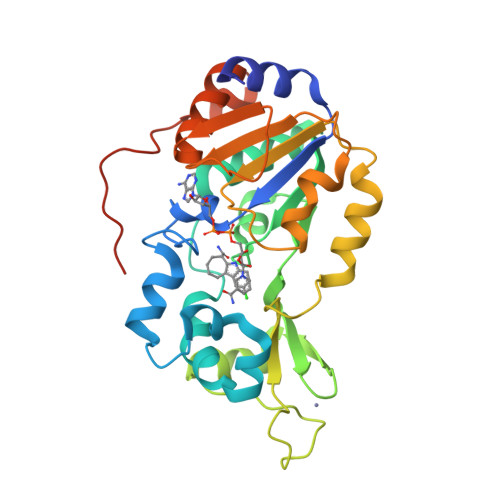
Click to view 3D structureUDP-glucose 6-dehydrogenaseO70199Rattus norvegicusPredicted (SEA)
Prediction Confidence Score
0.207
Applicability Domain
0.207 Low confidence
Statistical Significance
3.00e-05
Supporting Reference Compounds
1
E-value
0.233548
UDP-glucose 6-dehydrogenase structureClick to view 3D structureUDP-glucose 6-dehydrogenaseP0C0F4Streptococcus pyogenesPredicted (SEA)
Prediction Confidence Score
0.207
Applicability Domain
0.207 Low confidence
Statistical Significance
3.00e-05
Supporting Reference Compounds
1
E-value
0.233548
Protein cereblon structureClick to view 3D structureProtein cereblonQ96SW2HumansPredicted (SEA)
Prediction Confidence Score
0.183
Applicability Domain
0.229 Low confidence
Statistical Significance
0.0657
Supporting Reference Compounds
23
E-value
511.547
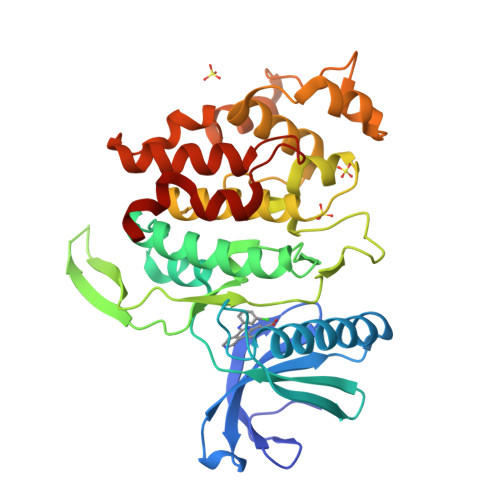
Dual specificity protein kinase CLK4 structureClick to view 3D structureDual specificity protein kinase CLK4Q9HAZ1HumansPredicted (SEA)
Prediction Confidence Score
0.174
Applicability Domain
0.188 Low confidence
Statistical Significance
0.947
Supporting Reference Compounds
742
E-value
7372.4
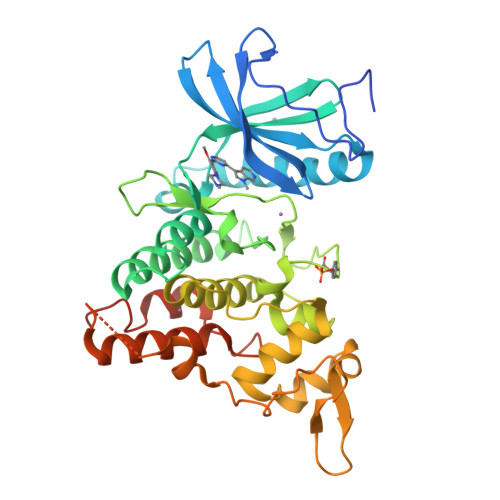
Serine/threonine-protein kinase pim-1 structureClick to view 3D structureSerine/threonine-protein kinase pim-1P11309HumansPredicted (SEA)
Prediction Confidence Score
0.172
Applicability Domain
0.188 Low confidence
Statistical Significance
0.9636
Supporting Reference Compounds
967
E-value
7501.55
Dual specificity tyrosine-phosphorylation-regulated kinase 1A structureClick to view 3D structureDual specificity tyrosine-phosphorylation-regulated kinase 1AQ13627HumansPredicted (SEA)
Prediction Confidence Score
0.171
Applicability Domain
0.188 Low confidence
Statistical Significance
0.9625
Supporting Reference Compounds
906
E-value
7492.75
Epidermal growth factor receptor structureClick to view 3D structureEpidermal growth factor receptorP00533HumansPredicted (SEA)
Prediction Confidence Score
0.171
Applicability Domain
0.188 Low confidence
Statistical Significance
0.9792
Supporting Reference Compounds
1301
E-value
7622.92
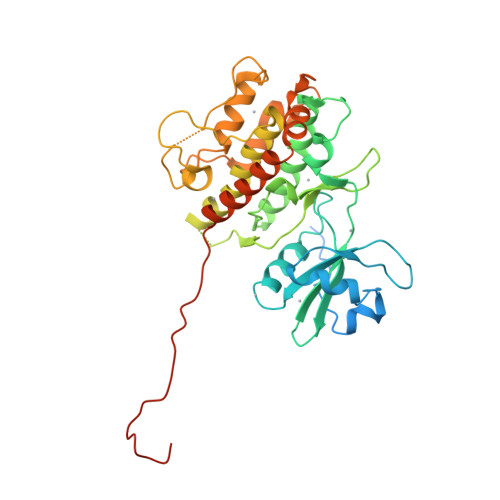
Dual specificity protein kinase CLK1 structureClick to view 3D structureDual specificity protein kinase CLK1P49759HumansPredicted (SEA)
Prediction Confidence Score
0.171
Applicability Domain
0.188 Low confidence
Statistical Significance
0.8913
Supporting Reference Compounds
268
E-value
6938.39
Glycogen synthase kinase-3 beta structureClick to view 3D structureGlycogen synthase kinase-3 betaP49841HumansPredicted (SEA)
Prediction Confidence Score
0.17
Applicability Domain
0.189 Low confidence
Statistical Significance
0.9756
Supporting Reference Compounds
1157
E-value
7594.89
Dual specificity tyrosine-phosphorylation-regulated kinase 2 structureClick to view 3D structureDual specificity tyrosine-phosphorylation-regulated kinase 2Q92630HumansPredicted (SEA)
Prediction Confidence Score
0.169
Applicability Domain
0.188 Low confidence
Statistical Significance
0.8694
Supporting Reference Compounds
196
E-value
6768.52
CDGSH iron-sulfur domain-containing protein 1 structureClick to view 3D structureCDGSH iron-sulfur domain-containing protein 1Q9NZ45HumansPredicted (SEA)
Prediction Confidence Score
0.168
Applicability Domain
0.189 Low confidence
Statistical Significance
0.1076
Supporting Reference Compounds
22
E-value
837.891
Amine oxidase [flavin-containing] B structureClick to view 3D structureAmine oxidase [flavin-containing] BP27338HumansPredicted (SEA)
Prediction Confidence Score
0.167
Applicability Domain
0.174 Low confidence
Statistical Significance
0.8714
Supporting Reference Compounds
315
E-value
6783.78
Dual specificity tyrosine-phosphorylation-regulated kinase 1B structureClick to view 3D structureDual specificity tyrosine-phosphorylation-regulated kinase 1BQ9Y463HumansPredicted (SEA)
Prediction Confidence Score
0.167
Applicability Domain
0.188 Low confidence
Statistical Significance
0.9394
Supporting Reference Compounds
377
E-value
7313.08
Vascular endothelial growth factor receptor 2 structureClick to view 3D structureVascular endothelial growth factor receptor 2P35968HumansPredicted (SEA)
Prediction Confidence Score
0.167
Applicability Domain
0.184 Low confidence
Statistical Significance
0.9806
Supporting Reference Compounds
1660
E-value
7633.74
Click to view 3D structureZinc finger protein AiolosQ9UKT9HumansPredicted (SEA)
Prediction Confidence Score
0.167
Applicability Domain
0.229 Low confidence
Statistical Significance
0.0526
Supporting Reference Compounds
9
E-value
409.72
NAD-dependent protein deacetylase sirtuin-1 structureClick to view 3D structureNAD-dependent protein deacetylase sirtuin-1Q96EB6HumansPredicted (SEA)
Prediction Confidence Score
0.166
Applicability Domain
0.19 Low confidence
Statistical Significance
0.3971
Supporting Reference Compounds
34
E-value
3091.08
Amine oxidase [flavin-containing] A structureClick to view 3D structureAmine oxidase [flavin-containing] AP21397HumansPredicted (SEA)
Prediction Confidence Score
0.164
Applicability Domain
0.174 Low confidence
Statistical Significance
0.8831
Supporting Reference Compounds
241
E-value
6874.86
RAC-alpha serine/threonine-protein kinase structureClick to view 3D structureRAC-alpha serine/threonine-protein kinaseP31749HumansPredicted (SEA)
Prediction Confidence Score
0.163
Applicability Domain
0.184 Low confidence
Statistical Significance
0.9803
Supporting Reference Compounds
797
E-value
7631.4
RAC-beta serine/threonine-protein kinase structureClick to view 3D structureRAC-beta serine/threonine-protein kinaseP31751HumansPredicted (SEA)
Prediction Confidence Score
0.163
Applicability Domain
0.184 Low confidence
Statistical Significance
0.9685
Supporting Reference Compounds
631
E-value
7539.85
Ribosomal protein S6 kinase beta-1 structureClick to view 3D structureRibosomal protein S6 kinase beta-1P23443HumansPredicted (SEA)
Prediction Confidence Score
0.163
Applicability Domain
0.184 Low confidence
Statistical Significance
0.9705
Supporting Reference Compounds
590
E-value
7555.58
MAP kinase-activated protein kinase 2 structureClick to view 3D structureMAP kinase-activated protein kinase 2P49137HumansPredicted (SEA)
Prediction Confidence Score
0.163
Applicability Domain
0.184 Low confidence
Statistical Significance
0.9693
Supporting Reference Compounds
679
E-value
7545.77
Mitogen-activated protein kinase 1 structureClick to view 3D structureMitogen-activated protein kinase 1P28482HumansPredicted (SEA)
Prediction Confidence Score
0.163
Applicability Domain
0.184 Low confidence
Statistical Significance
0.9798
Supporting Reference Compounds
763
E-value
7627.51
Click to view 3D structureMu-type opioid receptorP33535Rattus norvegicusPredicted (SEA)
Prediction Confidence Score
0.162
Applicability Domain
0.167 Low confidence
Statistical Significance
0.74
Supporting Reference Compounds
229
E-value
5760.84
Serine/threonine-protein kinase Chk1 structureClick to view 3D structureSerine/threonine-protein kinase Chk1O14757HumansPredicted (SEA)
Prediction Confidence Score
0.161
Applicability Domain
0.175 Low confidence
Statistical Significance
0.9747
Supporting Reference Compounds
807
E-value
7588.12
Phosphatidylinositol 4,5-bisphosphate 3-kinase catalytic subunit gamma isoform structureClick to view 3D structurePhosphatidylinositol 4,5-bisphosphate 3-kinase catalytic subunit gamma isoformP48736HumansPredicted (SEA)
Prediction Confidence Score
0.161
Applicability Domain
0.188 Low confidence
Statistical Significance
0.9475
Supporting Reference Compounds
450
E-value
7376.21
Concentrations
Not Available
External Links
IdentifiersNot Available
References
Synthesis ReferenceNot Available
MSDSNot Available
General ReferencesNot Available