| CEDs000233 | Brushes?Brushes used in personal care and cosmetics can be a source of synthetic chemical contamination due to the materials and coatings used in their manufacturing. | Personal care & cosmetics | PubChem |
| CEDs000496 | Fencing?Fencing materials, particularly those used in construction and landscaping, can be a source of synthetic chemical contamination due to the treatments and coatings applied for durability and weather resistance. | Building & Construction | PubChem |
| CEDs000497 | Floors?Floors in built environments can be a significant source of synthetic chemical contamination due to the materials and finishes used in their construction. | Building & Construction | PubChem |
| CEDs000517 | Electric Switches?Electric switches, integral components in numerous devices, can be a source of synthetic chemical contamination due to the materials and manufacturing processes involved in their production. | Electrical & Electronic Equipment | PubChem |
| CEDs000519 | Electrodes?Electrodes, used in various electrical and electronic applications, can be a source of synthetic chemical contamination due to the materials from which they are constructed and the processes involved in their manufacturing. | Electrical & Electronic Equipment | PubChem |
| CEDs000530 | Radio Transmission Systems?Radio transmission systems utilize a variety of synthetic chemicals in their manufacturing and maintenance processes. | Electrical & Electronic Equipment | PubChem |
| CEDs000533 | Sparking Plugs?Spark plugs are critical components in internal combustion engines, facilitating the ignition of fuel-air mixtures by generating a spark. | Electrical & Electronic Equipment | PubChem |
| CEDs000545 | Food Preservation?Food preservation often involves the use of synthetic chemicals, such as preservatives, flavor enhancers, and color additives, to extend shelf life and enhance the sensory qualities of food products. | Food, food processing & cookware | PubChem |
| CEDs000552 | Processing Meats?Processing meats can lead to synthetic chemical contamination primarily through the use of additives and preservatives. | Food, food processing & cookware | PubChem |
| CEDs000558 | Match Receptables Or Boxes?Match receptacles or boxes, commonly used for storing matches, can be a source of synthetic chemical contamination due to the materials used in their construction and the chemicals involved in match production. | Household cleaning & consumer products | PubChem |
| CEDs000564 | Soap Dispensers?Soap dispensers, commonly used for dispensing liquid soaps and sanitizers, can become a source of synthetic chemical contamination due to the materials used in their construction and the products they dispense. | Household cleaning & consumer products | PubChem |
| CEDs000568 | Tobacco Product Moisture Control?Tobacco product moisture control involves the use of synthetic chemicals to manage the humidity levels in tobacco products, aiming to preserve flavor and extend shelf life. | Household cleaning & consumer products | PubChem |
| CEDs000578 | Making Cigars?The process of making cigars involves several steps, including the cultivation of tobacco, fermentation, and the application of various additives to enhance flavor and preservation. | Industrial manufacturing & chemical processing | PubChem |
| CEDs000583 | Anchoring Equipment?Anchoring equipment, commonly used in marine applications, can be a source of synthetic chemical contamination due to the materials and coatings utilized in their manufacturing. | Marine, shipping & aquaculture | PubChem |
| CEDs000592 | Marine Propulsion Or Steering?Marine propulsion and steering systems often rely on various synthetic chemicals, including lubricants, fuels, and hydraulic fluids. | Marine, shipping & aquaculture | PubChem |
| CEDs000601 | Lawn Mowers?Lawn mowers, particularly those powered by gasoline, can be a source of synthetic chemical contamination due to the combustion of fossil fuels and the use of engine oils. | Agriculture & land management | PubChem |
| CEDs000619 | Manicure Pedicure?Manicure and pedicure procedures often involve the use of various synthetic chemicals, including solvents, nail polishes, and nail adhesives. | Personal care & cosmetics | PubChem |
| CEDs000628 | See Saws?See saws, commonly found in playgrounds, can be a source of synthetic chemical contamination due to the materials used in their construction. | Recreation & sports surfaces | PubChem |
| CEDs000630 | Toys?Toys, particularly those made from synthetic materials such as plastics, can be a source of chemical contamination due to the presence of various additives and compounds used in their production. | Recreation & sports surfaces | PubChem |
| CEDs000632 | Apparel?Apparel production often involves the use of various synthetic chemicals, including dyes, finishing agents, and preservatives. | Textiles, leather & furnishings | PubChem |
| CEDs000634 | Buckles?Buckles, commonly used as fasteners in clothing, accessories, and furniture, can be a source of synthetic chemical contamination due to the materials and coatings employed in their production. | Textiles, leather & furnishings | PubChem |
| CEDs000635 | Buttons?Buttons, often made from synthetic materials such as polyester, nylon, or polycarbonate, can be a source of synthetic chemical contamination during their production, use, and disposal. | Textiles, leather & furnishings | PubChem |
| CEDs000642 | Footwear?Footwear production often involves the use of various synthetic chemicals, such as adhesives, dyes, and treatments, which can contribute to environmental contamination. | Textiles, leather & furnishings | PubChem |
| CEDs000643 | Headwear?Headwear made from synthetic materials often incorporates chemicals used in the manufacturing and finishing processes, such as dyes, flame retardants, and water repellents. | Textiles, leather & furnishings | PubChem |
| CEDs000650 | Purses Luggage Hand Bags?Purses, luggage, and handbags are often manufactured using synthetic materials such as polyvinyl chloride (PVC), polyurethane, and various types of nylon. | Textiles, leather & furnishings | PubChem |
| CEDs000652 | Ropes?Ropes manufactured from synthetic fibers, such as polypropylene, nylon, and polyester, are widely used in various applications, including marine, construction, and outdoor activities. | Textiles, leather & furnishings | PubChem |
| CEDs000653 | Sewing?Sewing processes often involve the use of various synthetic chemicals, which can become sources of contamination in the environment. | Textiles, leather & furnishings | PubChem |
| CEDs000661 | Umbrellas?Umbrellas are commonly manufactured using synthetic materials such as polyester, nylon, and polyvinyl chloride (PVC), which can contribute to synthetic chemical contamination. | Textiles, leather & furnishings | PubChem |
| CEDs000665 | Fire Extinguishers?Fire extinguishers contain various synthetic chemicals designed to suppress flames and prevent the spread of fire. | Fire suppression systems & agents | PubChem |
| CEDs000671 | Airplanes And Helicopters?Airplanes and helicopters are significant sources of synthetic chemical contamination primarily through the use of aviation fuels, lubricants, and de-icing agents. | Aviation & Aerospace | PubChem |
| CEDs000674 | Bridle Bits?Bridle bits, commonly used in equestrian activities, can be a source of synthetic chemical contamination primarily through the materials used in their manufacturing. | Agriculture & land management | PubChem |
| CEDs000677 | Horse Reins?Horse reins, often made from synthetic materials such as nylon or polyester, can be a source of chemical contamination due to their production and degradation processes. | Agriculture & land management | PubChem |
| CEDs000683 | Whips?Whips, often used in agricultural settings for herding livestock or managing crops, can be a source of synthetic chemical contamination due to the materials from which they are manufactured. | Agriculture & land management | PubChem |
| CEDs000685 | Ceramics?Ceramics can be a source of synthetic chemical contamination through various additives and processing agents used in their production. | Building & Construction | PubChem |
| CEDs000690 | Lime?Lime, primarily comprised of calcium oxide (CaO) or calcium hydroxide (Ca(OH)₂), is widely used in various applications, including as a key ingredient in mortars, plasters, and cement. | Building & Construction | PubChem |
| CEDs000696 | Nanotechnology?Nanotechnology involves the manipulation of materials at the molecular or atomic level, typically within the range of 1 to 100 nanometers. | Industrial manufacturing & chemical processing | PubChem |
| CEDs000698 | Jewellery?Jewellery production often involves the use of various synthetic chemicals during the extraction and processing of metals. | Mining & metal processing | PubChem |
| CEDs000701 | Ventilation Of Mines Or Tunnels?Ventilation in mines or tunnels is essential for maintaining air quality and ensuring the safety of workers. | Mining & metal processing | PubChem |
| CEDs000705 | Bookbinding?Bookbinding involves the use of various synthetic chemicals, including adhesives, inks, and coatings, which can contribute to environmental contamination. | Paper, pulp & fiber products | PubChem |
| CEDs000717 | Fountain Pens?Fountain pens utilize a liquid ink that often contains synthetic chemicals, including dyes, pigments, and solvents, which can contribute to environmental contamination. | Paper, pulp & fiber products | PubChem |
| CEDs000720 | Ink Reservoir Pens2?Ink reservoir pens are writing instruments that utilize a reservoir to store ink, which is often composed of synthetic dyes, solvents, and additives. | Paper, pulp & fiber products | PubChem |
| CEDs000729 | Stamps?Stamps, particularly those produced using synthetic inks and adhesives, can contribute to chemical contamination when disposed of improperly. | Paper, pulp & fiber products | PubChem |
| CEDs000733 | Walking Sticks?Walking sticks, while primarily designed for mobility assistance, can be sources of synthetic chemical contamination if not properly manufactured or maintained. | Healthcare, pharmaceuticals & veterinary products | PubChem |
| CEDs000735 | Explosives?Explosives are chemical compounds or mixtures designed to undergo rapid decomposition, releasing energy in the form of gas and heat. | Defense & military infrastructure | PubChem |
| CEDs000736 | Fuses?Fuses are safety devices designed to protect electrical circuits by breaking the circuit when excessive current flows through. | Electrical & Electronic Equipment | PubChem |
| CEDs000737 | Chemical Igniters?Chemical igniters are substances or devices designed to initiate combustion in various applications, often found in products like lighters, candles, and certain household cleaning agents. | Household items | PubChem |
| CEDs000738 | Cooling Circuit Water?Cooling circuit water is utilized in various industrial processes to absorb and dissipate heat generated during operations. | Industrial manufacturing & chemical processing | PubChem |
| CEDs000740 | Paper?Paper production involves the processing of wood fibers and the use of various chemicals, which can lead to synthetic chemical contamination. | Paper, pulp & fiber products | PubChem |
| CEDs000743 | Sludge Treatment?Sludge treatment involves the processing of waste materials generated from wastewater treatment plants, which often contain a variety of organic and inorganic substances. | Wastewater, sanitation & biosolids | PubChem |
| CEDs000744 | Water, Wastewater, & Sewage Treatment?Water, wastewater, and sewage treatment processes are critical for managing and mitigating pollutants in water systems. | Wastewater, sanitation & biosolids | PubChem |




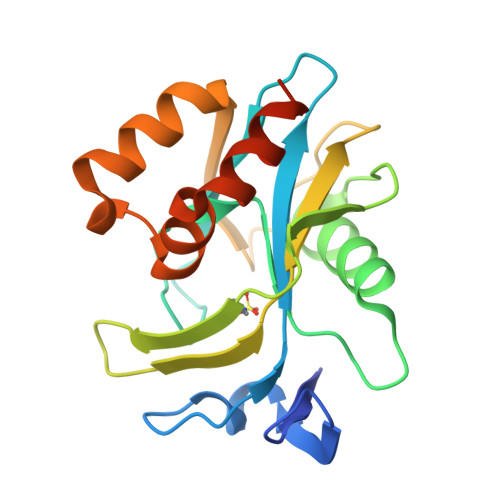


![All-trans-retinol dehydrogenase [NAD(+)] ADH7 structure](https://cdn.rcsb.org/images/structures/1agn_assembly-1.jpeg)