 Click to view 3D structure | Modulator of drug activity A | Q8X6S1 | Escherichia coli O157:H7 | Predicted (SEA) | - Prediction Confidence Score
- 0.226
- Applicability Domain
- 0.237 Low confidence
- Statistical Significance
- 9.60e-04
- Supporting Reference Compounds
- 2
- E-value
- 7.47353
|
 Click to view 3D structure | Cystathionine beta-lyase MetC | P06721 | Escherichia coli K-12 | Predicted (SEA) | - Prediction Confidence Score
- 0.22
- Applicability Domain
- 0.22 Low confidence
- Statistical Significance
- 0.0063
- Supporting Reference Compounds
- 1
- E-value
- 48.7336
|
 Click to view 3D structure | Endolysin | P00720 | Enterobacteria phage T4 | Predicted (SEA) | - Prediction Confidence Score
- 0.214
- Applicability Domain
- 0.214 Low confidence
- Statistical Significance
- 0.0068
- Supporting Reference Compounds
- 1
- E-value
- 52.7818
|
| Click to view 3D structure | Putative nitroreductase | Q4A0P1 | Staphylococcus saprophyticus subsp. saprophyticus (strain ATCC 15305 / DSM20229 / NCIMB 8711 / NCTC 7292 / S-41) | Predicted (SEA) | - Prediction Confidence Score
- 0.2
- Applicability Domain
- 0.237 Low confidence
- Statistical Significance
- 0.0066
- Supporting Reference Compounds
- 2
- E-value
- 51.3026
|
 Click to view 3D structure | Protein max | P61244 | Humans | Predicted (SEA) | - Prediction Confidence Score
- 0.196
- Applicability Domain
- 0.196 Low confidence
- Statistical Significance
- 0.0129
- Supporting Reference Compounds
- 1
- E-value
- 100.114
|
| Click to view 3D structure | Asc-type amino acid transporter 1 | P63116 | Rat | Predicted (SEA) | - Prediction Confidence Score
- 0.192
- Applicability Domain
- 0.192 Low confidence
- Statistical Significance
- 0.002
- Supporting Reference Compounds
- 2
- E-value
- 15.8812
|
 Click to view 3D structure | Carbonic anhydrase 1 | P00915 | Humans | Predicted (SEA) | - Prediction Confidence Score
- 0.191
- Applicability Domain
- 0.231 Low confidence
- Statistical Significance
- 0.6302
- Supporting Reference Compounds
- 407
- E-value
- 4906.45
|
 Click to view 3D structure | Carbonic anhydrase 2 | P00918 | Humans | Predicted (SEA) | - Prediction Confidence Score
- 0.183
- Applicability Domain
- 0.205 Low confidence
- Statistical Significance
- 0.7618
- Supporting Reference Compounds
- 472
- E-value
- 5930.48
|
| Click to view 3D structure | Streptokinase A | P10520 | Streptococcus pyogenes serotype M1 | Predicted (SEA) | - Prediction Confidence Score
- 0.179
- Applicability Domain
- 0.196 Low confidence
- Statistical Significance
- 0.8416
- Supporting Reference Compounds
- 425
- E-value
- 6551.63
|
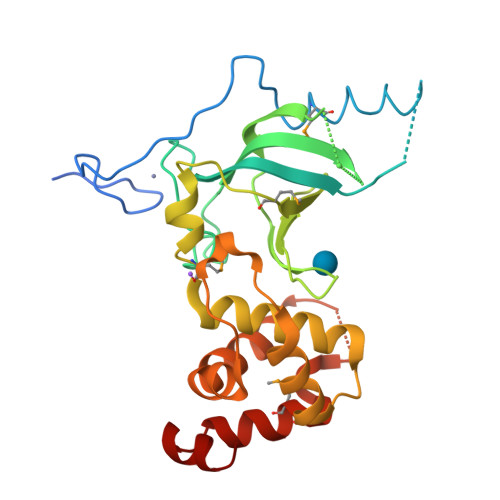 Click to view 3D structure | DNA (cytosine-5)-methyltransferase 1 | P26358 | Humans | Predicted (SEA) | - Prediction Confidence Score
- 0.177
- Applicability Domain
- 0.25 Low confidence
- Statistical Significance
- 0.6195
- Supporting Reference Compounds
- 116
- E-value
- 4822.92
|
 Click to view 3D structure | Carbonic anhydrase 9 | Q16790 | Humans | Predicted (SEA) | - Prediction Confidence Score
- 0.176
- Applicability Domain
- 0.205 Low confidence
- Statistical Significance
- 0.777
- Supporting Reference Compounds
- 372
- E-value
- 6049.2
|
| Click to view 3D structure | ATP-dependent molecular chaperone HSP82 | C4YTQ8 | Candida albicans (strain WO-1) (Yeast) | Predicted (SEA) | - Prediction Confidence Score
- 0.175
- Applicability Domain
- 0.186 Low confidence
- Statistical Significance
- 0.7377
- Supporting Reference Compounds
- 205
- E-value
- 5742.78
|
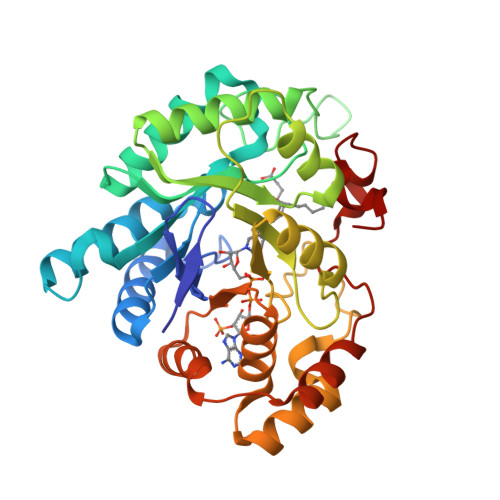 Click to view 3D structure | Aldo-keto reductase family 1 member C3 | P42330 | Humans | Predicted (SEA) | - Prediction Confidence Score
- 0.172
- Applicability Domain
- 0.2 Low confidence
- Statistical Significance
- 0.5147
- Supporting Reference Compounds
- 57
- E-value
- 4007.29
|
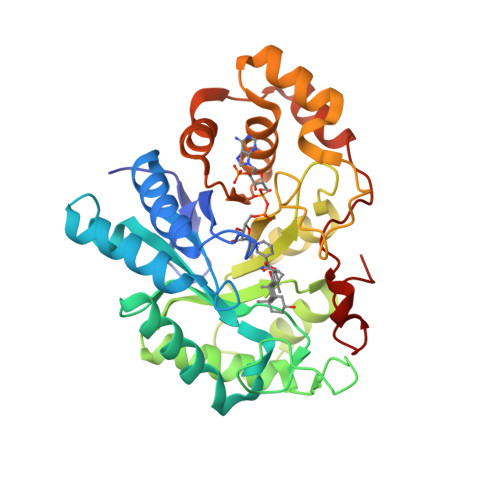 Click to view 3D structure | Aldo-keto reductase family 1 member C2 | P52895 | Humans | Predicted (SEA) | - Prediction Confidence Score
- 0.172
- Applicability Domain
- 0.2 Low confidence
- Statistical Significance
- 0.4353
- Supporting Reference Compounds
- 40
- E-value
- 3388.47
|
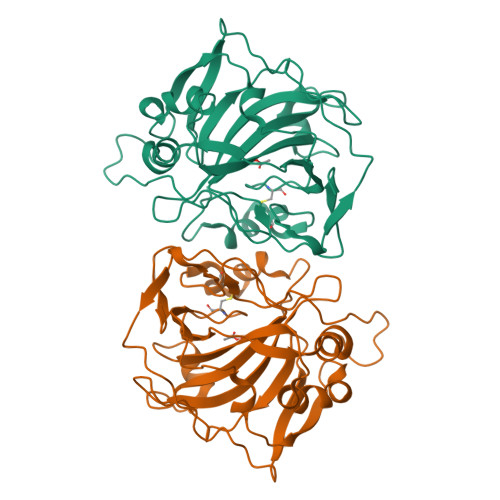 Click to view 3D structure | Carbonic anhydrase 12 | O43570 | Humans | Predicted (SEA) | - Prediction Confidence Score
- 0.171
- Applicability Domain
- 0.205 Low confidence
- Statistical Significance
- 0.8084
- Supporting Reference Compounds
- 332
- E-value
- 6293.33
|
| Click to view 3D structure | Carbonic anhydrase 5A, mitochondrial | P35218 | Humans | Predicted (SEA) | - Prediction Confidence Score
- 0.17
- Applicability Domain
- 0.205 Low confidence
- Statistical Significance
- 0.6681
- Supporting Reference Compounds
- 165
- E-value
- 5201.18
|
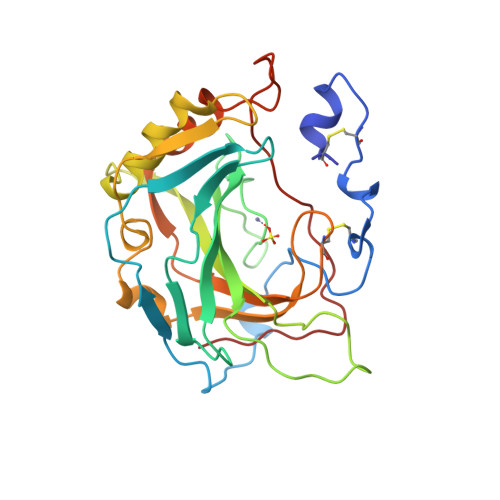 Click to view 3D structure | Carbonic anhydrase 4 | P22748 | Humans | Predicted (SEA) | - Prediction Confidence Score
- 0.17
- Applicability Domain
- 0.231 Low confidence
- Statistical Significance
- 0.7204
- Supporting Reference Compounds
- 193
- E-value
- 5608.18
|
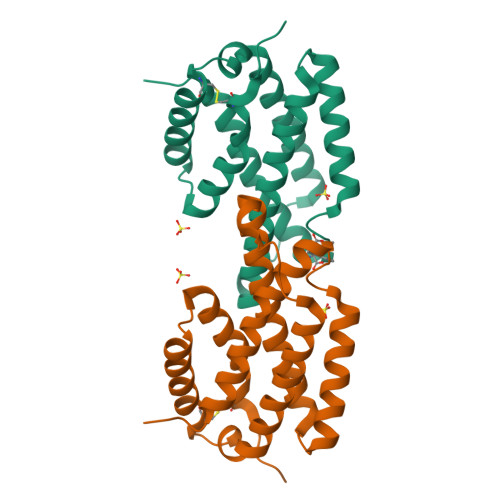 Click to view 3D structure | Secreted chorismate mutase | P9WIB9 | Mycobacterium tuberculosis (strain ATCC 25618 / H37Rv) | Predicted (SEA) | - Prediction Confidence Score
- 0.169
- Applicability Domain
- 0.169 Low confidence
- Statistical Significance
- 0.076
- Supporting Reference Compounds
- 1
- E-value
- 591.654
|
 Click to view 3D structure | Tyrosine-protein kinase JAK2 | O60674 | Humans | Predicted (SEA) | - Prediction Confidence Score
- 0.169
- Applicability Domain
- 0.174 Low confidence
- Statistical Significance
- 0.9685
- Supporting Reference Compounds
- 1022
- E-value
- 7539.62
|
| Click to view 3D structure | PROBABLE TRANSMEMBRANE CARBONIC ANHYDRASE (CARBONATE DEHYDRATASE) (CARBONIC DEHYDRATASE) | P96878 | Mycobacterium tuberculosis | Predicted (SEA) | - Prediction Confidence Score
- 0.168
- Applicability Domain
- 0.205 Low confidence
- Statistical Significance
- 0.26
- Supporting Reference Compounds
- 38
- E-value
- 2023.77
|
 Click to view 3D structure | Beta-carbonic anhydrase 1 | P9WPJ7 | Mycobacterium tuberculosis | Predicted (SEA) | - Prediction Confidence Score
- 0.168
- Applicability Domain
- 0.205 Low confidence
- Statistical Significance
- 0.2975
- Supporting Reference Compounds
- 55
- E-value
- 2316.01
|
 Click to view 3D structure | Fatty acid synthase | P49327 | Humans | Predicted (SEA) | - Prediction Confidence Score
- 0.168
- Applicability Domain
- 0.178 Low confidence
- Statistical Significance
- 0.7863
- Supporting Reference Compounds
- 117
- E-value
- 6121.36
|
 Click to view 3D structure | Catechol O-methyltransferase | P22734 | Rattus norvegicus | Predicted (SEA) | - Prediction Confidence Score
- 0.168
- Applicability Domain
- 0.182 Low confidence
- Statistical Significance
- 0.0448
- Supporting Reference Compounds
- 15
- E-value
- 349.076
|
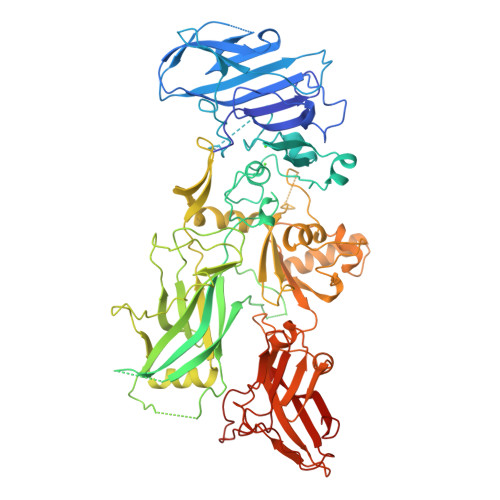 Click to view 3D structure | Protective antigen | P13423 | Bacillus anthracis | Predicted (SEA) | - Prediction Confidence Score
- 0.167
- Applicability Domain
- 0.167 Low confidence
- Statistical Significance
- 0.0959
- Supporting Reference Compounds
- 1
- E-value
- 746.263
|
| Click to view 3D structure | Catechol O-methyltransferase | Q99028 | Sus scrofa | Predicted (SEA) | - Prediction Confidence Score
- 0.167
- Applicability Domain
- 0.167 Low confidence
- Statistical Significance
- 0.0073
- Supporting Reference Compounds
- 2
- E-value
- 57.2192
|

