 Click to view 3D structure | Neuronal calcium sensor 1 | P62166 | Humans | Predicted (SEA) | - Prediction Confidence Score
- 0.463
- Applicability Domain
- 0.463
- Statistical Significance
- 5.00e-05
- Supporting Reference Compounds
- 1
- E-value
- 0.389246
|
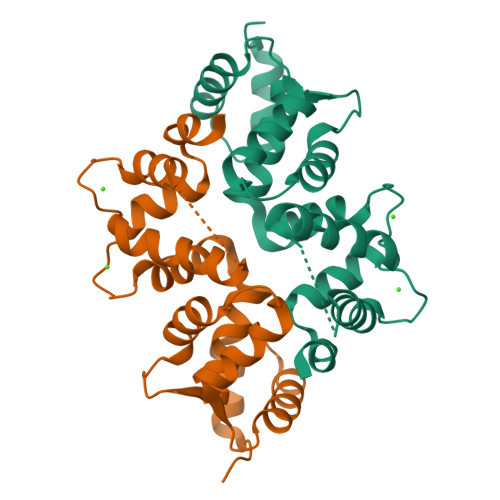 Click to view 3D structure | Frequenin-2 | Q9VWX8 | Drosophila melanogaster | Predicted (SEA) | - Prediction Confidence Score
- 0.463
- Applicability Domain
- 0.463
- Statistical Significance
- 5.00e-05
- Supporting Reference Compounds
- 1
- E-value
- 0.389246
|
 Click to view 3D structure | Luciferin 4-monooxygenase | P08659 | Photinus pyralis | Predicted (SEA) | - Prediction Confidence Score
- 0.355
- Applicability Domain
- 0.417
- Statistical Significance
- 0.0017
- Supporting Reference Compounds
- 114
- E-value
- 13.0787
|
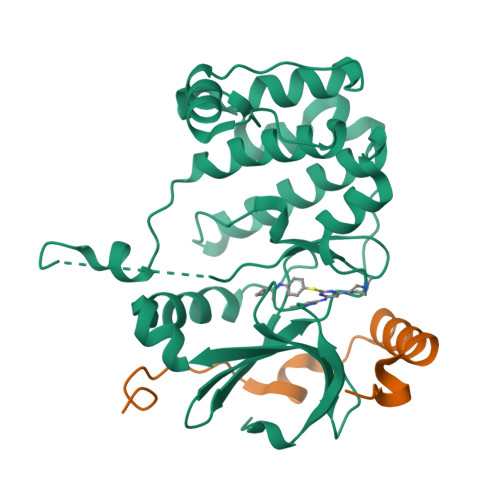 Click to view 3D structure | Aurora kinase B | Q96GD4 | Humans | Predicted (SEA) | - Prediction Confidence Score
- 0.354
- Applicability Domain
- 0.442
- Statistical Significance
- 0.0409
- Supporting Reference Compounds
- 1017
- E-value
- 318.637
|
 Click to view 3D structure | Aurora kinase A | O14965 | Humans | Predicted (SEA) | - Prediction Confidence Score
- 0.35
- Applicability Domain
- 0.442
- Statistical Significance
- 0.0451
- Supporting Reference Compounds
- 996
- E-value
- 351.256
|
 Click to view 3D structure | Vascular endothelial growth factor receptor 2 | P35968 | Humans | Predicted (SEA) | - Prediction Confidence Score
- 0.35
- Applicability Domain
- 0.442
- Statistical Significance
- 0.0635
- Supporting Reference Compounds
- 1660
- E-value
- 494.42
|
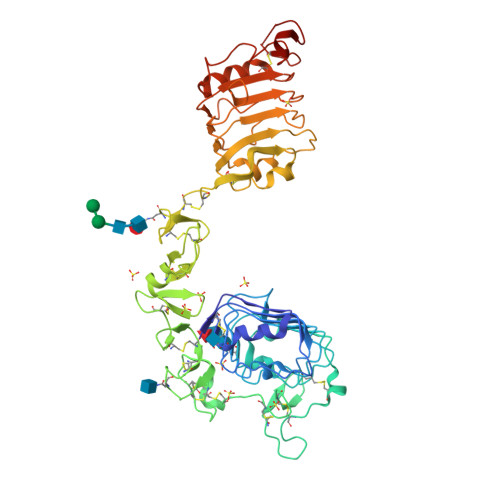 Click to view 3D structure | Insulin-like growth factor 1 receptor | P08069 | Humans | Predicted (SEA) | - Prediction Confidence Score
- 0.334
- Applicability Domain
- 0.442
- Statistical Significance
- 0.0502
- Supporting Reference Compounds
- 785
- E-value
- 390.647
|
 Click to view 3D structure | D(3) dopamine receptor | P35462 | Humans | Predicted (SEA) | - Prediction Confidence Score
- 0.333
- Applicability Domain
- 0.484
- Statistical Significance
- 0.0377
- Supporting Reference Compounds
- 861
- E-value
- 293.18
|
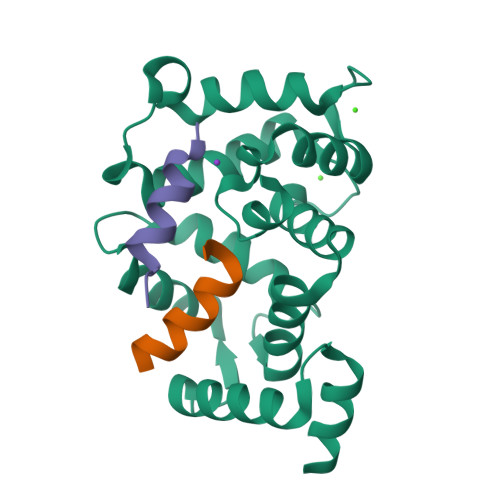 Click to view 3D structure | D(2) dopamine receptor | P14416 | Humans | Predicted (SEA) | - Prediction Confidence Score
- 0.333
- Applicability Domain
- 0.484
- Statistical Significance
- 0.0494
- Supporting Reference Compounds
- 1103
- E-value
- 384.887
|
 Click to view 3D structure | Insulin receptor | P06213 | Humans | Predicted (SEA) | - Prediction Confidence Score
- 0.331
- Applicability Domain
- 0.349
- Statistical Significance
- 0.0481
- Supporting Reference Compounds
- 772
- E-value
- 374.533
|
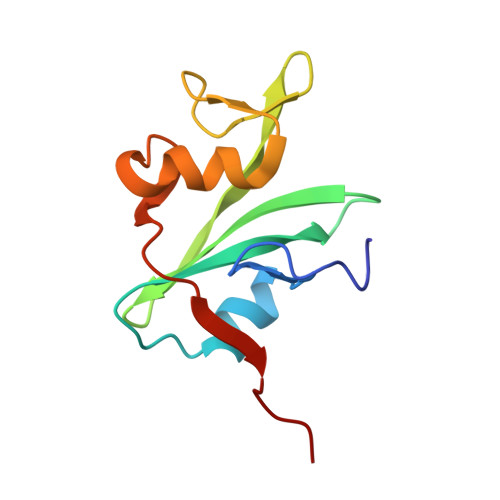 Click to view 3D structure | Tyrosine-protein kinase ABL1 | P00519 | Humans | Predicted (SEA) | - Prediction Confidence Score
- 0.327
- Applicability Domain
- 0.442
- Statistical Significance
- 0.0635
- Supporting Reference Compounds
- 927
- E-value
- 494.732
|
 Click to view 3D structure | Tyrosine-protein kinase Lck | P06239 | Humans | Predicted (SEA) | - Prediction Confidence Score
- 0.327
- Applicability Domain
- 0.442
- Statistical Significance
- 0.0783
- Supporting Reference Compounds
- 1130
- E-value
- 609.637
|
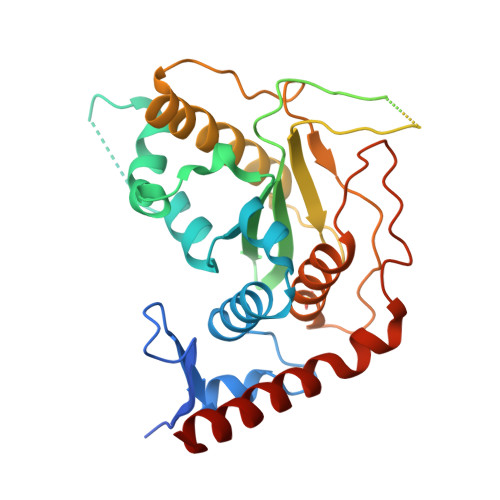 Click to view 3D structure | Sentrin-specific protease 7 | Q9BQF6 | Humans | Predicted (SEA) | - Prediction Confidence Score
- 0.322
- Applicability Domain
- 0.475
- Statistical Significance
- 0.0053
- Supporting Reference Compounds
- 118
- E-value
- 41.1044
|
 Click to view 3D structure | Epidermal growth factor receptor | P00533 | Humans | Predicted (SEA) | - Prediction Confidence Score
- 0.318
- Applicability Domain
- 0.34
- Statistical Significance
- 0.0939
- Supporting Reference Compounds
- 1301
- E-value
- 731.238
|
 Click to view 3D structure | Dual specificity tyrosine-phosphorylation-regulated kinase 1A | Q13627 | Humans | Predicted (SEA) | - Prediction Confidence Score
- 0.314
- Applicability Domain
- 0.442
- Statistical Significance
- 0.0724
- Supporting Reference Compounds
- 906
- E-value
- 563.862
|
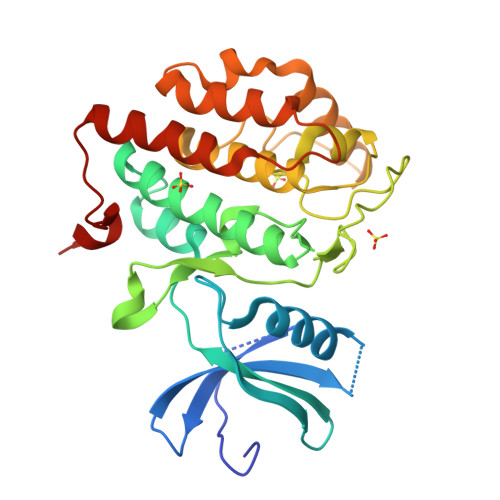 Click to view 3D structure | Casein kinase I isoform delta | P48730 | Humans | Predicted (SEA) | - Prediction Confidence Score
- 0.312
- Applicability Domain
- 0.463
- Statistical Significance
- 0.0578
- Supporting Reference Compounds
- 637
- E-value
- 449.813
|
 Click to view 3D structure | Glycogen synthase kinase-3 beta | P49841 | Humans | Predicted (SEA) | - Prediction Confidence Score
- 0.312
- Applicability Domain
- 0.442
- Statistical Significance
- 0.0998
- Supporting Reference Compounds
- 1157
- E-value
- 777.013
|
 Click to view 3D structure | D(1A) dopamine receptor | P21728 | Humans | Predicted (SEA) | - Prediction Confidence Score
- 0.307
- Applicability Domain
- 0.484
- Statistical Significance
- 0.0314
- Supporting Reference Compounds
- 425
- E-value
- 244.447
|
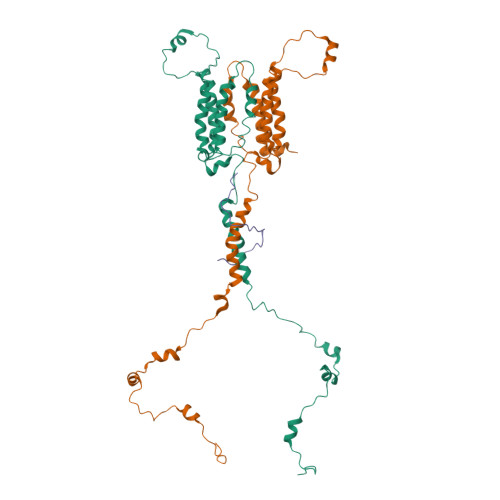 Click to view 3D structure | Mitochondrial import inner membrane translocase subunit TIM23 | P32897 | Saccharomyces cerevisiae S288c | Predicted (SEA) | - Prediction Confidence Score
- 0.307
- Applicability Domain
- 0.396
- Statistical Significance
- 0.0035
- Supporting Reference Compounds
- 75
- E-value
- 27.3251
|
 Click to view 3D structure | Serine/threonine-protein kinase pim-1 | P11309 | Humans | Predicted (SEA) | - Prediction Confidence Score
- 0.305
- Applicability Domain
- 0.442
- Statistical Significance
- 0.0937
- Supporting Reference Compounds
- 967
- E-value
- 729.681
|
 Click to view 3D structure | Tyrosine-protein kinase JAK2 | O60674 | Humans | Predicted (SEA) | - Prediction Confidence Score
- 0.305
- Applicability Domain
- 0.442
- Statistical Significance
- 0.1105
- Supporting Reference Compounds
- 1022
- E-value
- 860.39
|
 Click to view 3D structure | Acetylcholinesterase | O42275 | Electrophorus electricus | Predicted (SEA) | - Prediction Confidence Score
- 0.303
- Applicability Domain
- 0.352
- Statistical Significance
- 0.0228
- Supporting Reference Compounds
- 206
- E-value
- 177.341
|
 Click to view 3D structure | Cytochrome P450 3A4 | P08684 | Humans | Predicted (SEA) | - Prediction Confidence Score
- 0.303
- Applicability Domain
- 0.352
- Statistical Significance
- 0.1574
- Supporting Reference Compounds
- 1538
- E-value
- 1225.04
|
 Click to view 3D structure | Sentrin-specific protease 8 | Q96LD8 | Humans | Predicted (SEA) | - Prediction Confidence Score
- 0.303
- Applicability Domain
- 0.475
- Statistical Significance
- 0.0019
- Supporting Reference Compounds
- 104
- E-value
- 14.7135
|
 Click to view 3D structure | Kappa-type opioid receptor | P41145 | Humans | Predicted (SEA) | - Prediction Confidence Score
- 0.303
- Applicability Domain
- 0.484
- Statistical Significance
- 0.0624
- Supporting Reference Compounds
- 532
- E-value
- 485.623
|

