 Click to view 3D structure | Amine oxidase [flavin-containing] B | P19643 | Rattus norvegicus | Predicted (SEA) | - Prediction Confidence Score
- 0.505
- Applicability Domain
- 0.68
- Statistical Significance
- 3.70e-04
- Supporting Reference Compounds
- 77
- E-value
- 2.88042
|
 Click to view 3D structure | Amine oxidase [flavin-containing] B | P27338 | Humans | Predicted (SEA) | - Prediction Confidence Score
- 0.459
- Applicability Domain
- 0.5
- Statistical Significance
- 0.0028
- Supporting Reference Compounds
- 315
- E-value
- 22.0313
|
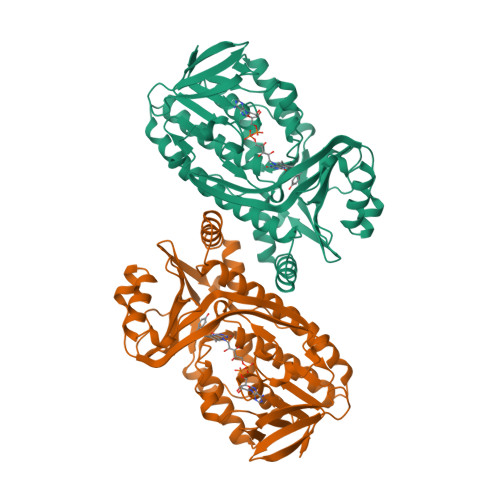 Click to view 3D structure | p-hydroxybenzoate hydroxylase | P00438 | Pseudomonas fluorescens | Predicted (SEA) | - Prediction Confidence Score
- 0.455
- Applicability Domain
- 0.455
- Statistical Significance
- 1.00e-05
- Supporting Reference Compounds
- 1
- E-value
- 0.0778492
|
 Click to view 3D structure | Protein deacetylase HDAC6 | Q9UBN7 | Humans | Predicted (SEA) | - Prediction Confidence Score
- 0.44
- Applicability Domain
- 0.818
- Statistical Significance
- 0.0045
- Supporting Reference Compounds
- 553
- E-value
- 34.8764
|
 Click to view 3D structure | Amine oxidase [flavin-containing] A | P21396 | Rattus norvegicus | Predicted (SEA) | - Prediction Confidence Score
- 0.437
- Applicability Domain
- 0.5
- Statistical Significance
- 7.00e-04
- Supporting Reference Compounds
- 66
- E-value
- 5.44945
|
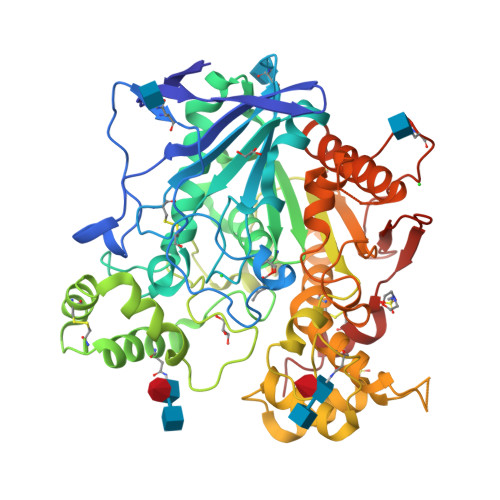 Click to view 3D structure | Cholinesterase | P06276 | Humans | Predicted (SEA) | - Prediction Confidence Score
- 0.432
- Applicability Domain
- 0.72
- Statistical Significance
- 0.0033
- Supporting Reference Compounds
- 234
- E-value
- 26.0016
|
 Click to view 3D structure | Amine oxidase [flavin-containing] A | P21397 | Humans | Predicted (SEA) | - Prediction Confidence Score
- 0.418
- Applicability Domain
- 0.5
- Statistical Significance
- 0.0025
- Supporting Reference Compounds
- 241
- E-value
- 19.3066
|
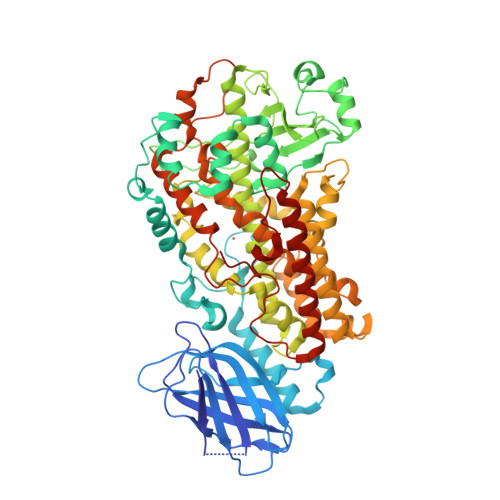 Click to view 3D structure | Polyunsaturated fatty acid 5-lipoxygenase | P09917 | Humans | Predicted (SEA) | - Prediction Confidence Score
- 0.409
- Applicability Domain
- 0.68
- Statistical Significance
- 0.0023
- Supporting Reference Compounds
- 182
- E-value
- 17.7496
|
 Click to view 3D structure | Glycogen synthase kinase-3 beta | P49841 | Humans | Predicted (SEA) | - Prediction Confidence Score
- 0.408
- Applicability Domain
- 0.514
- Statistical Significance
- 0.0183
- Supporting Reference Compounds
- 1157
- E-value
- 142.62
|
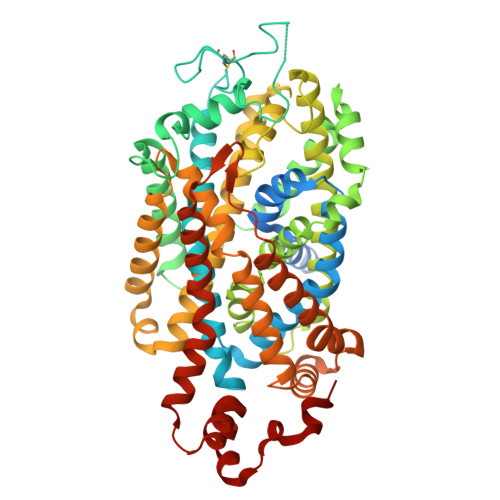 Click to view 3D structure | Sodium-dependent noradrenaline transporter | P23975 | Humans | Predicted (SEA) | - Prediction Confidence Score
- 0.405
- Applicability Domain
- 0.818
- Statistical Significance
- 0.0047
- Supporting Reference Compounds
- 451
- E-value
- 36.9005
|
 Click to view 3D structure | Voltage-gated inwardly rectifying potassium channel KCNH2 | Q12809 | Humans | Predicted (SEA) | - Prediction Confidence Score
- 0.404
- Applicability Domain
- 0.514
- Statistical Significance
- 0.0276
- Supporting Reference Compounds
- 1498
- E-value
- 214.942
|
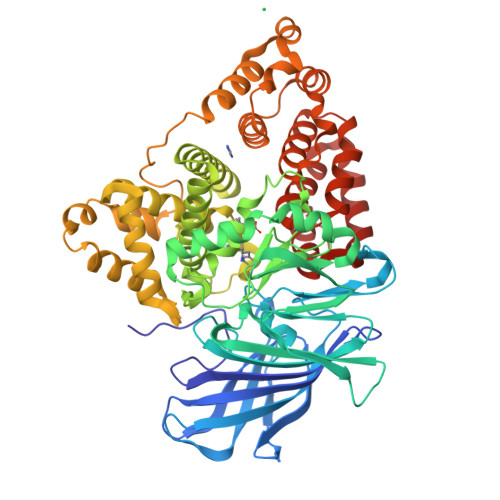 Click to view 3D structure | Leukotriene A-4 hydrolase | P09960 | Humans | Predicted (SEA) | - Prediction Confidence Score
- 0.401
- Applicability Domain
- 0.581
- Statistical Significance
- 8.00e-04
- Supporting Reference Compounds
- 51
- E-value
- 6.22794
|
 Click to view 3D structure | Nucleic acid dioxygenase ALKBH1 | Q13686 | Humans | Predicted (SEA) | - Prediction Confidence Score
- 0.4
- Applicability Domain
- 0.4
- Statistical Significance
- 9.00e-05
- Supporting Reference Compounds
- 1
- E-value
- 0.700643
|
 Click to view 3D structure | Cytochrome P450 2D6 | P10635 | Humans | Predicted (SEA) | - Prediction Confidence Score
- 0.399
- Applicability Domain
- 0.472
- Statistical Significance
- 0.0137
- Supporting Reference Compounds
- 1130
- E-value
- 106.653
|
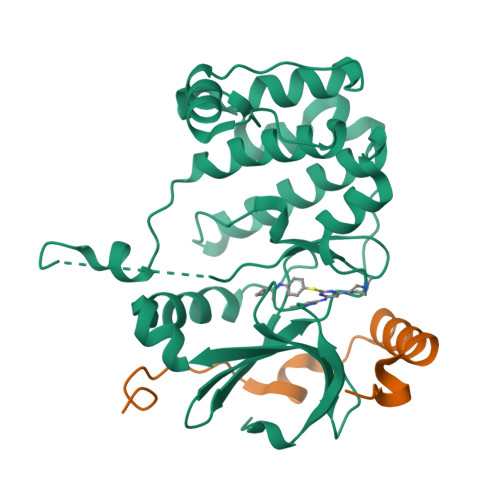 Click to view 3D structure | Aurora kinase B | Q96GD4 | Humans | Predicted (SEA) | - Prediction Confidence Score
- 0.395
- Applicability Domain
- 0.486
- Statistical Significance
- 0.0224
- Supporting Reference Compounds
- 1017
- E-value
- 174.538
|
 Click to view 3D structure | Prothrombin | P00734 | Humans | Predicted (SEA) | - Prediction Confidence Score
- 0.392
- Applicability Domain
- 0.514
- Statistical Significance
- 0.01
- Supporting Reference Compounds
- 331
- E-value
- 78.2385
|
 Click to view 3D structure | Prostaglandin G/H synthase 2 | P35354 | Humans | Predicted (SEA) | - Prediction Confidence Score
- 0.389
- Applicability Domain
- 0.818
- Statistical Significance
- 0.0028
- Supporting Reference Compounds
- 201
- E-value
- 22.187
|
 Click to view 3D structure | Acetylcholinesterase | P22303 | Humans | Predicted (SEA) | - Prediction Confidence Score
- 0.388
- Applicability Domain
- 0.459
- Statistical Significance
- 0.0093
- Supporting Reference Compounds
- 406
- E-value
- 72.3998
|
 Click to view 3D structure | Collagenase 3 | P45452 | Humans | Predicted (SEA) | - Prediction Confidence Score
- 0.382
- Applicability Domain
- 0.474
- Statistical Significance
- 0.0066
- Supporting Reference Compounds
- 269
- E-value
- 51.614
|
 Click to view 3D structure | Epidermal growth factor receptor | P00533 | Humans | Predicted (SEA) | - Prediction Confidence Score
- 0.38
- Applicability Domain
- 0.486
- Statistical Significance
- 0.0382
- Supporting Reference Compounds
- 1301
- E-value
- 297.306
|
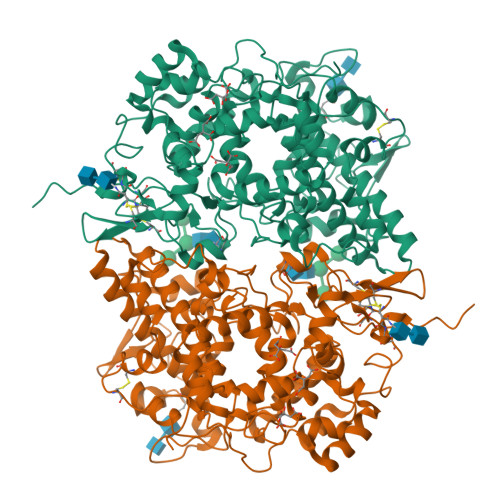 Click to view 3D structure | Prostaglandin G/H synthase 1 | P23219 | Humans | Predicted (SEA) | - Prediction Confidence Score
- 0.38
- Applicability Domain
- 0.818
- Statistical Significance
- 0.0019
- Supporting Reference Compounds
- 136
- E-value
- 14.9471
|
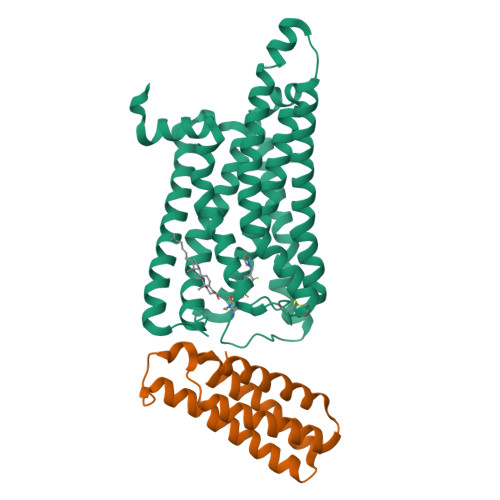 Click to view 3D structure | Histamine H3 receptor | Q9Y5N1 | Humans | Predicted (SEA) | - Prediction Confidence Score
- 0.378
- Applicability Domain
- 0.425
- Statistical Significance
- 0.0072
- Supporting Reference Compounds
- 294
- E-value
- 55.9736
|
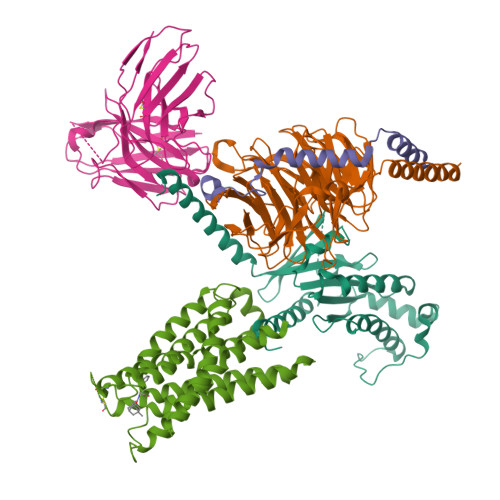 Click to view 3D structure | Mas-related G-protein coupled receptor member X4 | Q96LA9 | Humans | Predicted (SEA) | - Prediction Confidence Score
- 0.376
- Applicability Domain
- 0.457
- Statistical Significance
- 4.20e-04
- Supporting Reference Compounds
- 7
- E-value
- 3.26967
|
| Click to view 3D structure | Cholinesterase | P81908 | Equus caballus | Predicted (SEA) | - Prediction Confidence Score
- 0.373
- Applicability Domain
- 0.447
- Statistical Significance
- 0.0075
- Supporting Reference Compounds
- 201
- E-value
- 58.3091
|
| Click to view 3D structure | Ataxin-2 | O70305 | Mus musculus | Predicted (SEA) | - Prediction Confidence Score
- 0.372
- Applicability Domain
- 0.391
- Statistical Significance
- 3.70e-04
- Supporting Reference Compounds
- 2
- E-value
- 2.88042
|

