 Click to view 3D structure | Prostaglandin G/H synthase 2 | P35354 | Humans | Predicted (SEA) | - Prediction Confidence Score
- 0.567
- Applicability Domain
- 0.714
- Statistical Significance
- 3.20e-04
- Supporting Reference Compounds
- 201
- E-value
- 2.49118
|
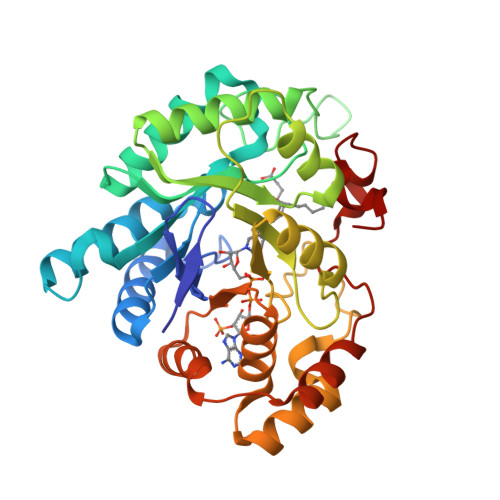 Click to view 3D structure | Aldo-keto reductase family 1 member C3 | P42330 | Humans | Predicted (SEA) | - Prediction Confidence Score
- 0.546
- Applicability Domain
- 0.714
- Statistical Significance
- 2.80e-04
- Supporting Reference Compounds
- 57
- E-value
- 2.17978
|
 Click to view 3D structure | Prostaglandin D2 receptor | P70263 | Mus musculus | Predicted (SEA) | - Prediction Confidence Score
- 0.522
- Applicability Domain
- 0.714
- Statistical Significance
- 1.10e-04
- Supporting Reference Compounds
- 13
- E-value
- 0.856341
|
| Click to view 3D structure | Prostaglandin E2 receptor EP1 subtype | P35375 | Mus musculus | Predicted (SEA) | - Prediction Confidence Score
- 0.519
- Applicability Domain
- 0.714
- Statistical Significance
- 2.00e-04
- Supporting Reference Compounds
- 24
- E-value
- 1.55698
|
| Click to view 3D structure | Prostaglandin E2 receptor EP3 subtype | P30557 | Mus musculus | Predicted (SEA) | - Prediction Confidence Score
- 0.519
- Applicability Domain
- 0.714
- Statistical Significance
- 2.20e-04
- Supporting Reference Compounds
- 32
- E-value
- 1.71268
|
| Click to view 3D structure | Prostaglandin E2 receptor EP4 subtype | P32240 | Mus musculus | Predicted (SEA) | - Prediction Confidence Score
- 0.519
- Applicability Domain
- 0.714
- Statistical Significance
- 2.20e-04
- Supporting Reference Compounds
- 29
- E-value
- 1.71268
|
| Click to view 3D structure | Prostaglandin E2 receptor EP2 subtype | Q62053 | Mus musculus | Predicted (SEA) | - Prediction Confidence Score
- 0.507
- Applicability Domain
- 0.714
- Statistical Significance
- 2.00e-04
- Supporting Reference Compounds
- 25
- E-value
- 1.55698
|
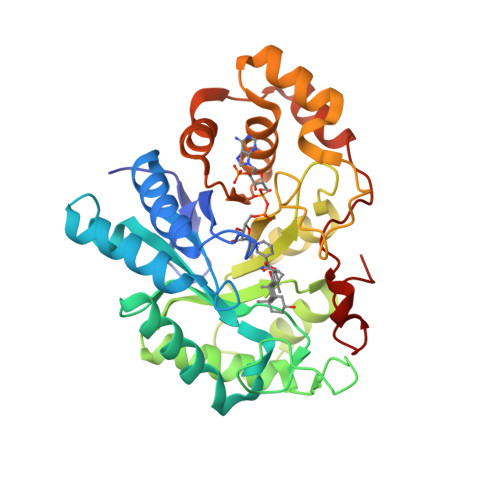 Click to view 3D structure | Aldo-keto reductase family 1 member C2 | P52895 | Humans | Predicted (SEA) | - Prediction Confidence Score
- 0.504
- Applicability Domain
- 0.714
- Statistical Significance
- 3.60e-04
- Supporting Reference Compounds
- 40
- E-value
- 2.80257
|
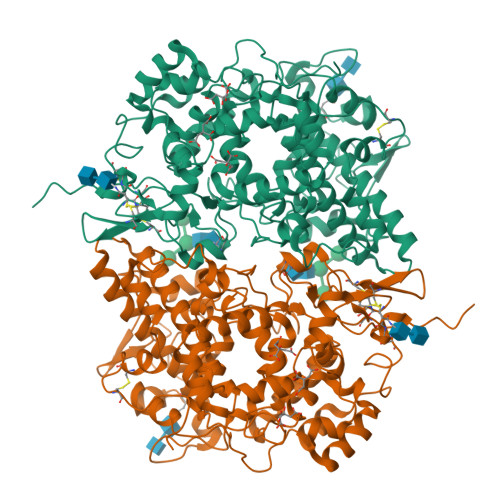 Click to view 3D structure | Prostaglandin G/H synthase 1 | P23219 | Humans | Predicted (SEA) | - Prediction Confidence Score
- 0.5
- Applicability Domain
- 0.714
- Statistical Significance
- 3.20e-04
- Supporting Reference Compounds
- 136
- E-value
- 2.49118
|
 Click to view 3D structure | Prostaglandin G/H synthase 2 | Q05769 | Mus musculus | Predicted (SEA) | - Prediction Confidence Score
- 0.496
- Applicability Domain
- 0.714
- Statistical Significance
- 2.90e-04
- Supporting Reference Compounds
- 43
- E-value
- 2.25763
|
 Click to view 3D structure | Prostaglandin G/H synthase 1 | P05979 | Ovis aries | Predicted (SEA) | - Prediction Confidence Score
- 0.441
- Applicability Domain
- 0.714
- Statistical Significance
- 6.80e-04
- Supporting Reference Compounds
- 106
- E-value
- 5.29375
|
 Click to view 3D structure | Aldo-keto reductase family 1 member C4 | P17516 | Humans | Predicted (SEA) | - Prediction Confidence Score
- 0.4
- Applicability Domain
- 0.471
- Statistical Significance
- 3.60e-04
- Supporting Reference Compounds
- 20
- E-value
- 2.80257
|
 Click to view 3D structure | Aldo-keto reductase family 1 member C1 | Q04828 | Humans | Predicted (SEA) | - Prediction Confidence Score
- 0.4
- Applicability Domain
- 0.471
- Statistical Significance
- 3.70e-04
- Supporting Reference Compounds
- 29
- E-value
- 2.88042
|
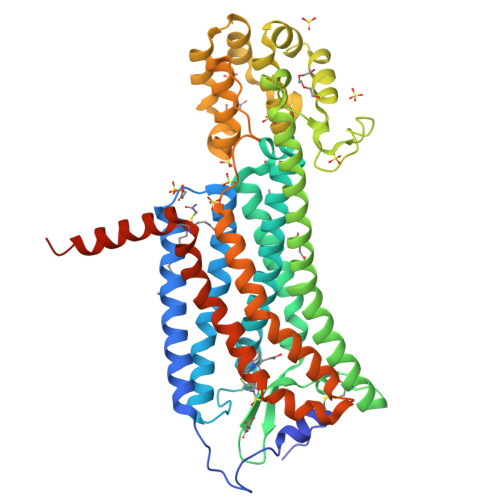 Click to view 3D structure | Prostaglandin D2 receptor 2 | Q9Y5Y4 | Humans | Predicted (SEA) | - Prediction Confidence Score
- 0.38
- Applicability Domain
- 0.714
- Statistical Significance
- 0.0011
- Supporting Reference Compounds
- 61
- E-value
- 8.71911
|
| Click to view 3D structure | Prostaglandin G/H synthase 2 | P35355 | Rattus norvegicus | Predicted (SEA) | - Prediction Confidence Score
- 0.372
- Applicability Domain
- 0.714
- Statistical Significance
- 5.00e-05
- Supporting Reference Compounds
- 8
- E-value
- 0.389246
|
| Click to view 3D structure | Aldo-keto reductase family 1 member B1 | P07943 | Rattus norvegicus | Predicted (SEA) | - Prediction Confidence Score
- 0.371
- Applicability Domain
- 0.714
- Statistical Significance
- 0.0015
- Supporting Reference Compounds
- 70
- E-value
- 11.8331
|
 Click to view 3D structure | Androgen receptor | P10275 | Humans | Predicted (SEA) | - Prediction Confidence Score
- 0.367
- Applicability Domain
- 0.714
- Statistical Significance
- 0.0036
- Supporting Reference Compounds
- 146
- E-value
- 28.415
|
| Click to view 3D structure | Aldo-keto reductase family 1 member B1 | P16116 | Bos taurus | Predicted (SEA) | - Prediction Confidence Score
- 0.362
- Applicability Domain
- 0.714
- Statistical Significance
- 8.50e-04
- Supporting Reference Compounds
- 21
- E-value
- 6.61718
|
 Click to view 3D structure | Epidermal growth factor receptor | P00533 | Humans | Predicted (SEA) | - Prediction Confidence Score
- 0.361
- Applicability Domain
- 0.714
- Statistical Significance
- 0.0485
- Supporting Reference Compounds
- 1301
- E-value
- 377.413
|
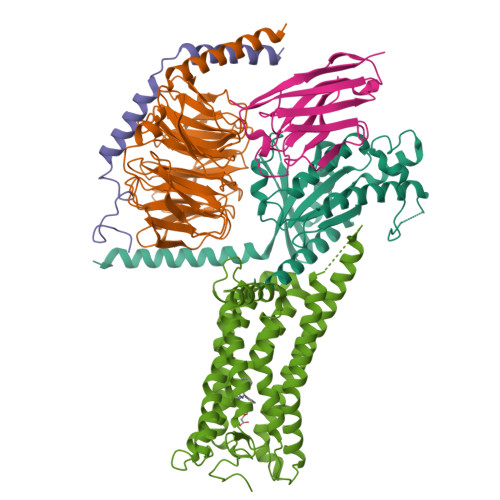 Click to view 3D structure | Prostacyclin receptor | P43119 | Humans | Predicted (SEA) | - Prediction Confidence Score
- 0.345
- Applicability Domain
- 0.432
- Statistical Significance
- 9.60e-04
- Supporting Reference Compounds
- 63
- E-value
- 7.47353
|
 Click to view 3D structure | Aldo-keto reductase family 1 member B1 | P15121 | Humans | Predicted (SEA) | - Prediction Confidence Score
- 0.344
- Applicability Domain
- 0.714
- Statistical Significance
- 0.0033
- Supporting Reference Compounds
- 84
- E-value
- 25.4567
|
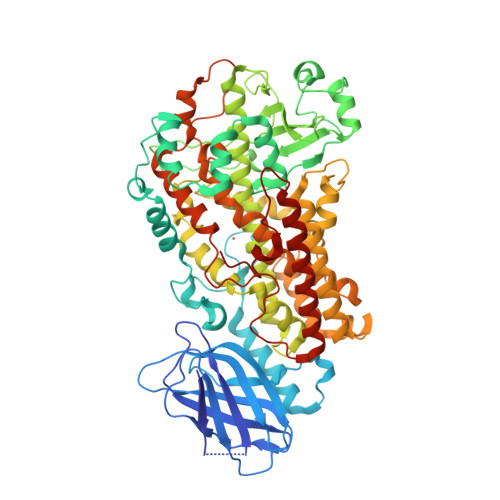 Click to view 3D structure | Polyunsaturated fatty acid 5-lipoxygenase | P09917 | Humans | Predicted (SEA) | - Prediction Confidence Score
- 0.315
- Applicability Domain
- 0.714
- Statistical Significance
- 0.0088
- Supporting Reference Compounds
- 182
- E-value
- 68.8966
|
 Click to view 3D structure | Prostaglandin-H2 D-isomerase | O09114 | Mus musculus | Predicted (SEA) | - Prediction Confidence Score
- 0.307
- Applicability Domain
- 0.714
- Statistical Significance
- 9.80e-04
- Supporting Reference Compounds
- 7
- E-value
- 7.62922
|
| Click to view 3D structure | Prostaglandin G/H synthase 2 | P79208 | Ovis aries | Predicted (SEA) | - Prediction Confidence Score
- 0.306
- Applicability Domain
- 0.714
- Statistical Significance
- 0.0022
- Supporting Reference Compounds
- 50
- E-value
- 17.5161
|
 Click to view 3D structure | Protein deacetylase HDAC6 | Q9UBN7 | Humans | Predicted (SEA) | - Prediction Confidence Score
- 0.299
- Applicability Domain
- 0.486
- Statistical Significance
- 0.0721
- Supporting Reference Compounds
- 553
- E-value
- 561.215
|

