 Click to view 3D structure | Prostaglandin G/H synthase 2 | Q05769 | Mus musculus | Predicted (SEA) | - Prediction Confidence Score
- 0.321
- Applicability Domain
- 0.341
- Statistical Significance
- 0.0016
- Supporting Reference Compounds
- 43
- E-value
- 12.7673
|
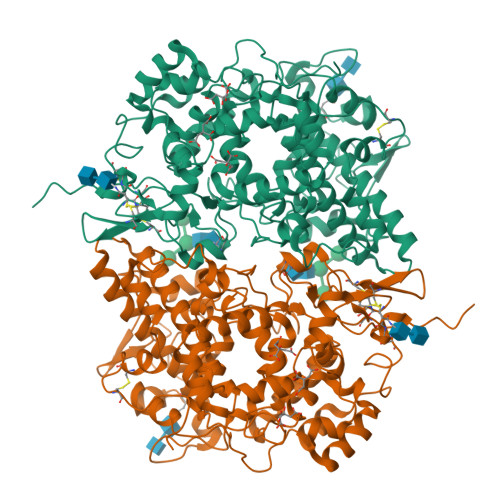 Click to view 3D structure | Prostaglandin G/H synthase 1 | P23219 | Humans | Predicted (SEA) | - Prediction Confidence Score
- 0.32
- Applicability Domain
- 0.341
- Statistical Significance
- 0.0062
- Supporting Reference Compounds
- 136
- E-value
- 48.2665
|
 Click to view 3D structure | Polyunsaturated fatty acid 5-lipoxygenase | P12527 | Rattus norvegicus | Predicted (SEA) | - Prediction Confidence Score
- 0.317
- Applicability Domain
- 0.333
- Statistical Significance
- 0.0044
- Supporting Reference Compounds
- 78
- E-value
- 33.9423
|
 Click to view 3D structure | Prostaglandin G/H synthase 2 | P35354 | Humans | Predicted (SEA) | - Prediction Confidence Score
- 0.294
- Applicability Domain
- 0.341
- Statistical Significance
- 0.0197
- Supporting Reference Compounds
- 201
- E-value
- 153.597
|
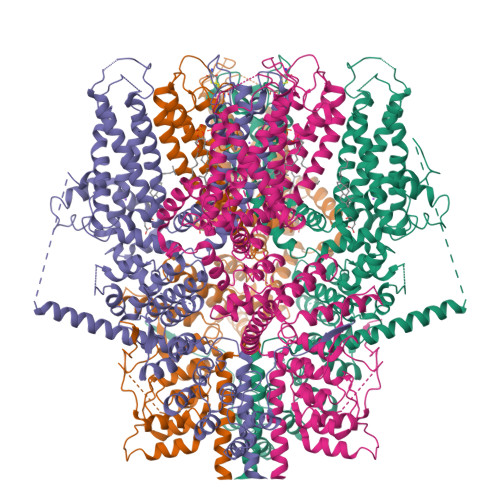 Click to view 3D structure | Short transient receptor potential channel 4 | Q9QUQ5 | Mus musculus | Predicted (SEA) | - Prediction Confidence Score
- 0.254
- Applicability Domain
- 0.379
- Statistical Significance
- 0.0521
- Supporting Reference Compounds
- 128
- E-value
- 405.672
|
 Click to view 3D structure | Carbonic anhydrase 2 | P00918 | Humans | Predicted (SEA) | - Prediction Confidence Score
- 0.253
- Applicability Domain
- 0.433
- Statistical Significance
- 0.1526
- Supporting Reference Compounds
- 472
- E-value
- 1188.29
|
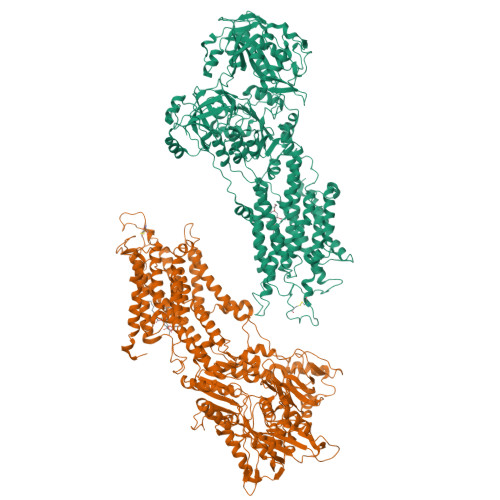 Click to view 3D structure | Sarcoplasmic/endoplasmic reticulum calcium ATPase 1 | P04191 | Oryctolagus cuniculus | Predicted (SEA) | - Prediction Confidence Score
- 0.252
- Applicability Domain
- 0.379
- Statistical Significance
- 3.70e-04
- Supporting Reference Compounds
- 15
- E-value
- 2.88042
|
 Click to view 3D structure | Prostaglandin G/H synthase 1 | P05979 | Ovis aries | Predicted (SEA) | - Prediction Confidence Score
- 0.249
- Applicability Domain
- 0.302
- Statistical Significance
- 0.0448
- Supporting Reference Compounds
- 106
- E-value
- 349.076
|
 Click to view 3D structure | Nuclear receptor subfamily 1 group I member 2 | O75469 | Humans | Predicted (SEA) | - Prediction Confidence Score
- 0.244
- Applicability Domain
- 0.372
- Statistical Significance
- 0.0359
- Supporting Reference Compounds
- 146
- E-value
- 279.868
|
 Click to view 3D structure | Tyrosinase | P14679 | Humans | Predicted (SEA) | - Prediction Confidence Score
- 0.243
- Applicability Domain
- 0.433
- Statistical Significance
- 0.0067
- Supporting Reference Compounds
- 29
- E-value
- 52.3147
|
| Click to view 3D structure | Sarcoplasmic/endoplasmic reticulum calcium ATPase 2 | P11507 | Rattus norvegicus | Predicted (SEA) | - Prediction Confidence Score
- 0.242
- Applicability Domain
- 0.242 Low confidence
- Statistical Significance
- 7.60e-04
- Supporting Reference Compounds
- 1
- E-value
- 5.91654
|
 Click to view 3D structure | Retinoic acid receptor RXR-alpha | P19793 | Humans | Predicted (SEA) | - Prediction Confidence Score
- 0.242
- Applicability Domain
- 0.315
- Statistical Significance
- 0.0203
- Supporting Reference Compounds
- 82
- E-value
- 158.423
|
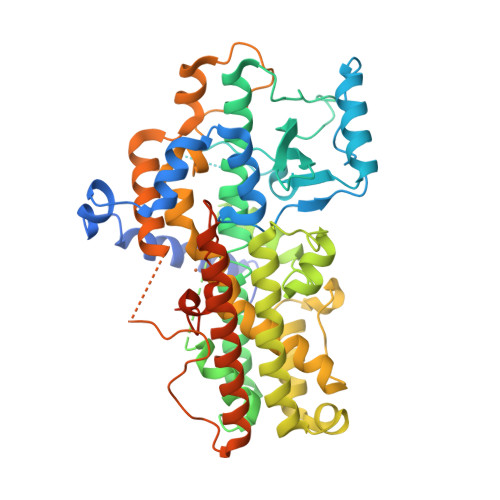 Click to view 3D structure | Polyunsaturated fatty acid lipoxygenase ALOX12 | P18054 | Humans | Predicted (SEA) | - Prediction Confidence Score
- 0.241
- Applicability Domain
- 0.343
- Statistical Significance
- 0.0076
- Supporting Reference Compounds
- 31
- E-value
- 59.4768
|
| Click to view 3D structure | Polyunsaturated fatty acid lipoxygenase ALOX15 | P16050 | Humans | Predicted (SEA) | - Prediction Confidence Score
- 0.24
- Applicability Domain
- 0.343
- Statistical Significance
- 0.0117
- Supporting Reference Compounds
- 46
- E-value
- 90.85
|
 Click to view 3D structure | Alpha-2A adrenergic receptor | P08913 | Humans | Predicted (SEA) | - Prediction Confidence Score
- 0.238
- Applicability Domain
- 0.286 Low confidence
- Statistical Significance
- 0.2404
- Supporting Reference Compounds
- 487
- E-value
- 1871.88
|
 Click to view 3D structure | 5-hydroxytryptamine receptor 1D | P28221 | Humans | Predicted (SEA) | - Prediction Confidence Score
- 0.236
- Applicability Domain
- 0.286 Low confidence
- Statistical Significance
- 0.2147
- Supporting Reference Compounds
- 365
- E-value
- 1671.58
|
 Click to view 3D structure | Induced myeloid leukemia cell differentiation protein Mcl-1 | Q07820 | Humans | Predicted (SEA) | - Prediction Confidence Score
- 0.232
- Applicability Domain
- 0.286 Low confidence
- Statistical Significance
- 0.1835
- Supporting Reference Compounds
- 343
- E-value
- 1428.61
|
| Click to view 3D structure | DNA damage-inducible transcript 3 protein | P35639 | Mus musculus | Predicted (SEA) | - Prediction Confidence Score
- 0.228
- Applicability Domain
- 0.238 Low confidence
- Statistical Significance
- 0.196
- Supporting Reference Compounds
- 226
- E-value
- 1525.84
|
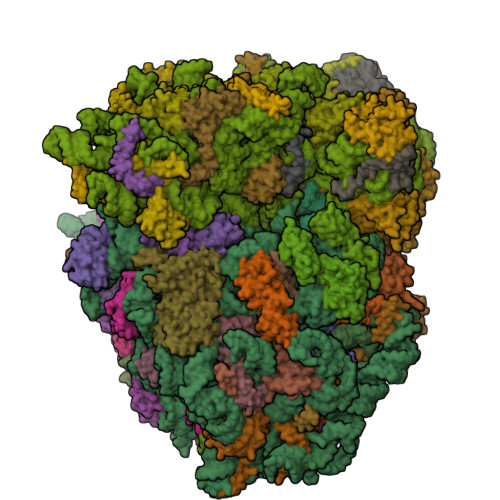 Click to view 3D structure | X-box-binding protein 1 | P17861 | Humans | Predicted (SEA) | - Prediction Confidence Score
- 0.228
- Applicability Domain
- 0.238 Low confidence
- Statistical Significance
- 0.1964
- Supporting Reference Compounds
- 227
- E-value
- 1528.8
|
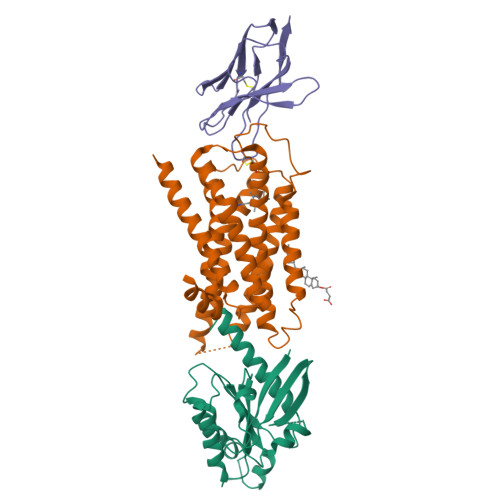 Click to view 3D structure | Alpha-1A adrenergic receptor | P35348 | Humans | Predicted (SEA) | - Prediction Confidence Score
- 0.227
- Applicability Domain
- 0.286 Low confidence
- Statistical Significance
- 0.3005
- Supporting Reference Compounds
- 376
- E-value
- 2339.21
|
 Click to view 3D structure | 5-hydroxytryptamine receptor 2B | P41595 | Humans | Predicted (SEA) | - Prediction Confidence Score
- 0.226
- Applicability Domain
- 0.286 Low confidence
- Statistical Significance
- 0.4905
- Supporting Reference Compounds
- 686
- E-value
- 3818.27
|
 Click to view 3D structure | 5-hydroxytryptamine receptor 6 | P50406 | Humans | Predicted (SEA) | - Prediction Confidence Score
- 0.226
- Applicability Domain
- 0.286 Low confidence
- Statistical Significance
- 0.3624
- Supporting Reference Compounds
- 536
- E-value
- 2821.49
|
 Click to view 3D structure | 5-hydroxytryptamine receptor 1B | P28222 | Humans | Predicted (SEA) | - Prediction Confidence Score
- 0.223
- Applicability Domain
- 0.286 Low confidence
- Statistical Significance
- 0.3323
- Supporting Reference Compounds
- 337
- E-value
- 2586.93
|
 Click to view 3D structure | CDGSH iron-sulfur domain-containing protein 1 | Q9NZ45 | Humans | Predicted (SEA) | - Prediction Confidence Score
- 0.223
- Applicability Domain
- 0.333
- Statistical Significance
- 0.0055
- Supporting Reference Compounds
- 22
- E-value
- 42.7392
|
| Click to view 3D structure | Thioredoxin reductase 2, mitochondrial | Q9Z0J5 | Rattus norvegicus | Predicted (SEA) | - Prediction Confidence Score
- 0.222
- Applicability Domain
- 0.222 Low confidence
- Statistical Significance
- 2.60e-04
- Supporting Reference Compounds
- 1
- E-value
- 2.02408
|

