 Click to view 3D structure | Autotaxin | Q13822 | Humans | Predicted (SEA) | - Prediction Confidence Score
- 0.226
- Applicability Domain
- 0.228 Low confidence
- Statistical Significance
- 0.0173
- Supporting Reference Compounds
- 40
- E-value
- 134.835
|
 Click to view 3D structure | Lysophosphatidic acid receptor 3 | Q8K5E0 | Rattus norvegicus | Predicted (SEA) | - Prediction Confidence Score
- 0.22
- Applicability Domain
- 0.228 Low confidence
- Statistical Significance
- 9.80e-04
- Supporting Reference Compounds
- 4
- E-value
- 7.62922
|
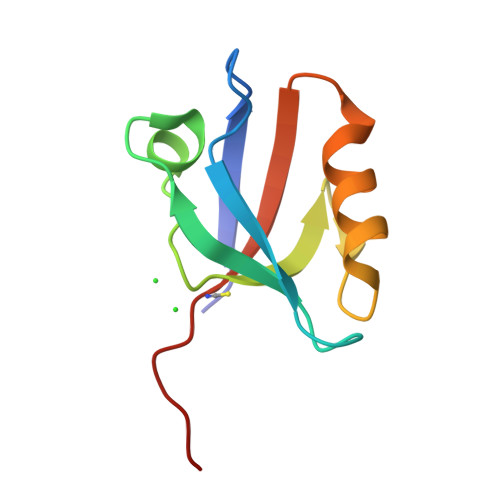 Click to view 3D structure | Lysophosphatidic acid receptor 2 | Q9HBW0 | Humans | Predicted (SEA) | - Prediction Confidence Score
- 0.207
- Applicability Domain
- 0.228 Low confidence
- Statistical Significance
- 0.0228
- Supporting Reference Compounds
- 30
- E-value
- 177.574
|
| Click to view 3D structure | Non-lysosomal glucosylceramidase | Q9HCG7 | Humans | Predicted (SEA) | - Prediction Confidence Score
- 0.188
- Applicability Domain
- 0.196 Low confidence
- Statistical Significance
- 0.0089
- Supporting Reference Compounds
- 21
- E-value
- 69.5194
|
| Click to view 3D structure | Ceramide glucosyltransferase | O88693 | Mus musculus | Predicted (SEA) | - Prediction Confidence Score
- 0.188
- Applicability Domain
- 0.196 Low confidence
- Statistical Significance
- 0.0054
- Supporting Reference Compounds
- 14
- E-value
- 42.4278
|
| Click to view 3D structure | Sucrase-isomaltase | B5THE3 | Mus musculus | Predicted (SEA) | - Prediction Confidence Score
- 0.178
- Applicability Domain
- 0.196 Low confidence
- Statistical Significance
- 0.0047
- Supporting Reference Compounds
- 7
- E-value
- 36.9005
|
 Click to view 3D structure | Muscarinic acetylcholine receptor M2 | P08172 | Humans | Predicted (SEA) | - Prediction Confidence Score
- 0.176
- Applicability Domain
- 0.256 Low confidence
- Statistical Significance
- 0.9093
- Supporting Reference Compounds
- 373
- E-value
- 7078.67
|
 Click to view 3D structure | Muscarinic acetylcholine receptor M4 | P08173 | Humans | Predicted (SEA) | - Prediction Confidence Score
- 0.176
- Applicability Domain
- 0.256 Low confidence
- Statistical Significance
- 0.8579
- Supporting Reference Compounds
- 297
- E-value
- 6678.84
|
 Click to view 3D structure | Lysosomal acid glucosylceramidase | P04062 | Humans | Predicted (SEA) | - Prediction Confidence Score
- 0.172
- Applicability Domain
- 0.196 Low confidence
- Statistical Significance
- 0.128
- Supporting Reference Compounds
- 35
- E-value
- 996.704
|
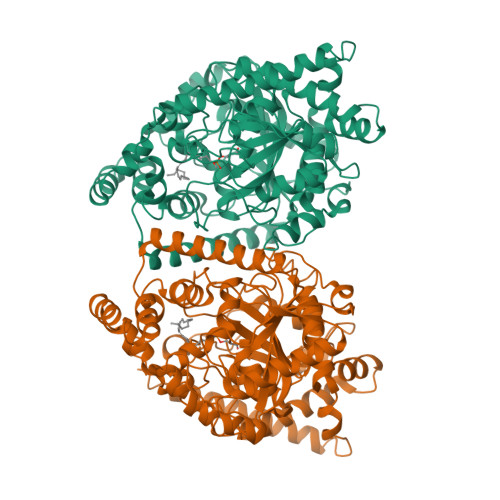 Click to view 3D structure | Fatty-acid amide hydrolase 1 | P97612 | Rattus norvegicus | Predicted (SEA) | - Prediction Confidence Score
- 0.169
- Applicability Domain
- 0.26 Low confidence
- Statistical Significance
- 0.6864
- Supporting Reference Compounds
- 102
- E-value
- 5343.49
|
 Click to view 3D structure | Lysosomal alpha-glucosidase | P10253 | Humans | Predicted (SEA) | - Prediction Confidence Score
- 0.169
- Applicability Domain
- 0.213 Low confidence
- Statistical Significance
- 0.0095
- Supporting Reference Compounds
- 21
- E-value
- 74.1125
|
| Click to view 3D structure | Lysosomal alpha-glucosidase | P70699 | Mus musculus | Predicted (SEA) | - Prediction Confidence Score
- 0.168
- Applicability Domain
- 0.196 Low confidence
- Statistical Significance
- 0.0065
- Supporting Reference Compounds
- 7
- E-value
- 50.4463
|
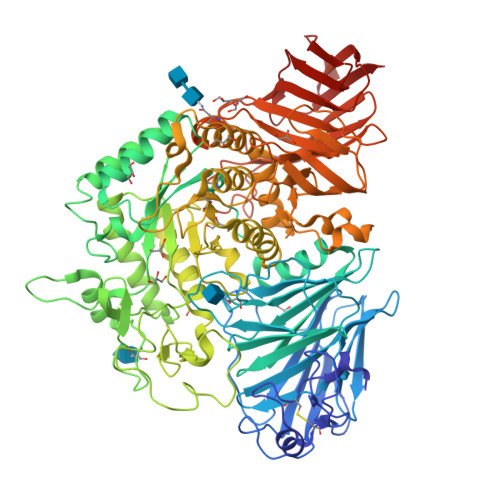 Click to view 3D structure | Maltase-glucoamylase | O43451 | Humans | Predicted (SEA) | - Prediction Confidence Score
- 0.167
- Applicability Domain
- 0.213 Low confidence
- Statistical Significance
- 0.0383
- Supporting Reference Compounds
- 30
- E-value
- 298.474
|
 Click to view 3D structure | Voltage-gated inwardly rectifying potassium channel KCNH2 | Q12809 | Humans | Predicted (SEA) | - Prediction Confidence Score
- 0.167
- Applicability Domain
- 0.176 Low confidence
- Statistical Significance
- 0.9894
- Supporting Reference Compounds
- 1498
- E-value
- 7702.4
|
 Click to view 3D structure | High affinity choline transporter 1 | Q9GZV3 | Humans | Predicted (SEA) | - Prediction Confidence Score
- 0.163
- Applicability Domain
- 0.256 Low confidence
- Statistical Significance
- 0.7434
- Supporting Reference Compounds
- 75
- E-value
- 5787.47
|
| Click to view 3D structure | Histamine H1 receptor | P31389 | Cavia porcellus | Predicted (SEA) | - Prediction Confidence Score
- 0.162
- Applicability Domain
- 0.182 Low confidence
- Statistical Significance
- 0.7806
- Supporting Reference Compounds
- 101
- E-value
- 6076.68
|
 Click to view 3D structure | RAC-alpha serine/threonine-protein kinase | P31749 | Humans | Predicted (SEA) | - Prediction Confidence Score
- 0.161
- Applicability Domain
- 0.183 Low confidence
- Statistical Significance
- 0.9831
- Supporting Reference Compounds
- 797
- E-value
- 7653.43
|
 Click to view 3D structure | 5-hydroxytryptamine receptor 1A | P08908 | Humans | Predicted (SEA) | - Prediction Confidence Score
- 0.16
- Applicability Domain
- 0.169 Low confidence
- Statistical Significance
- 0.9816
- Supporting Reference Compounds
- 953
- E-value
- 7641.6
|
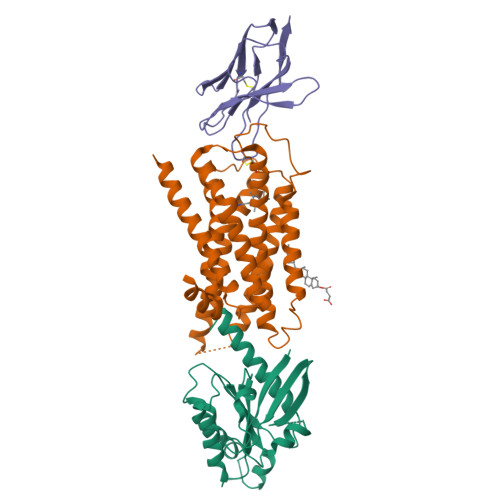 Click to view 3D structure | Alpha-1A adrenergic receptor | P35348 | Humans | Predicted (SEA) | - Prediction Confidence Score
- 0.16
- Applicability Domain
- 0.169 Low confidence
- Statistical Significance
- 0.9639
- Supporting Reference Compounds
- 376
- E-value
- 7503.81
|
| Click to view 3D structure | Beta-1 adrenergic receptor | P18090 | Rattus norvegicus | Predicted (SEA) | - Prediction Confidence Score
- 0.16
- Applicability Domain
- 0.169 Low confidence
- Statistical Significance
- 0.4965
- Supporting Reference Compounds
- 43
- E-value
- 3865.45
|
| Click to view 3D structure | D(2) dopamine receptor | P61169 | Rat | Predicted (SEA) | - Prediction Confidence Score
- 0.159
- Applicability Domain
- 0.176 Low confidence
- Statistical Significance
- 0.9405
- Supporting Reference Compounds
- 528
- E-value
- 7321.8
|
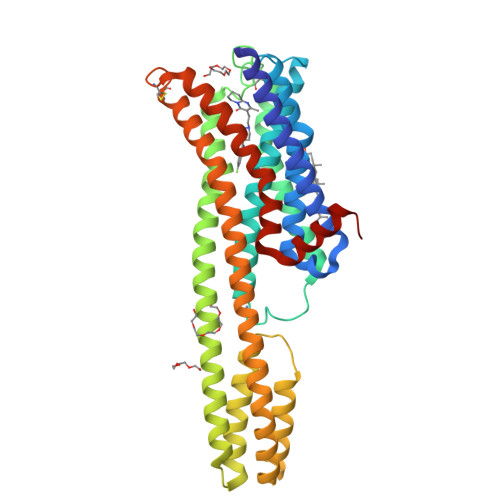 Click to view 3D structure | 5-hydroxytryptamine receptor 2A | P28223 | Humans | Predicted (SEA) | - Prediction Confidence Score
- 0.159
- Applicability Domain
- 0.169 Low confidence
- Statistical Significance
- 0.9863
- Supporting Reference Compounds
- 955
- E-value
- 7677.96
|
 Click to view 3D structure | 5-hydroxytryptamine receptor 2C | P28335 | Humans | Predicted (SEA) | - Prediction Confidence Score
- 0.159
- Applicability Domain
- 0.169 Low confidence
- Statistical Significance
- 0.9853
- Supporting Reference Compounds
- 823
- E-value
- 7670.17
|
 Click to view 3D structure | 5-hydroxytryptamine receptor 6 | P50406 | Humans | Predicted (SEA) | - Prediction Confidence Score
- 0.159
- Applicability Domain
- 0.169 Low confidence
- Statistical Significance
- 0.9719
- Supporting Reference Compounds
- 536
- E-value
- 7566.17
|
 Click to view 3D structure | Tyrosine-protein kinase JAK2 | O60674 | Humans | Predicted (SEA) | - Prediction Confidence Score
- 0.159
- Applicability Domain
- 0.171 Low confidence
- Statistical Significance
- 0.9804
- Supporting Reference Compounds
- 1022
- E-value
- 7632.26
|

