 Click to view 3D structure | Secernin-3 | Q0VDG4 | Humans | Predicted (SEA) | - Prediction Confidence Score
- 0.387
- Applicability Domain
- 0.387
- Statistical Significance
- 4.00e-05
- Supporting Reference Compounds
- 1
- E-value
- 0.311397
|
 Click to view 3D structure | Vascular endothelial growth factor receptor 2 | P35968 | Humans | Predicted (SEA) | - Prediction Confidence Score
- 0.359
- Applicability Domain
- 0.365
- Statistical Significance
- 0.0559
- Supporting Reference Compounds
- 1660
- E-value
- 434.866
|
 Click to view 3D structure | Epidermal growth factor receptor | P00533 | Humans | Predicted (SEA) | - Prediction Confidence Score
- 0.359
- Applicability Domain
- 0.383
- Statistical Significance
- 0.0496
- Supporting Reference Compounds
- 1301
- E-value
- 385.976
|
 Click to view 3D structure | Mast/stem cell growth factor receptor Kit | P10721 | Humans | Predicted (SEA) | - Prediction Confidence Score
- 0.356
- Applicability Domain
- 0.365
- Statistical Significance
- 0.0395
- Supporting Reference Compounds
- 905
- E-value
- 307.894
|
 Click to view 3D structure | Tyrosine-protein kinase Lck | P06239 | Humans | Predicted (SEA) | - Prediction Confidence Score
- 0.355
- Applicability Domain
- 0.365
- Statistical Significance
- 0.0503
- Supporting Reference Compounds
- 1130
- E-value
- 391.815
|
 Click to view 3D structure | Mitogen-activated protein kinase 14 | Q16539 | Humans | Predicted (SEA) | - Prediction Confidence Score
- 0.355
- Applicability Domain
- 0.365
- Statistical Significance
- 0.0298
- Supporting Reference Compounds
- 668
- E-value
- 231.679
|
 Click to view 3D structure | Prostaglandin G/H synthase 2 | P35354 | Humans | Predicted (SEA) | - Prediction Confidence Score
- 0.355
- Applicability Domain
- 0.462
- Statistical Significance
- 0.0048
- Supporting Reference Compounds
- 201
- E-value
- 37.4455
|
| Click to view 3D structure | Telomerase reverse transcriptase | Q673L6 | Rattus norvegicus | Predicted (SEA) | - Prediction Confidence Score
- 0.35
- Applicability Domain
- 0.35
- Statistical Significance
- 1.30e-04
- Supporting Reference Compounds
- 1
- E-value
- 1.01204
|
 Click to view 3D structure | Aurora kinase A | O14965 | Humans | Predicted (SEA) | - Prediction Confidence Score
- 0.345
- Applicability Domain
- 0.367
- Statistical Significance
- 0.049
- Supporting Reference Compounds
- 996
- E-value
- 381.85
|
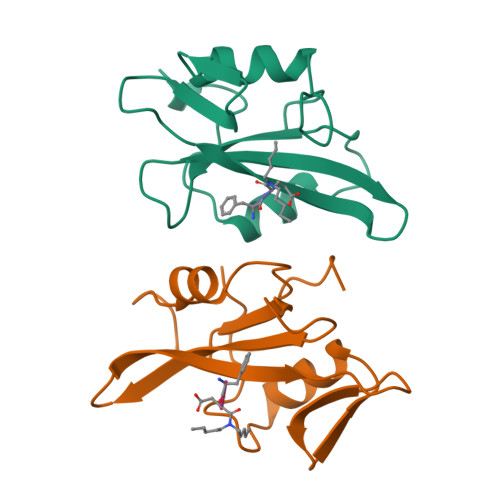 Click to view 3D structure | Proto-oncogene tyrosine-protein kinase Src | P12931 | Humans | Predicted (SEA) | - Prediction Confidence Score
- 0.345
- Applicability Domain
- 0.358
- Statistical Significance
- 0.0541
- Supporting Reference Compounds
- 1158
- E-value
- 421.476
|
 Click to view 3D structure | Macrophage colony-stimulating factor 1 receptor | P07333 | Humans | Predicted (SEA) | - Prediction Confidence Score
- 0.344
- Applicability Domain
- 0.358
- Statistical Significance
- 0.0439
- Supporting Reference Compounds
- 833
- E-value
- 342.147
|
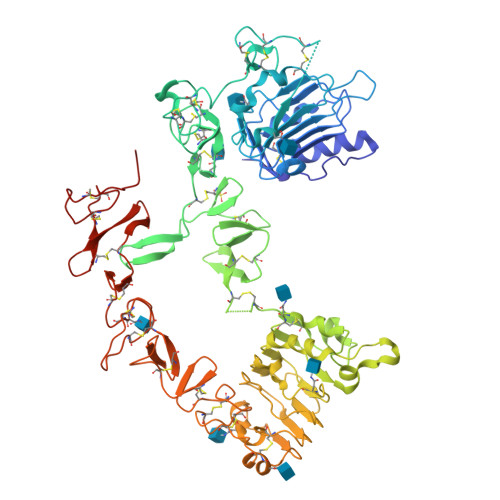 Click to view 3D structure | Receptor tyrosine-protein kinase erbB-4 | Q15303 | Humans | Predicted (SEA) | - Prediction Confidence Score
- 0.343
- Applicability Domain
- 0.367
- Statistical Significance
- 0.0357
- Supporting Reference Compounds
- 591
- E-value
- 278.0
|
 Click to view 3D structure | Vascular endothelial growth factor receptor 1 | P17948 | Humans | Predicted (SEA) | - Prediction Confidence Score
- 0.342
- Applicability Domain
- 0.358
- Statistical Significance
- 0.0388
- Supporting Reference Compounds
- 711
- E-value
- 301.977
|
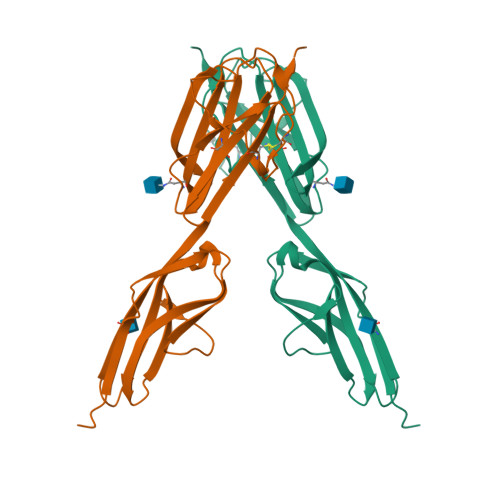 Click to view 3D structure | Vascular endothelial growth factor receptor 3 | P35916 | Humans | Predicted (SEA) | - Prediction Confidence Score
- 0.342
- Applicability Domain
- 0.358
- Statistical Significance
- 0.034
- Supporting Reference Compounds
- 687
- E-value
- 264.765
|
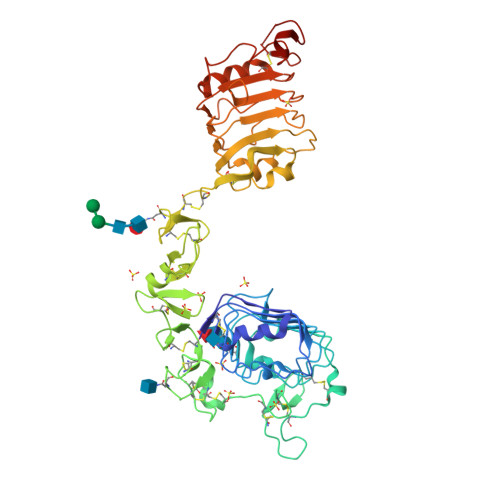 Click to view 3D structure | Insulin-like growth factor 1 receptor | P08069 | Humans | Predicted (SEA) | - Prediction Confidence Score
- 0.341
- Applicability Domain
- 0.358
- Statistical Significance
- 0.0445
- Supporting Reference Compounds
- 785
- E-value
- 346.74
|
 Click to view 3D structure | Tyrosine-protein kinase SYK | P43405 | Humans | Predicted (SEA) | - Prediction Confidence Score
- 0.341
- Applicability Domain
- 0.358
- Statistical Significance
- 0.0383
- Supporting Reference Compounds
- 625
- E-value
- 297.929
|
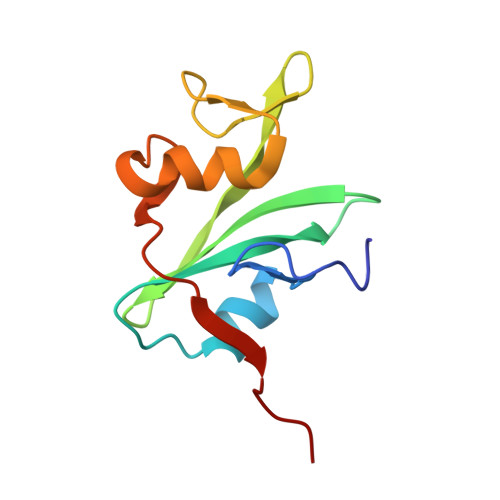 Click to view 3D structure | Tyrosine-protein kinase ABL1 | P00519 | Humans | Predicted (SEA) | - Prediction Confidence Score
- 0.34
- Applicability Domain
- 0.358
- Statistical Significance
- 0.0511
- Supporting Reference Compounds
- 927
- E-value
- 398.043
|
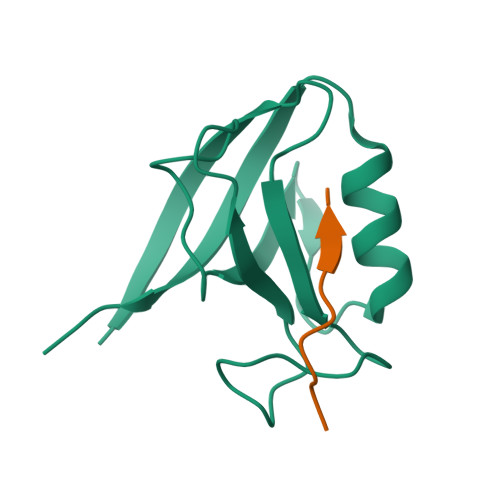 Click to view 3D structure | Receptor tyrosine-protein kinase erbB-2 | P04626 | Humans | Predicted (SEA) | - Prediction Confidence Score
- 0.34
- Applicability Domain
- 0.358
- Statistical Significance
- 0.0386
- Supporting Reference Compounds
- 674
- E-value
- 300.498
|
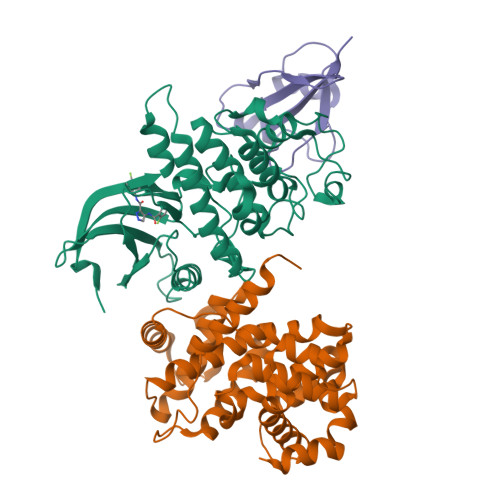 Click to view 3D structure | Cyclin-dependent kinase 1 | P06493 | Humans | Predicted (SEA) | - Prediction Confidence Score
- 0.34
- Applicability Domain
- 0.358
- Statistical Significance
- 0.0336
- Supporting Reference Compounds
- 715
- E-value
- 261.963
|
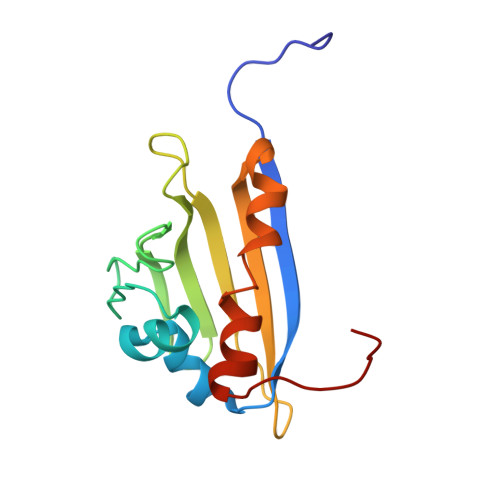 Click to view 3D structure | Activator of 90 kDa heat shock protein ATPase homolog 1 | O95433 | Humans | Predicted (SEA) | - Prediction Confidence Score
- 0.34
- Applicability Domain
- 0.34
- Statistical Significance
- 2.30e-04
- Supporting Reference Compounds
- 1
- E-value
- 1.79053
|
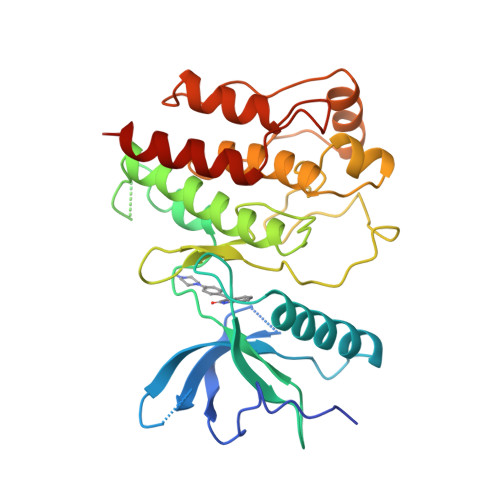 Click to view 3D structure | Fibroblast growth factor receptor 1 | P11362 | Humans | Predicted (SEA) | - Prediction Confidence Score
- 0.339
- Applicability Domain
- 0.358
- Statistical Significance
- 0.0534
- Supporting Reference Compounds
- 1010
- E-value
- 415.715
|
 Click to view 3D structure | Angiopoietin-1 receptor | Q02763 | Humans | Predicted (SEA) | - Prediction Confidence Score
- 0.335
- Applicability Domain
- 0.365
- Statistical Significance
- 0.0224
- Supporting Reference Compounds
- 285
- E-value
- 174.771
|
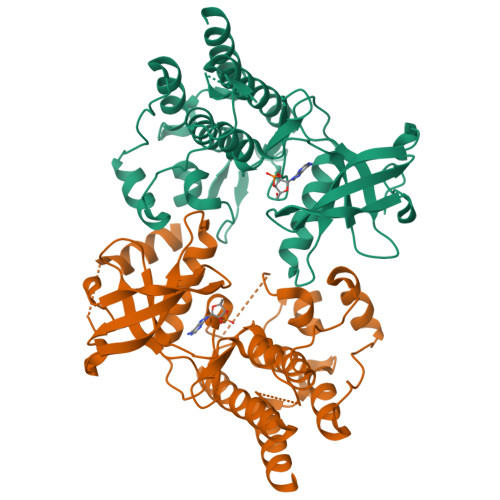 Click to view 3D structure | Proto-oncogene tyrosine-protein kinase receptor Ret | P07949 | Humans | Predicted (SEA) | - Prediction Confidence Score
- 0.334
- Applicability Domain
- 0.358
- Statistical Significance
- 0.0525
- Supporting Reference Compounds
- 764
- E-value
- 409.098
|
 Click to view 3D structure | Tyrosine-protein kinase BTK | Q06187 | Humans | Predicted (SEA) | - Prediction Confidence Score
- 0.334
- Applicability Domain
- 0.358
- Statistical Significance
- 0.0587
- Supporting Reference Compounds
- 798
- E-value
- 457.364
|
 Click to view 3D structure | Serine/threonine-protein kinase pim-1 | P11309 | Humans | Predicted (SEA) | - Prediction Confidence Score
- 0.333
- Applicability Domain
- 0.358
- Statistical Significance
- 0.0525
- Supporting Reference Compounds
- 967
- E-value
- 408.553
|

