 Click to view 3D structure | Carbonic anhydrase 1 | P00915 | Humans | Predicted (SEA) | - Prediction Confidence Score
- 0.298
- Applicability Domain
- 0.423
- Statistical Significance
- 0.0398
- Supporting Reference Compounds
- 407
- E-value
- 309.996
|
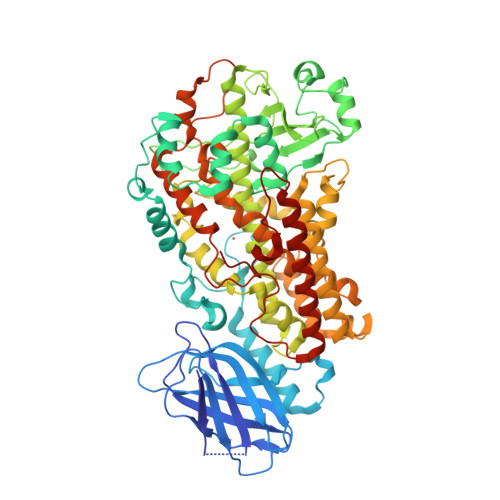 Click to view 3D structure | Polyunsaturated fatty acid 5-lipoxygenase | P09917 | Humans | Predicted (SEA) | - Prediction Confidence Score
- 0.291
- Applicability Domain
- 0.367
- Statistical Significance
- 0.0158
- Supporting Reference Compounds
- 182
- E-value
- 123.391
|
 Click to view 3D structure | Cytochrome P450 1A2 | P05177 | Humans | Predicted (SEA) | - Prediction Confidence Score
- 0.291
- Applicability Domain
- 0.333
- Statistical Significance
- 0.0935
- Supporting Reference Compounds
- 793
- E-value
- 727.579
|
 Click to view 3D structure | 5-hydroxytryptamine receptor 2C | P28335 | Humans | Predicted (SEA) | - Prediction Confidence Score
- 0.289
- Applicability Domain
- 0.355
- Statistical Significance
- 0.0892
- Supporting Reference Compounds
- 823
- E-value
- 694.493
|
 Click to view 3D structure | 5-hydroxytryptamine receptor 2B | P41595 | Humans | Predicted (SEA) | - Prediction Confidence Score
- 0.289
- Applicability Domain
- 0.355
- Statistical Significance
- 0.0713
- Supporting Reference Compounds
- 686
- E-value
- 555.454
|
 Click to view 3D structure | Cytochrome P450 1B1 | Q16678 | Humans | Predicted (SEA) | - Prediction Confidence Score
- 0.28
- Applicability Domain
- 0.333
- Statistical Significance
- 0.0121
- Supporting Reference Compounds
- 88
- E-value
- 94.509
|
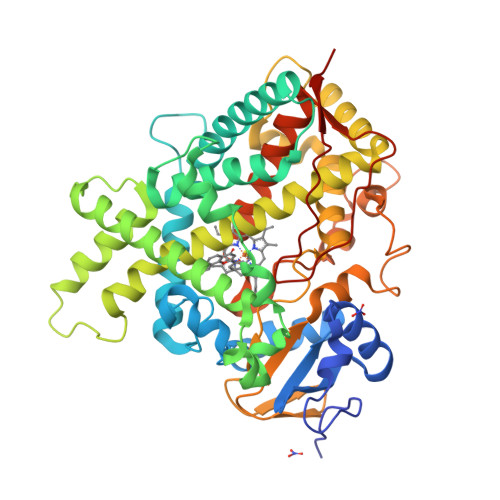 Click to view 3D structure | Cytochrome P450 1A1 | P04798 | Humans | Predicted (SEA) | - Prediction Confidence Score
- 0.28
- Applicability Domain
- 0.333
- Statistical Significance
- 0.0095
- Supporting Reference Compounds
- 77
- E-value
- 74.0346
|
 Click to view 3D structure | Amine oxidase [flavin-containing] B | P19643 | Rattus norvegicus | Predicted (SEA) | - Prediction Confidence Score
- 0.277
- Applicability Domain
- 0.367
- Statistical Significance
- 0.0139
- Supporting Reference Compounds
- 77
- E-value
- 107.899
|
 Click to view 3D structure | Sodium-dependent serotonin transporter | P31645 | Humans | Predicted (SEA) | - Prediction Confidence Score
- 0.276
- Applicability Domain
- 0.324
- Statistical Significance
- 0.0896
- Supporting Reference Compounds
- 593
- E-value
- 697.373
|
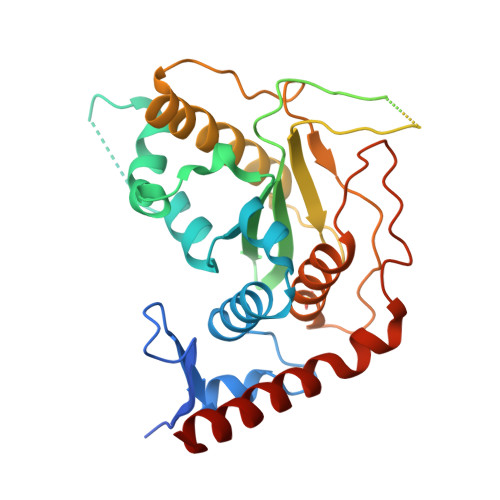 Click to view 3D structure | Sentrin-specific protease 7 | Q9BQF6 | Humans | Predicted (SEA) | - Prediction Confidence Score
- 0.276
- Applicability Domain
- 0.324
- Statistical Significance
- 0.0261
- Supporting Reference Compounds
- 118
- E-value
- 203.264
|
 Click to view 3D structure | Cytochrome P450 2A6 | P11509 | Humans | Predicted (SEA) | - Prediction Confidence Score
- 0.275
- Applicability Domain
- 0.478
- Statistical Significance
- 0.0033
- Supporting Reference Compounds
- 68
- E-value
- 25.4567
|
| Click to view 3D structure | Glutamate racemase | Q03469 | Lactobacillus fermentum | Predicted (SEA) | - Prediction Confidence Score
- 0.275
- Applicability Domain
- 0.275 Low confidence
- Statistical Significance
- 0.0028
- Supporting Reference Compounds
- 1
- E-value
- 22.0313
|
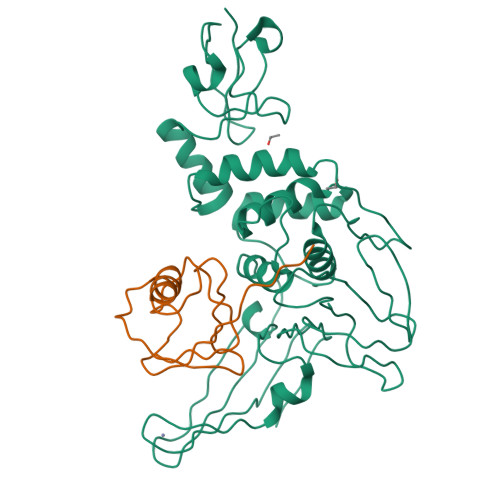 Click to view 3D structure | Replicase polyprotein 1ab | K9N7C7 | Middle East respiratory syndrome-related coronavirus (isolate United Kingdom/H123990006/2012) | Predicted (SEA) | - Prediction Confidence Score
- 0.275
- Applicability Domain
- 0.355
- Statistical Significance
- 0.0012
- Supporting Reference Compounds
- 48
- E-value
- 9.49761
|
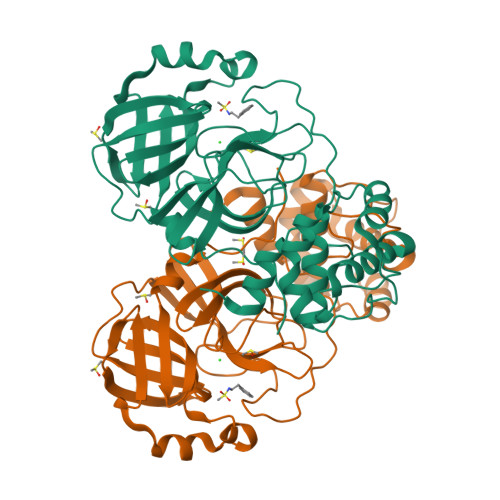 Click to view 3D structure | Replicase polyprotein 1ab | P0DTD1 | SARS-CoV-2 | Predicted (SEA) | - Prediction Confidence Score
- 0.273
- Applicability Domain
- 0.355
- Statistical Significance
- 0.0305
- Supporting Reference Compounds
- 215
- E-value
- 237.829
|
| Click to view 3D structure | Norepinephrine transporter | Q9WTR4 | Rattus norvegicus | Predicted (SEA) | - Prediction Confidence Score
- 0.272
- Applicability Domain
- 0.355
- Statistical Significance
- 0.0191
- Supporting Reference Compounds
- 112
- E-value
- 148.381
|
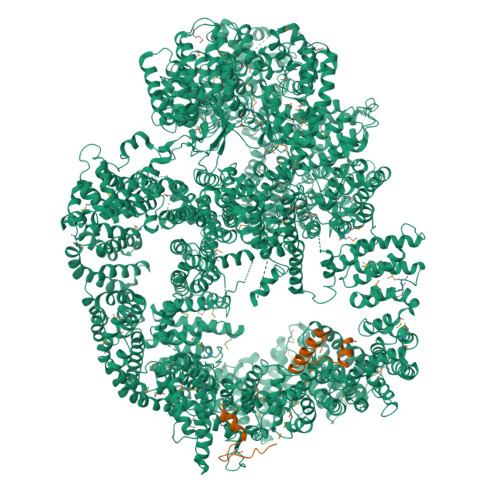 Click to view 3D structure | DNA-dependent protein kinase catalytic subunit | P78527 | Humans | Predicted (SEA) | - Prediction Confidence Score
- 0.271
- Applicability Domain
- 0.333
- Statistical Significance
- 0.0305
- Supporting Reference Compounds
- 219
- E-value
- 237.829
|
 Click to view 3D structure | Epidermal growth factor receptor | P00533 | Humans | Predicted (SEA) | - Prediction Confidence Score
- 0.27
- Applicability Domain
- 0.355
- Statistical Significance
- 0.2611
- Supporting Reference Compounds
- 1301
- E-value
- 2032.33
|
| Click to view 3D structure | Mannose-6-phosphate isomerase | P34949 | Humans | Predicted (SEA) | - Prediction Confidence Score
- 0.269
- Applicability Domain
- 0.297 Low confidence
- Statistical Significance
- 0.0014
- Supporting Reference Compounds
- 53
- E-value
- 10.7432
|
 Click to view 3D structure | Transcription factor SOX-18 | P43680 | Mus musculus | Predicted (SEA) | - Prediction Confidence Score
- 0.268
- Applicability Domain
- 0.268 Low confidence
- Statistical Significance
- 0.0021
- Supporting Reference Compounds
- 1
- E-value
- 16.1926
|
| Click to view 3D structure | Transcription factor SOX-18 | P35713 | Humans | Predicted (SEA) | - Prediction Confidence Score
- 0.268
- Applicability Domain
- 0.268 Low confidence
- Statistical Significance
- 0.0021
- Supporting Reference Compounds
- 1
- E-value
- 16.1926
|
| Click to view 3D structure | Secernin-3 | Q0VDG4 | Humans | Predicted (SEA) | - Prediction Confidence Score
- 0.423
- Applicability Domain
- 0.423
- Statistical Significance
- 3.00e-05
- Supporting Reference Compounds
- 1
- E-value
- 0.233548
|
| Click to view 3D structure | Cytochrome P450 2A5 | P20852 | Mus musculus | Predicted (SEA) | - Prediction Confidence Score
- 0.313
- Applicability Domain
- 0.478
- Statistical Significance
- 1.40e-04
- Supporting Reference Compounds
- 11
- E-value
- 1.08989
|
| Click to view 3D structure | Carboxylic ester hydrolase | A0A286ZKB1 | Sus scrofa | Predicted (SEA) | - Prediction Confidence Score
- 0.306
- Applicability Domain
- 0.341
- Statistical Significance
- 4.40e-04
- Supporting Reference Compounds
- 9
- E-value
- 3.42537
|
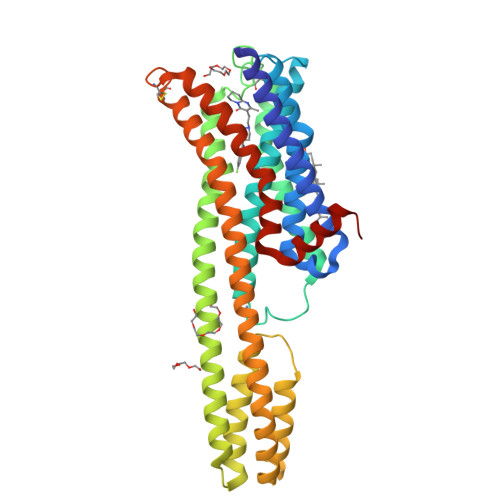 Click to view 3D structure | 5-hydroxytryptamine receptor 2A | P28223 | Humans | Predicted (SEA) | - Prediction Confidence Score
- 0.3
- Applicability Domain
- 0.355
- Statistical Significance
- 0.0816
- Supporting Reference Compounds
- 955
- E-value
- 634.938
|
 Click to view 3D structure | Carbonic anhydrase 2 | P00918 | Humans | Predicted (SEA) | - Prediction Confidence Score
- 0.298
- Applicability Domain
- 0.423
- Statistical Significance
- 0.0482
- Supporting Reference Compounds
- 472
- E-value
- 375.078
|

