Lup-20(29)-en-3-ol, (3ß)- (CED0125232)

Record Information
Version1.0
Creation Date2026-04-04 19:30:32 UTC
Update Date2026-05-20 19:06:29 UTC
SynCED IDCED0125232
Secondary Accession Numbers
  • CHEM079463
Identification
Common NameLup-20(29)-en-3-ol, (3ß)-
ClassSmall Molecule
Description
Lup-20(29)-en-3-ol, (3ß)- is a chemical compound with the formula C30H50O. Lup-20(29)-en-3-ol, (3ß)- belongs to the triterpenoids, a subclass of prenol lipids within the organic compounds. This substance has been found in or released from two recorded sources: indoor air (air, dust & atmospheric transport) and the preparation of vinegar (food, food processing & cookware). The recorded route of exposure is inhalation. Regarding health effects, the compound is associated with cancer (PMC9223357 ), although it has been noted to have a therapeutic effect on prostate cancer (PMC11223595 ).
Contaminant TypeNot Available
Chemical Structure
SynonymsNot Available
Chemical FormulaC30H50O
Average Molecular MassNot Available
Monoisotopic Mass426.386 g/mol
CAS Registry Number545-47-1
IUPAC NameNot Available
Traditional NameNot Available
SMILESNot Available
InChI IdentifierInChI=1/C30H50O/c1-19(2)20-11-14-27(5)17-18-29(7)21(25(20)27)9-10-23-28(6)15-13-24(31)26(3,4)22(28)12-16-30(23,29)8/h20-25,31H,1,9-18H2,2-8H3
InChI KeyMQYXUWHLBZFQQO-QGTGJCAVSA-N
Chemical Taxonomy
ClassificationNot classified
Biological Properties
StatusDetected and Not Quantified
OriginNot Available
Cellular LocationsNot Available
Biofluid LocationsNot Available
Tissue LocationsNot Available
ApplicationsNot Available
Biological Roles
Chemical RolesNot Available
Organoleptic EffectsNot Available
Physical Properties
StateNot Available
AppearanceNot Available
Experimental Properties
PropertyValue
Melting PointNot Available
Boiling PointNot Available
SolubilityNot Available
Predicted PropertiesNot Available
Spectra
Spectra
Spectrum TypeDescriptionSplash KeyDeposition DateView
Predicted GC-MSPredicted GC-MS SpectrumNot AvailableNot AvailableView Spectrum
Predicted LC-MS/MSPredicted LC-MS/MS Spectrumsplash10-0a6r-0011900000-5050c1fe6f79cc640e40Not AvailableView Spectrum
Predicted LC-MS/MSPredicted LC-MS/MS Spectrumsplash10-0a6r-0579800000-bb52e352c147b0af98caNot AvailableView Spectrum
Predicted LC-MS/MSPredicted LC-MS/MS Spectrumsplash10-0gbj-2597100000-25942c8a036898062a7aNot AvailableView Spectrum
Predicted LC-MS/MSPredicted LC-MS/MS Spectrumsplash10-004i-0000900000-d739c6a879f3b6b778ebNot AvailableView Spectrum
Predicted LC-MS/MSPredicted LC-MS/MS Spectrumsplash10-004i-0000900000-a2c05f9b1d8dd849100dNot AvailableView Spectrum
Predicted LC-MS/MSPredicted LC-MS/MS Spectrumsplash10-0a4l-1009500000-dc899db3dbe40f34e43eNot AvailableView Spectrum
MSMS SpectrumNot AvailableNot AvailableView Spectrum
Toxicity Profile
Toxicity Values
Toxicity ValueOrganismDose DescriptorRoute of ExposurePredicted or ExperimentalToxicity RatingReference
2134.0 Log mg/kg [1200:3800]RatLD50oralpredictedNot AvailableNot Available
Toxicity / Toxin ClassNot Available
Mechanism of ToxicityNot Available
Carcinogenicity (IARC Classification)Not Available
Minimum Risk LevelNot Available
SymptomsNot Available
TreatmentNot Available
Health Effects
Health EffectRelationshipDirectionDescriptionReference
cancerAssociated With?Not AvailableCancer is a group of diseases involving abnormal cell growth with the potential to invade or spread to other parts of the body. Possible signs and symptoms include a lump, abnormal bleeding, prolonged cough, unexplained weight loss, and a change in bowel movements. There are over 100 types of cancers affect humans. The risk of developing certain cancers can be reduced by not smoking, maintaining a healthy weight, not drinking too much alcohol, eating plenty of vegetables, fruits and whole grains, vaccination against certain infectious diseases, not eating too much processed and red meat and avoiding too much sunlight exposure. Cancer is often treated with some combination of radiation therapy, surgery, chemotherapy and targeted therapy. The majority of cancers, some 90–95% of cases, are due to genetic mutations from environmental and lifestyle factors. The remaining 5–10% are due to inherited genetics.PMC9223357
breast cancerHas Therapeutic Effect OnNot AvailableA breast cancer that has material basis in abnormally proliferating cells derives from epithelial cells. (DO)PMC11629274
Prostate cancerHas Therapeutic Effect OnNot AvailableA male reproductive organ cancer that is located in the prostate. (DO)PMC11223595 , PMC9664067
Toxic encephalopathyHas Therapeutic Effect OnNot AvailableNot AvailablePMC10347110
carcinomaHas Therapeutic Effect OnNot AvailableNot AvailablePMC10347110
Cell SurvivalHas Therapeutic Effect OnNot AvailableNot AvailablePMC12532804
NocturiaHas Therapeutic Effect OnNot AvailableNot AvailablePMC10347110
Keratosis, ActinicNot AvailableNot AvailableNot AvailablePMC10347110
nocturnal enuresisNot AvailableNot AvailableNot AvailablePMC10347110
enuresisNot AvailableNot AvailableNot AvailablePMC10347110
Exposure Sources
Source IDSourceSectorReference
CEDs000010Insecticides?Insecticides are synthetic chemicals designed to control or eliminate insect pests that threaten crops and other agricultural products.Agriculture & land managementPubChem
CEDs000013Soil?Soil serves as a critical medium for plant growth and sustains various ecological functions; however, it can become a reservoir for synthetic chemical contamination.Agriculture & land managementPMC13408990 , PMC13408990
CEDs000019Indoor air?Indoor air can be a significant reservoir for synthetic chemical contaminants, which often originate from various sources within enclosed environments.Air, dust & atmospheric transportNot Available
CEDs000545Food Preservation?Food preservation often involves the use of synthetic chemicals, such as preservatives, flavor enhancers, and color additives, to extend shelf life and enhance the sensory qualities of food products.Food, food processing & cookwarePubChem
CEDs000548Preparation Of Vinegar?Vinegar is produced through the fermentation of ethanol by acetic acid bacteria, resulting in a solution that typically contains 4-8% acetic acid.Food, food processing & cookwarePubChem
CEDs000563Soap Detergents?Soap detergents are synthetic surfactants designed to enhance the cleaning efficacy of water by reducing surface tension, allowing for better interaction with dirt and grease.Household cleaning & consumer productsPubChem
CEDs000569Tobacco Smoke Filters?Tobacco smoke filters are designed to reduce the inhalation of harmful substances in cigarette smoke, including tar and other particulate matter.Household cleaning & consumer productsPubChem
CEDs000580Manufacture Preparation Of Tobacco Products?The manufacture and preparation of tobacco products involve various processes that can result in the introduction of synthetic chemicals into the environment.Industrial manufacturing & chemical processingPubChem
CEDs000596Acaricides?Acaricides are synthetic chemicals specifically designed to target and control mite populations that can damage crops and plants.Agriculture & land managementPubChem
CEDs000597Chemosterilants?Chemosterilants are synthetic chemicals designed to induce sterility in target pest populations, thereby controlling their reproduction and mitigating damage to crops.Agriculture & land managementPubChem
CEDs000600Herbicides And Algicides?Herbicides and algicides are synthetic chemicals primarily used to control unwanted plants and algae in various environments.Agriculture & land managementPubChem
CEDs000602Molluscicides?Molluscicides are synthetic chemicals specifically designed to control and eliminate mollusks, such as snails and slugs, which can be detrimental to crops and agricultural productivity.Agriculture & land managementPubChem
CEDs000603Nematocides?Nematocides are synthetic chemicals specifically designed to control nematodes, which are microscopic roundworms that can cause significant damage to crops and plants.Agriculture & land managementPubChem
CEDs000604Pest Attractants?Pest attractants are synthetic chemicals designed to lure specific pests for monitoring or control purposes.Agriculture & land managementPubChem
CEDs000605Pest Repellants?Pest repellents, often formulated from synthetic chemicals, are widely used to protect crops from insect infestations and other pests.Agriculture & land managementPubChem
CEDs000606Plant Growth Regulators?Plant Growth Regulators (PGRs) are synthetic chemicals designed to influence the growth and development of plants.Agriculture & land managementPubChem
CEDs000607Rodenticides(1)?Rodenticides are synthetic chemicals specifically formulated to control rodent populations, serving as a crucial tool in managing pests that can damage crops and spread diseases.Agriculture & land managementPubChem
CEDs000608Rodenticides?Rodenticides are chemical substances specifically designed to control rodent populations by causing death through various mechanisms, including anticoagulation or neurotoxicity.Agriculture & land managementPubChem
CEDs000609Aftershave?Aftershave is a grooming product typically used to soothe and protect the skin following shaving.Personal care & cosmeticsPubChem
CEDs000610Aftersun Products?Aftersun products are designed to soothe and hydrate the skin after sun exposure, often containing various synthetic chemicals such as emollients, preservatives, and fragrances.Personal care & cosmeticsPubChem
CEDs000611Anti Perspirants Or Body Deoderants?Antiperspirants and body deodorants commonly contain synthetic chemicals such as aluminum compounds, parabens, and synthetic fragrances.Personal care & cosmeticsPubChem
CEDs000614Essential Oils Or Perfumes?Essential oils and perfumes are complex mixtures of volatile compounds derived from natural or synthetic sources, commonly used for their aromatic properties.Personal care & cosmeticsPubChem
CEDs000615Eye Makeup Products?Eye makeup products, including mascaras, eyeliners, and eyeshadows, often contain a variety of synthetic chemicals such as pigments, preservatives, and film-forming agents.Personal care & cosmeticsPubChem
CEDs000617Lip Care Products?Lip care products, including lipsticks, balms, and glosses, often contain a variety of synthetic chemicals such as parabens, phthalates, and synthetic fragrances.Personal care & cosmeticsPubChem
CEDs000618Lip Makeup Products?Lip makeup products, such as lipsticks, lip glosses, and lip liners, often contain a variety of synthetic chemicals, including pigments, preservatives, and emollients.Personal care & cosmeticsPubChem
CEDs000619Manicure Pedicure?Manicure and pedicure procedures often involve the use of various synthetic chemicals, including solvents, nail polishes, and nail adhesives.Personal care & cosmeticsPubChem
CEDs000632Apparel?Apparel production often involves the use of various synthetic chemicals, including dyes, finishing agents, and preservatives.Textiles, leather & furnishingsPubChem
CEDs000642Footwear?Footwear production often involves the use of various synthetic chemicals, such as adhesives, dyes, and treatments, which can contribute to environmental contamination.Textiles, leather & furnishingsPubChem
CEDs000657Surface Finishing Of Leather?Surface finishing of leather often involves the use of various synthetic chemicals, including dyes, resins, and finishing agents.Textiles, leather & furnishingsPubChem
CEDs000658Touch Fasteners?Touch fasteners, commonly known as hook-and-loop fasteners, are composed of synthetic materials such as nylon or polyester.Textiles, leather & furnishingsPubChem
CEDs000678Nitrogenous Fertilisers?Nitrogenous fertilizers are synthetic chemical compounds primarily used to enhance plant growth by supplying essential nitrogen, a crucial nutrient for photosynthesis and protein synthesis.Agriculture & land managementPubChem
CEDs000679Phosphatic Fertilisers?Phosphatic fertilizers are synthetic chemical products primarily composed of phosphorus, which is essential for plant growth.Agriculture & land managementPubChem
CEDs000696Nanotechnology?Nanotechnology involves the manipulation of materials at the molecular or atomic level, typically within the range of 1 to 100 nanometers.Industrial manufacturing & chemical processingPubChem
CEDs000734Coating Compositions?Coating compositions, which include paints, sealants, and varnishes, are formulated with a variety of synthetic chemicals such as solvents, resins, pigments, and additives.Building & ConstructionPubChem
CEDs000740Paper?Paper production involves the processing of wood fibers and the use of various chemicals, which can lead to synthetic chemical contamination.Paper, pulp & fiber productsPubChem
CEDs000741Pigment Pastes?Pigment pastes are concentrated dispersions of pigments used to impart color and properties to materials.Paper, pulp & fiber productsPubChem
CEDs000743Sludge Treatment?Sludge treatment involves the processing of waste materials generated from wastewater treatment plants, which often contain a variety of organic and inorganic substances.Wastewater, sanitation & biosolidsPubChem
CEDs000744Water, Wastewater, & Sewage Treatment?Water, wastewater, and sewage treatment processes are critical for managing and mitigating pollutants in water systems.Wastewater, sanitation & biosolidsPubChem
CEDs01144FoodFood, food processing & cookwarePMC10347110
CEDs01151FruitsFood, food processing & cookwarePMC13072824
CEDs01200VegetablesFood, food processing & cookwarePMC13072824
CEDs01202Olive OilFood, food processing & cookwarePMC10347110
Pathways
0 pathwaysPathway Source: PathBank

No pathways found

No metabolic pathways have been associated with this synthetic chemical

Targets
StructureProteinUniProt IDOrganismRelationshipDetails
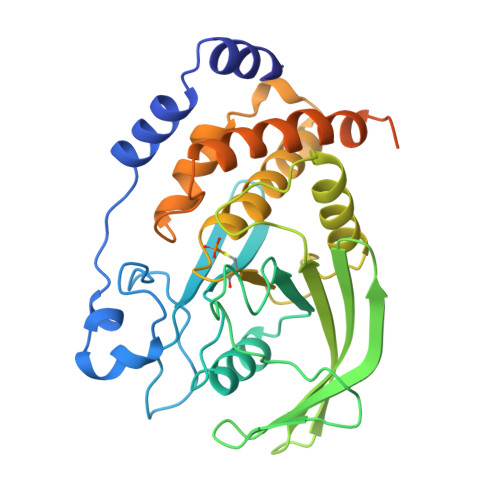
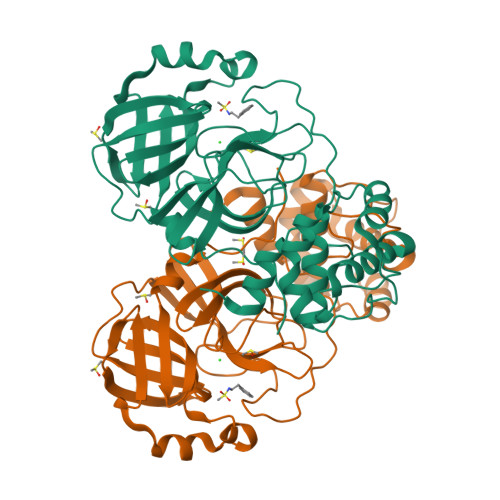
Tyrosine-protein phosphatase non-receptor type 1 structureClick to view 3D structureTyrosine-protein phosphatase non-receptor type 1P18031HumansPredicted (SEA)
Prediction Confidence Score
0.649
Applicability Domain
1.0
Statistical Significance
1.80e-04
Supporting Reference Compounds
197
E-value
1.40129
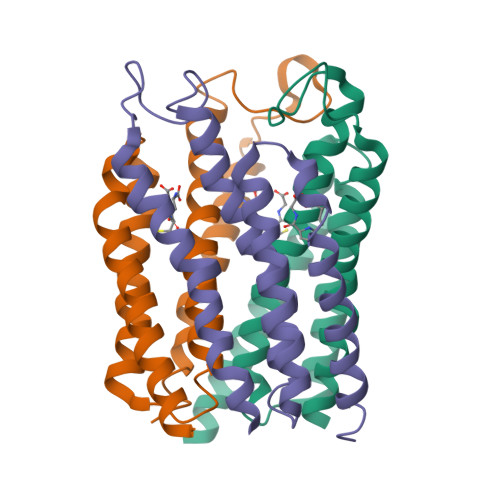
G-protein coupled bile acid receptor 1 structureClick to view 3D structureG-protein coupled bile acid receptor 1Q8TDU6HumansPredicted (SEA)
Prediction Confidence Score
0.587
Applicability Domain
0.736
Statistical Significance
2.00e-04
Supporting Reference Compounds
54
E-value
1.55698
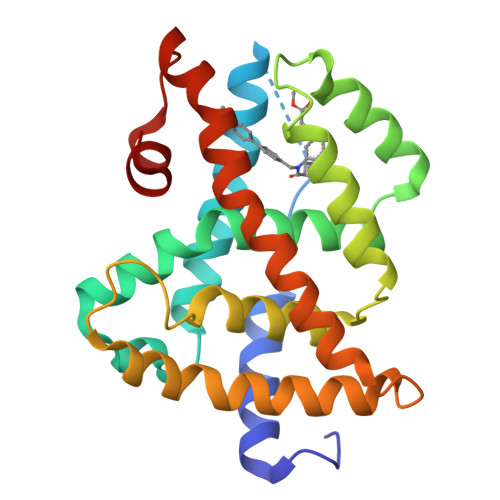
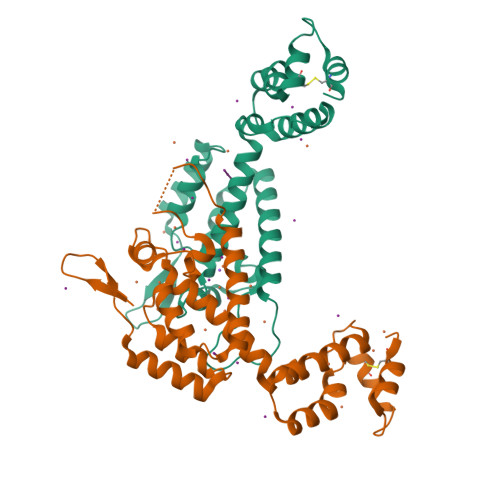
Bile acid receptor structureClick to view 3D structureBile acid receptorQ96RI1HumansPredicted (SEA)
Prediction Confidence Score
0.587
Applicability Domain
0.736
Statistical Significance
3.20e-04
Supporting Reference Compounds
94
E-value
2.49118
Transcription factor p65 structureClick to view 3D structureTranscription factor p65Q04206HumansPredicted (SEA)
Prediction Confidence Score
0.436
Applicability Domain
0.736
Statistical Significance
1.00e-04
Supporting Reference Compounds
27
E-value
0.778492
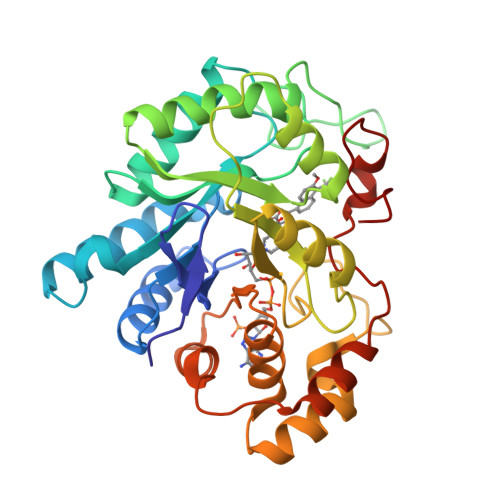
Aldo-keto reductase family 1 member B10 structureClick to view 3D structureAldo-keto reductase family 1 member B10O60218HumansPredicted (SEA)
Prediction Confidence Score
0.372
Applicability Domain
0.722
Statistical Significance
0.0014
Supporting Reference Compounds
49
E-value
10.8989
Liver carboxylesterase 1 structureClick to view 3D structureLiver carboxylesterase 1P23141HumansPredicted (SEA)
Prediction Confidence Score
0.359
Applicability Domain
1.0
Statistical Significance
0.001
Supporting Reference Compounds
55
E-value
8.17417
Click to view 3D structureCocaine esteraseO00748HumansPredicted (SEA)
Prediction Confidence Score
0.333
Applicability Domain
1.0
Statistical Significance
4.40e-04
Supporting Reference Compounds
40
E-value
3.42537
FUN14 domain-containing protein 1 structureClick to view 3D structureFUN14 domain-containing protein 1Q8IVP5HumansPredicted (SEA)
Prediction Confidence Score
0.31
Applicability Domain
0.31
Statistical Significance
5.40e-04
Supporting Reference Compounds
1
E-value
4.20386
DNA polymerase beta structureClick to view 3D structureDNA polymerase betaP06766Rattus norvegicusPredicted (SEA)
Prediction Confidence Score
0.309
Applicability Domain
0.722
Statistical Significance
3.20e-04
Supporting Reference Compounds
6
E-value
2.49118
Nuclear receptor ROR-gamma structureClick to view 3D structureNuclear receptor ROR-gammaP51449HumansPredicted (SEA)
Prediction Confidence Score
0.302
Applicability Domain
0.722
Statistical Significance
0.0081
Supporting Reference Compounds
102
E-value
63.0579
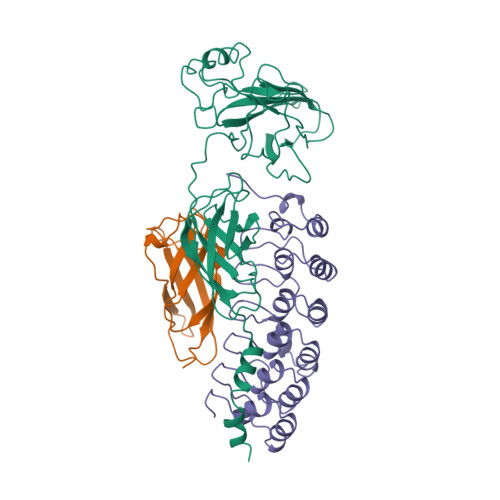
Click to view 3D structureStreptokinase AP10520Streptococcus pyogenes serotype M1Predicted (SEA)
Prediction Confidence Score
0.291
Applicability Domain
0.484
Statistical Significance
0.0291
Supporting Reference Compounds
425
E-value
226.619
Click to view 3D structureS-adenosyl-L-methionine:delta24-sterol-C-methyltransferaseQ43445Glycine maxPredicted (SEA)
Prediction Confidence Score
0.286
Applicability Domain
0.286 Low confidence
Statistical Significance
4.00e-05
Supporting Reference Compounds
1
E-value
0.311397
Gag-Pol polyprotein structureClick to view 3D structureGag-Pol polyproteinP04585HIV-1Predicted (SEA)
Prediction Confidence Score
0.271
Applicability Domain
0.472
Statistical Significance
6.00e-04
Supporting Reference Compounds
13
E-value
4.67095
Replicase polyprotein 1ab structureClick to view 3D structureReplicase polyprotein 1abP0DTD1SARS-CoV-2Predicted (SEA)
Prediction Confidence Score
0.267
Applicability Domain
0.722
Statistical Significance
0.036
Supporting Reference Compounds
215
E-value
280.257
Tyrosine-protein phosphatase non-receptor type 2 structureClick to view 3D structureTyrosine-protein phosphatase non-receptor type 2P17706HumansPredicted (SEA)
Prediction Confidence Score
0.263
Applicability Domain
0.31
Statistical Significance
0.0093
Supporting Reference Compounds
60
E-value
72.0884
11-beta-hydroxysteroid dehydrogenase 1 structureClick to view 3D structure11-beta-hydroxysteroid dehydrogenase 1P50172Mus musculusPredicted (SEA)
Prediction Confidence Score
0.253
Applicability Domain
0.414
Statistical Significance
0.0027
Supporting Reference Compounds
41
E-value
20.7079
Carbonic anhydrase 2 structureClick to view 3D structureCarbonic anhydrase 2P00921Bos taurusPredicted (SEA)
Prediction Confidence Score
0.251
Applicability Domain
0.576
Statistical Significance
0.0096
Supporting Reference Compounds
22
E-value
75.1245
11-beta-hydroxysteroid dehydrogenase 1 structureClick to view 3D structure11-beta-hydroxysteroid dehydrogenase 1P28845HumansPredicted (SEA)
Prediction Confidence Score
0.251
Applicability Domain
0.315
Statistical Significance
0.0089
Supporting Reference Compounds
76
E-value
69.5972
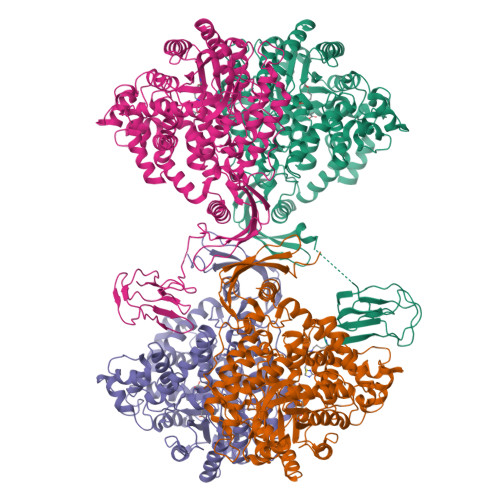
Pyruvate carboxylase, mitochondrial structureClick to view 3D structurePyruvate carboxylase, mitochondrialP11498HumansPredicted (SEA)
Prediction Confidence Score
0.243
Applicability Domain
0.347
Statistical Significance
2.90e-04
Supporting Reference Compounds
2
E-value
2.25763
Prostaglandin E synthase structureClick to view 3D structureProstaglandin E synthaseO14684HumansPredicted (SEA)
Prediction Confidence Score
0.233
Applicability Domain
0.284 Low confidence
Statistical Significance
0.0493
Supporting Reference Compounds
69
E-value
383.485
Click to view 3D structure4-galactosyl-N-acetylglucosaminide 3-alpha-L-fucosyltransferase FUT5Q11128HumansPredicted (SEA)
Prediction Confidence Score
0.231
Applicability Domain
0.231 Low confidence
Statistical Significance
2.30e-04
Supporting Reference Compounds
1
E-value
1.79053
Click to view 3D structureAcetylcholinesteraseO42275Electrophorus electricusPredicted (SEA)
Prediction Confidence Score
0.229
Applicability Domain
0.576
Statistical Significance
0.1936
Supporting Reference Compounds
206
E-value
1507.08
Human immunodeficiency virus type 1 Gag protein structureClick to view 3D structureHuman immunodeficiency virus type 1 Gag proteinQ77YG1Human immunodeficiency virus 1Predicted (SEA)
Prediction Confidence Score
0.227
Applicability Domain
0.472
Statistical Significance
2.50e-04
Supporting Reference Compounds
4
E-value
1.94623
Click to view 3D structure11-beta-hydroxysteroid dehydrogenase type 2P80365HumansPredicted (SEA)
Prediction Confidence Score
0.226
Applicability Domain
0.315
Statistical Significance
0.0044
Supporting Reference Compounds
32
E-value
34.5651
Replicase polyprotein 1a structureClick to view 3D structureReplicase polyprotein 1aP0C6U8SARS-CoVPredicted (SEA)
Prediction Confidence Score
0.226
Applicability Domain
0.722
Statistical Significance
0.0187
Supporting Reference Compounds
27
E-value
145.422
Acetylcholinesterase structureClick to view 3D structureAcetylcholinesteraseP22303HumansKnownNot Available
Concentrations
Not Available
External Links
IdentifiersNot Available
References
Synthesis ReferenceNot Available
MSDSNot Available
General ReferencesNot Available