Methyl (Z)-hexadec-9-enoate (CED0033005)

Record Information
Version1.0
Creation Date2026-04-04 19:59:58 UTC
Update Date2026-08-19 22:18:57 UTC
SynCED IDCED0033005
Secondary Accession Numbers
  • CHEM080412
Identification
Common NameMethyl (Z)-hexadec-9-enoate
ClassSmall Molecule
Description
Methyl (Z)-hexadec-9-enoate is an organic compound with the formula C17H32O2 and an average molecular weight of 268.44 g/mol. Methyl (Z)-hexadec-9-enoate belongs to the fatty acid esters, a subclass of fatty acyls within the organic compounds. This compound has been identified in five recorded sources, including food, food processing and cookware (specifically food contact materials and the preparation of malt), building and construction materials such as ceilings and floors, and indoor air, dust, and atmospheric transport. Recorded routes of exposure to the substance include inhalation, oral ingestion, and touch.
Contaminant TypeNot Available
Chemical Structure
SynonymsNot Available
Chemical FormulaC17H32O2
Average Molecular Mass268.441 g/mol
Monoisotopic Mass268.240 g/mol
CAS Registry Number1120-25-8
IUPAC NameNot Available
Traditional NameNot Available
SMILESCCCCCCC=C/CCCCCCCC(=O)OC
InChI IdentifierInChI=1/C17H32O2/c1-3-4-5-6-7-8-9-10-11-12-13-14-15-16-17(18)19-2/h8-9H,3-7,10-16H2,1-2H3
InChI KeyIZFGRAGOVZCUFB-HJWRWDBZSA-N
Chemical Taxonomy
ClassificationNot classified
Biological Properties
StatusDetected and Not Quantified
OriginNot Available
Cellular LocationsNot Available
Biofluid LocationsNot Available
Tissue LocationsNot Available
ApplicationsNot Available
Biological RolesNot Available
Chemical RolesNot Available
Organoleptic EffectsNot Available
Physical Properties
StateNot Available
AppearanceNot Available
Experimental Properties
PropertyValue
Melting PointNot Available
Boiling PointNot Available
SolubilityNot Available
Predicted PropertiesNot Available
Spectra
Spectra
Spectrum TypeDescriptionSplash KeyDeposition DateView
GC-MSGC-MS Spectrumsplash10-001j-9610000000-6403b85d4bead3152e24Not AvailableView Spectrum
Toxicity Profile
Toxicity Values
Toxicity ValueOrganismDose DescriptorRoute of ExposurePredicted or ExperimentalToxicity RatingReference
7660.0 Log mg/kg [4300:14000]RatLD50oralpredictedNot AvailableNot Available
Toxicity / Toxin ClassNot Available
Mechanism of ToxicityNot Available
Carcinogenicity (IARC Classification)Not Available
Minimum Risk LevelNot Available
SymptomsNot Available
TreatmentNot Available
Health Effects
Health EffectRelationshipDirectionDescriptionReference
Exposure Sources
Source IDSourceSectorReference
CEDs000010Insecticides?Insecticides are synthetic chemicals designed to control or eliminate insect pests that threaten crops and other agricultural products.Agriculture & land managementPubChem
CEDs000019Indoor air?Indoor air can be a significant reservoir for synthetic chemical contaminants, which often originate from various sources within enclosed environments.Air, dust & atmospheric transportNot Available
CEDs000494Food contact materials?Food contact materials refer to substances and products that are intended to come into contact with food during processing, packaging, or preparation.Food, food processing & cookwareNot Available
CEDs000495Ceilings?Ceilings in built environments can be a source of synthetic chemical contamination due to the materials used in their construction and finishes.Building & ConstructionPubChem
CEDs000497Floors?Floors in built environments can be a significant source of synthetic chemical contamination due to the materials and finishes used in their construction.Building & ConstructionPubChem
CEDs000544Fermentation Processes For Beer?Fermentation processes for beer involve the conversion of sugars into alcohol and carbon dioxide by yeast.Food, food processing & cookwarePubChem
CEDs000545Food Preservation?Food preservation often involves the use of synthetic chemicals, such as preservatives, flavor enhancers, and color additives, to extend shelf life and enhance the sensory qualities of food products.Food, food processing & cookwarePubChem
CEDs000547Preparation Of Malt?Malt preparation involves the germination and drying of cereal grains, primarily barley, to produce malt for brewing and food products.Food, food processing & cookwarePubChem
CEDs000561Perfumes Within Detergents And Soaps?Perfumes within detergents and soaps are synthetic fragrance compounds added to enhance the sensory experience of cleaning products.Household cleaning & consumer productsPubChem
CEDs000577Watch Chains?Watch chains, often made from various metals and synthetic materials, can be a source of chemical contamination due to the presence of coatings, adhesives, and plasticizers used in their manufacturing.Household itemsPubChem
CEDs000580Manufacture Preparation Of Tobacco Products?The manufacture and preparation of tobacco products involve various processes that can result in the introduction of synthetic chemicals into the environment.Industrial manufacturing & chemical processingPubChem
CEDs000596Acaricides?Acaricides are synthetic chemicals specifically designed to target and control mite populations that can damage crops and plants.Agriculture & land managementPubChem
CEDs000600Herbicides And Algicides?Herbicides and algicides are synthetic chemicals primarily used to control unwanted plants and algae in various environments.Agriculture & land managementPubChem
CEDs000604Pest Attractants?Pest attractants are synthetic chemicals designed to lure specific pests for monitoring or control purposes.Agriculture & land managementPubChem
CEDs000605Pest Repellants?Pest repellents, often formulated from synthetic chemicals, are widely used to protect crops from insect infestations and other pests.Agriculture & land managementPubChem
CEDs000606Plant Growth Regulators?Plant Growth Regulators (PGRs) are synthetic chemicals designed to influence the growth and development of plants.Agriculture & land managementPubChem
CEDs000614Essential Oils Or Perfumes?Essential oils and perfumes are complex mixtures of volatile compounds derived from natural or synthetic sources, commonly used for their aromatic properties.Personal care & cosmeticsPubChem
CEDs000650Purses Luggage Hand Bags?Purses, luggage, and handbags are often manufactured using synthetic materials such as polyvinyl chloride (PVC), polyurethane, and various types of nylon.Textiles, leather & furnishingsPubChem
CEDs000678Nitrogenous Fertilisers?Nitrogenous fertilizers are synthetic chemical compounds primarily used to enhance plant growth by supplying essential nitrogen, a crucial nutrient for photosynthesis and protein synthesis.Agriculture & land managementPubChem
CEDs000688Glass Coatings?Glass coatings are synthetic chemical formulations applied to glass surfaces to enhance properties such as durability, UV resistance, and aesthetic appeal.Building & ConstructionPubChem
CEDs000696Nanotechnology?Nanotechnology involves the manipulation of materials at the molecular or atomic level, typically within the range of 1 to 100 nanometers.Industrial manufacturing & chemical processingPubChem
CEDs000698Jewellery?Jewellery production often involves the use of various synthetic chemicals during the extraction and processing of metals.Mining & metal processingPubChem
CEDs000739Inks?Inks are complex mixtures composed of pigments or dyes, solvents, resins, and additives used primarily for printing and writing applications.Paper, pulp & fiber productsPubChem
CEDs000740Paper?Paper production involves the processing of wood fibers and the use of various chemicals, which can lead to synthetic chemical contamination.Paper, pulp & fiber productsPubChem
CEDs000744Water, Wastewater, & Sewage Treatment?Water, wastewater, and sewage treatment processes are critical for managing and mitigating pollutants in water systems.Wastewater, sanitation & biosolidsPubChem
Pathways
0 pathwaysPathway Source: PathBank

No pathways found

No metabolic pathways have been associated with this synthetic chemical

Targets
StructureProteinUniProt IDOrganismRelationshipDetails
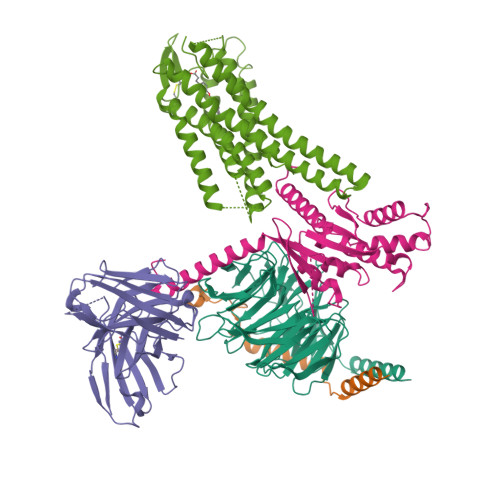
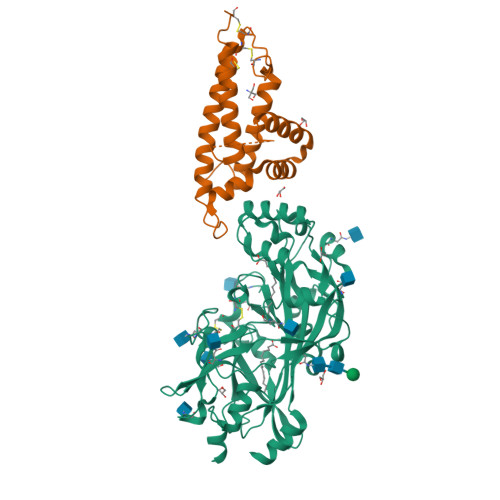
Free fatty acid receptor 4 structureClick to view 3D structureFree fatty acid receptor 4Q5NUL3HumansPredicted (SEA)
Prediction Confidence Score
0.423
Applicability Domain
0.576
Statistical Significance
5.70e-04
Supporting Reference Compounds
63
E-value
4.43741
Click to view 3D structureCannabinoid receptor 1P47746Mus musculusPredicted (SEA)
Prediction Confidence Score
0.422
Applicability Domain
0.45
Statistical Significance
4.80e-04
Supporting Reference Compounds
42
E-value
3.73676
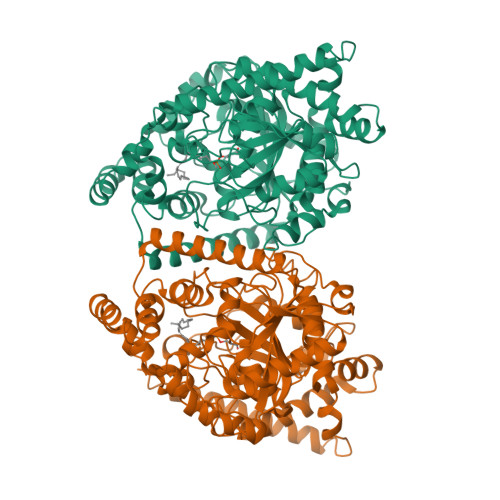
Autotaxin structureClick to view 3D structureAutotaxinQ13822HumansPredicted (SEA)
Prediction Confidence Score
0.421
Applicability Domain
0.512
Statistical Significance
6.40e-04
Supporting Reference Compounds
40
E-value
4.98235
Transient receptor potential cation channel subfamily V member 1 structureClick to view 3D structureTransient receptor potential cation channel subfamily V member 1O35433Rattus norvegicusPredicted (SEA)
Prediction Confidence Score
0.419
Applicability Domain
0.45
Statistical Significance
3.20e-04
Supporting Reference Compounds
21
E-value
2.49118
Peroxisome proliferator-activated receptor alpha structureClick to view 3D structurePeroxisome proliferator-activated receptor alphaQ07869HumansPredicted (SEA)
Prediction Confidence Score
0.595
Applicability Domain
0.633
Statistical Significance
2.70e-04
Supporting Reference Compounds
127
E-value
2.10193
Peroxisome proliferator-activated receptor delta structureClick to view 3D structurePeroxisome proliferator-activated receptor deltaQ03181HumansPredicted (SEA)
Prediction Confidence Score
0.595
Applicability Domain
0.633
Statistical Significance
2.50e-04
Supporting Reference Compounds
89
E-value
1.94623
Peroxisome proliferator-activated receptor gamma structureClick to view 3D structurePeroxisome proliferator-activated receptor gammaP37231HumansPredicted (SEA)
Prediction Confidence Score
0.584
Applicability Domain
0.633
Statistical Significance
2.30e-04
Supporting Reference Compounds
192
E-value
1.79053
Click to view 3D structureCytochrome P450 2C23P24470Rattus norvegicusPredicted (SEA)
Prediction Confidence Score
0.576
Applicability Domain
0.576
Statistical Significance
1.00e-05
Supporting Reference Compounds
1
E-value
0.0778492
Transient receptor potential cation channel subfamily V member 2 structureClick to view 3D structureTransient receptor potential cation channel subfamily V member 2Q9WUD2Rattus norvegicusPredicted (SEA)
Prediction Confidence Score
0.567
Applicability Domain
0.633
Statistical Significance
1.70e-04
Supporting Reference Compounds
21
E-value
1.32344
Click to view 3D structureCannabinoid receptor 1P20272Rattus norvegicusPredicted (SEA)
Prediction Confidence Score
0.545
Applicability Domain
0.633
Statistical Significance
6.50e-04
Supporting Reference Compounds
83
E-value
5.0602
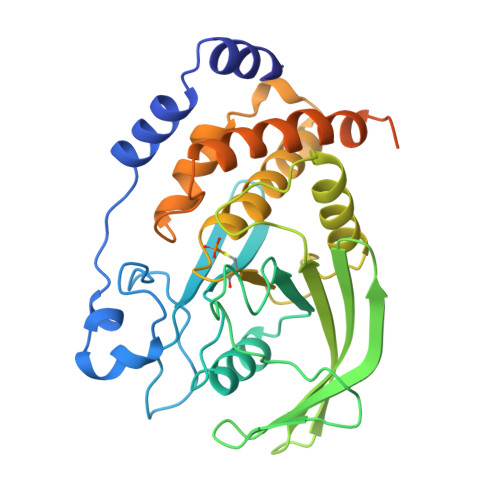
Tyrosine-protein phosphatase non-receptor type 1 structureClick to view 3D structureTyrosine-protein phosphatase non-receptor type 1P18031HumansPredicted (SEA)
Prediction Confidence Score
0.513
Applicability Domain
0.633
Statistical Significance
6.80e-04
Supporting Reference Compounds
197
E-value
5.29375
Click to view 3D structureLysophosphatidic acid receptor 4Q8BLG2Mus musculusPredicted (SEA)
Prediction Confidence Score
0.512
Applicability Domain
0.512
Statistical Significance
1.00e-04
Supporting Reference Compounds
1
E-value
0.778492
Cannabinoid receptor 1 structureClick to view 3D structureCannabinoid receptor 1P21554HumansPredicted (SEA)
Prediction Confidence Score
0.511
Applicability Domain
0.556
Statistical Significance
9.90e-04
Supporting Reference Compounds
200
E-value
7.70707
Transient receptor potential cation channel subfamily V member 1 structureClick to view 3D structureTransient receptor potential cation channel subfamily V member 1Q8NER1HumansPredicted (SEA)
Prediction Confidence Score
0.509
Applicability Domain
0.556
Statistical Significance
3.40e-04
Supporting Reference Compounds
104
E-value
2.64687
Click to view 3D structureFatty-acid amide hydrolase 1O00519HumansPredicted (SEA)
Prediction Confidence Score
0.502
Applicability Domain
0.633
Statistical Significance
8.20e-04
Supporting Reference Compounds
106
E-value
6.38364
Cannabinoid receptor 2 structureClick to view 3D structureCannabinoid receptor 2P34972HumansPredicted (SEA)
Prediction Confidence Score
0.499
Applicability Domain
0.556
Statistical Significance
0.001
Supporting Reference Compounds
175
E-value
8.17417
Click to view 3D structureLysophosphatidic acid receptor 3Q9UBY5HumansPredicted (SEA)
Prediction Confidence Score
0.486
Applicability Domain
0.512
Statistical Significance
1.70e-04
Supporting Reference Compounds
21
E-value
1.32344
Fatty-acid amide hydrolase 1 structureClick to view 3D structureFatty-acid amide hydrolase 1P97612Rattus norvegicusPredicted (SEA)
Prediction Confidence Score
0.46
Applicability Domain
0.513
Statistical Significance
9.20e-04
Supporting Reference Compounds
102
E-value
7.16213
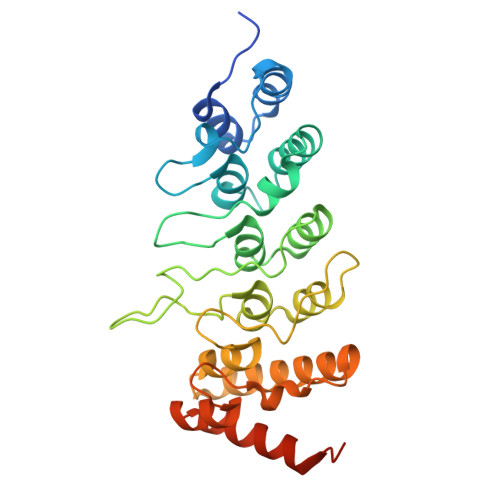
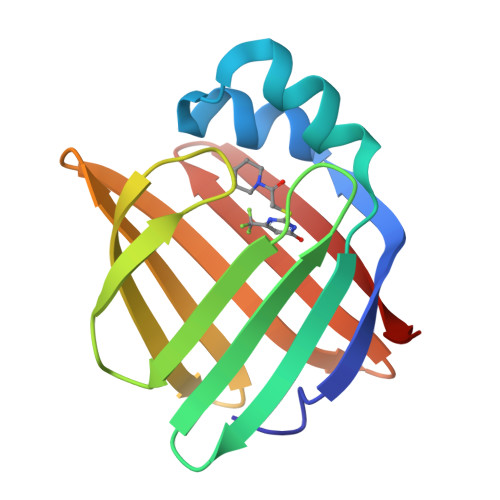
Fatty acid-binding protein, adipocyte structureClick to view 3D structureFatty acid-binding protein, adipocyteP15090HumansPredicted (SEA)
Prediction Confidence Score
0.459
Applicability Domain
0.633
Statistical Significance
1.30e-04
Supporting Reference Compounds
19
E-value
1.01204
Lysophosphatidic acid receptor 1 structureClick to view 3D structureLysophosphatidic acid receptor 1Q92633HumansPredicted (SEA)
Prediction Confidence Score
0.456
Applicability Domain
0.512
Statistical Significance
2.10e-04
Supporting Reference Compounds
31
E-value
1.63483
Lysophosphatidic acid receptor 2 structureClick to view 3D structureLysophosphatidic acid receptor 2Q9HBW0HumansPredicted (SEA)
Prediction Confidence Score
0.456
Applicability Domain
0.512
Statistical Significance
2.00e-04
Supporting Reference Compounds
30
E-value
1.55698
Click to view 3D structureCannabinoid receptor 2P47936Mus musculusPredicted (SEA)
Prediction Confidence Score
0.454
Applicability Domain
0.513
Statistical Significance
6.80e-04
Supporting Reference Compounds
39
E-value
5.29375
Platelet glycoprotein 4 structureClick to view 3D structurePlatelet glycoprotein 4P16671HumansPredicted (SEA)
Prediction Confidence Score
0.449
Applicability Domain
0.449
Statistical Significance
1.00e-05
Supporting Reference Compounds
1
E-value
0.0778492
Click to view 3D structureCannabinoid receptor 2Q9QZN9Rattus norvegicusPredicted (SEA)
Prediction Confidence Score
0.439
Applicability Domain
0.513
Statistical Significance
2.30e-04
Supporting Reference Compounds
20
E-value
1.79053
Click to view 3D structureEsteraseA3QR02Chilo suppressalisPredicted (SEA)
Prediction Confidence Score
0.432
Applicability Domain
0.432
Statistical Significance
7.00e-05
Supporting Reference Compounds
1
E-value
0.544945
Concentrations
Not Available
External Links
IdentifiersNot Available
References
Synthesis ReferenceNot Available
MSDSNot Available
General ReferencesNot Available