D&C Red No. 31 (CED0001057)

Record Information
Version1.0
Creation Date2026-04-04 20:01:50 UTC
Update Date2026-08-19 18:22:39 UTC
SynCED IDCED0001057
Secondary Accession Numbers
  • CHEM080479
Identification
Common NameD&C Red No. 31
ClassSmall Molecule
Description
D&C Red No. 31 belongs to the naphthalenecarboxylic acids and derivatives, a subclass of naphthalenes within the organic compounds. It is categorized as a benzenoid with the formula C17H12N2O3. With an average molecular weight of 622.65 g/mol, D&C Red No. 31 is a heavy molecule.
Contaminant TypeNot Available
Chemical Structure
SynonymsNot Available
Chemical FormulaC17H12N2O3
Average Molecular Mass622.650 g/mol
Monoisotopic Mass292.085 g/mol
CAS Registry NumberNot Available
IUPAC NameNot Available
Traditional NameNot Available
SMILESNot Available
InChI IdentifierInChI=1/2C17H12N2O3.Ca/c2*20-16-14(17(21)22)10-11-6-4-5-9-13(11)15(16)19-18-12-7-2-1-3-8-12;/h2*1-10,20H,(H,21,22);/q;;+2/p-2
InChI KeyCYHOWEBNQPOWEI-UHFFFAOYSA-L
Chemical Taxonomy
ClassificationNot classified
Biological Properties
StatusDetected and Not Quantified
OriginNot Available
Cellular LocationsNot Available
Biofluid LocationsNot Available
Tissue LocationsNot Available
ApplicationsNot Available
Biological RolesNot Available
Chemical RolesNot Available
Organoleptic EffectsNot Available
Physical Properties
StateNot Available
AppearanceNot Available
Experimental Properties
PropertyValue
Melting PointNot Available
Boiling PointNot Available
SolubilityNot Available
Predicted PropertiesNot Available
Spectra
SpectraNot Available
Toxicity Profile
Toxicity Values
Toxicity ValueOrganismDose DescriptorRoute of ExposurePredicted or ExperimentalToxicity RatingReference
2214.0 Log mg/kg [1200:3900]RatLD50oralpredictedNot AvailableNot Available
Toxicity / Toxin ClassNot Available
Mechanism of ToxicityNot Available
Carcinogenicity (IARC Classification)Not Available
Minimum Risk LevelNot Available
SymptomsNot Available
TreatmentNot Available
Health Effects
Health EffectRelationshipDirectionDescriptionReference
Exposure Sources
Source IDSourceSectorReference
CEDs000490Personal care & cosmeticsNot Available
CEDs000511Conductors Or Conductive Bodies Characterised By The Conductive Materials?Conductors, or conductive bodies, are materials that allow the flow of electrical current, typically made from metals such as copper, aluminum, or silver.Electrical & Electronic EquipmentPubChem
CEDs000519Electrodes?Electrodes, used in various electrical and electronic applications, can be a source of synthetic chemical contamination due to the materials from which they are constructed and the processes involved in their manufacturing.Electrical & Electronic EquipmentPubChem
CEDs000545Food Preservation?Food preservation often involves the use of synthetic chemicals, such as preservatives, flavor enhancers, and color additives, to extend shelf life and enhance the sensory qualities of food products.Food, food processing & cookwarePubChem
CEDs000555Bleaching Agents?Bleaching agents are chemical substances used to whiten or lighten materials, often employed in various cleaning products for their stain removal and disinfecting properties.Household cleaning & consumer productsPubChem
CEDs000561Perfumes Within Detergents And Soaps?Perfumes within detergents and soaps are synthetic fragrance compounds added to enhance the sensory experience of cleaning products.Household cleaning & consumer productsPubChem
CEDs000563Soap Detergents?Soap detergents are synthetic surfactants designed to enhance the cleaning efficacy of water by reducing surface tension, allowing for better interaction with dirt and grease.Household cleaning & consumer productsPubChem
CEDs000605Pest Repellants?Pest repellents, often formulated from synthetic chemicals, are widely used to protect crops from insect infestations and other pests.Agriculture & land managementPubChem
CEDs000609Aftershave?Aftershave is a grooming product typically used to soothe and protect the skin following shaving.Personal care & cosmeticsPubChem
CEDs000610Aftersun Products?Aftersun products are designed to soothe and hydrate the skin after sun exposure, often containing various synthetic chemicals such as emollients, preservatives, and fragrances.Personal care & cosmeticsPubChem
CEDs000611Anti Perspirants Or Body Deoderants?Antiperspirants and body deodorants commonly contain synthetic chemicals such as aluminum compounds, parabens, and synthetic fragrances.Personal care & cosmeticsPubChem
CEDs000613Depilatories?Depilatories are products designed to remove unwanted hair through the application of synthetic chemicals that break down the protein structure of hair, facilitating its removal.Personal care & cosmeticsPubChem
CEDs000615Eye Makeup Products?Eye makeup products, including mascaras, eyeliners, and eyeshadows, often contain a variety of synthetic chemicals such as pigments, preservatives, and film-forming agents.Personal care & cosmeticsPubChem
CEDs000617Lip Care Products?Lip care products, including lipsticks, balms, and glosses, often contain a variety of synthetic chemicals such as parabens, phthalates, and synthetic fragrances.Personal care & cosmeticsPubChem
CEDs000618Lip Makeup Products?Lip makeup products, such as lipsticks, lip glosses, and lip liners, often contain a variety of synthetic chemicals, including pigments, preservatives, and emollients.Personal care & cosmeticsPubChem
CEDs000619Manicure Pedicure?Manicure and pedicure procedures often involve the use of various synthetic chemicals, including solvents, nail polishes, and nail adhesives.Personal care & cosmeticsPubChem
CEDs000632Apparel?Apparel production often involves the use of various synthetic chemicals, including dyes, finishing agents, and preservatives.Textiles, leather & furnishingsPubChem
CEDs000659Transfer Printing?Transfer printing is a process used to apply designs and patterns onto various substrates, commonly utilizing synthetic dyes and inks that can contain hazardous chemicals.Textiles, leather & furnishingsPubChem
CEDs000678Nitrogenous Fertilisers?Nitrogenous fertilizers are synthetic chemical compounds primarily used to enhance plant growth by supplying essential nitrogen, a crucial nutrient for photosynthesis and protein synthesis.Agriculture & land managementPubChem
CEDs000685Ceramics?Ceramics can be a source of synthetic chemical contamination through various additives and processing agents used in their production.Building & ConstructionPubChem
CEDs000696Nanotechnology?Nanotechnology involves the manipulation of materials at the molecular or atomic level, typically within the range of 1 to 100 nanometers.Industrial manufacturing & chemical processingPubChem
CEDs000727Printing Machines Or Presses?Printing machines or presses commonly utilize synthetic chemicals such as inks, solvents, and cleaning agents.Paper, pulp & fiber productsPubChem
CEDs000739Inks?Inks are complex mixtures composed of pigments or dyes, solvents, resins, and additives used primarily for printing and writing applications.Paper, pulp & fiber productsPubChem
CEDs000740Paper?Paper production involves the processing of wood fibers and the use of various chemicals, which can lead to synthetic chemical contamination.Paper, pulp & fiber productsPubChem
CEDs000741Pigment Pastes?Pigment pastes are concentrated dispersions of pigments used to impart color and properties to materials.Paper, pulp & fiber productsPubChem
CEDs000744Water, Wastewater, & Sewage Treatment?Water, wastewater, and sewage treatment processes are critical for managing and mitigating pollutants in water systems.Wastewater, sanitation & biosolidsPubChem
Pathways
0 pathwaysPathway Source: PathBank

No pathways found

No metabolic pathways have been associated with this synthetic chemical

Targets
StructureProteinUniProt IDOrganismRelationshipDetails
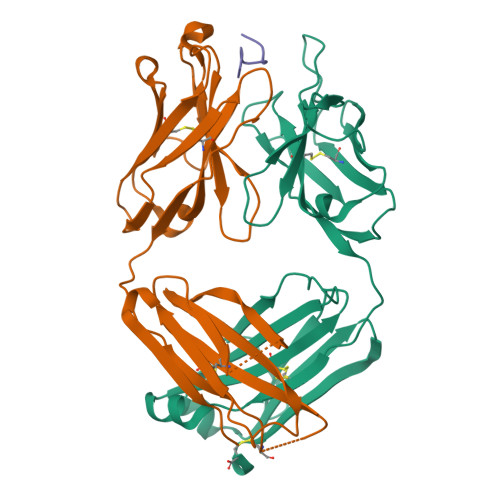
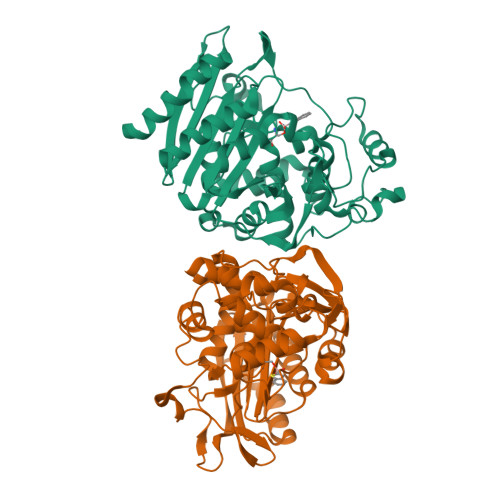
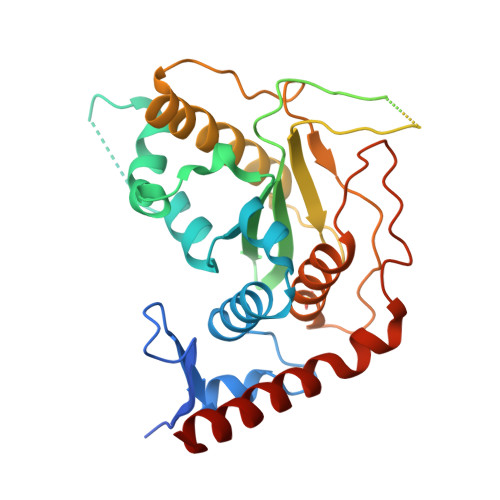
Click to view 3D structureTrans-cinnamate 4-monooxygenaseQ04468Helianthus tuberosusPredicted (SEA)
Prediction Confidence Score
0.288
Applicability Domain
0.288 Low confidence
Statistical Significance
7.10e-04
Supporting Reference Compounds
1
E-value
5.52729
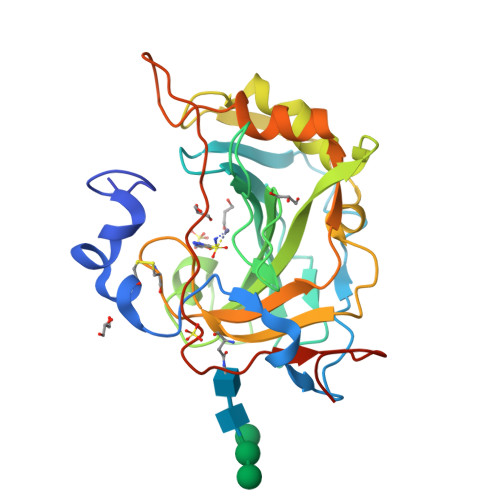
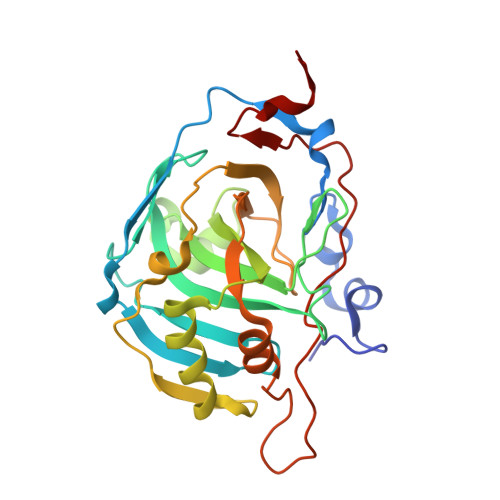
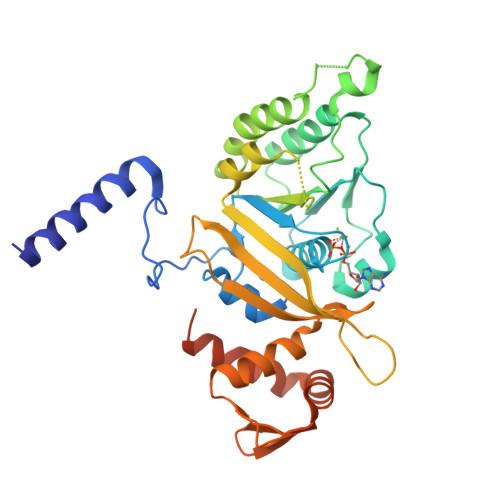
Carbonic anhydrase 1 structureClick to view 3D structureCarbonic anhydrase 1P00915HumansPredicted (SEA)
Prediction Confidence Score
0.272
Applicability Domain
0.313
Statistical Significance
0.0772
Supporting Reference Compounds
407
E-value
600.84
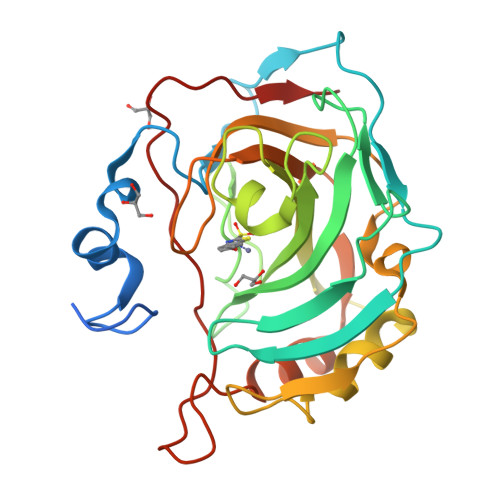
Carbonic anhydrase 2 structureClick to view 3D structureCarbonic anhydrase 2P00918HumansPredicted (SEA)
Prediction Confidence Score
0.271
Applicability Domain
0.313
Statistical Significance
0.0937
Supporting Reference Compounds
472
E-value
729.681
Click to view 3D structureCarbonic anhydrase 15Q99N23Mus musculusPredicted (SEA)
Prediction Confidence Score
0.264
Applicability Domain
0.296 Low confidence
Statistical Significance
0.0169
Supporting Reference Compounds
78
E-value
131.954
Carbonic anhydrase 9 structureClick to view 3D structureCarbonic anhydrase 9Q16790HumansPredicted (SEA)
Prediction Confidence Score
0.262
Applicability Domain
0.296 Low confidence
Statistical Significance
0.0938
Supporting Reference Compounds
372
E-value
730.615
Induced myeloid leukemia cell differentiation protein Mcl-1 structureClick to view 3D structureInduced myeloid leukemia cell differentiation protein Mcl-1Q07820HumansPredicted (SEA)
Prediction Confidence Score
0.261
Applicability Domain
0.29 Low confidence
Statistical Significance
0.0693
Supporting Reference Compounds
343
E-value
539.495
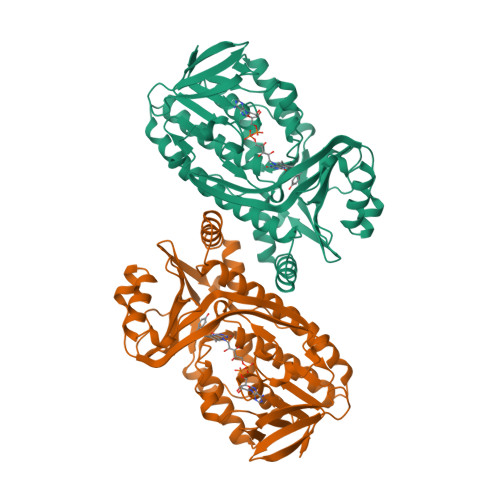
p-hydroxybenzoate hydroxylase structureClick to view 3D structurep-hydroxybenzoate hydroxylaseP00438Pseudomonas fluorescensPredicted (SEA)
Prediction Confidence Score
0.259
Applicability Domain
0.259 Low confidence
Statistical Significance
0.0097
Supporting Reference Compounds
1
E-value
75.8251
Carbonic anhydrase 12 structureClick to view 3D structureCarbonic anhydrase 12O43570HumansPredicted (SEA)
Prediction Confidence Score
0.257
Applicability Domain
0.296 Low confidence
Statistical Significance
0.0962
Supporting Reference Compounds
332
E-value
749.299
Carbonic anhydrase 14 structureClick to view 3D structureCarbonic anhydrase 14Q9ULX7HumansPredicted (SEA)
Prediction Confidence Score
0.252
Applicability Domain
0.296 Low confidence
Statistical Significance
0.0584
Supporting Reference Compounds
172
E-value
454.795
Click to view 3D structureCarbonic anhydrase 5A, mitochondrialP35218HumansPredicted (SEA)
Prediction Confidence Score
0.252
Applicability Domain
0.296 Low confidence
Statistical Significance
0.059
Supporting Reference Compounds
165
E-value
459.7
Carbonic anhydrase 7 structureClick to view 3D structureCarbonic anhydrase 7P43166HumansPredicted (SEA)
Prediction Confidence Score
0.251
Applicability Domain
0.296 Low confidence
Statistical Significance
0.082
Supporting Reference Compounds
242
E-value
638.441
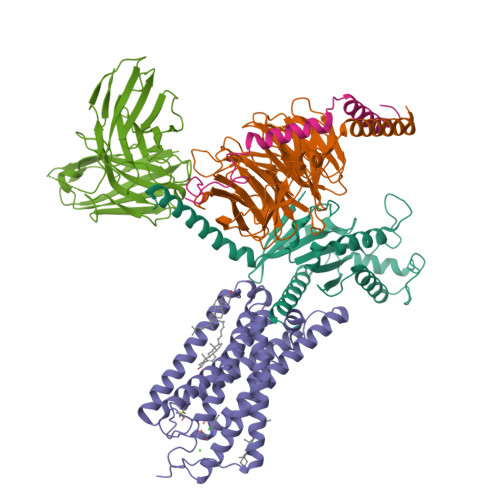
G-protein coupled receptor 35 structureClick to view 3D structureG-protein coupled receptor 35Q9HC97HumansPredicted (SEA)
Prediction Confidence Score
0.242
Applicability Domain
0.44
Statistical Significance
0.046
Supporting Reference Compounds
115
E-value
357.951
Click to view 3D structureStreptokinase AP10520Streptococcus pyogenes serotype M1Predicted (SEA)
Prediction Confidence Score
0.24
Applicability Domain
0.264 Low confidence
Statistical Significance
0.1945
Supporting Reference Compounds
425
E-value
1514.4
Beta-lactamase structureClick to view 3D structureBeta-lactamaseP00811Escherichia coli (strain K12)Predicted (SEA)
Prediction Confidence Score
0.24
Applicability Domain
0.302
Statistical Significance
0.0016
Supporting Reference Compounds
35
E-value
12.6894
Cytochrome P450 1A2 structureClick to view 3D structureCytochrome P450 1A2P05177HumansPredicted (SEA)
Prediction Confidence Score
0.24
Applicability Domain
0.293 Low confidence
Statistical Significance
0.4695
Supporting Reference Compounds
793
E-value
3654.87
Carbonic anhydrase 3 structureClick to view 3D structureCarbonic anhydrase 3P07451HumansPredicted (SEA)
Prediction Confidence Score
0.239
Applicability Domain
0.296 Low confidence
Statistical Significance
0.0368
Supporting Reference Compounds
64
E-value
286.407
Click to view 3D structureNonstructural protein 1Q194T2Influenza A virusPredicted (SEA)
Prediction Confidence Score
0.238
Applicability Domain
0.328
Statistical Significance
0.0292
Supporting Reference Compounds
104
E-value
227.475
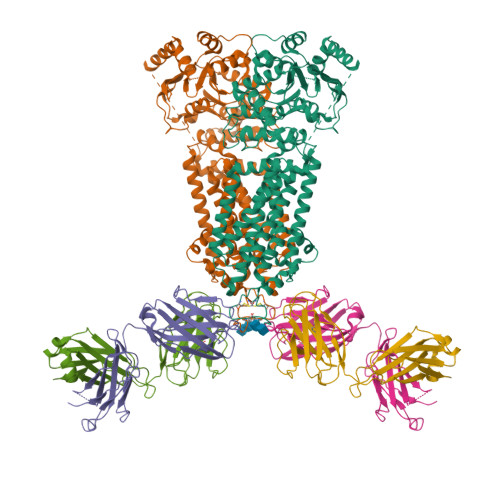
Broad substrate specificity ATP-binding cassette transporter ABCG2 structureClick to view 3D structureBroad substrate specificity ATP-binding cassette transporter ABCG2Q9UNQ0HumansPredicted (SEA)
Prediction Confidence Score
0.237
Applicability Domain
0.313
Statistical Significance
0.113
Supporting Reference Compounds
126
E-value
879.618
Sentrin-specific protease 7 structureClick to view 3D structureSentrin-specific protease 7Q9BQF6HumansPredicted (SEA)
Prediction Confidence Score
0.237
Applicability Domain
0.262 Low confidence
Statistical Significance
0.1035
Supporting Reference Compounds
118
E-value
806.129
Transitional endoplasmic reticulum ATPase structureClick to view 3D structureTransitional endoplasmic reticulum ATPaseQ01853Mus musculusPredicted (SEA)
Prediction Confidence Score
0.236
Applicability Domain
0.236 Low confidence
Statistical Significance
7.20e-04
Supporting Reference Compounds
1
E-value
5.60514
Mitogen-activated protein kinase 1 structureClick to view 3D structureMitogen-activated protein kinase 1P28482HumansPredicted (SEA)
Prediction Confidence Score
0.235
Applicability Domain
0.313
Statistical Significance
0.4623
Supporting Reference Compounds
763
E-value
3599.05
Protein RecA structureClick to view 3D structureProtein RecAP9WHJ3Mycobacterium tuberculosisPredicted (SEA)
Prediction Confidence Score
0.235
Applicability Domain
0.259 Low confidence
Statistical Significance
0.183
Supporting Reference Compounds
296
E-value
1424.8
Click to view 3D structureCarbonic anhydrase 13Q9D6N1Mus musculusPredicted (SEA)
Prediction Confidence Score
0.234
Applicability Domain
0.296 Low confidence
Statistical Significance
0.0353
Supporting Reference Compounds
70
E-value
274.652
Click to view 3D structureDNA damage-inducible transcript 3 proteinP35639Mus musculusPredicted (SEA)
Prediction Confidence Score
0.234
Applicability Domain
0.29 Low confidence
Statistical Significance
0.1576
Supporting Reference Compounds
226
E-value
1226.75
X-box-binding protein 1 structureClick to view 3D structureX-box-binding protein 1P17861HumansPredicted (SEA)
Prediction Confidence Score
0.234
Applicability Domain
0.29 Low confidence
Statistical Significance
0.1578
Supporting Reference Compounds
227
E-value
1228.23
Concentrations
Not Available
External Links
IdentifiersNot Available
References
Synthesis ReferenceNot Available
MSDSNot Available
General ReferencesNot Available