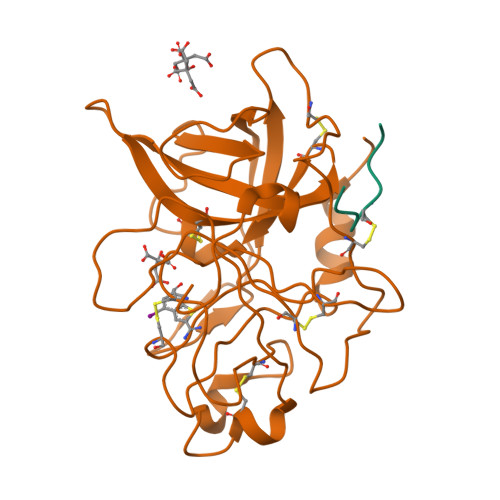
C.I. Pigment Red 170 (CED0168474)

Record Information
Version1.0
Creation Date2026-04-04 22:30:37 UTC
Update Date2026-08-22 06:03:04 UTC
SynCED IDCED0168474
Secondary Accession Numbers
  • CHEM083906
Identification
Common NameC.I. Pigment Red 170
ClassSmall Molecule
Description
C.I. Pigment Red 170 is an organic compound with the formula C26H22N4O4 and an average molecular weight of 454.49 g/mol. C.I. Pigment Red 170 belongs to the naphthols and derivatives, a subclass of naphthalenes within the organic compounds. This substance has been identified in or released from five recorded sources. These include drinking water and water supply systems, as well as food, food processing, and cookware specifically related to processing meats. Additionally, it is found in electrical and electronic equipment such as electric hearing aids, and in building and construction materials including sunshades, awnings, or outside screens. The recorded route of exposure for this compound is oral.
Contaminant TypeNot Available
Chemical Structure
SynonymsNot Available
Chemical FormulaC26H22N4O4
Average Molecular Mass454.486 g/mol
Monoisotopic Mass454.164 g/mol
CAS Registry Number2786-76-7
IUPAC NameNot Available
Traditional NameNot Available
SMILESNot Available
InChI IdentifierInChI=1/C26H22N4O4/c1-2-34-22-10-6-5-9-21(22)28-26(33)20-15-17-7-3-4-8-19(17)23(24(20)31)30-29-18-13-11-16(12-14-18)25(27)32/h3-15,31H,2H2,1H3,(H2,27,32)(H,28,33)
InChI KeyBGVYDWVAGZBEMJ-UHFFFAOYSA-N
Chemical Taxonomy
ClassificationNot classified
Biological Properties
StatusDetected and Not Quantified
OriginNot Available
Cellular LocationsNot Available
Biofluid LocationsNot Available
Tissue LocationsNot Available
ApplicationsNot Available
Biological RolesNot Available
Chemical RolesNot Available
Organoleptic EffectsNot Available
Physical Properties
StateNot Available
AppearanceNot Available
Experimental Properties
PropertyValue
Melting PointNot Available
Boiling PointNot Available
SolubilityNot Available
Predicted PropertiesNot Available
Spectra
SpectraNot Available
Toxicity Profile
Toxicity Values
Toxicity ValueOrganismDose DescriptorRoute of ExposurePredicted or ExperimentalToxicity RatingReference
5508.0 Log mg/kg [3100:9800]RatLD50oralpredictedNot AvailableNot Available
Toxicity / Toxin ClassNot Available
Mechanism of ToxicityNot Available
Carcinogenicity (IARC Classification)Not Available
Minimum Risk LevelNot Available
SymptomsNot Available
TreatmentNot Available
Health Effects
Health EffectRelationshipDirectionDescriptionReference
Exposure Sources
Source IDSourceSectorReference
CEDs000115Drinking water?Drinking water can be a medium for synthetic chemical contamination, often originating from various industrial processes and agricultural practices.Drinking water & water supplyNot Available
CEDs000501Sunshades Awnings Or Outside Screens?Sunshades, awnings, and outside screens are often constructed using synthetic materials such as polyvinyl chloride (PVC), polyester, or acrylic fabrics.Building & ConstructionPubChem
CEDs000502Sunshades Awnings Or Outside Screens?Sunshades, awnings, and outside screens are commonly used in construction to enhance energy efficiency and provide shade.Building & ConstructionPubChem
CEDs000511Conductors Or Conductive Bodies Characterised By The Conductive Materials?Conductors, or conductive bodies, are materials that allow the flow of electrical current, typically made from metals such as copper, aluminum, or silver.Electrical & Electronic EquipmentPubChem
CEDs000516Electric Hearing Aids?Electric hearing aids are small electronic devices designed to amplify sound for individuals with hearing loss.Electrical & Electronic EquipmentPubChem
CEDs000545Food Preservation?Food preservation often involves the use of synthetic chemicals, such as preservatives, flavor enhancers, and color additives, to extend shelf life and enhance the sensory qualities of food products.Food, food processing & cookwarePubChem
CEDs000552Processing Meats?Processing meats can lead to synthetic chemical contamination primarily through the use of additives and preservatives.Food, food processing & cookwarePubChem
CEDs000611Anti Perspirants Or Body Deoderants?Antiperspirants and body deodorants commonly contain synthetic chemicals such as aluminum compounds, parabens, and synthetic fragrances.Personal care & cosmeticsPubChem
CEDs000615Eye Makeup Products?Eye makeup products, including mascaras, eyeliners, and eyeshadows, often contain a variety of synthetic chemicals such as pigments, preservatives, and film-forming agents.Personal care & cosmeticsPubChem
CEDs000617Lip Care Products?Lip care products, including lipsticks, balms, and glosses, often contain a variety of synthetic chemicals such as parabens, phthalates, and synthetic fragrances.Personal care & cosmeticsPubChem
CEDs000618Lip Makeup Products?Lip makeup products, such as lipsticks, lip glosses, and lip liners, often contain a variety of synthetic chemicals, including pigments, preservatives, and emollients.Personal care & cosmeticsPubChem
CEDs000630Toys?Toys, particularly those made from synthetic materials such as plastics, can be a source of chemical contamination due to the presence of various additives and compounds used in their production.Recreation & sports surfacesPubChem
CEDs000657Surface Finishing Of Leather?Surface finishing of leather often involves the use of various synthetic chemicals, including dyes, resins, and finishing agents.Textiles, leather & furnishingsPubChem
CEDs000662Yarns Or Threads?Yarns or threads used in textiles can be a source of synthetic chemical contamination due to the production processes and treatments they undergo.Textiles, leather & furnishingsPubChem
CEDs000671Airplanes And Helicopters?Airplanes and helicopters are significant sources of synthetic chemical contamination primarily through the use of aviation fuels, lubricants, and de-icing agents.Aviation & AerospacePubChem
CEDs000684Cements?Cements are a composite material primarily used as a binding agent in construction applications, formed by the calcination of limestone and clay minerals at high temperatures.Building & ConstructionPubChem
CEDs000685Ceramics?Ceramics can be a source of synthetic chemical contamination through various additives and processing agents used in their production.Building & ConstructionPubChem
CEDs000688Glass Coatings?Glass coatings are synthetic chemical formulations applied to glass surfaces to enhance properties such as durability, UV resistance, and aesthetic appeal.Building & ConstructionPubChem
CEDs000696Nanotechnology?Nanotechnology involves the manipulation of materials at the molecular or atomic level, typically within the range of 1 to 100 nanometers.Industrial manufacturing & chemical processingPubChem
CEDs000698Jewellery?Jewellery production often involves the use of various synthetic chemicals during the extraction and processing of metals.Mining & metal processingPubChem
CEDs000702Blackboard Eraser?Blackboard erasers are commonly used tools for removing chalk from blackboards, and they often contain synthetic materials such as rubber, plastics, and adhesives.Paper, pulp & fiber productsPubChem
CEDs000703Blackboards?Blackboards, traditionally made from slate or coated wood, can also be produced using synthetic materials that may contain various chemicals.Paper, pulp & fiber productsPubChem
CEDs000711Coloured Pencils?Coloured pencils are commonly used tools for artistic expression and education, composed primarily of a wood casing and a core made from a mixture of pigments, binders, and waxes.Paper, pulp & fiber productsPubChem
CEDs000726Pens?Pens, commonly utilized for writing and marking, can be a source of synthetic chemical contamination primarily due to the materials used in their manufacturing.Paper, pulp & fiber productsPubChem
CEDs000727Printing Machines Or Presses?Printing machines or presses commonly utilize synthetic chemicals such as inks, solvents, and cleaning agents.Paper, pulp & fiber productsPubChem
CEDs000734Coating Compositions?Coating compositions, which include paints, sealants, and varnishes, are formulated with a variety of synthetic chemicals such as solvents, resins, pigments, and additives.Building & ConstructionPubChem
CEDs000739Inks?Inks are complex mixtures composed of pigments or dyes, solvents, resins, and additives used primarily for printing and writing applications.Paper, pulp & fiber productsPubChem
CEDs000740Paper?Paper production involves the processing of wood fibers and the use of various chemicals, which can lead to synthetic chemical contamination.Paper, pulp & fiber productsPubChem
CEDs000741Pigment Pastes?Pigment pastes are concentrated dispersions of pigments used to impart color and properties to materials.Paper, pulp & fiber productsPubChem
CEDs000744Water, Wastewater, & Sewage Treatment?Water, wastewater, and sewage treatment processes are critical for managing and mitigating pollutants in water systems.Wastewater, sanitation & biosolidsPubChem
Pathways
0 pathwaysPathway Source: PathBank

No pathways found

No metabolic pathways have been associated with this synthetic chemical

Targets
StructureProteinUniProt IDOrganismRelationshipDetails
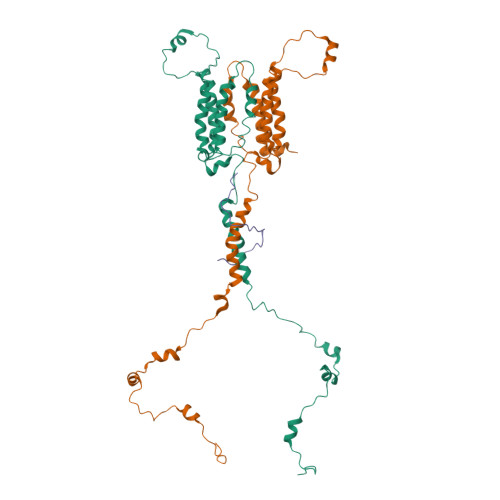
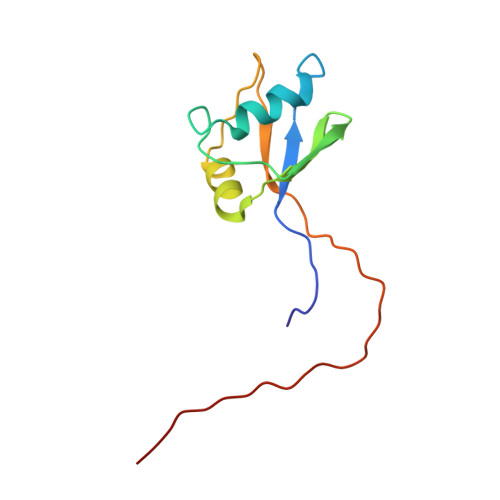
Mitochondrial import inner membrane translocase subunit TIM10 structureClick to view 3D structureMitochondrial import inner membrane translocase subunit TIM10P87108Saccharomyces cerevisiae S288cPredicted (SEA)
Prediction Confidence Score
0.28
Applicability Domain
0.375
Statistical Significance
0.005
Supporting Reference Compounds
64
E-value
38.6132
Mitochondrial import inner membrane translocase subunit TIM23 structureClick to view 3D structureMitochondrial import inner membrane translocase subunit TIM23P32897Saccharomyces cerevisiae S288cPredicted (SEA)
Prediction Confidence Score
0.269
Applicability Domain
0.375
Statistical Significance
0.016
Supporting Reference Compounds
75
E-value
124.325
Induced myeloid leukemia cell differentiation protein Mcl-1 structureClick to view 3D structureInduced myeloid leukemia cell differentiation protein Mcl-1Q07820HumansPredicted (SEA)
Prediction Confidence Score
0.269
Applicability Domain
0.286 Low confidence
Statistical Significance
0.0521
Supporting Reference Compounds
343
E-value
405.828
Click to view 3D structureNonstructural protein 1Q194T2Influenza A virusPredicted (SEA)
Prediction Confidence Score
0.261
Applicability Domain
0.31
Statistical Significance
0.0114
Supporting Reference Compounds
104
E-value
88.826
Mitogen-activated protein kinase 8 structureClick to view 3D structureMitogen-activated protein kinase 8P45983HumansPredicted (SEA)
Prediction Confidence Score
0.256
Applicability Domain
0.278 Low confidence
Statistical Significance
0.2958
Supporting Reference Compounds
782
E-value
2302.47
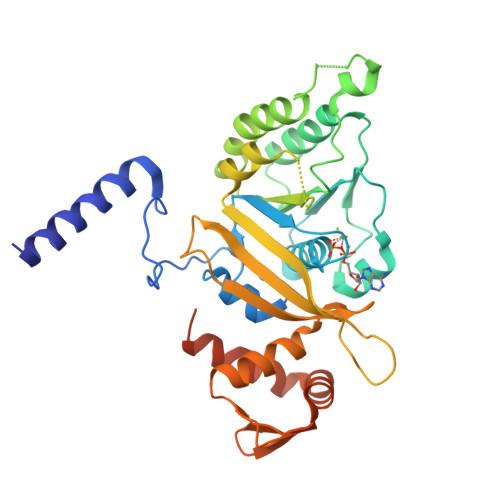
Protein mono-ADP-ribosyltransferase PARP10 structureClick to view 3D structureProtein mono-ADP-ribosyltransferase PARP10Q53GL7HumansPredicted (SEA)
Prediction Confidence Score
0.255
Applicability Domain
0.279 Low confidence
Statistical Significance
0.0153
Supporting Reference Compounds
52
E-value
119.109
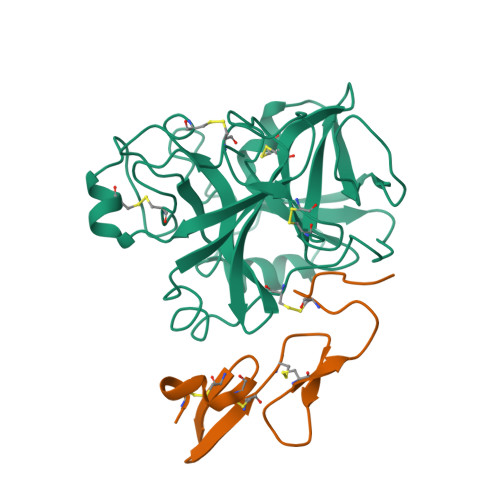
Plasminogen structureClick to view 3D structurePlasminogenP00747HumansPredicted (SEA)
Prediction Confidence Score
0.254
Applicability Domain
0.299 Low confidence
Statistical Significance
0.0805
Supporting Reference Compounds
195
E-value
626.764
Coagulation factor X structureClick to view 3D structureCoagulation factor XP00742HumansPredicted (SEA)
Prediction Confidence Score
0.254
Applicability Domain
0.299 Low confidence
Statistical Significance
0.1072
Supporting Reference Compounds
284
E-value
834.855
Click to view 3D structureATP-dependent molecular chaperone HSP82C4YTQ8Candida albicans (strain WO-1) (Yeast)Predicted (SEA)
Prediction Confidence Score
0.252
Applicability Domain
0.286 Low confidence
Statistical Significance
0.0609
Supporting Reference Compounds
205
E-value
474.024
Protein RecA structureClick to view 3D structureProtein RecAP9WHJ3Mycobacterium tuberculosisPredicted (SEA)
Prediction Confidence Score
0.25
Applicability Domain
0.293 Low confidence
Statistical Significance
0.1005
Supporting Reference Compounds
296
E-value
782.307
Urokinase-type plasminogen activator structureClick to view 3D structureUrokinase-type plasminogen activatorP00749HumansPredicted (SEA)
Prediction Confidence Score
0.249
Applicability Domain
0.299 Low confidence
Statistical Significance
0.0714
Supporting Reference Compounds
151
E-value
556.155
Tissue-type plasminogen activator structureClick to view 3D structureTissue-type plasminogen activatorP00750HumansPredicted (SEA)
Prediction Confidence Score
0.248
Applicability Domain
0.299 Low confidence
Statistical Significance
0.0589
Supporting Reference Compounds
120
E-value
458.921
Transitional endoplasmic reticulum ATPase structureClick to view 3D structureTransitional endoplasmic reticulum ATPaseQ01853Mus musculusPredicted (SEA)
Prediction Confidence Score
0.247
Applicability Domain
0.247 Low confidence
Statistical Significance
5.00e-04
Supporting Reference Compounds
1
E-value
3.89246
Click to view 3D structureDNA damage-inducible transcript 3 proteinP35639Mus musculusPredicted (SEA)
Prediction Confidence Score
0.247
Applicability Domain
0.267 Low confidence
Statistical Significance
0.0911
Supporting Reference Compounds
226
E-value
709.44
X-box-binding protein 1 structureClick to view 3D structureX-box-binding protein 1P17861HumansPredicted (SEA)
Prediction Confidence Score
0.247
Applicability Domain
0.267 Low confidence
Statistical Significance
0.0912
Supporting Reference Compounds
227
E-value
709.829
Click to view 3D structureGroup IIF secretory phospholipase A2Q9BZM2HumansPredicted (SEA)
Prediction Confidence Score
0.244
Applicability Domain
0.277 Low confidence
Statistical Significance
0.0032
Supporting Reference Compounds
2
E-value
24.7561
Click to view 3D structureGroup IIF secretory phospholipase A2Q9QZT4Mus musculusPredicted (SEA)
Prediction Confidence Score
0.244
Applicability Domain
0.277 Low confidence
Statistical Significance
0.0032
Supporting Reference Compounds
2
E-value
24.7561
Click to view 3D structureGroup IID secretory phospholipase A2Q9WVF6Mus musculusPredicted (SEA)
Prediction Confidence Score
0.244
Applicability Domain
0.277 Low confidence
Statistical Significance
0.0032
Supporting Reference Compounds
2
E-value
24.7561
Click to view 3D structureStreptokinase AP10520Streptococcus pyogenes serotype M1Predicted (SEA)
Prediction Confidence Score
0.243
Applicability Domain
0.267 Low confidence
Statistical Significance
0.1725
Supporting Reference Compounds
425
E-value
1343.29
Protein mono-ADP-ribosyltransferase PARP14 structureClick to view 3D structureProtein mono-ADP-ribosyltransferase PARP14Q460N5HumansPredicted (SEA)
Prediction Confidence Score
0.242
Applicability Domain
0.261 Low confidence
Statistical Significance
0.0193
Supporting Reference Compounds
43
E-value
150.093
Luciferin 4-monooxygenase structureClick to view 3D structureLuciferin 4-monooxygenaseP08659Photinus pyralisPredicted (SEA)
Prediction Confidence Score
0.242
Applicability Domain
0.264 Low confidence
Statistical Significance
0.0843
Supporting Reference Compounds
114
E-value
655.958
Potassium/sodium hyperpolarization-activated cyclic nucleotide-gated channel 2 structureClick to view 3D structurePotassium/sodium hyperpolarization-activated cyclic nucleotide-gated channel 2Q9UL51HumansPredicted (SEA)
Prediction Confidence Score
0.241
Applicability Domain
0.241 Low confidence
Statistical Significance
0.0044
Supporting Reference Compounds
1
E-value
34.5651
Prothrombin structureClick to view 3D structureProthrombinP00734HumansPredicted (SEA)
Prediction Confidence Score
0.24
Applicability Domain
0.299 Low confidence
Statistical Significance
0.1849
Supporting Reference Compounds
331
E-value
1439.74
Phospholipase A2 structureClick to view 3D structurePhospholipase A2P04054HumansPredicted (SEA)
Prediction Confidence Score
0.24
Applicability Domain
0.28 Low confidence
Statistical Significance
0.0189
Supporting Reference Compounds
70
E-value
147.135
Click to view 3D structureHeat shock factor protein 1P38532Mus musculusPredicted (SEA)
Prediction Confidence Score
0.24
Applicability Domain
0.243 Low confidence
Statistical Significance
0.1064
Supporting Reference Compounds
166
E-value
828.316
Concentrations
Not Available
External Links
IdentifiersNot Available
References
Synthesis ReferenceNot Available
MSDSNot Available
General ReferencesNot Available