N-methylhydroxylamine hydrochloride (CED0016057)

Record Information
Version1.0
Creation Date2026-04-04 22:49:36 UTC
Update Date2026-08-26 00:17:55 UTC
SynCED IDCED0016057
Secondary Accession Numbers
  • CHEM084272
Identification
Common NameN-methylhydroxylamine hydrochloride
ClassSmall Molecule
Description
N-methylhydroxylamine hydrochloride is an organic nitrogen compound with the formula CH5NO and an average molecular weight of 83.52 g/mol. N-methylhydroxylamine hydrochloride belongs to the n-organohydroxylamines, a subclass of organonitrogen compounds within the organic compounds. This compound is found in or released from 11 recorded sources across several sectors. Within household cleaning and consumer products, it is associated with bleaching agents, perfumes within detergents and soaps, soap detergents, cigar cigarettes, and tobacco smoke filters. In the realm of electrical and electronic equipment, it is identified in electrodes, hybrid capacitors, and conductors or conductive bodies characterised by the conductive materials. Additionally, the compound is linked to food, food processing and cookware, specifically in food preservation and fermentation processes for beer. In the building and construction sector, it is found in tents or canopies.
Contaminant TypeNot Available
Chemical Structure
SynonymsNot Available
Chemical FormulaCH5NO
Average Molecular Mass83.520 g/mol
Monoisotopic Mass47.037 g/mol
CAS Registry Number593-77-1
IUPAC NameNot Available
Traditional NameNot Available
SMILESCl.CNO
InChI IdentifierInChI=1/CH5NO.ClH/c1-2-3;/h2-3H,1H3;1H
InChI KeyRGZRSLKIOCHTSI-UHFFFAOYSA-N
Chemical Taxonomy
ClassificationNot classified
Biological Properties
StatusDetected and Not Quantified
OriginNot Available
Cellular LocationsNot Available
Biofluid LocationsNot Available
Tissue LocationsNot Available
ApplicationsNot Available
Biological Roles
Chemical RolesNot Available
Organoleptic Effects
  • yellow colour ?
  • white colour ?
  • colorless colour ?
  • pale yellow colour ?
Physical Properties
StateNot Available
AppearanceNot Available
Experimental Properties
PropertyValue
Melting PointNot Available
Boiling PointNot Available
SolubilityNot Available
Predicted PropertiesNot Available
Spectra
SpectraNot Available
Toxicity Profile
Toxicity Values
Toxicity ValueOrganismDose DescriptorRoute of ExposurePredicted or ExperimentalToxicity RatingReference
254.0 Log mg/kg [140:450]RatLD50oralpredictedNot AvailableNot Available
Toxicity / Toxin ClassNot Available
Mechanism of ToxicityNot Available
Carcinogenicity (IARC Classification)Not Available
Minimum Risk LevelNot Available
SymptomsNot Available
TreatmentNot Available
Health Effects
Health EffectRelationshipDirectionDescriptionReference
Exposure Sources
Source IDSourceSectorReference
CEDs000010Insecticides?Insecticides are synthetic chemicals designed to control or eliminate insect pests that threaten crops and other agricultural products.Agriculture & land managementPubChem
CEDs000233Brushes?Brushes used in personal care and cosmetics can be a source of synthetic chemical contamination due to the materials and coatings used in their manufacturing.Personal care & cosmeticsPubChem
CEDs000503Tents Or Canopies?Tents and canopies used in various applications can be a source of synthetic chemical contamination primarily due to the materials from which they are made.Building & ConstructionPubChem
CEDs000511Conductors Or Conductive Bodies Characterised By The Conductive Materials?Conductors, or conductive bodies, are materials that allow the flow of electrical current, typically made from metals such as copper, aluminum, or silver.Electrical & Electronic EquipmentPubChem
CEDs000519Electrodes?Electrodes, used in various electrical and electronic applications, can be a source of synthetic chemical contamination due to the materials from which they are constructed and the processes involved in their manufacturing.Electrical & Electronic EquipmentPubChem
CEDs000524Hybrid Capacitors?Hybrid capacitors are energy storage devices that combine the properties of electrolytic and supercapacitors, utilizing a combination of electrochemical principles to achieve higher energy density and power density.Electrical & Electronic EquipmentPubChem
CEDs000544Fermentation Processes For Beer?Fermentation processes for beer involve the conversion of sugars into alcohol and carbon dioxide by yeast.Food, food processing & cookwarePubChem
CEDs000545Food Preservation?Food preservation often involves the use of synthetic chemicals, such as preservatives, flavor enhancers, and color additives, to extend shelf life and enhance the sensory qualities of food products.Food, food processing & cookwarePubChem
CEDs000555Bleaching Agents?Bleaching agents are chemical substances used to whiten or lighten materials, often employed in various cleaning products for their stain removal and disinfecting properties.Household cleaning & consumer productsPubChem
CEDs000556Cigar Cigarettes?Cigar cigarettes are a source of synthetic chemical contamination due to the combustion of various tobacco blends and additives.Household cleaning & consumer productsPubChem
CEDs000561Perfumes Within Detergents And Soaps?Perfumes within detergents and soaps are synthetic fragrance compounds added to enhance the sensory experience of cleaning products.Household cleaning & consumer productsPubChem
CEDs000563Soap Detergents?Soap detergents are synthetic surfactants designed to enhance the cleaning efficacy of water by reducing surface tension, allowing for better interaction with dirt and grease.Household cleaning & consumer productsPubChem
CEDs000569Tobacco Smoke Filters?Tobacco smoke filters are designed to reduce the inhalation of harmful substances in cigarette smoke, including tar and other particulate matter.Household cleaning & consumer productsPubChem
CEDs000596Acaricides?Acaricides are synthetic chemicals specifically designed to target and control mite populations that can damage crops and plants.Agriculture & land managementPubChem
CEDs000600Herbicides And Algicides?Herbicides and algicides are synthetic chemicals primarily used to control unwanted plants and algae in various environments.Agriculture & land managementPubChem
CEDs000603Nematocides?Nematocides are synthetic chemicals specifically designed to control nematodes, which are microscopic roundworms that can cause significant damage to crops and plants.Agriculture & land managementPubChem
CEDs000606Plant Growth Regulators?Plant Growth Regulators (PGRs) are synthetic chemicals designed to influence the growth and development of plants.Agriculture & land managementPubChem
CEDs000609Aftershave?Aftershave is a grooming product typically used to soothe and protect the skin following shaving.Personal care & cosmeticsPubChem
CEDs000610Aftersun Products?Aftersun products are designed to soothe and hydrate the skin after sun exposure, often containing various synthetic chemicals such as emollients, preservatives, and fragrances.Personal care & cosmeticsPubChem
CEDs000614Essential Oils Or Perfumes?Essential oils and perfumes are complex mixtures of volatile compounds derived from natural or synthetic sources, commonly used for their aromatic properties.Personal care & cosmeticsPubChem
CEDs000615Eye Makeup Products?Eye makeup products, including mascaras, eyeliners, and eyeshadows, often contain a variety of synthetic chemicals such as pigments, preservatives, and film-forming agents.Personal care & cosmeticsPubChem
CEDs000632Apparel?Apparel production often involves the use of various synthetic chemicals, including dyes, finishing agents, and preservatives.Textiles, leather & furnishingsPubChem
CEDs000642Footwear?Footwear production often involves the use of various synthetic chemicals, such as adhesives, dyes, and treatments, which can contribute to environmental contamination.Textiles, leather & furnishingsPubChem
CEDs000662Yarns Or Threads?Yarns or threads used in textiles can be a source of synthetic chemical contamination due to the production processes and treatments they undergo.Textiles, leather & furnishingsPubChem
CEDs000671Airplanes And Helicopters?Airplanes and helicopters are significant sources of synthetic chemical contamination primarily through the use of aviation fuels, lubricants, and de-icing agents.Aviation & AerospacePubChem
CEDs000678Nitrogenous Fertilisers?Nitrogenous fertilizers are synthetic chemical compounds primarily used to enhance plant growth by supplying essential nitrogen, a crucial nutrient for photosynthesis and protein synthesis.Agriculture & land managementPubChem
CEDs000679Phosphatic Fertilisers?Phosphatic fertilizers are synthetic chemical products primarily composed of phosphorus, which is essential for plant growth.Agriculture & land managementPubChem
CEDs000685Ceramics?Ceramics can be a source of synthetic chemical contamination through various additives and processing agents used in their production.Building & ConstructionPubChem
CEDs000688Glass Coatings?Glass coatings are synthetic chemical formulations applied to glass surfaces to enhance properties such as durability, UV resistance, and aesthetic appeal.Building & ConstructionPubChem
CEDs000696Nanotechnology?Nanotechnology involves the manipulation of materials at the molecular or atomic level, typically within the range of 1 to 100 nanometers.Industrial manufacturing & chemical processingPubChem
CEDs000735Explosives?Explosives are chemical compounds or mixtures designed to undergo rapid decomposition, releasing energy in the form of gas and heat.Defense & military infrastructurePubChem
CEDs000738Cooling Circuit Water?Cooling circuit water is utilized in various industrial processes to absorb and dissipate heat generated during operations.Industrial manufacturing & chemical processingPubChem
CEDs000739Inks?Inks are complex mixtures composed of pigments or dyes, solvents, resins, and additives used primarily for printing and writing applications.Paper, pulp & fiber productsPubChem
CEDs000740Paper?Paper production involves the processing of wood fibers and the use of various chemicals, which can lead to synthetic chemical contamination.Paper, pulp & fiber productsPubChem
CEDs000741Pigment Pastes?Pigment pastes are concentrated dispersions of pigments used to impart color and properties to materials.Paper, pulp & fiber productsPubChem
CEDs000742Leather Tanning?Leather tanning is a process that transforms raw animal hides into durable leather through the application of various chemicals, including chromium salts, aldehydes, and vegetable tannins.Textiles, leather & furnishingsPubChem
CEDs000744Water, Wastewater, & Sewage Treatment?Water, wastewater, and sewage treatment processes are critical for managing and mitigating pollutants in water systems.Wastewater, sanitation & biosolidsPubChem
CEDs02255WaterAquatic systems & sedimentsPMC5117111
Pathways
0 pathwaysPathway Source: PathBank

No pathways found

No metabolic pathways have been associated with this synthetic chemical

Targets
StructureProteinUniProt IDOrganismRelationshipDetails
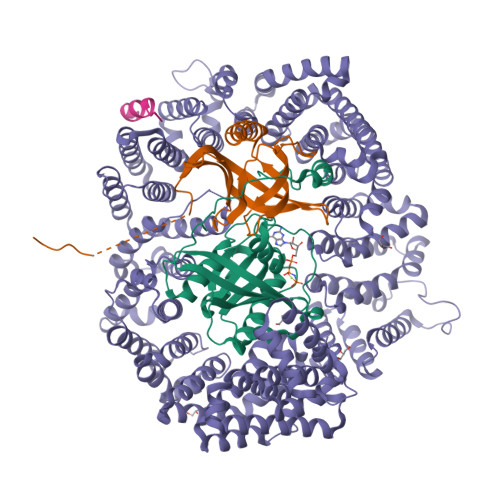
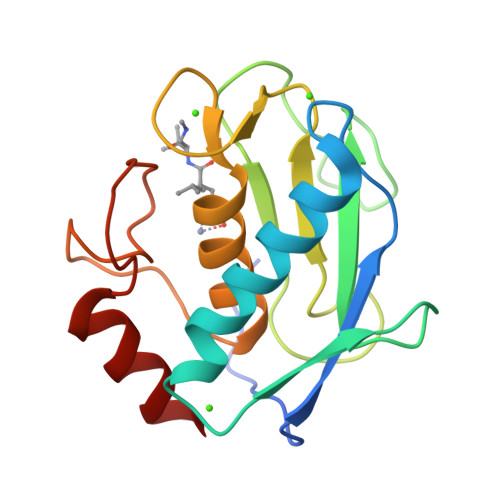
Histone deacetylase 5 structureClick to view 3D structureHistone deacetylase 5Q9UQL6HumansPredicted (SEA)
Prediction Confidence Score
0.139
Applicability Domain
0.158 Low confidence
Statistical Significance
0.9797
Supporting Reference Compounds
172
E-value
7626.89
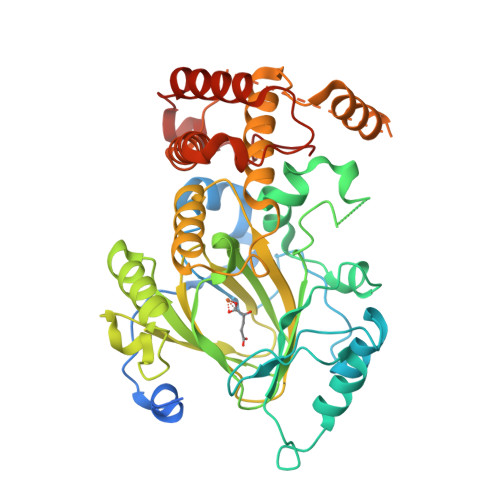
Lysine-specific demethylase 2A structureClick to view 3D structureLysine-specific demethylase 2AQ9Y2K7HumansPredicted (SEA)
Prediction Confidence Score
0.139
Applicability Domain
0.182 Low confidence
Statistical Significance
0.7963
Supporting Reference Compounds
35
E-value
6199.37
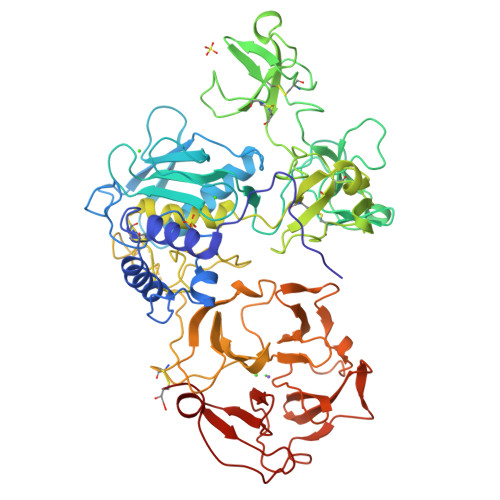
72 kDa type IV collagenase structureClick to view 3D structure72 kDa type IV collagenaseP08253HumansPredicted (SEA)
Prediction Confidence Score
0.138
Applicability Domain
0.14 Low confidence
Statistical Significance
0.9912
Supporting Reference Compounds
400
E-value
7716.34
Matrix metalloproteinase-9 structureClick to view 3D structureMatrix metalloproteinase-9P14780HumansPredicted (SEA)
Prediction Confidence Score
0.138
Applicability Domain
0.14 Low confidence
Statistical Significance
0.9851
Supporting Reference Compounds
292
E-value
7668.69
Interstitial collagenase structureClick to view 3D structureInterstitial collagenaseP03956HumansPredicted (SEA)
Prediction Confidence Score
0.136
Applicability Domain
0.14 Low confidence
Statistical Significance
0.9849
Supporting Reference Compounds
258
E-value
7667.53
Protein deacetylase HDAC6 structureClick to view 3D structureProtein deacetylase HDAC6Q9UBN7HumansPredicted (SEA)
Prediction Confidence Score
0.136
Applicability Domain
0.158 Low confidence
Statistical Significance
0.9972
Supporting Reference Compounds
553
E-value
7763.51
Histone deacetylase 1 structureClick to view 3D structureHistone deacetylase 1Q13547HumansPredicted (SEA)
Prediction Confidence Score
0.135
Applicability Domain
0.158 Low confidence
Statistical Significance
0.9956
Supporting Reference Compounds
497
E-value
7750.9
Histone deacetylase 2 structureClick to view 3D structureHistone deacetylase 2Q92769HumansPredicted (SEA)
Prediction Confidence Score
0.135
Applicability Domain
0.158 Low confidence
Statistical Significance
0.9925
Supporting Reference Compounds
307
E-value
7726.61
Histone deacetylase 3 structureClick to view 3D structureHistone deacetylase 3O15379HumansPredicted (SEA)
Prediction Confidence Score
0.135
Applicability Domain
0.158 Low confidence
Statistical Significance
0.9927
Supporting Reference Compounds
257
E-value
7727.86
Histone lysine demethylase PHF8 structureClick to view 3D structureHistone lysine demethylase PHF8Q9UPP1HumansPredicted (SEA)
Prediction Confidence Score
0.135
Applicability Domain
0.182 Low confidence
Statistical Significance
0.6162
Supporting Reference Compounds
14
E-value
4797.46
Neutrophil collagenase structureClick to view 3D structureNeutrophil collagenaseP22894HumansPredicted (SEA)
Prediction Confidence Score
0.135
Applicability Domain
0.14 Low confidence
Statistical Significance
0.9697
Supporting Reference Compounds
176
E-value
7549.27
Histone deacetylase 8 structureClick to view 3D structureHistone deacetylase 8Q9BY41HumansPredicted (SEA)
Prediction Confidence Score
0.134
Applicability Domain
0.158 Low confidence
Statistical Significance
0.994
Supporting Reference Compounds
317
E-value
7737.9
Stromelysin-1 structureClick to view 3D structureStromelysin-1P08254HumansPredicted (SEA)
Prediction Confidence Score
0.133
Applicability Domain
0.14 Low confidence
Statistical Significance
0.985
Supporting Reference Compounds
200
E-value
7667.99
Lysine-specific demethylase 5C structureClick to view 3D structureLysine-specific demethylase 5CP41229HumansPredicted (SEA)
Prediction Confidence Score
0.131
Applicability Domain
0.182 Low confidence
Statistical Significance
0.9109
Supporting Reference Compounds
45
E-value
7091.52
Histone deacetylase 4 structureClick to view 3D structureHistone deacetylase 4P56524HumansPredicted (SEA)
Prediction Confidence Score
0.131
Applicability Domain
0.154 Low confidence
Statistical Significance
0.9915
Supporting Reference Compounds
185
E-value
7718.91
Matrilysin structureClick to view 3D structureMatrilysinP09237HumansPredicted (SEA)
Prediction Confidence Score
0.131
Applicability Domain
0.14 Low confidence
Statistical Significance
0.9676
Supporting Reference Compounds
105
E-value
7533.08
Sigma non-opioid intracellular receptor 1 structureClick to view 3D structureSigma non-opioid intracellular receptor 1Q99720HumansPredicted (SEA)
Prediction Confidence Score
0.13
Applicability Domain
0.167 Low confidence
Statistical Significance
0.998
Supporting Reference Compounds
562
E-value
7769.43
Carbonic anhydrase 12 structureClick to view 3D structureCarbonic anhydrase 12O43570HumansPredicted (SEA)
Prediction Confidence Score
0.128
Applicability Domain
0.136 Low confidence
Statistical Significance
0.9928
Supporting Reference Compounds
332
E-value
7729.1
Disintegrin and metalloproteinase domain-containing protein 17 structureClick to view 3D structureDisintegrin and metalloproteinase domain-containing protein 17P78536HumansPredicted (SEA)
Prediction Confidence Score
0.127
Applicability Domain
0.135 Low confidence
Statistical Significance
0.9917
Supporting Reference Compounds
166
E-value
7720.0
Carbonic anhydrase 2 structureClick to view 3D structureCarbonic anhydrase 2P00918HumansPredicted (SEA)
Prediction Confidence Score
0.125
Applicability Domain
0.138 Low confidence
Statistical Significance
0.998
Supporting Reference Compounds
472
E-value
7769.66
Click to view 3D structureHistone deacetylase 6Q99P97Rattus norvegicusPredicted (SEA)
Prediction Confidence Score
0.125
Applicability Domain
0.125 Low confidence
Statistical Significance
0.5375
Supporting Reference Compounds
1
E-value
4184.71
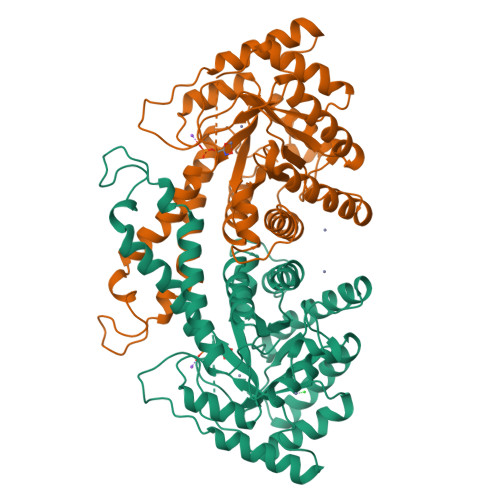
Fructose-bisphosphate aldolase class 2 structureClick to view 3D structureFructose-bisphosphate aldolase class 2P0AB71Escherichia coli (strain K12)Predicted (SEA)
Prediction Confidence Score
0.125
Applicability Domain
0.125 Low confidence
Statistical Significance
0.0224
Supporting Reference Compounds
1
E-value
174.538
Matrix metalloproteinase-14 structureClick to view 3D structureMatrix metalloproteinase-14P50281HumansPredicted (SEA)
Prediction Confidence Score
0.125
Applicability Domain
0.135 Low confidence
Statistical Significance
0.9928
Supporting Reference Compounds
198
E-value
7728.87
Histone deacetylase 7 structureClick to view 3D structureHistone deacetylase 7Q8WUI4HumansPredicted (SEA)
Prediction Confidence Score
0.124
Applicability Domain
0.154 Low confidence
Statistical Significance
0.9926
Supporting Reference Compounds
148
E-value
7727.39
Carbonic anhydrase 1 structureClick to view 3D structureCarbonic anhydrase 1P00915HumansPredicted (SEA)
Prediction Confidence Score
0.124
Applicability Domain
0.136 Low confidence
Statistical Significance
0.9973
Supporting Reference Compounds
407
E-value
7764.29
Concentrations
Not Available
External Links
IdentifiersNot Available
References
Synthesis ReferenceNot Available
MSDSNot Available
General ReferencesNot Available