2-(3,4-Dihydroxyphenyl)-3-(ß-D-glucofuranosyloxy)-5,7-dihydroxy-4H-1-benzopyran-4-one (CED0141479)

Record Information
Version1.0
Creation Date2026-04-04 23:47:24 UTC
Update Date2026-04-04 23:47:24 UTC
SynCED IDCED0141479
Secondary Accession Numbers
  • CHEM085385
Identification
Common Name2-(3,4-Dihydroxyphenyl)-3-(ß-D-glucofuranosyloxy)-5,7-dihydroxy-4H-1-benzopyran-4-one
ClassSmall Molecule
Description
2-(3,4-Dihydroxyphenyl)-3-(ß-D-glucofuranosyloxy)-5,7-dihydroxy-4H-1-benzopyran-4-one belongs to the flavonoid glycosides, a subclass of flavonoids within the organic compounds. This phenylpropanoid and polyketide has the chemical formula C21H20O12 and an average molecular weight of 464.38 g/mol. The compound is found in or released from three recorded sources, including tobacco product cases from household cleaning and consumer products, as well as the preparation of wort and vinegar from food, food processing and cookware. Regarding health effects, the compound is used as a treatment for COVID-19 (PMC7837196 ).
Contaminant TypeNot Available
Chemical Structure
SynonymsNot Available
Chemical FormulaC21H20O12
Average Molecular Mass464.379 g/mol
Monoisotopic Mass464.095 g/mol
CAS Registry Number21637-25-2
IUPAC NameNot Available
Traditional NameNot Available
SMILES[H][C@@]1(O[C@@H](OC2=C(OC3=C(C(O)=CC(O)=C3)C2=O)C2=CC=C(O)C(O)=C2)[C@H](O)[C@H]1O)[C@H](O)CO
InChI IdentifierInChI=1/C21H20O12/c22-6-12(27)19-16(29)17(30)21(32-19)33-20-15(28)14-11(26)4-8(23)5-13(14)31-18(20)7-1-2-9(24)10(25)3-7/h1-5,12,16-17,19,21-27,29-30H,6H2
InChI KeyOPJZLUXFQFQYAI-GNPVFZCLSA-N
Chemical Taxonomy
ClassificationNot classified
Biological Properties
StatusDetected and Not Quantified
OriginNot Available
Cellular LocationsNot Available
Biofluid LocationsNot Available
Tissue LocationsNot Available
ApplicationsNot Available
Biological Roles
Chemical RolesNot Available
Organoleptic Effects
  • yellow colour ?
Physical Properties
StateNot Available
AppearanceNot Available
Experimental Properties
PropertyValue
Melting PointNot Available
Boiling PointNot Available
SolubilityNot Available
Predicted PropertiesNot Available
Spectra
Spectra
Spectrum TypeDescriptionSplash KeyDeposition DateView
Predicted GC-MSPredicted GC-MS SpectrumNot AvailableNot AvailableView Spectrum
Predicted LC-MS/MSPredicted LC-MS/MS Spectrumsplash10-0udi-2238900000-2370215a905de55d94d1Not AvailableView Spectrum
Predicted LC-MS/MSPredicted LC-MS/MS Spectrumsplash10-0udi-1269100000-6f2a84262a823c6e844fNot AvailableView Spectrum
Predicted LC-MS/MSPredicted LC-MS/MS Spectrumsplash10-0pbi-9743000000-bd9a21b03bf7920e2310Not AvailableView Spectrum
Predicted LC-MS/MSPredicted LC-MS/MS Spectrumsplash10-0w29-2104900000-422e5b4760c89c98411eNot AvailableView Spectrum
Predicted LC-MS/MSPredicted LC-MS/MS Spectrumsplash10-0udi-4539400000-ed711238b58a1c7709d6Not AvailableView Spectrum
Predicted LC-MS/MSPredicted LC-MS/MS Spectrumsplash10-0pb9-4953000000-5887ce674bb765885f4cNot AvailableView Spectrum
MSMS SpectrumNot AvailableNot AvailableView Spectrum
1D NMR13C NMR Spectrum (1D, H2O, predicted)Not AvailableNot AvailableView Spectrum
1D NMR1H NMR Spectrum (1D, H2O, predicted)Not AvailableNot AvailableView Spectrum
Toxicity Profile
Toxicity Values
Toxicity ValueOrganismDose DescriptorRoute of ExposurePredicted or ExperimentalToxicity RatingReference
8616.0 Log mg/kg [4800:15000]RatLD50oralpredictedNot AvailableNot Available
Toxicity / Toxin ClassNot Available
Mechanism of ToxicityNot Available
Carcinogenicity (IARC Classification)Not Available
Minimum Risk LevelNot Available
SymptomsNot Available
TreatmentNot Available
Health Effects
Health EffectRelationshipDirectionDescriptionReference
colorectal cancerHas Therapeutic Effect OnNot AvailableA large intestine cancer that is located in the colon and/or located in the rectum. (DO)PMC12750064
COVID-19Not AvailableNot AvailableNot AvailablePMC7837196
ulcerative colitisHas Therapeutic Effect OnNot AvailableA health condition characterized by inflammation of the colon. A type of IBD.PMC12750064
Oxidative StressHas Therapeutic Effect OnNot AvailableNot AvailablePMC8869199 , PMC10896161
Oxidative StressAssociated With?Not AvailableNot AvailablePMC12144181
Intestinal inflammationHas Therapeutic Effect OnNot AvailableNot AvailablePMC12750064
Exposure Sources
Source IDSourceSectorReference
CEDs000511Conductors Or Conductive Bodies Characterised By The Conductive Materials?Conductors, or conductive bodies, are materials that allow the flow of electrical current, typically made from metals such as copper, aluminum, or silver.Electrical & Electronic EquipmentPubChem
CEDs000518Electrically Stimulated Smoking Devices?Electrically stimulated smoking devices, commonly known as e-cigarettes or vape pens, utilize electrical components to heat a liquid solution, often containing nicotine, flavorings, and other additives, to produce an aerosol for inhalation.Electrical & Electronic EquipmentPubChem
CEDs000544Fermentation Processes For Beer?Fermentation processes for beer involve the conversion of sugars into alcohol and carbon dioxide by yeast.Food, food processing & cookwarePubChem
CEDs000545Food Preservation?Food preservation often involves the use of synthetic chemicals, such as preservatives, flavor enhancers, and color additives, to extend shelf life and enhance the sensory qualities of food products.Food, food processing & cookwarePubChem
CEDs000548Preparation Of Vinegar?Vinegar is produced through the fermentation of ethanol by acetic acid bacteria, resulting in a solution that typically contains 4-8% acetic acid.Food, food processing & cookwarePubChem
CEDs000549Preparation Of Wine Or Sparkling Wine?The preparation of wine or sparkling wine involves various stages, including fermentation, aging, and bottling, which can introduce potential sources of synthetic chemical contamination.Food, food processing & cookwarePubChem
CEDs000550Preparation Of Wort?The preparation of wort involves the extraction of sugars from malted grains, a crucial step in the brewing process.Food, food processing & cookwarePubChem
CEDs000556Cigar Cigarettes?Cigar cigarettes are a source of synthetic chemical contamination due to the combustion of various tobacco blends and additives.Household cleaning & consumer productsPubChem
CEDs000561Perfumes Within Detergents And Soaps?Perfumes within detergents and soaps are synthetic fragrance compounds added to enhance the sensory experience of cleaning products.Household cleaning & consumer productsPubChem
CEDs000563Soap Detergents?Soap detergents are synthetic surfactants designed to enhance the cleaning efficacy of water by reducing surface tension, allowing for better interaction with dirt and grease.Household cleaning & consumer productsPubChem
CEDs000567Tobacco Product Cases?Tobacco product cases can serve as a source of synthetic chemical contamination due to the presence of various additives and chemicals used in tobacco processing and product manufacturing.Household cleaning & consumer productsPubChem
CEDs000569Tobacco Smoke Filters?Tobacco smoke filters are designed to reduce the inhalation of harmful substances in cigarette smoke, including tar and other particulate matter.Household cleaning & consumer productsPubChem
CEDs000578Making Cigars?The process of making cigars involves several steps, including the cultivation of tobacco, fermentation, and the application of various additives to enhance flavor and preservation.Industrial manufacturing & chemical processingPubChem
CEDs000580Manufacture Preparation Of Tobacco Products?The manufacture and preparation of tobacco products involve various processes that can result in the introduction of synthetic chemicals into the environment.Industrial manufacturing & chemical processingPubChem
CEDs000604Pest Attractants?Pest attractants are synthetic chemicals designed to lure specific pests for monitoring or control purposes.Agriculture & land managementPubChem
CEDs000605Pest Repellants?Pest repellents, often formulated from synthetic chemicals, are widely used to protect crops from insect infestations and other pests.Agriculture & land managementPubChem
CEDs000606Plant Growth Regulators?Plant Growth Regulators (PGRs) are synthetic chemicals designed to influence the growth and development of plants.Agriculture & land managementPubChem
CEDs000609Aftershave?Aftershave is a grooming product typically used to soothe and protect the skin following shaving.Personal care & cosmeticsPubChem
CEDs000610Aftersun Products?Aftersun products are designed to soothe and hydrate the skin after sun exposure, often containing various synthetic chemicals such as emollients, preservatives, and fragrances.Personal care & cosmeticsPubChem
CEDs000611Anti Perspirants Or Body Deoderants?Antiperspirants and body deodorants commonly contain synthetic chemicals such as aluminum compounds, parabens, and synthetic fragrances.Personal care & cosmeticsPubChem
CEDs000613Depilatories?Depilatories are products designed to remove unwanted hair through the application of synthetic chemicals that break down the protein structure of hair, facilitating its removal.Personal care & cosmeticsPubChem
CEDs000614Essential Oils Or Perfumes?Essential oils and perfumes are complex mixtures of volatile compounds derived from natural or synthetic sources, commonly used for their aromatic properties.Personal care & cosmeticsPubChem
CEDs000615Eye Makeup Products?Eye makeup products, including mascaras, eyeliners, and eyeshadows, often contain a variety of synthetic chemicals such as pigments, preservatives, and film-forming agents.Personal care & cosmeticsPubChem
CEDs000616Face Mask Cosmetics?Face mask cosmetics often contain a variety of synthetic chemicals, including preservatives, emulsifiers, and fragrances, which can contribute to chemical contamination.Personal care & cosmeticsPubChem
CEDs000617Lip Care Products?Lip care products, including lipsticks, balms, and glosses, often contain a variety of synthetic chemicals such as parabens, phthalates, and synthetic fragrances.Personal care & cosmeticsPubChem
CEDs000618Lip Makeup Products?Lip makeup products, such as lipsticks, lip glosses, and lip liners, often contain a variety of synthetic chemicals, including pigments, preservatives, and emollients.Personal care & cosmeticsPubChem
CEDs000619Manicure Pedicure?Manicure and pedicure procedures often involve the use of various synthetic chemicals, including solvents, nail polishes, and nail adhesives.Personal care & cosmeticsPubChem
CEDs000678Nitrogenous Fertilisers?Nitrogenous fertilizers are synthetic chemical compounds primarily used to enhance plant growth by supplying essential nitrogen, a crucial nutrient for photosynthesis and protein synthesis.Agriculture & land managementPubChem
CEDs000679Phosphatic Fertilisers?Phosphatic fertilizers are synthetic chemical products primarily composed of phosphorus, which is essential for plant growth.Agriculture & land managementPubChem
CEDs000696Nanotechnology?Nanotechnology involves the manipulation of materials at the molecular or atomic level, typically within the range of 1 to 100 nanometers.Industrial manufacturing & chemical processingPubChem
CEDs000727Printing Machines Or Presses?Printing machines or presses commonly utilize synthetic chemicals such as inks, solvents, and cleaning agents.Paper, pulp & fiber productsPubChem
CEDs000740Paper?Paper production involves the processing of wood fibers and the use of various chemicals, which can lead to synthetic chemical contamination.Paper, pulp & fiber productsPubChem
CEDs000743Sludge Treatment?Sludge treatment involves the processing of waste materials generated from wastewater treatment plants, which often contain a variety of organic and inorganic substances.Wastewater, sanitation & biosolidsPubChem
CEDs000744Water, Wastewater, & Sewage Treatment?Water, wastewater, and sewage treatment processes are critical for managing and mitigating pollutants in water systems.Wastewater, sanitation & biosolidsPubChem
CEDs01200VegetablesFood, food processing & cookwarePMC4227458
Pathways
0 pathwaysPathway Source: PathBank

No pathways found

No metabolic pathways have been associated with this synthetic chemical

Targets
StructureProteinUniProt IDOrganismRelationshipDetails
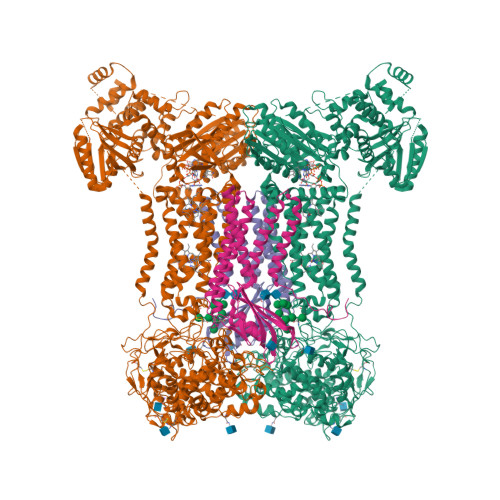
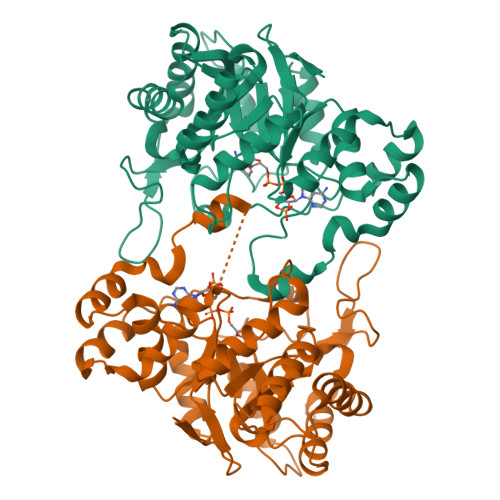
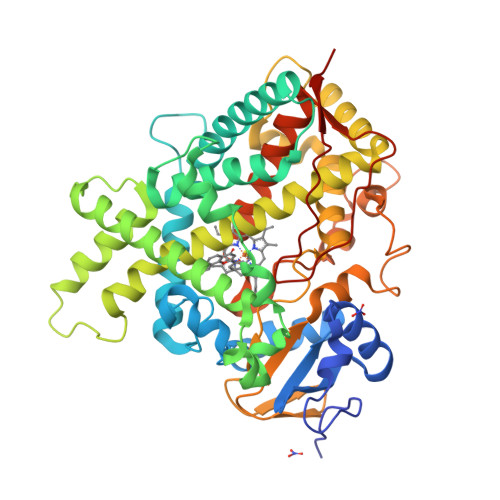
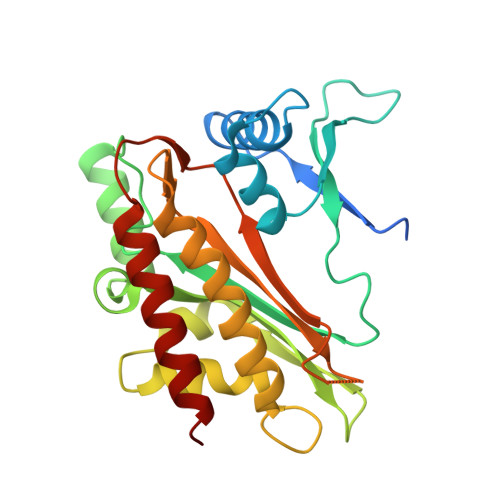
Dual oxidase 1 structureClick to view 3D structureDual oxidase 1Q9NRD9HumansKnownNot Available
Aldo-keto reductase family 1 member B1 structureClick to view 3D structureAldo-keto reductase family 1 member B1P15121HumansPredicted (SEA)
Prediction Confidence Score
0.615
Applicability Domain
0.73
Statistical Significance
9.00e-05
Supporting Reference Compounds
84
E-value
0.700643
Click to view 3D structureAldo-keto reductase family 1 member B1P07943Rattus norvegicusPredicted (SEA)
Prediction Confidence Score
0.589
Applicability Domain
0.73
Statistical Significance
1.60e-04
Supporting Reference Compounds
70
E-value
1.24559
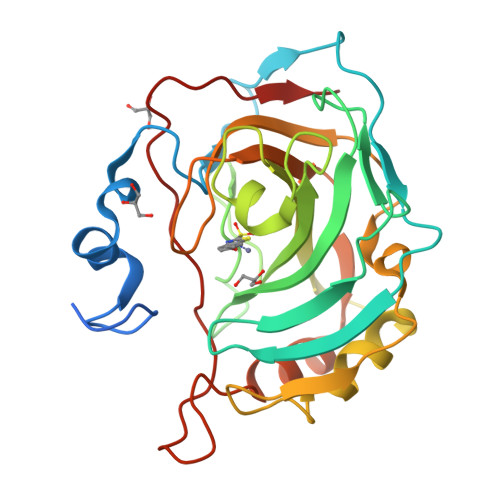
Carbonic anhydrase 2 structureClick to view 3D structureCarbonic anhydrase 2P00918HumansPredicted (SEA)
Prediction Confidence Score
0.554
Applicability Domain
0.73
Statistical Significance
7.20e-04
Supporting Reference Compounds
472
E-value
5.60514
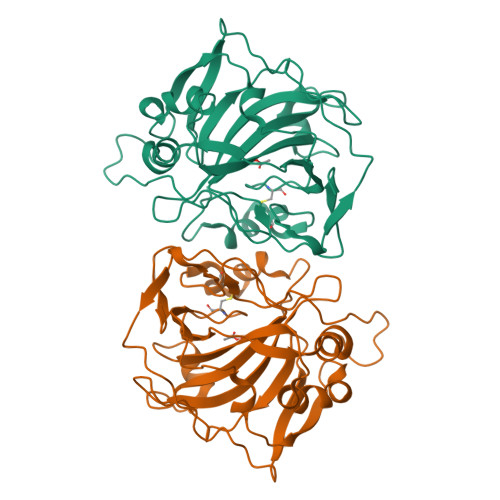
Carbonic anhydrase 7 structureClick to view 3D structureCarbonic anhydrase 7P43166HumansPredicted (SEA)
Prediction Confidence Score
0.554
Applicability Domain
0.73
Statistical Significance
2.90e-04
Supporting Reference Compounds
242
E-value
2.25763
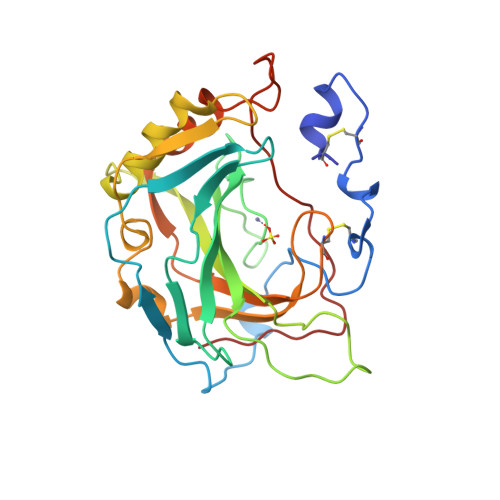
Carbonic anhydrase 12 structureClick to view 3D structureCarbonic anhydrase 12O43570HumansPredicted (SEA)
Prediction Confidence Score
0.554
Applicability Domain
0.73
Statistical Significance
4.20e-04
Supporting Reference Compounds
332
E-value
3.26967
Carbonic anhydrase 1 structureClick to view 3D structureCarbonic anhydrase 1P00915HumansPredicted (SEA)
Prediction Confidence Score
0.554
Applicability Domain
0.73
Statistical Significance
6.00e-04
Supporting Reference Compounds
407
E-value
4.67095
Carbonic anhydrase 4 structureClick to view 3D structureCarbonic anhydrase 4P22748HumansPredicted (SEA)
Prediction Confidence Score
0.554
Applicability Domain
0.73
Statistical Significance
1.30e-04
Supporting Reference Compounds
193
E-value
1.01204
Click to view 3D structureArginaseO96394Leishmania amazonensisPredicted (SEA)
Prediction Confidence Score
0.54
Applicability Domain
0.73
Statistical Significance
4.00e-05
Supporting Reference Compounds
10
E-value
0.311397
Click to view 3D structureNonstructural protein 5V5TFZ2Dengue virusPredicted (SEA)
Prediction Confidence Score
0.529
Applicability Domain
0.742
Statistical Significance
6.00e-05
Supporting Reference Compounds
14
E-value
0.467095
Click to view 3D structureD-alanine--D-alanine ligaseQ1CTD3Helicobacter pylori (strain HPAG1)Predicted (SEA)
Prediction Confidence Score
0.5
Applicability Domain
0.5
Statistical Significance
6.00e-05
Supporting Reference Compounds
1
E-value
0.467095
Aldo-keto reductase family 1 member C21 structureClick to view 3D structureAldo-keto reductase family 1 member C21Q91WR5Mus musculusPredicted (SEA)
Prediction Confidence Score
0.5
Applicability Domain
0.5
Statistical Significance
6.00e-05
Supporting Reference Compounds
1
E-value
0.467095
Click to view 3D structureNADPH oxidase 4Q9NPH5HumansPredicted (SEA)
Prediction Confidence Score
0.499
Applicability Domain
0.73
Statistical Significance
6.00e-05
Supporting Reference Compounds
25
E-value
0.467095
Lysine-specific histone demethylase 1A structureClick to view 3D structureLysine-specific histone demethylase 1AO60341HumansPredicted (SEA)
Prediction Confidence Score
0.494
Applicability Domain
0.73
Statistical Significance
2.10e-04
Supporting Reference Compounds
85
E-value
1.63483
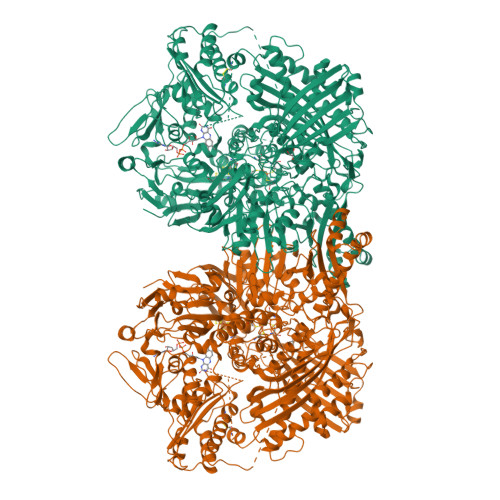
Xanthine dehydrogenase/oxidase structureClick to view 3D structureXanthine dehydrogenase/oxidaseP47989HumansPredicted (SEA)
Prediction Confidence Score
0.486
Applicability Domain
0.73
Statistical Significance
1.80e-04
Supporting Reference Compounds
37
E-value
1.40129
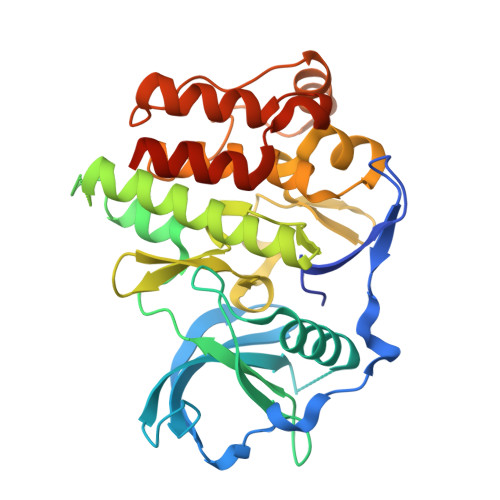
Receptor-type tyrosine-protein kinase FLT3 structureClick to view 3D structureReceptor-type tyrosine-protein kinase FLT3P36888HumansPredicted (SEA)
Prediction Confidence Score
0.48
Applicability Domain
0.73
Statistical Significance
0.0125
Supporting Reference Compounds
1274
E-value
97.3115
Amine oxidase [flavin-containing] A structureClick to view 3D structureAmine oxidase [flavin-containing] AP21397HumansPredicted (SEA)
Prediction Confidence Score
0.456
Applicability Domain
0.625
Statistical Significance
0.0015
Supporting Reference Compounds
241
E-value
11.8331
Acetylcholinesterase structureClick to view 3D structureAcetylcholinesteraseP22303HumansPredicted (SEA)
Prediction Confidence Score
0.448
Applicability Domain
0.625
Statistical Significance
0.0048
Supporting Reference Compounds
406
E-value
37.4455
Beta-secretase 1 structureClick to view 3D structureBeta-secretase 1P56817HumansPredicted (SEA)
Prediction Confidence Score
0.443
Applicability Domain
0.625
Statistical Significance
0.003
Supporting Reference Compounds
163
E-value
23.5883
Click to view 3D structureAldo-keto reductase family 1 member B1P16116Bos taurusPredicted (SEA)
Prediction Confidence Score
0.435
Applicability Domain
0.698
Statistical Significance
2.40e-04
Supporting Reference Compounds
21
E-value
1.86838
Click to view 3D structureInositol hexakisphosphate kinase 2Q9UHH9HumansPredicted (SEA)
Prediction Confidence Score
0.423
Applicability Domain
0.5
Statistical Significance
4.00e-04
Supporting Reference Compounds
13
E-value
3.11397
Click to view 3D structureIntestinal-type alkaline phosphataseP09923HumansPredicted (SEA)
Prediction Confidence Score
0.417
Applicability Domain
0.73
Statistical Significance
2.00e-05
Supporting Reference Compounds
37
E-value
0.155698
Cytochrome P450 1A2 structureClick to view 3D structureCytochrome P450 1A2P05177HumansPredicted (SEA)
Prediction Confidence Score
0.416
Applicability Domain
0.5
Statistical Significance
0.0072
Supporting Reference Compounds
793
E-value
56.0514
Cytochrome P450 1B1 structureClick to view 3D structureCytochrome P450 1B1Q16678HumansPredicted (SEA)
Prediction Confidence Score
0.416
Applicability Domain
0.5
Statistical Significance
0.0015
Supporting Reference Compounds
88
E-value
11.9888
Cytochrome P450 1A1 structureClick to view 3D structureCytochrome P450 1A1P04798HumansPredicted (SEA)
Prediction Confidence Score
0.416
Applicability Domain
0.5
Statistical Significance
0.0011
Supporting Reference Compounds
77
E-value
8.87481
Inositol polyphosphate multikinase structureClick to view 3D structureInositol polyphosphate multikinaseQ8NFU5HumansPredicted (SEA)
Prediction Confidence Score
0.416
Applicability Domain
0.5
Statistical Significance
1.70e-04
Supporting Reference Compounds
6
E-value
1.32344
Concentrations
Not Available
External Links
IdentifiersNot Available
References
Synthesis ReferenceNot Available
MSDSNot Available
General ReferencesNot Available