 Click to view 3D structure | Putative inactive group IIC secretory phospholipase A2 | Q5R387 | Humans | Predicted (SEA) | - Prediction Confidence Score
- 0.302
- Applicability Domain
- 0.302
- Statistical Significance
- 3.80e-04
- Supporting Reference Compounds
- 1
- E-value
- 2.95827
|
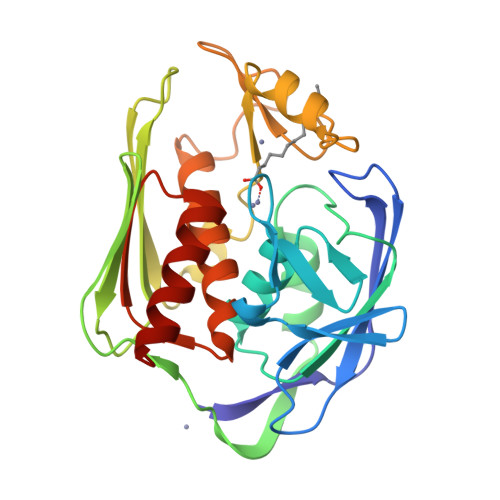 Click to view 3D structure | UDP-3-O-acyl-N-acetylglucosamine deacetylase | O67648 | Aquifex aeolicus (strain VF5) | Predicted (SEA) | - Prediction Confidence Score
- 0.292
- Applicability Domain
- 0.292 Low confidence
- Statistical Significance
- 0.0054
- Supporting Reference Compounds
- 1
- E-value
- 42.1943
|
| Click to view 3D structure | Palmitoyltransferase ZDHHC7 | Q9NXF8 | Humans | Predicted (SEA) | - Prediction Confidence Score
- 0.283
- Applicability Domain
- 0.283 Low confidence
- Statistical Significance
- 1.10e-04
- Supporting Reference Compounds
- 1
- E-value
- 0.856341
|
| Click to view 3D structure | UDP-N-acetylmuramoyl-tripeptide--D-alanyl-D-alanine ligase | Q5HMD9 | Staphylococcus epidermidis (strain ATCC 35984 / RP62A) | Predicted (SEA) | - Prediction Confidence Score
- 0.269
- Applicability Domain
- 0.269 Low confidence
- Statistical Significance
- 9.40e-04
- Supporting Reference Compounds
- 1
- E-value
- 7.31783
|
 Click to view 3D structure | Acylcarnitine hydrolase | Q91WG0 | Mus musculus | Predicted (SEA) | - Prediction Confidence Score
- 0.266
- Applicability Domain
- 0.283 Low confidence
- Statistical Significance
- 4.40e-04
- Supporting Reference Compounds
- 2
- E-value
- 3.42537
|
| Click to view 3D structure | Lysophosphatidic acid receptor 4 | Q8BLG2 | Mus musculus | Predicted (SEA) | - Prediction Confidence Score
- 0.259
- Applicability Domain
- 0.259 Low confidence
- Statistical Significance
- 0.0014
- Supporting Reference Compounds
- 1
- E-value
- 11.1324
|
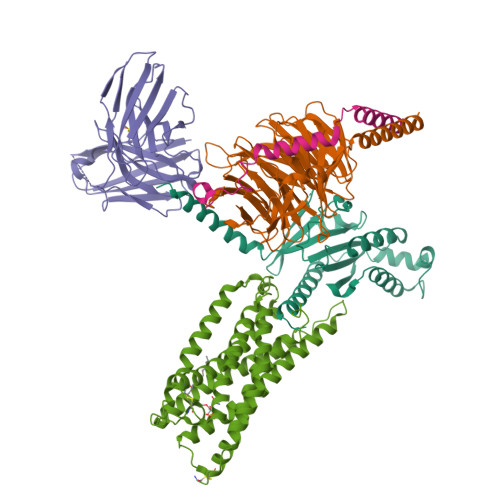 Click to view 3D structure | Putative P2Y purinoceptor 10 | O00398 | Humans | Predicted (SEA) | - Prediction Confidence Score
- 0.257
- Applicability Domain
- 0.266 Low confidence
- Statistical Significance
- 0.0015
- Supporting Reference Compounds
- 10
- E-value
- 11.5217
|
 Click to view 3D structure | Lysophosphatidic acid receptor 1 | Q92633 | Humans | Predicted (SEA) | - Prediction Confidence Score
- 0.254
- Applicability Domain
- 0.259 Low confidence
- Statistical Significance
- 0.0037
- Supporting Reference Compounds
- 31
- E-value
- 29.1935
|
 Click to view 3D structure | Autotaxin | Q13822 | Humans | Predicted (SEA) | - Prediction Confidence Score
- 0.254
- Applicability Domain
- 0.259 Low confidence
- Statistical Significance
- 0.0052
- Supporting Reference Compounds
- 40
- E-value
- 40.248
|
| Click to view 3D structure | Lysophosphatidic acid receptor 3 | Q9UBY5 | Humans | Predicted (SEA) | - Prediction Confidence Score
- 0.254
- Applicability Domain
- 0.259 Low confidence
- Statistical Significance
- 0.0041
- Supporting Reference Compounds
- 21
- E-value
- 31.6846
|
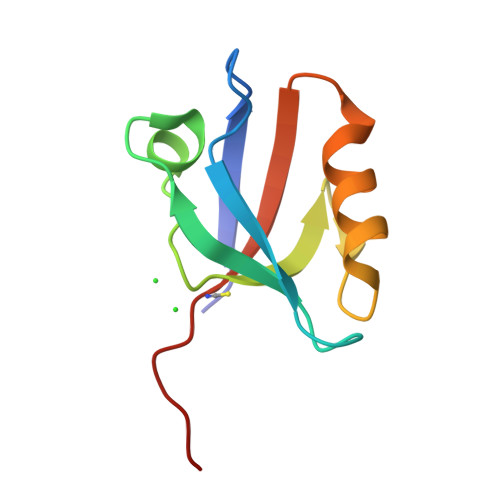 Click to view 3D structure | Lysophosphatidic acid receptor 2 | Q9HBW0 | Humans | Predicted (SEA) | - Prediction Confidence Score
- 0.253
- Applicability Domain
- 0.259 Low confidence
- Statistical Significance
- 0.0025
- Supporting Reference Compounds
- 30
- E-value
- 19.7737
|
 Click to view 3D structure | Liver carboxylesterase | Q29550 | Sus scrofa | Predicted (SEA) | - Prediction Confidence Score
- 0.253
- Applicability Domain
- 0.283 Low confidence
- Statistical Significance
- 0.0016
- Supporting Reference Compounds
- 20
- E-value
- 12.4559
|
| Click to view 3D structure | Cocaine esterase | O00748 | Humans | Predicted (SEA) | - Prediction Confidence Score
- 0.253
- Applicability Domain
- 0.283 Low confidence
- Statistical Significance
- 0.0043
- Supporting Reference Compounds
- 40
- E-value
- 33.553
|
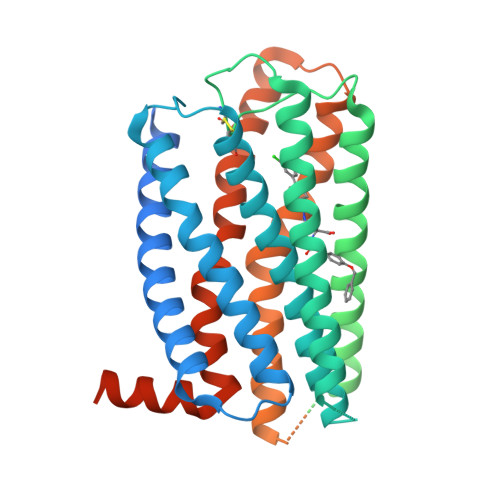 Click to view 3D structure | Probable G-protein coupled receptor 34 | Q9UPC5 | Humans | Predicted (SEA) | - Prediction Confidence Score
- 0.252
- Applicability Domain
- 0.266 Low confidence
- Statistical Significance
- 0.0031
- Supporting Reference Compounds
- 11
- E-value
- 23.9776
|
| Click to view 3D structure | Group VII phospholipase A2 | Q6UB75 | Sus scrofa | Predicted (SEA) | - Prediction Confidence Score
- 0.251
- Applicability Domain
- 0.294 Low confidence
- Statistical Significance
- 0.0011
- Supporting Reference Compounds
- 7
- E-value
- 8.56341
|
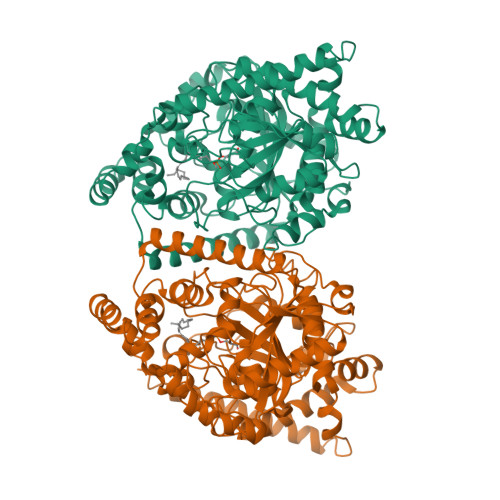 Click to view 3D structure | Fatty-acid amide hydrolase 1 | P97612 | Rattus norvegicus | Predicted (SEA) | - Prediction Confidence Score
- 0.247
- Applicability Domain
- 0.264 Low confidence
- Statistical Significance
- 0.058
- Supporting Reference Compounds
- 102
- E-value
- 451.214
|
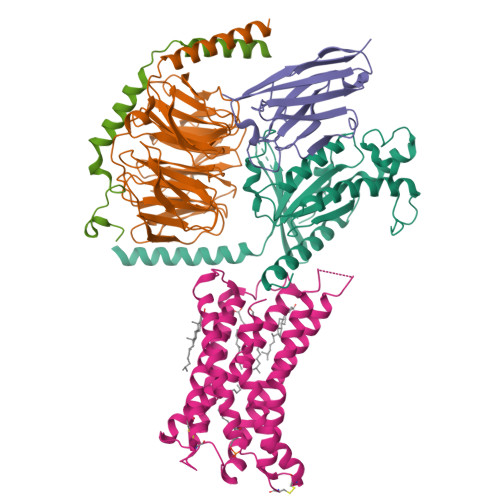 Click to view 3D structure | Lysophosphatidic acid receptor 6 | P43657 | Humans | Predicted (SEA) | - Prediction Confidence Score
- 0.246
- Applicability Domain
- 0.259 Low confidence
- Statistical Significance
- 8.90e-04
- Supporting Reference Compounds
- 3
- E-value
- 6.92858
|
 Click to view 3D structure | Peroxisome proliferator-activated receptor gamma | P37231 | Humans | Predicted (SEA) | - Prediction Confidence Score
- 0.246
- Applicability Domain
- 0.263 Low confidence
- Statistical Significance
- 0.1175
- Supporting Reference Compounds
- 192
- E-value
- 914.962
|
| Click to view 3D structure | CAI-1 autoinducer sensor kinase/phosphatase CqsS | Q9KM66 | Vibrio cholerae serotype O1 (strain ATCC 39315 / El Tor Inaba N16961) | Predicted (SEA) | - Prediction Confidence Score
- 0.244
- Applicability Domain
- 0.244 Low confidence
- Statistical Significance
- 0.002
- Supporting Reference Compounds
- 1
- E-value
- 15.5698
|
| Click to view 3D structure | Diacylglycerol lipase-alpha | Q9Y4D2 | Humans | Predicted (SEA) | - Prediction Confidence Score
- 0.243
- Applicability Domain
- 0.246 Low confidence
- Statistical Significance
- 0.0177
- Supporting Reference Compounds
- 35
- E-value
- 137.56
|
 Click to view 3D structure | Peroxisome proliferator-activated receptor delta | Q03181 | Humans | Predicted (SEA) | - Prediction Confidence Score
- 0.243
- Applicability Domain
- 0.302
- Statistical Significance
- 0.064
- Supporting Reference Compounds
- 89
- E-value
- 498.469
|
| Click to view 3D structure | Lysophosphatidic acid receptor 4 | Q99677 | Humans | Predicted (SEA) | - Prediction Confidence Score
- 0.243
- Applicability Domain
- 0.259 Low confidence
- Statistical Significance
- 0.0014
- Supporting Reference Compounds
- 9
- E-value
- 10.821
|
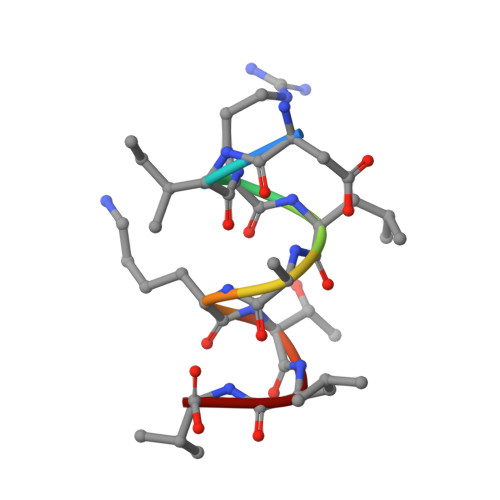 Click to view 3D structure | Cannabinoid receptor 1 | P21554 | Humans | Predicted (SEA) | - Prediction Confidence Score
- 0.242
- Applicability Domain
- 0.246 Low confidence
- Statistical Significance
- 0.1293
- Supporting Reference Compounds
- 200
- E-value
- 1006.43
|
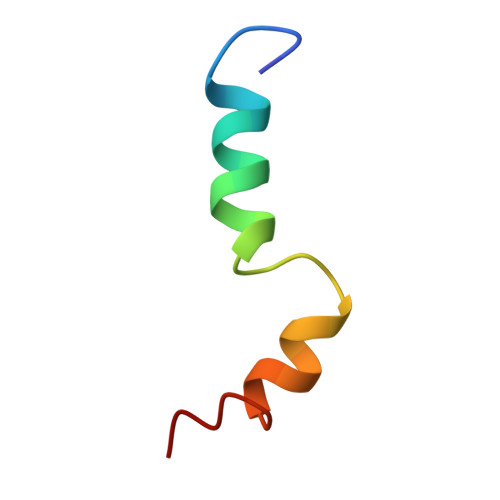 Click to view 3D structure | Cannabinoid receptor 2 | P34972 | Humans | Predicted (SEA) | - Prediction Confidence Score
- 0.242
- Applicability Domain
- 0.246 Low confidence
- Statistical Significance
- 0.1165
- Supporting Reference Compounds
- 175
- E-value
- 906.788
|
 Click to view 3D structure | Toll-like receptor 2 | Q9QUN7 | Mus musculus | Predicted (SEA) | - Prediction Confidence Score
- 0.242
- Applicability Domain
- 0.267 Low confidence
- Statistical Significance
- 0.0049
- Supporting Reference Compounds
- 2
- E-value
- 38.1461
|

