 Click to view 3D structure | Sphingosine-1-phosphate lyase 1 | Q8CHN6 | Rattus norvegicus | Predicted (SEA) | - Prediction Confidence Score
- 0.156
- Applicability Domain
- 0.156 Low confidence
- Statistical Significance
- 0.0074
- Supporting Reference Compounds
- 1
- E-value
- 57.6863
|
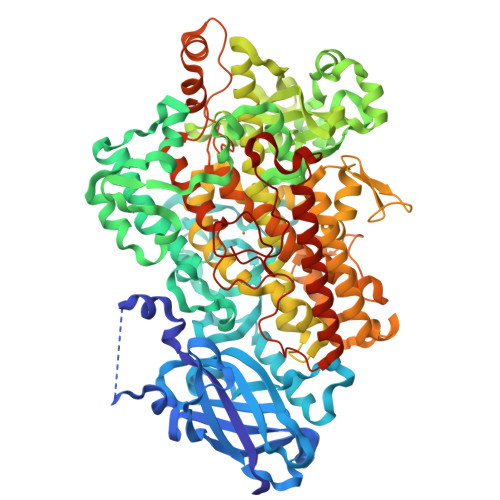 Click to view 3D structure | Seed linoleate 9S-lipoxygenase | P24095 | Glycine max | Predicted (SEA) | - Prediction Confidence Score
- 0.125
- Applicability Domain
- 0.125 Low confidence
- Statistical Significance
- 0.0029
- Supporting Reference Compounds
- 1
- E-value
- 22.8098
|
 Click to view 3D structure | 3-oxoacyl-[acyl-carrier-protein] synthase 2 | P9WQD7 | Mycobacterium tuberculosis | Predicted (SEA) | - Prediction Confidence Score
- 0.125
- Applicability Domain
- 0.125 Low confidence
- Statistical Significance
- 0.0129
- Supporting Reference Compounds
- 1
- E-value
- 100.27
|
| Click to view 3D structure | Dihydropyrimidine dehydrogenase [NADP(+)] | Q12882 | Humans | Predicted (SEA) | - Prediction Confidence Score
- 0.121
- Applicability Domain
- 0.121 Low confidence
- Statistical Significance
- 0.0404
- Supporting Reference Compounds
- 1
- E-value
- 314.822
|
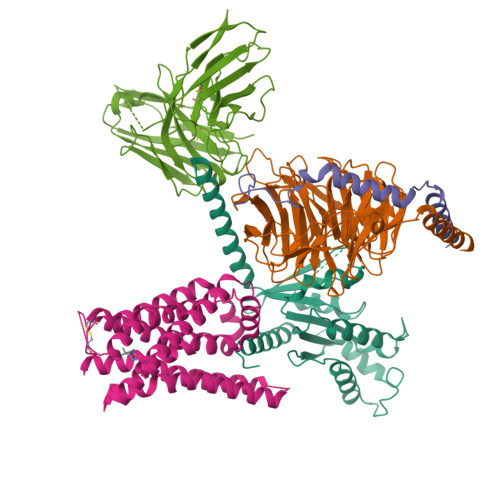 Click to view 3D structure | Alpha-2B adrenergic receptor | P18089 | Humans | Predicted (SEA) | - Prediction Confidence Score
- 0.114
- Applicability Domain
- 0.13 Low confidence
- Statistical Significance
- 0.9992
- Supporting Reference Compounds
- 340
- E-value
- 7778.93
|
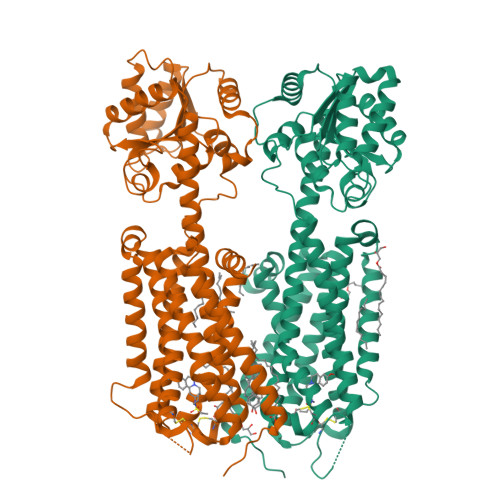 Click to view 3D structure | Alpha-2C adrenergic receptor | P18825 | Humans | Predicted (SEA) | - Prediction Confidence Score
- 0.114
- Applicability Domain
- 0.13 Low confidence
- Statistical Significance
- 0.9994
- Supporting Reference Compounds
- 386
- E-value
- 7780.02
|
| Click to view 3D structure | Cytochrome P450 2D4 | Q64680 | Rattus norvegicus | Predicted (SEA) | - Prediction Confidence Score
- 0.113
- Applicability Domain
- 0.113 Low confidence
- Statistical Significance
- 0.5274
- Supporting Reference Compounds
- 1
- E-value
- 4105.92
|
 Click to view 3D structure | 5-hydroxytryptamine receptor 2C | P28335 | Humans | Predicted (SEA) | - Prediction Confidence Score
- 0.111
- Applicability Domain
- 0.122 Low confidence
- Statistical Significance
- 0.9997
- Supporting Reference Compounds
- 823
- E-value
- 7782.66
|
 Click to view 3D structure | 5-hydroxytryptamine receptor 2B | P41595 | Humans | Predicted (SEA) | - Prediction Confidence Score
- 0.109
- Applicability Domain
- 0.122 Low confidence
- Statistical Significance
- 0.9996
- Supporting Reference Compounds
- 686
- E-value
- 7782.2
|
 Click to view 3D structure | 5-hydroxytryptamine receptor 1A | P08908 | Humans | Predicted (SEA) | - Prediction Confidence Score
- 0.109
- Applicability Domain
- 0.122 Low confidence
- Statistical Significance
- 0.9997
- Supporting Reference Compounds
- 953
- E-value
- 7782.35
|
 Click to view 3D structure | DNA dC->dU-editing enzyme APOBEC-3G | Q9HC16 | Humans | Predicted (SEA) | - Prediction Confidence Score
- 0.108
- Applicability Domain
- 0.12 Low confidence
- Statistical Significance
- 0.993
- Supporting Reference Compounds
- 76
- E-value
- 7730.27
|
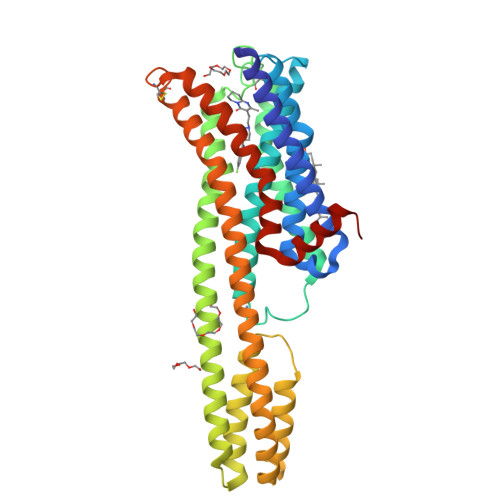 Click to view 3D structure | 5-hydroxytryptamine receptor 2A | P28223 | Humans | Predicted (SEA) | - Prediction Confidence Score
- 0.107
- Applicability Domain
- 0.122 Low confidence
- Statistical Significance
- 0.9998
- Supporting Reference Compounds
- 955
- E-value
- 7783.52
|
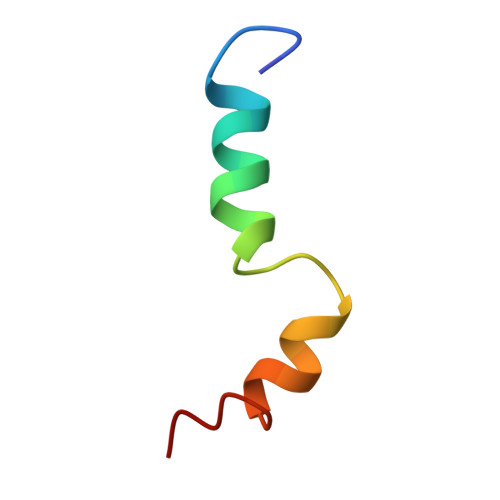 Click to view 3D structure | Cannabinoid receptor 2 | P34972 | Humans | Predicted (SEA) | - Prediction Confidence Score
- 0.107
- Applicability Domain
- 0.122 Low confidence
- Statistical Significance
- 0.9991
- Supporting Reference Compounds
- 175
- E-value
- 7777.84
|
 Click to view 3D structure | Alpha-2A adrenergic receptor | P08913 | Humans | Predicted (SEA) | - Prediction Confidence Score
- 0.106
- Applicability Domain
- 0.122 Low confidence
- Statistical Significance
- 0.9997
- Supporting Reference Compounds
- 487
- E-value
- 7782.98
|
 Click to view 3D structure | Dual specificity tyrosine-phosphorylation-regulated kinase 1A | Q13627 | Humans | Predicted (SEA) | - Prediction Confidence Score
- 0.106
- Applicability Domain
- 0.13 Low confidence
- Statistical Significance
- 0.9994
- Supporting Reference Compounds
- 906
- E-value
- 7780.41
|
 Click to view 3D structure | Tyrosine-protein kinase BTK | Q06187 | Humans | Predicted (SEA) | - Prediction Confidence Score
- 0.105
- Applicability Domain
- 0.111 Low confidence
- Statistical Significance
- 0.9994
- Supporting Reference Compounds
- 798
- E-value
- 7780.48
|
 Click to view 3D structure | Epidermal growth factor receptor | P00533 | Humans | Predicted (SEA) | - Prediction Confidence Score
- 0.105
- Applicability Domain
- 0.111 Low confidence
- Statistical Significance
- 0.9997
- Supporting Reference Compounds
- 1301
- E-value
- 7782.66
|
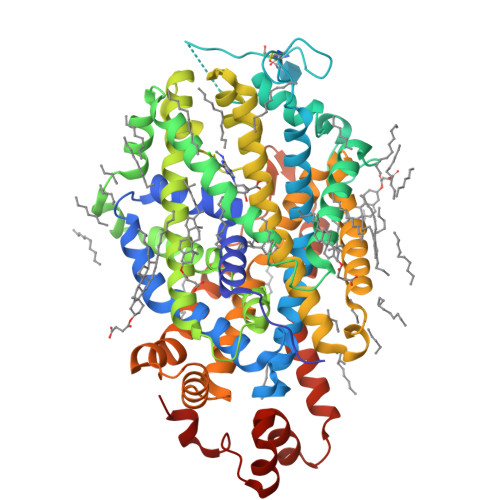 Click to view 3D structure | Sodium-dependent dopamine transporter | Q01959 | Humans | Predicted (SEA) | - Prediction Confidence Score
- 0.104
- Applicability Domain
- 0.122 Low confidence
- Statistical Significance
- 0.9998
- Supporting Reference Compounds
- 506
- E-value
- 7783.6
|
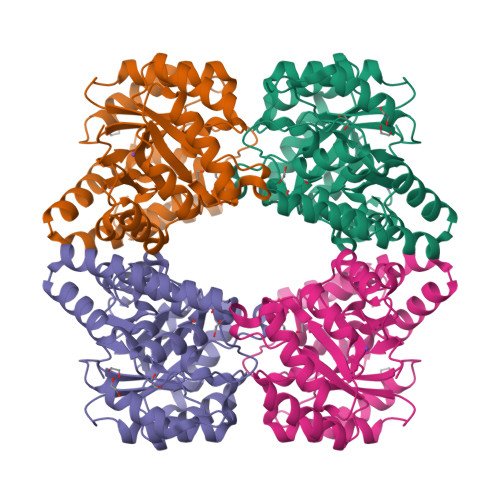 Click to view 3D structure | 4-hydroxy-2-oxoglutarate aldolase, mitochondrial | Q86XE5 | Humans | Predicted (SEA) | - Prediction Confidence Score
- 0.104
- Applicability Domain
- 0.104 Low confidence
- Statistical Significance
- 0.1315
- Supporting Reference Compounds
- 1
- E-value
- 1023.8
|
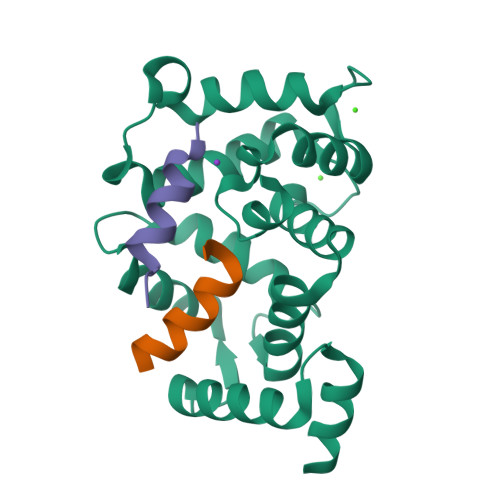 Click to view 3D structure | D(2) dopamine receptor | P14416 | Humans | Predicted (SEA) | - Prediction Confidence Score
- 0.104
- Applicability Domain
- 0.122 Low confidence
- Statistical Significance
- 0.9998
- Supporting Reference Compounds
- 1103
- E-value
- 7783.13
|
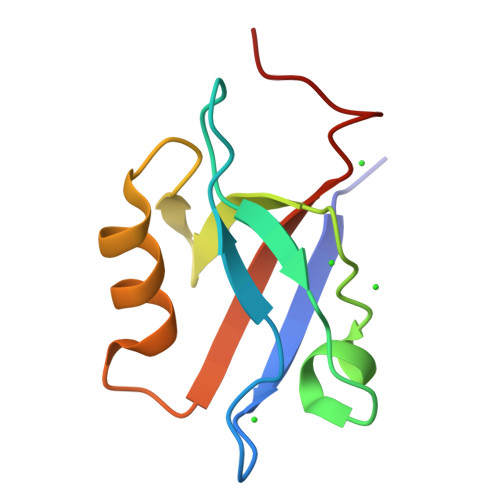 Click to view 3D structure | Beta-2 adrenergic receptor | P07550 | Humans | Predicted (SEA) | - Prediction Confidence Score
- 0.104
- Applicability Domain
- 0.122 Low confidence
- Statistical Significance
- 0.9994
- Supporting Reference Compounds
- 258
- E-value
- 7779.94
|
 Click to view 3D structure | Cytochrome P450 2D6 | P10635 | Humans | Predicted (SEA) | - Prediction Confidence Score
- 0.104
- Applicability Domain
- 0.113 Low confidence
- Statistical Significance
- 0.9998
- Supporting Reference Compounds
- 1130
- E-value
- 7783.68
|
 Click to view 3D structure | 5-hydroxytryptamine receptor 7 | P34969 | Humans | Predicted (SEA) | - Prediction Confidence Score
- 0.103
- Applicability Domain
- 0.122 Low confidence
- Statistical Significance
- 0.9996
- Supporting Reference Compounds
- 565
- E-value
- 7782.2
|
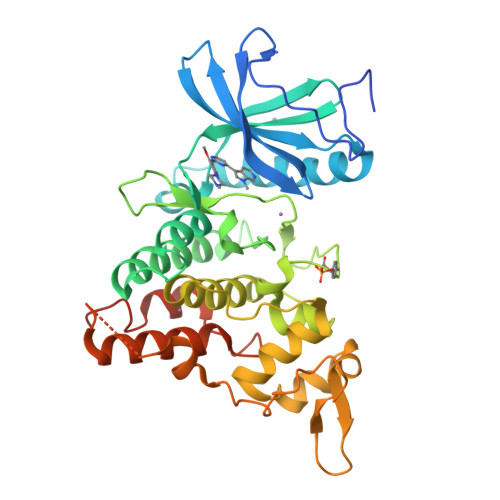 Click to view 3D structure | Dual specificity tyrosine-phosphorylation-regulated kinase 1B | Q9Y463 | Humans | Predicted (SEA) | - Prediction Confidence Score
- 0.103
- Applicability Domain
- 0.13 Low confidence
- Statistical Significance
- 0.9991
- Supporting Reference Compounds
- 377
- E-value
- 7777.6
|
 Click to view 3D structure | Dual specificity tyrosine-phosphorylation-regulated kinase 2 | Q92630 | Humans | Predicted (SEA) | - Prediction Confidence Score
- 0.103
- Applicability Domain
- 0.13 Low confidence
- Statistical Significance
- 0.9981
- Supporting Reference Compounds
- 196
- E-value
- 7769.9
|

