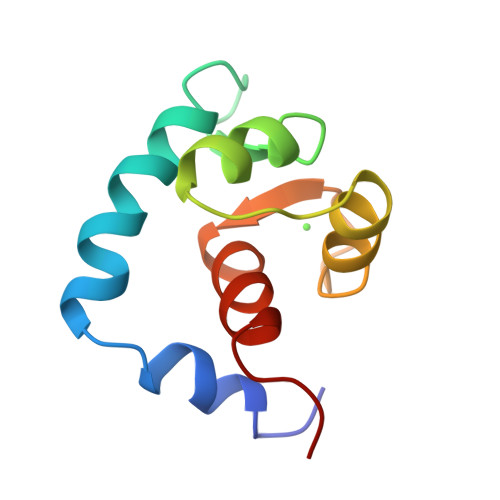
 Click to view 3D structure | Troponin C, slow skeletal and cardiac muscles | P63316 | Humans | Predicted (SEA) | - Prediction Confidence Score
- 0.273
- Applicability Domain
- 0.273 Low confidence
- Statistical Significance
- 0.0014
- Supporting Reference Compounds
- 2
- E-value
- 11.2881
|
 Click to view 3D structure | Farnesyl pyrophosphate synthase | P14324 | Humans | Predicted (SEA) | - Prediction Confidence Score
- 0.2
- Applicability Domain
- 0.207 Low confidence
- Statistical Significance
- 0.0279
- Supporting Reference Compounds
- 22
- E-value
- 216.966
|
 Click to view 3D structure | Farnesyl pyrophosphate synthase | Q0GKD7 | Leishmania donovani | Predicted (SEA) | - Prediction Confidence Score
- 0.191
- Applicability Domain
- 0.207 Low confidence
- Statistical Significance
- 0.0076
- Supporting Reference Compounds
- 14
- E-value
- 58.9319
|
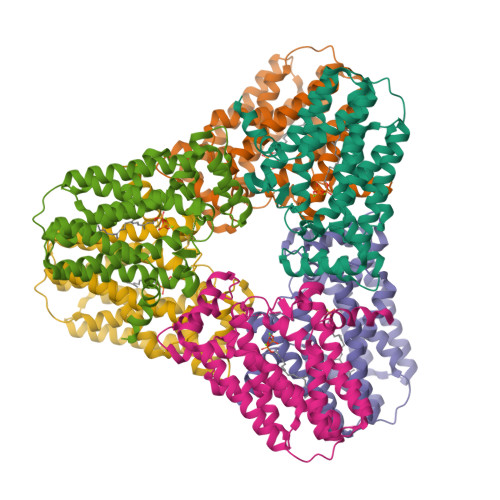 Click to view 3D structure | Geranylgeranyl pyrophosphate synthase | O95749 | Humans | Predicted (SEA) | - Prediction Confidence Score
- 0.191
- Applicability Domain
- 0.207 Low confidence
- Statistical Significance
- 0.0148
- Supporting Reference Compounds
- 15
- E-value
- 115.606
|
| Click to view 3D structure | Sodium- and chloride-dependent creatine transporter 1 | P28570 | Rattus norvegicus | Predicted (SEA) | - Prediction Confidence Score
- 0.179
- Applicability Domain
- 0.179 Low confidence
- Statistical Significance
- 0.0029
- Supporting Reference Compounds
- 1
- E-value
- 22.4206
|
| Click to view 3D structure | Phospholipase B | Q9P8P2 | Cryptococcus neoformans | Predicted (SEA) | - Prediction Confidence Score
- 0.174
- Applicability Domain
- 0.174 Low confidence
- Statistical Significance
- 0.003
- Supporting Reference Compounds
- 1
- E-value
- 23.744
|
| Click to view 3D structure | Sphingosine-1-phosphate lyase 1 | Q8CHN6 | Rattus norvegicus | Predicted (SEA) | - Prediction Confidence Score
- 0.163
- Applicability Domain
- 0.163 Low confidence
- Statistical Significance
- 0.006
- Supporting Reference Compounds
- 1
- E-value
- 46.7095
|
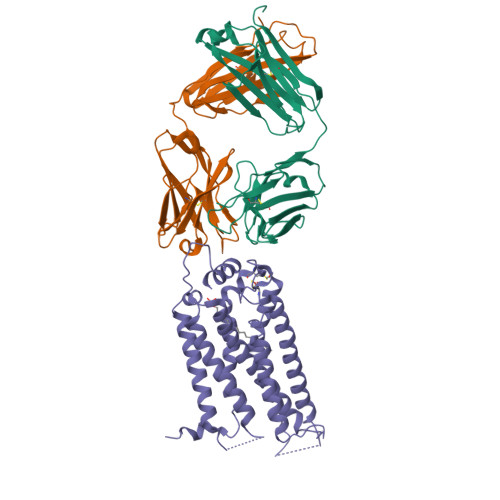 Click to view 3D structure | Sphingosine 1-phosphate receptor 3 | Q99500 | Humans | Predicted (SEA) | - Prediction Confidence Score
- 0.162
- Applicability Domain
- 0.273 Low confidence
- Statistical Significance
- 0.7265
- Supporting Reference Compounds
- 59
- E-value
- 5655.43
|
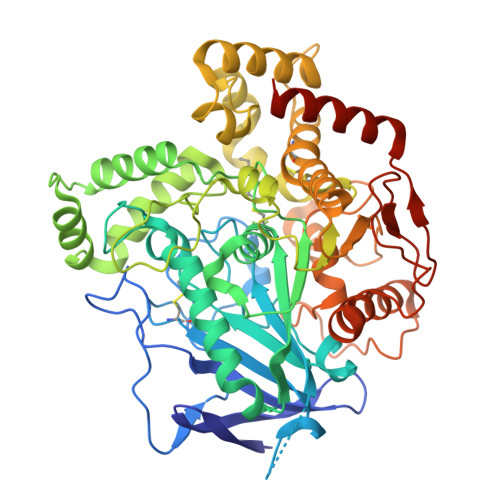 Click to view 3D structure | Juvenile hormone esterase | Q9GPG0 | Manduca sexta | Predicted (SEA) | - Prediction Confidence Score
- 0.16
- Applicability Domain
- 0.172 Low confidence
- Statistical Significance
- 0.0107
- Supporting Reference Compounds
- 2
- E-value
- 83.3765
|
 Click to view 3D structure | Liver carboxylesterase 1 | P23141 | Humans | Predicted (SEA) | - Prediction Confidence Score
- 0.159
- Applicability Domain
- 0.172 Low confidence
- Statistical Significance
- 0.422
- Supporting Reference Compounds
- 55
- E-value
- 3285.31
|
| Click to view 3D structure | Cocaine esterase | O00748 | Humans | Predicted (SEA) | - Prediction Confidence Score
- 0.158
- Applicability Domain
- 0.172 Low confidence
- Statistical Significance
- 0.4122
- Supporting Reference Compounds
- 40
- E-value
- 3209.02
|
| Click to view 3D structure | Fatty-acid amide hydrolase 1 | O00519 | Humans | Predicted (SEA) | - Prediction Confidence Score
- 0.157
- Applicability Domain
- 0.172 Low confidence
- Statistical Significance
- 0.8799
- Supporting Reference Compounds
- 106
- E-value
- 6849.95
|
 Click to view 3D structure | Guanine nucleotide-binding protein G(o) subunit alpha | P09471 | Humans | Predicted (SEA) | - Prediction Confidence Score
- 0.157
- Applicability Domain
- 0.167 Low confidence
- Statistical Significance
- 0.02
- Supporting Reference Compounds
- 2
- E-value
- 155.698
|
 Click to view 3D structure | Liver carboxylesterase | Q29550 | Sus scrofa | Predicted (SEA) | - Prediction Confidence Score
- 0.155
- Applicability Domain
- 0.172 Low confidence
- Statistical Significance
- 0.209
- Supporting Reference Compounds
- 20
- E-value
- 1626.82
|
| Click to view 3D structure | CG8425-PA [Drosophila melanogaster] | A1ZA98 | Drosophila melanogaster | Predicted (SEA) | - Prediction Confidence Score
- 0.155
- Applicability Domain
- 0.172 Low confidence
- Statistical Significance
- 0.0125
- Supporting Reference Compounds
- 4
- E-value
- 97.4672
|
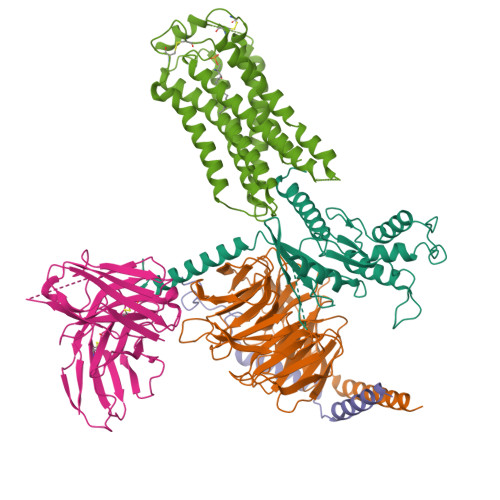 Click to view 3D structure | Sphingosine 1-phosphate receptor 2 | O95136 | Humans | Predicted (SEA) | - Prediction Confidence Score
- 0.154
- Applicability Domain
- 0.273 Low confidence
- Statistical Significance
- 0.8557
- Supporting Reference Compounds
- 79
- E-value
- 6661.71
|
 Click to view 3D structure | Acylcarnitine hydrolase | Q91WG0 | Mus musculus | Predicted (SEA) | - Prediction Confidence Score
- 0.149
- Applicability Domain
- 0.152 Low confidence
- Statistical Significance
- 0.0144
- Supporting Reference Compounds
- 2
- E-value
- 112.181
|
 Click to view 3D structure | All-trans-retinol dehydrogenase [NAD(+)] ADH7 | P40394 | Humans | Predicted (SEA) | - Prediction Confidence Score
- 0.148
- Applicability Domain
- 0.148 Low confidence
- Statistical Significance
- 0.0121
- Supporting Reference Compounds
- 1
- E-value
- 94.3533
|
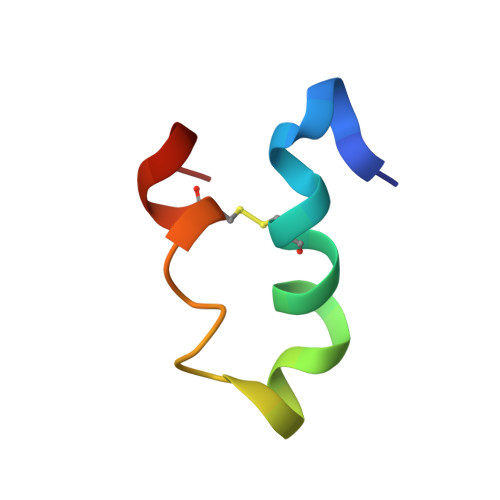 Click to view 3D structure | Sphingosine 1-phosphate receptor 4 | O95977 | Humans | Predicted (SEA) | - Prediction Confidence Score
- 0.148
- Applicability Domain
- 0.273 Low confidence
- Statistical Significance
- 0.9216
- Supporting Reference Compounds
- 117
- E-value
- 7174.9
|
 Click to view 3D structure | Sphingosine 1-phosphate receptor 1 | P21453 | Humans | Predicted (SEA) | - Prediction Confidence Score
- 0.146
- Applicability Domain
- 0.273 Low confidence
- Statistical Significance
- 0.9585
- Supporting Reference Compounds
- 126
- E-value
- 7461.85
|
| Click to view 3D structure | Liver carboxylesterase B-1 | Q63010 | Rattus norvegicus | Predicted (SEA) | - Prediction Confidence Score
- 0.145
- Applicability Domain
- 0.147 Low confidence
- Statistical Significance
- 0.0137
- Supporting Reference Compounds
- 6
- E-value
- 106.576
|
 Click to view 3D structure | Carbonic anhydrase 1 | P00915 | Humans | Predicted (SEA) | - Prediction Confidence Score
- 0.145
- Applicability Domain
- 0.172 Low confidence
- Statistical Significance
- 0.9728
- Supporting Reference Compounds
- 407
- E-value
- 7573.33
|
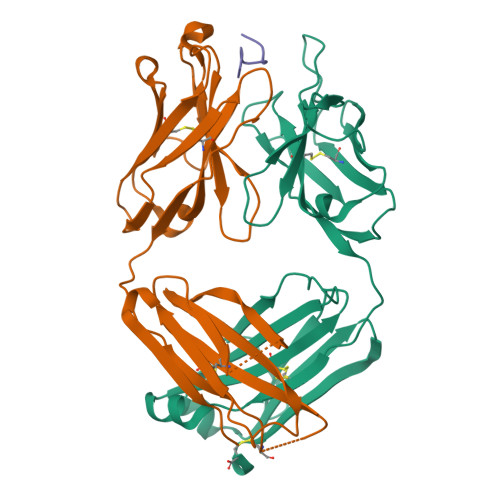 Click to view 3D structure | Carbonic anhydrase 9 | Q16790 | Humans | Predicted (SEA) | - Prediction Confidence Score
- 0.145
- Applicability Domain
- 0.172 Low confidence
- Statistical Significance
- 0.9713
- Supporting Reference Compounds
- 372
- E-value
- 7561.88
|
 Click to view 3D structure | Peroxisome proliferator-activated receptor alpha | Q07869 | Humans | Predicted (SEA) | - Prediction Confidence Score
- 0.144
- Applicability Domain
- 0.154 Low confidence
- Statistical Significance
- 0.9349
- Supporting Reference Compounds
- 127
- E-value
- 7277.97
|
| Click to view 3D structure | Cannabinoid receptor 1 | P20272 | Rattus norvegicus | Predicted (SEA) | - Prediction Confidence Score
- 0.143
- Applicability Domain
- 0.161 Low confidence
- Statistical Significance
- 0.8786
- Supporting Reference Compounds
- 83
- E-value
- 6839.91
|

