 Click to view 3D structure | Peroxisome proliferator-activated receptor gamma | P37231 | Humans | Predicted (SEA) | - Prediction Confidence Score
- 0.294
- Applicability Domain
- 0.354
- Statistical Significance
- 0.0216
- Supporting Reference Compounds
- 192
- E-value
- 168.076
|
 Click to view 3D structure | ATP-dependent molecular chaperone HSP82 | C4YTQ8 | Candida albicans (strain WO-1) (Yeast) | Predicted (SEA) | - Prediction Confidence Score
- 0.293
- Applicability Domain
- 0.405
- Statistical Significance
- 0.0107
- Supporting Reference Compounds
- 205
- E-value
- 83.5322
|
| Click to view 3D structure | Histone deacetylase 11 | Q96DB2 | Humans | Predicted (SEA) | - Prediction Confidence Score
- 0.285
- Applicability Domain
- 0.457
- Statistical Significance
- 0.027
- Supporting Reference Compounds
- 149
- E-value
- 210.426
|
 Click to view 3D structure | Voltage-gated inwardly rectifying potassium channel KCNH2 | Q12809 | Humans | Predicted (SEA) | - Prediction Confidence Score
- 0.284
- Applicability Domain
- 0.405
- Statistical Significance
- 0.2387
- Supporting Reference Compounds
- 1498
- E-value
- 1858.03
|
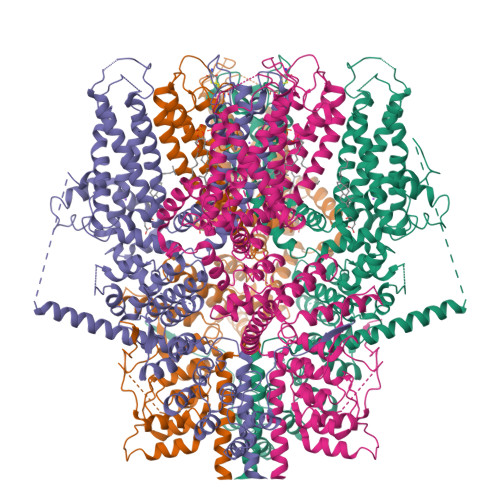 Click to view 3D structure | Short transient receptor potential channel 4 | Q9QUQ5 | Mus musculus | Predicted (SEA) | - Prediction Confidence Score
- 0.282
- Applicability Domain
- 0.348
- Statistical Significance
- 0.0144
- Supporting Reference Compounds
- 128
- E-value
- 112.414
|
| Click to view 3D structure | Carbonic anhydrase | O24855 | Helicobacter pylori (strain ATCC 700392 / 26695) (Campylobacterpylori) | Predicted (SEA) | - Prediction Confidence Score
- 0.277
- Applicability Domain
- 0.4
- Statistical Significance
- 0.0064
- Supporting Reference Compounds
- 38
- E-value
- 50.1349
|
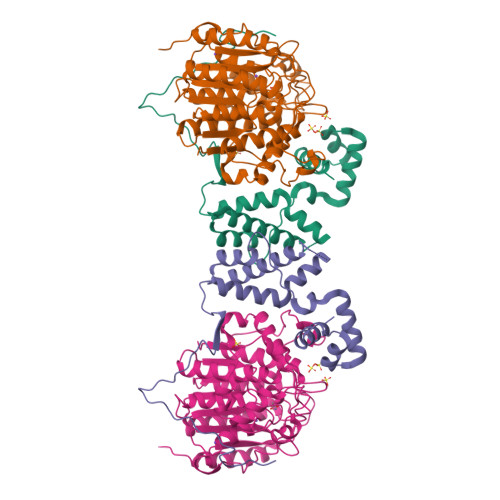 Click to view 3D structure | Histone deacetylase 1 | Q13547 | Humans | Predicted (SEA) | - Prediction Confidence Score
- 0.274
- Applicability Domain
- 0.457
- Statistical Significance
- 0.1335
- Supporting Reference Compounds
- 497
- E-value
- 1039.29
|
 Click to view 3D structure | Glycogen synthase kinase-3 beta | P49841 | Humans | Predicted (SEA) | - Prediction Confidence Score
- 0.274
- Applicability Domain
- 0.3
- Statistical Significance
- 0.2333
- Supporting Reference Compounds
- 1157
- E-value
- 1816.46
|
 Click to view 3D structure | Luciferin 4-monooxygenase | P08659 | Photinus pyralis | Predicted (SEA) | - Prediction Confidence Score
- 0.272
- Applicability Domain
- 0.4
- Statistical Significance
- 0.0269
- Supporting Reference Compounds
- 114
- E-value
- 209.181
|
 Click to view 3D structure | Acetylcholinesterase | P22303 | Humans | Predicted (SEA) | - Prediction Confidence Score
- 0.271
- Applicability Domain
- 0.389
- Statistical Significance
- 0.0912
- Supporting Reference Compounds
- 406
- E-value
- 710.063
|
 Click to view 3D structure | Peroxisome proliferator-activated receptor alpha | Q07869 | Humans | Predicted (SEA) | - Prediction Confidence Score
- 0.27
- Applicability Domain
- 0.327
- Statistical Significance
- 0.037
- Supporting Reference Compounds
- 127
- E-value
- 287.809
|
 Click to view 3D structure | Histone deacetylase 4 | P56524 | Humans | Predicted (SEA) | - Prediction Confidence Score
- 0.269
- Applicability Domain
- 0.457
- Statistical Significance
- 0.0592
- Supporting Reference Compounds
- 185
- E-value
- 460.867
|
| Click to view 3D structure | Polyamine deacetylase HDAC10 | Q969S8 | Humans | Predicted (SEA) | - Prediction Confidence Score
- 0.269
- Applicability Domain
- 0.457
- Statistical Significance
- 0.0351
- Supporting Reference Compounds
- 130
- E-value
- 273.095
|
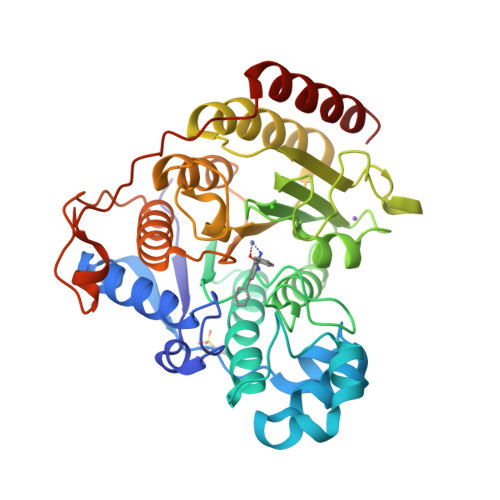 Click to view 3D structure | Histone deacetylase 2 | Q92769 | Humans | Predicted (SEA) | - Prediction Confidence Score
- 0.268
- Applicability Domain
- 0.457
- Statistical Significance
- 0.0969
- Supporting Reference Compounds
- 307
- E-value
- 754.125
|
 Click to view 3D structure | Histone deacetylase 7 | Q8WUI4 | Humans | Predicted (SEA) | - Prediction Confidence Score
- 0.267
- Applicability Domain
- 0.457
- Statistical Significance
- 0.0429
- Supporting Reference Compounds
- 148
- E-value
- 333.973
|
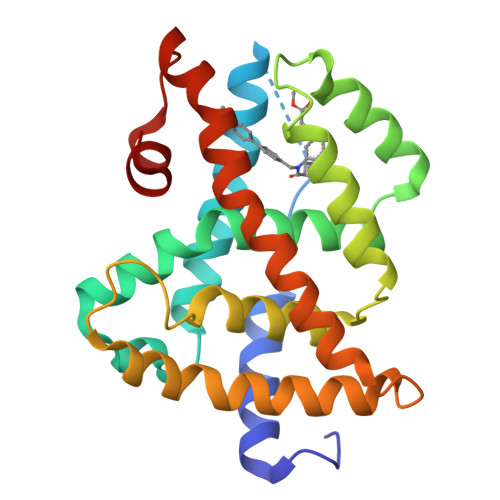 Click to view 3D structure | Bile acid receptor | Q96RI1 | Humans | Predicted (SEA) | - Prediction Confidence Score
- 0.323
- Applicability Domain
- 0.372
- Statistical Significance
- 0.005
- Supporting Reference Compounds
- 94
- E-value
- 39.0025
|
 Click to view 3D structure | Carbonic anhydrase 2 | P00918 | Humans | Predicted (SEA) | - Prediction Confidence Score
- 0.312
- Applicability Domain
- 0.4
- Statistical Significance
- 0.0354
- Supporting Reference Compounds
- 472
- E-value
- 275.431
|
 Click to view 3D structure | Protein deacetylase HDAC6 | Q9UBN7 | Humans | Predicted (SEA) | - Prediction Confidence Score
- 0.309
- Applicability Domain
- 0.457
- Statistical Significance
- 0.0551
- Supporting Reference Compounds
- 553
- E-value
- 428.638
|
| Click to view 3D structure | DNA damage-inducible transcript 3 protein | P35639 | Mus musculus | Predicted (SEA) | - Prediction Confidence Score
- 0.306
- Applicability Domain
- 0.348
- Statistical Significance
- 0.0059
- Supporting Reference Compounds
- 226
- E-value
- 45.931
|
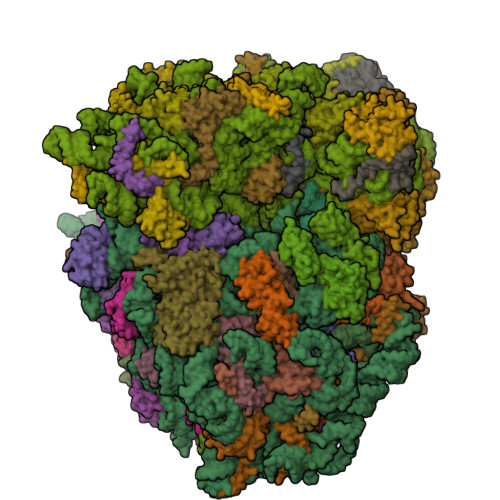 Click to view 3D structure | X-box-binding protein 1 | P17861 | Humans | Predicted (SEA) | - Prediction Confidence Score
- 0.306
- Applicability Domain
- 0.348
- Statistical Significance
- 0.0059
- Supporting Reference Compounds
- 227
- E-value
- 45.931
|
| Click to view 3D structure | Sarcoplasmic/endoplasmic reticulum calcium ATPase 2 | P11507 | Rattus norvegicus | Predicted (SEA) | - Prediction Confidence Score
- 0.3
- Applicability Domain
- 0.3
- Statistical Significance
- 2.30e-04
- Supporting Reference Compounds
- 1
- E-value
- 1.79053
|
| Click to view 3D structure | Streptokinase A | P10520 | Streptococcus pyogenes serotype M1 | Predicted (SEA) | - Prediction Confidence Score
- 0.3
- Applicability Domain
- 0.405
- Statistical Significance
- 0.0212
- Supporting Reference Compounds
- 425
- E-value
- 164.885
|
 Click to view 3D structure | Histone deacetylase 8 | Q9BY41 | Humans | Predicted (SEA) | - Prediction Confidence Score
- 0.295
- Applicability Domain
- 0.457
- Statistical Significance
- 0.046
- Supporting Reference Compounds
- 317
- E-value
- 358.184
|
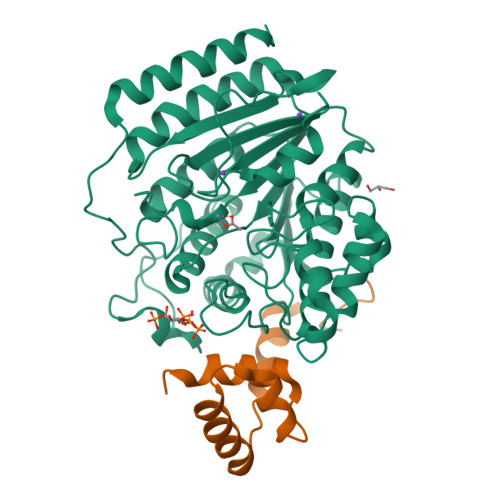 Click to view 3D structure | Histone deacetylase 3 | O15379 | Humans | Predicted (SEA) | - Prediction Confidence Score
- 0.295
- Applicability Domain
- 0.457
- Statistical Significance
- 0.0359
- Supporting Reference Compounds
- 257
- E-value
- 279.323
|
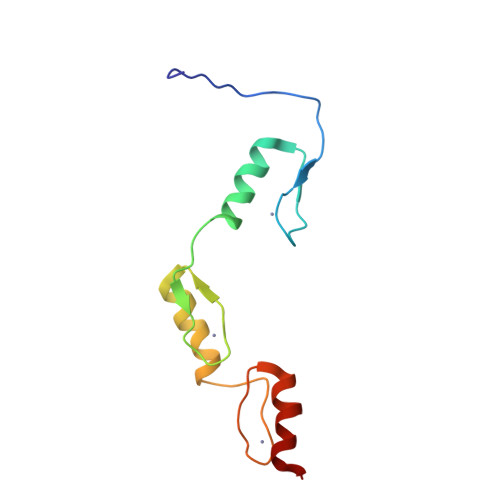 Click to view 3D structure | Krueppel-like factor 5 | Q13887 | Humans | Predicted (SEA) | - Prediction Confidence Score
- 0.295
- Applicability Domain
- 0.4
- Statistical Significance
- 0.0023
- Supporting Reference Compounds
- 42
- E-value
- 17.6718
|

